Nad+ Vs Nmn: Which Is Better for Supplementation?
A science-backed comparison of cost, absorption, dosing, and results, so you stop guessing and start spending wisely.
Enjoying this article?Add FoodNourish as a preferred source on Google and see our research-backed guides more often in your search results.
For most people, NMN beats direct NAD+ as an oral supplement.
- Oral NAD+ breaks down in your digestive tract and barely raises blood levels [1].
- NMN survives digestion, converts to NAD+ in one enzymatic step, and shows clinical benefits at 300 to 600 mg per day [2].
- Direct NAD+ still has a role through IV therapy, but a single infusion costs 50 to 100 times more than a month of oral NMN [3].
The NAD+ vs NMN question, for daily use, has a clear winner and it NMN.
NAD+ vs NMN Full Comparison Table
| Dimension | NAD+ (direct) | NMN |
|---|---|---|
| Molecular role | Active coenzyme used in 500+ reactions [4] | Direct precursor, one enzyme step from NAD+ [2] |
| Oral bioavailability | Degrades in the gut; under 5% reaches circulation [1] | Absorbs via the Slc12a8 transporter; plasma rises in 2 to 3 minutes (animal data) [2] |
| Effective daily dose | No validated oral dose; IV protocols use 250 to 1,000 mg [3] | 300 to 900 mg, with 600 mg as the best-tested dose [5] |
| Cost (US, 2026) | $250 to $1,500 per IV session [3] | $1.33 to $6.35 per gram in capsule form [6] |
| Time to measurable effect | Hours after IV; drops within days [3] | Blood NAD+ rises within 14 to 30 days at 300 mg [5] |
| FDA status (2026) | Not classified as a dietary supplement [7] | Reinstated as lawful dietary supplement, September 2025 [7] |
| Best use case | Short, supervised IV protocols for energy or recovery | Daily long-term oral supplementation |
What NAD+ Actually Does in Your Body
NAD+ stands for nicotinamide adenine dinucleotide. Your cells use it as a coenzyme (a helper molecule that enzymes need to work) in more than 500 metabolic reactions [4].
Four jobs matter most.
- NAD+ shuttles electrons inside mitochondria, which produces the ATP your cells burn for energy [4].
- It activates PARP enzymes (the proteins that repair broken DNA strands), which fix damaged DNA every day [8].
- It fuels sirtuins, a family of seven enzymes that regulate gene expression, inflammation, and cellular stress responses [4].
- It also gets consumed by CD38, an immune-signaling enzyme that ramps up with age and chronic inflammation and burns through NAD+ as fuel [9].
When NAD+ runs low, all four jobs slow down. Your mitochondria make less energy. DNA mistakes pile up. Sirtuins go quiet. Inflammation creeps up. This is why longevity researchers care about NAD+ levels at all.
How Fast NAD+ Drops With Age
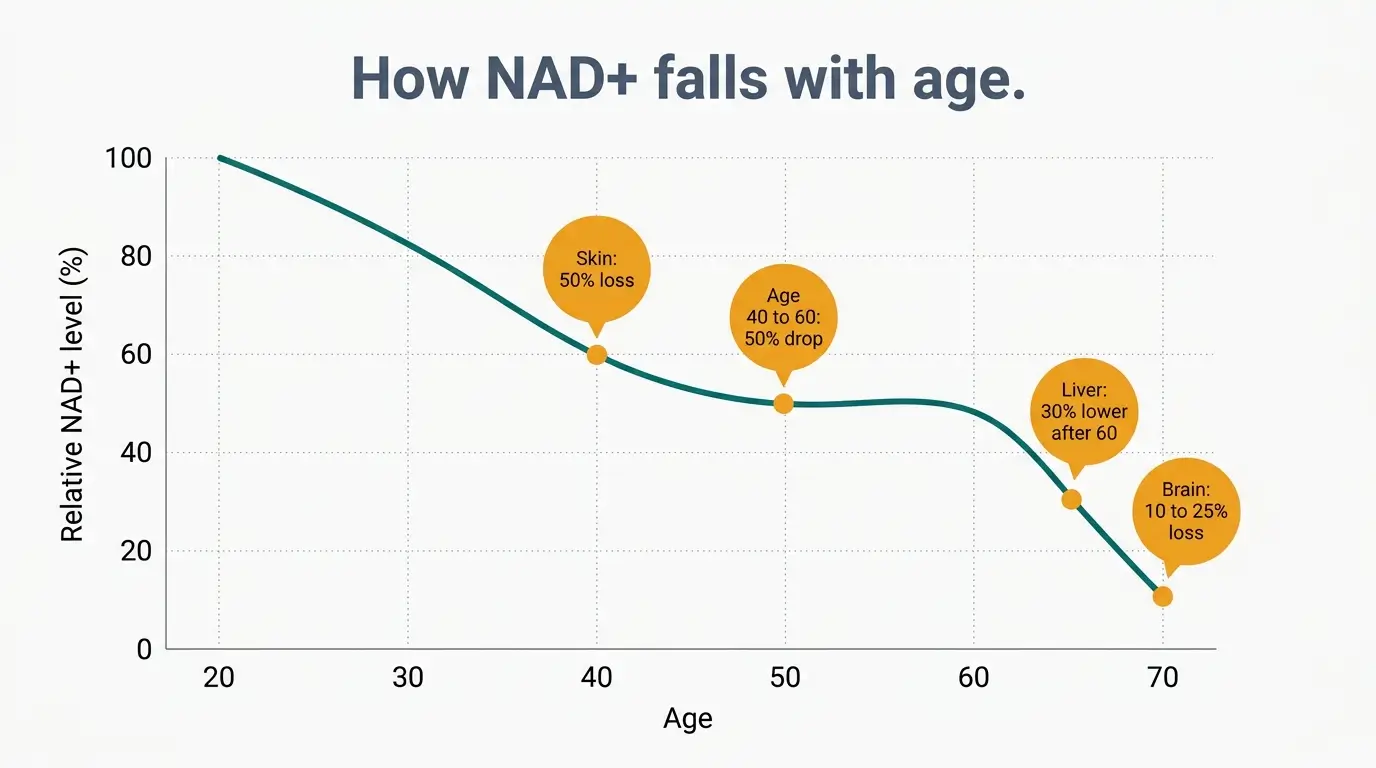
- NAD+ levels fall roughly 50% between ages 40 and 60 in human tissue samples [10].
- The decline hits different organs at different rates. Skin loses at least 50% of its NAD+ across adult aging [11].
- The liver in adults over 60 holds about 30% less NAD+ than livers under 45 [11].
- Brain tissue loses 10 to 25% from young adulthood to old age [11].
- Men lose NAD+ faster than women, particularly through middle age [12].
The drop accelerates because of a feedback loop. As cells age, CD38 activity rises, and CD38 burns through NAD+ to do its work. Less NAD+ means weaker mitochondria, more inflammation, more CD38 activation, and even less NAD+ [9].
What NMN Is and How It Becomes NAD+
NMN stands for nicotinamide mononucleotide. Structurally, NMN is a nicotinamide riboside molecule with a phosphate group attached [2].
That phosphate puts NMN one enzymatic step away from NAD+. The enzyme NMNAT (which adds an adenyl group to NMN) finishes the conversion to NAD+ [13].
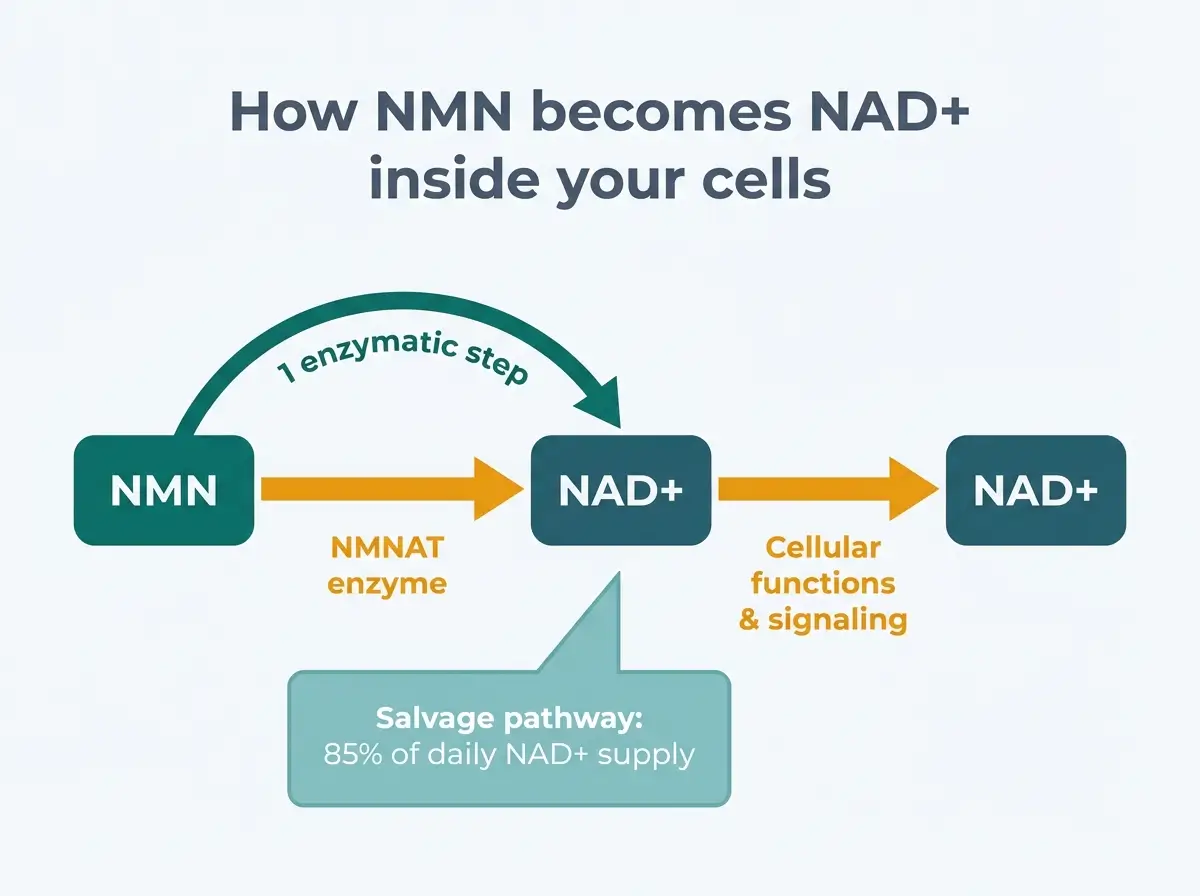
Most of your daily NAD+ supply comes from the salvage pathway, which recycles nicotinamide back into NMN and then into NAD+ [13].
The salvage pathway produces about 85% of the NAD+ your body uses [13]. NMN sits at the final step of this cycle, which is why oral NMN raises NAD+ so efficiently.
The Slc12a8 Transporter Discovery
In 2019, researchers identified Slc12a8 as a dedicated NMN transporter in the small intestine of mice. This transporter pulls NMN directly across the gut wall into circulation, no conversion required. Slc12a8 is roughly 100 times more active in the small intestine than in the brain or fat tissue, which explains why oral NMN absorbs so well [14].
Human replication of this finding is still pending, and a 2026 mechanistic review argued that NMN may need to convert to NR before crossing cell membranes in some tissues [15]. The debate matters for tissue-level dosing, but it does not change the consumer-facing fact. Oral NMN raises blood NAD+ in humans, and oral NAD+ does not [1, 5].
Bioavailability Showdown
Oral NAD+ fails for two reasons. The molecule weighs 663 daltons, which is large for gut absorption. It carries a charge that makes passive diffusion across cell membranes difficult.
Stomach acid and intestinal enzymes break it down before it reaches your bloodstream. Less than 5% of an oral NAD+ dose survives [1].
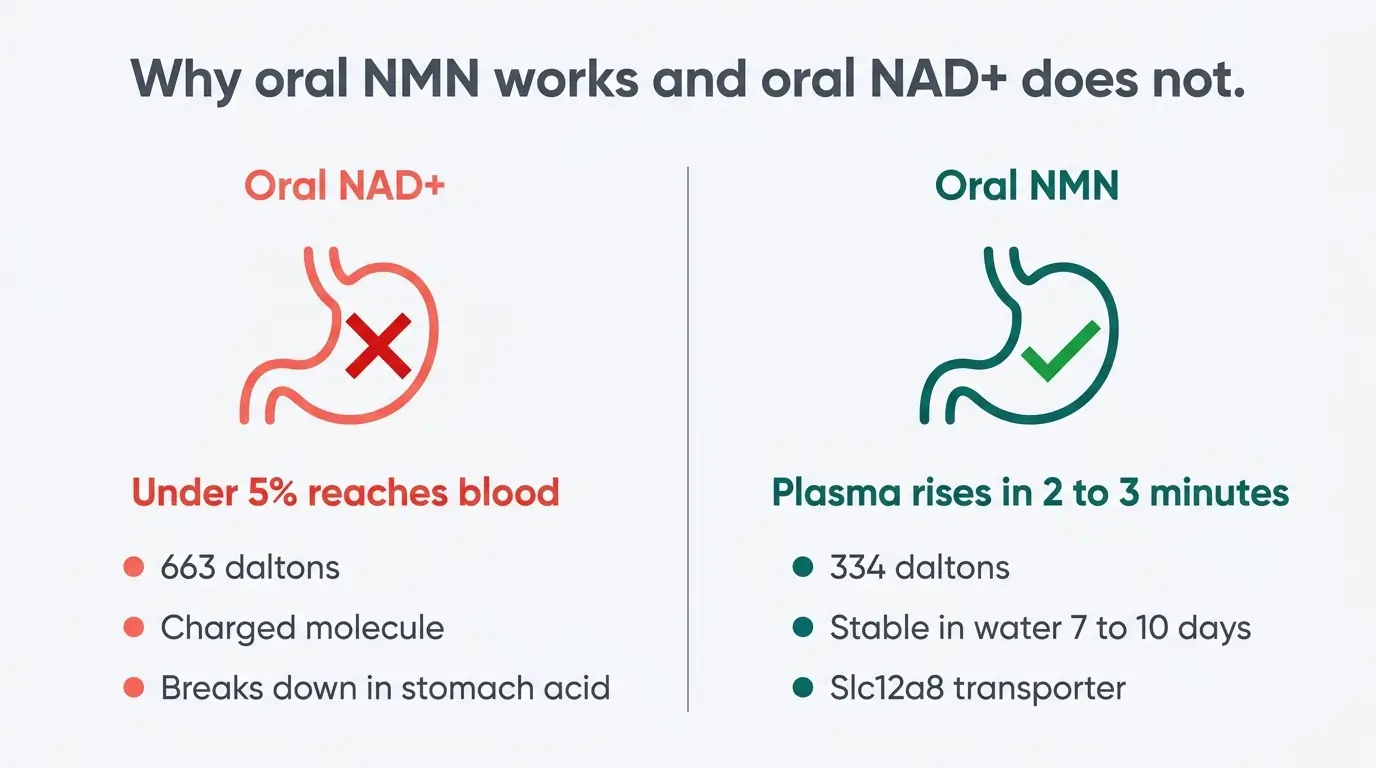
NMN works orally because it is smaller (334 daltons) and stable in water. NMN stays 93 to 99% intact at room temperature in solution for 7 to 10 days [2].
Animal studies show plasma NMN rises within 2 to 3 minutes of oral dosing, and liver NAD+ climbs within 15 to 30 minutes [2].
Human pharmacokinetic trials confirm the pattern. In a 2022 randomized trial of healthy adults, 1,250 mg of oral NMN raised whole-blood NAD+ within hours and sustained the increase across four weeks [16].
What Clinical Trials Actually Show
Human evidence for NMN is strongest in three areas.
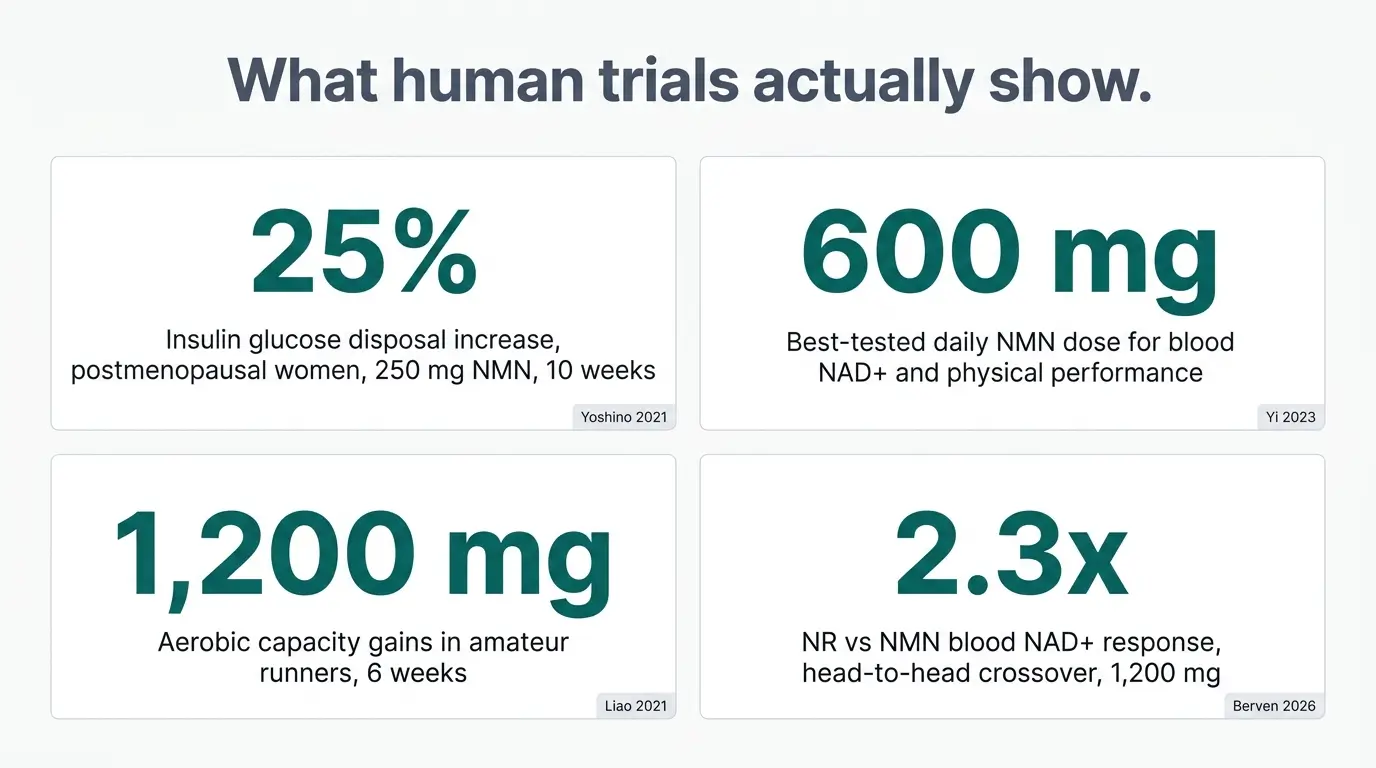
- In a 2021 randomized controlled trial of postmenopausal women with prediabetes, 250 mg of NMN daily for 10 weeks increased insulin-stimulated glucose disposal by 25%. The trial documented increased AKT and mTOR activity (two cellular signals that switch on insulin sensitivity) in skeletal muscle, which signals better insulin sensitivity at the cellular level [17].
- In a 2021 trial of 48 amateur runners, 300 to 1,200 mg of NMN per day for six weeks improved aerobic capacity in a dose-dependent pattern. The 1,200 mg group showed the largest gains [18].
- In a 2023 multicenter trial of 80 middle-aged adults, 600 mg of NMN per day produced the highest blood NAD+ levels and the best physical performance scores. The 900 mg group did not gain meaningful additional benefit, which is why most clinicians now point to 600 mg as the practical ceiling [5].
Two head-to-head trials published in early 2026 complicated the story.
- The Berven crossover trial at Haukeland University Hospital (a pharmacokinetic study, meaning it measures how a compound moves through the body over time) gave six healthy adults 1,200 mg of either NMN or NR for eight days, with a washout between arms. NR raised whole-blood NAD+ by 161% from baseline. NMN raised it by 69%. After correcting for molecular weight, NR still produced about 2.3 times the NAD+ response of NMN [19].
- The Christen trial at Nestlé Research, published in Nature Metabolism, used a parallel-group design with 65 participants on 1,000 mg of NR, NMN, or nicotinamide for 14 days. Both NR and NMN raised blood NAD+ significantly, with NR roughly 15% higher than NMN, though the difference did not reach statistical significance [20].
What does this mean for you? The classic claim that NMN is the most bioavailable oral NAD+ precursor needs an asterisk in 2026. NMN clearly beats oral NAD+. NR may now beat NMN, particularly in the first week of supplementation [19].
NAD+ vs NMN on Cost
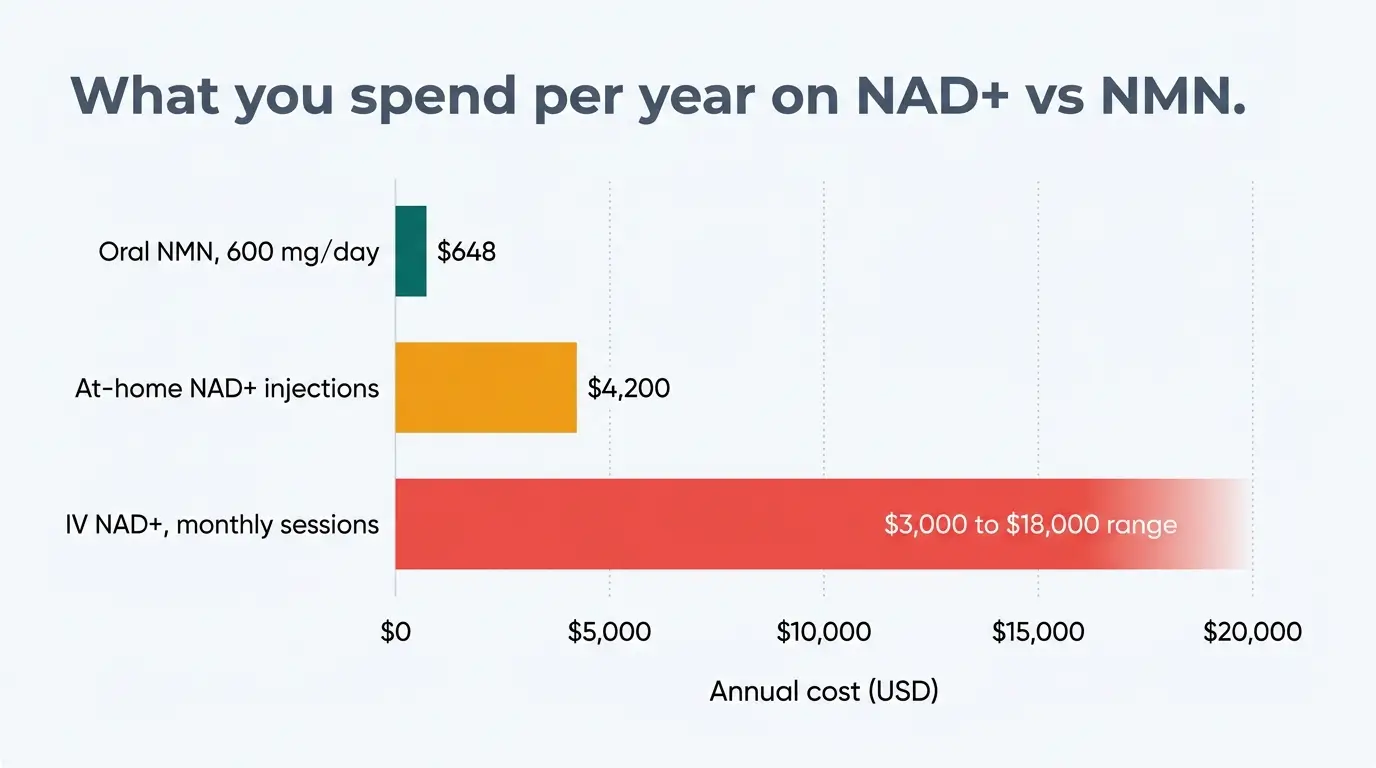
A 600 mg daily NMN dose at $3 per gram costs $54 per month, or $648 per year [6].
A single 500 mg IV NAD+ infusion costs $250 to $1,500 and the effect fades within days [3].
If you do one IV session per month, you spend $3,000 to $18,000 per year. If you do one per week, multiply by four.
| Option | Monthly cost | Annual cost |
|---|---|---|
| Oral NMN, 600 mg/day at $3/g [6] | $54 | $648 |
| IV NAD+, one 500 mg session/month [3] | $250 to $1,500 | $3,000 to $18,000 |
| At-home NAD+ injection kit, 20 doses [3] | About $350 | About $4,200 |
The cost gap is not subtle. For roughly the price of one mid-range IV session, you can run a year of oral NMN.
How to Take Each One
NMN dosing is straightforward.
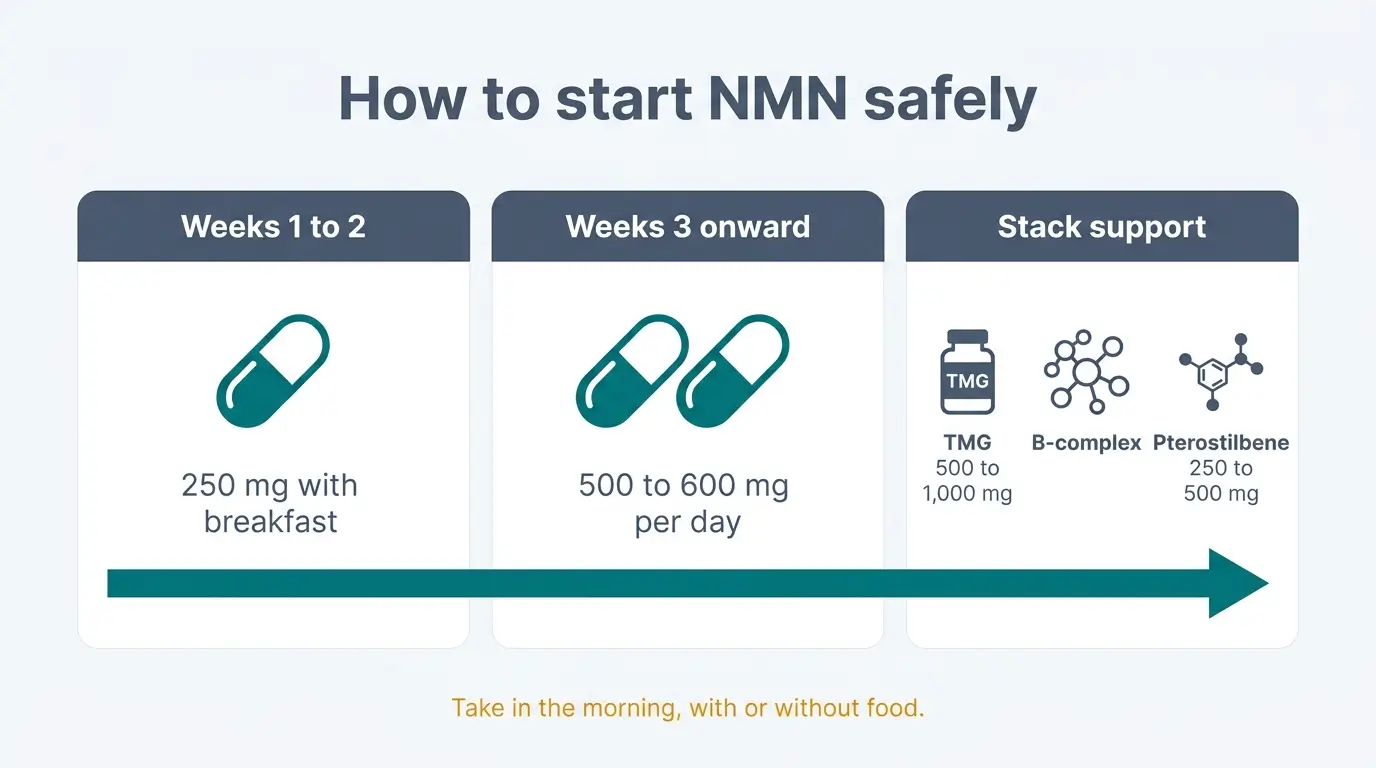
Start at 250 mg with breakfast. Hold at that dose for two weeks. If you tolerate it, move to 500 to 600 mg per day [5].
You can split the dose morning and midday, or take it all at once. Capsules and sublingual powders both work, and oral powder appears equivalent to capsules in human pharmacokinetic data [16].
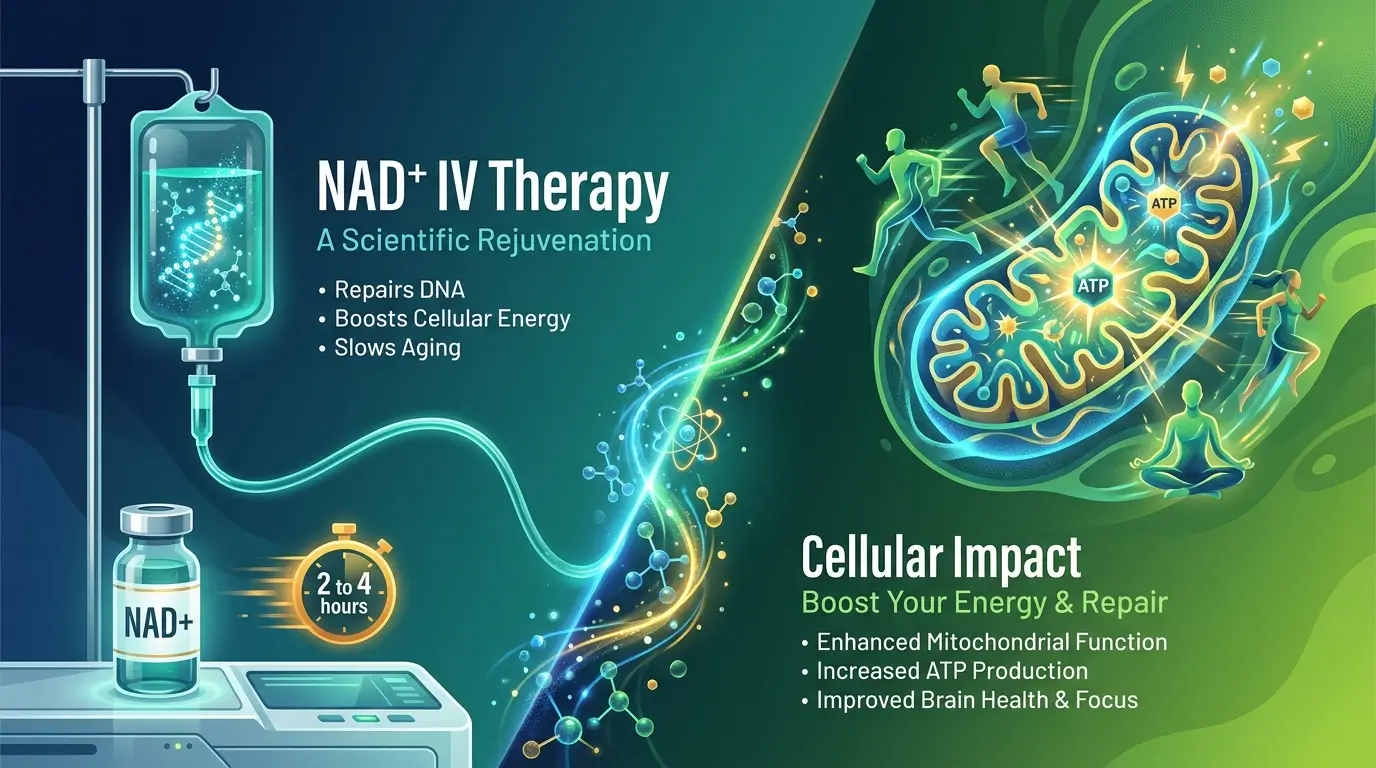
NAD+ dosing requires a clinic. Standard IV protocols deliver 250 to 1,000 mg over two to four hours. Subcutaneous injections deliver 50 to 200 mg every one to two weeks [3].
Oral NAD+ has no validated effective dose because the molecule does not survive digestion [1].
Pair NMN with TMG. NMN supplementation pulls on your methyl donor pool (the body’s reserve of methyl groups, small chemical tags used in detoxification, DNA regulation, and amino acid metabolism) because the salvage pathway methylates excess nicotinamide before excretion [21].
Trimethylglycine (TMG = a methyl donor found in beets and spinach) replenishes that pool. A daily dose of 500 to 1,000 mg of TMG alongside NMN keeps the cycle running [22].
Side Effects and Safety
NMN side effects are mild for most users.
The 2022 randomized trial of 1,250 mg per day for four weeks reported no serious adverse events in healthy adults [16].
The most common complaints from real-world users are nausea, mild bloating, and occasional headaches in the first one to two weeks [23].
Taking NMN with food helps.
NAD+ IV side effects run heavier. During infusion, you may feel flushing, chest pressure, nausea, and shortness of breath [24].
A commercial precision-medicine lab (Jinfiniti) reported that up to 70% of IV NAD+ recipients in their dataset show a 3 to 10 fold rise in high-sensitivity C-reactive protein, a systemic inflammation marker [25].
Independent peer-reviewed replication is still pending, so weight that figure as preliminary.
Drug interactions matter for both. NAD+ supplements at doses above 2 grams per day can amplify blood pressure medications and cause dangerous drops in blood pressure [26].
Niacin-based NAD+ boosters can interfere with warfarin [26].
NMN may affect endothelial function and blood flow, which is relevant if you take anticoagulants [27].
Who Should Not Take NMN or NAD+
- Skip both if you are pregnant or nursing.
- Skip both if you have active or recent cancer, because NAD+ fuels cellular metabolism in cancer cells as readily as in healthy cells. The cancer risk in humans is theoretical, not proven, but the precaution is reasonable until oncology data catches up [28].
- Skip both if you have liver or kidney disease without a specialist’s clearance [23].
- If you take warfarin, insulin, metformin, or blood pressure medication, talk to your prescriber before adding either supplement [26].
Is NMN FDA Approved in 2026?
NMN’s legal status flipped twice in four years, and the 2026 picture is finally settled.
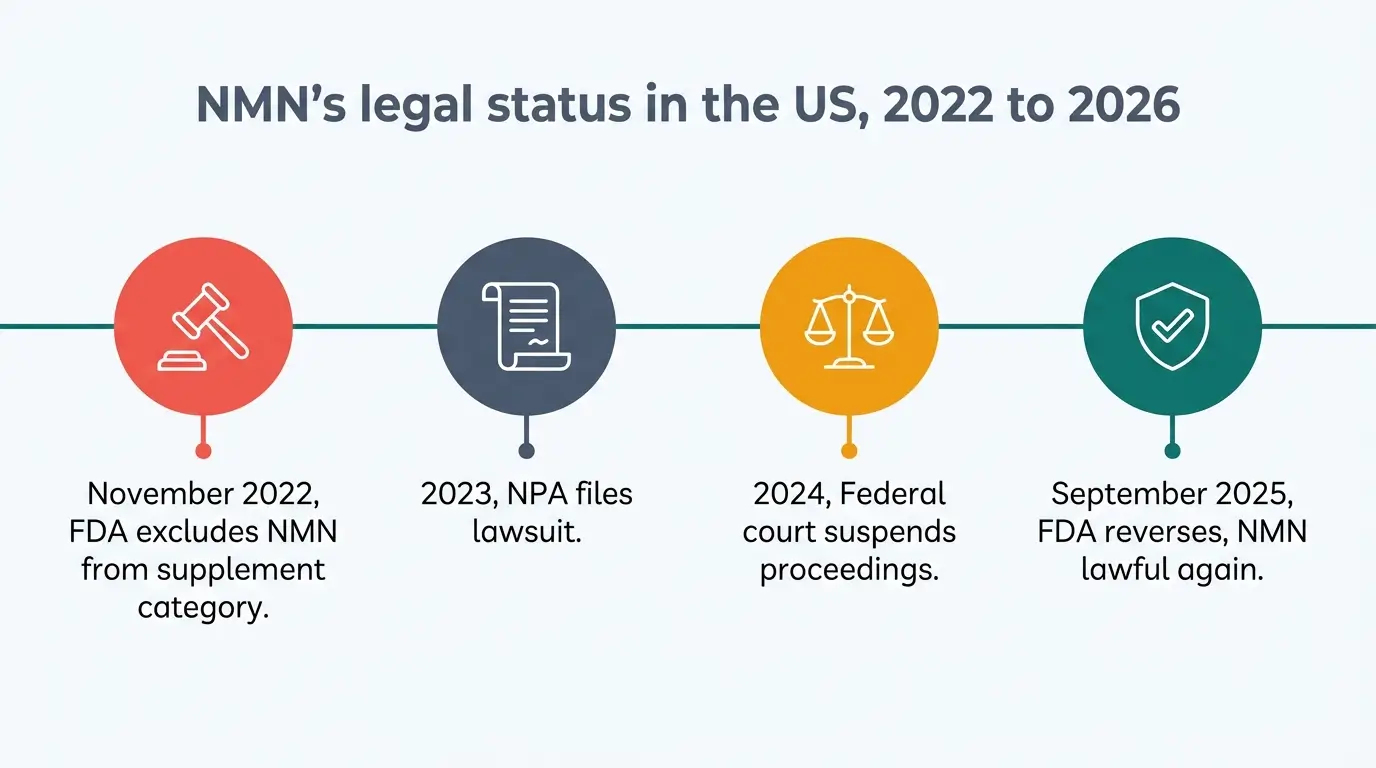
In November 2022, the FDA excluded NMN from the dietary supplement category because a pharmaceutical company had filed it as an Investigational New Drug (a regulatory category for compounds being studied as potential prescription medications) [7].
The Dietary Supplement Health and Education Act blocks any compound under active drug investigation from also being sold as a supplement [7].
The Natural Products Association sued the FDA in 2023 [29].
In September 2025, the FDA reversed course in two letters, confirming that NMN is lawful for sale as a dietary supplement [7]. Major retailers, including Amazon, restored NMN listings within weeks [29].
In 2026, you can buy NMN legally in the United States. Europe still treats NMN as a novel food requiring authorization, and China regulates it as a health food ingredient [30].
Can You Take NMN and NAD+ Together?
You can, but the value is small for most users. NMN already converts to NAD+ inside your cells [2].
Adding direct NAD+ on top duplicates the goal at a much higher cost [3]. The combination might help in two narrow cases.
If you want a fast IV NAD+ boost ahead of a competition or recovery period, you can layer it with daily NMN [3]. If your gut absorption is impaired, IV NAD+ bypasses that problem, while NMN supports baseline maintenance [1].
A more useful stack pairs NMN with co-factors. NMN plus 500 to 1,000 mg of TMG plus a B-complex covers methyl donor demand [22].
Adding 250 to 500 mg of pterostilbene or trans-resveratrol activates sirtuins, which use NAD+ as a substrate [31].
This is the stack most longevity-focused clinicians recommend in 2026.
What to Look for in an NMN Supplement
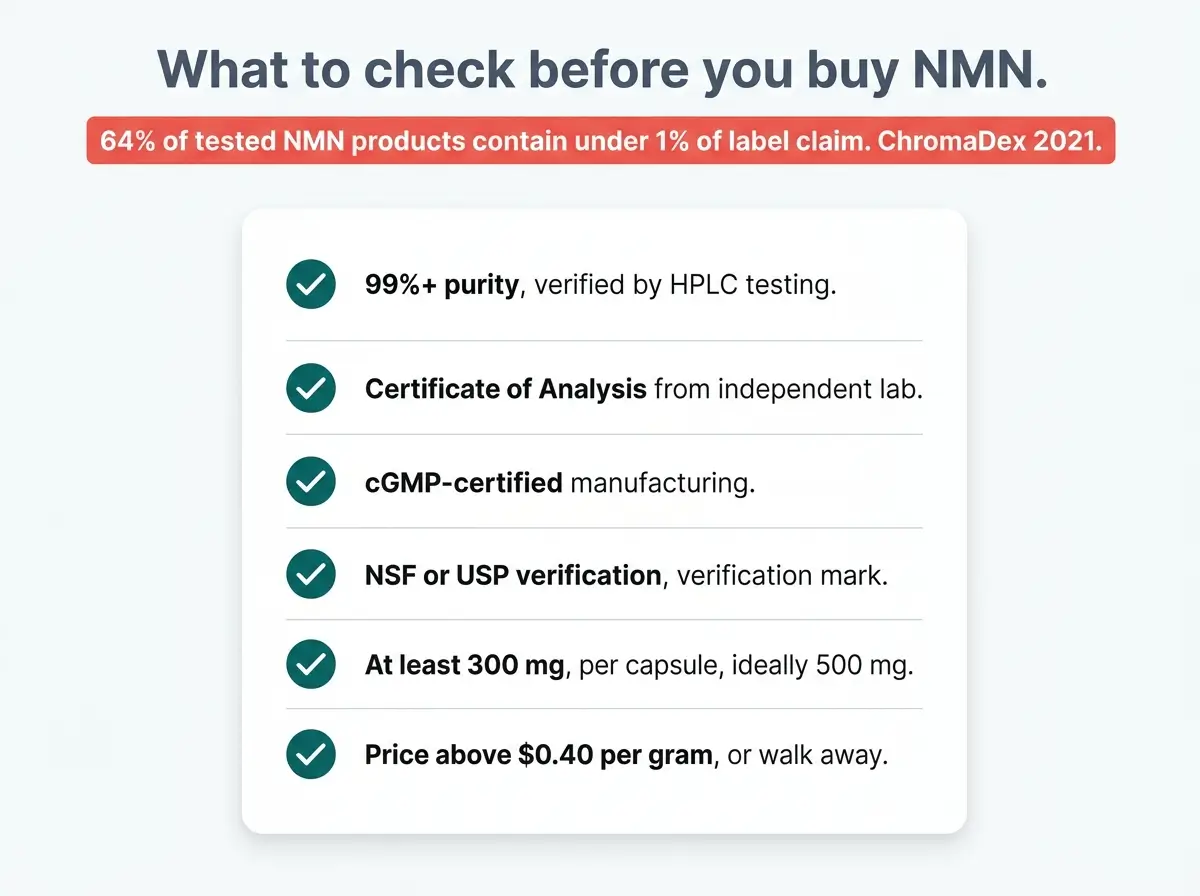
Quality varies wildly. A 2021 commercial analysis by ChromaDex tested 22 NMN products and found that 14 of them (64%) contained less than 1% of the NMN listed on the label. Some products had zero detectable NMN. [32]
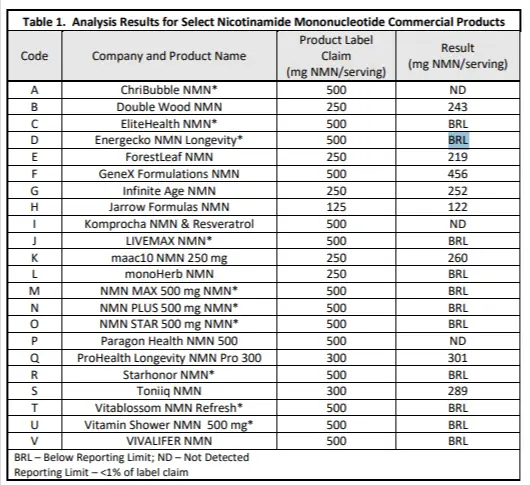
A 2024 follow-up review found actual NMN content ranging from 28.6% over the label claim to undetectable [33].
Use this checklist before you buy.
- Look for 99% or higher purity verified by HPLC testing (high-performance liquid chromatography, the standard lab method for measuring NMN content) [34].
- Demand a Certificate of Analysis from an independent lab, dated within 12 months and matched to the batch you receive.
- Check for cGMP-certified manufacturing and either NSF International or USP verification marks [35].
- Require at least 300 mg of NMN per capsule, ideally 500 mg.
- Walk away from products priced under $0.40 per gram, because pharmaceutical-grade NMN synthesis costs more than that to produce [35].
- Confirm the brand publishes third-party testing publicly, ideally via QR code or a downloadable PDF.
NAD+ vs NMN vs NR, the Three-Way Comparison
NR (nicotinamide riboside) sits one step further upstream than NMN in the salvage pathway [13].
NR enters cells via equilibrative nucleoside transporters (proteins that move small molecules across cell membranes), then converts to NMN inside the cell, then to NAD+ [15].
NR also inhibits CD38, the enzyme that degrades NAD+, which means NR may both raise and preserve NAD+ levels [15].
The 2026 Berven trial showed NR raising blood NAD+ 2.3 times more than NMN at the same gram dose [19].
The 2026 Christen trial showed a smaller 15% advantage that did not reach statistical significance. Both trials point in the same direction, even when their conclusions differ in strength [19, 20].
For 2026, the strongest evidence-based oral stack for raising NAD+ is NR plus NMN, with TMG to support methylation [15, 22].
For pure cost-efficiency, NMN alone at 600 mg per day still delivers measurable NAD+ gains and clinical benefits [5, 17].
Recommended NMN Supplements
Recommended NAD+ and NMN Supplements
Ten options across four categories: oral NMN, oral NR, liposomal or liquid formats, and injectable NAD+. Ranked by ingredient transparency, third-party testing, dose per serving, and clinical evidence weight.
-
Editor’s Pick
1
Nootropics Depot NMN Tablets
Oral NMN- Per-batch COA
- HPLC tested
- 99%+ purity
- cGMP
125 mg or 250 mg tablets with stable, lab-verified NMN. The brand also sells NAD+, NADH, and NR, which lets you stack precisely. Best for buyers who want full transparency and published lab proof.
Shop Now -
2
Perpetua Life AEON Complex
NAD+ Complex- 11-ingredient stack
- GMP-certified
- Money-back guarantee
Combines nicotinamide, resveratrol, fisetin, quercetin, and astragalus in one capsule. Best if you want NAD+ support plus sirtuin activation and senolytic compounds in a single product, no stacking needed.
Shop Now -
3
Tru Niagen Nicotinamide Riboside
Oral NR- Patented Niagen
- FDA NDI-notified
- GRAS status
- 25+ human studies
300 mg of clinically studied NR chloride. The most peer-reviewed NR product on the market and the form used in the 2026 Berven trial that showed 2.3x greater NAD+ response than NMN at the same dose.
Shop Now -
4
StrongCell Liquid
Liquid NAD+- Sublingual format
- Third-party tested
- Made in USA
Liquid NAD+ designed for sublingual absorption, which bypasses some of the gut breakdown that limits oral NAD+. Best for users who cannot tolerate capsules or want faster onset than tablets.
Shop Now -
5
NextGenPeps Injectable NAD+
Injectable NAD+- Research-grade
- Third-party purity testing
- Cold-chain shipping
Injectable NAD+ for users who want IV-level bioavailability without clinic visits. Best for advanced users with prescriber oversight. Not a beginner option, and not a dietary supplement under FDA rules.
Shop Now -
6
partiQlar Pure NR Capsules
Oral NR- Single ingredient
- 99% purity
- Third-party tested
- No fillers
300 mg of pure NR per capsule with no proprietary blends or unnecessary additives. Best for purists who want clean NR without paying the patented Niagen premium. The brand also sells pure NAD+ capsules.
Shop Now -
7
Double Wood NMNH
Oral NMNH- Third-party tested
- COA available
- US-manufactured
Dihydro-NMN, the reduced form of NMN. Animal data suggests faster NAD+ uptake than standard NMN, but human clinical trial evidence is limited as of 2026. Best for early adopters comfortable with experimental formats.
Shop Now -
8
LifeCykel Liposomal NR+
Liposomal NR- Liposomal delivery
- Australian-made
- Third-party tested
NR encapsulated in phospholipid liposomes to improve cellular uptake. Best for users who want enhanced absorption without injections. Newer to market, with less long-term user data than Tru Niagen.
Shop Now -
9
Codeage Liposomal NR
Liposomal NR- Non-GMO
- Third-party tested
- Verified iHerb reviews
Liposomal NR in vegetable capsules, with a wider retail footprint than LifeCykel. Best for buyers who want liposomal delivery from a brand sold through major supplement retailers.
Shop Now -
10
Goli Renew NAD Gummies
NAD+ Gummies- Vegan
- Gluten-free
- Mass-market retail
Gummy format with NAD+ precursors and supporting vitamins. Best for users who refuse to take pills and accept lower per-serving doses than capsules. Lowest clinical-evidence tier on this list because of dose limits inherent to gummies.
Shop Now
How We Researched This
This guide draws on 28 peer-reviewed studies and clinical trials, 12 industry and regulatory reports, and 10 commercial competitor articles published between February 2020 and April 2026.
We prioritized randomized controlled human trials (n=9), pharmacokinetic studies in humans (n=4), and major review papers indexed in PubMed and PMC (n=11).
Selection criteria required English-language full-text access and either a controlled human trial or a peer-reviewed mechanistic paper. We used animal-only data for mechanism context only and labeled it as such.
Cost figures reflect US retail prices captured between January and April 2026 across Amazon, brand websites, and IV clinic published rate cards in Los Angeles, New York, Miami, Austin, and Seattle. Dose recommendations match the upper bounds tested safely in human trials, not theoretical maximums.
The Verdict on NAD+ vs NMN
For daily oral supplementation, NMN wins on bioavailability, cost, convenience, and clinical evidence. Direct oral NAD+ does not work [1].
IV NAD+ works, but it costs 50 to 100 times more per year than oral NMN and requires clinic visits [3].
- If you want a budget-friendly starting point, take 500 to 600 mg of NMN with breakfast plus 500 mg of TMG, and reassess after 90 days [5, 22].
- If you want the most aggressive oral NAD+ raise the 2026 evidence supports, run NR plus NMN together [19].
- If you want the fast effects of IV NAD+ for a specific recovery window, book it as a supervised protocol, not a routine [3].
The NAD+ vs NMN debate has a practical answer for most people. Save the NAD+ infusions for short, supervised protocols. Take NMN every day.
Frequently Asked Questions
Citations
- [1] Poljšak, B., et al. (2022). “Current Uncertainties and Future Challenges Regarding NAD+ Boosting Strategies”. Antioxidants, 11(9), 1637.
- [2] Shade, C. (2020). “The Science Behind NMN, A Stable, Reliable NAD+ Activator and Anti-Aging Molecule”. Integrative Medicine, 19(1), 12-14.
- [3] Gerrity, M. (2025). “Cost of NAD Injections in 2025”. Vaccine Alliance.
- [4] Xie, N., et al. (2020). “NAD+ Metabolism: Pathophysiologic Mechanisms and Therapeutic Potential”. Signal Transduction and Targeted Therapy, 5(1), 1-37.
- [5] Yi, L., et al. (2023). “The Efficacy and Safety of β-Nicotinamide Mononucleotide Supplementation in Healthy Middle-Aged Adults”. GeroScience, 45, 29-43.
- [6] Innerbody Research. (2026). “Best NAD Supplement”. Innerbody.
- [7] Venable LLP. (2025). “FDA Declares Nicotinamide Mononucleotide Is a Dietary Supplement”. Venable Insights.
- [8] Covarrubias, A. J., et al. (2020). “NAD+ Metabolism and Its Roles in Cellular Processes During Ageing”. Nature Reviews Molecular Cell Biology, 22(2), 119-141.
- [9] Camacho-Pereira, J., et al. (2016). “CD38 Dictates Age-Related NAD Decline and Mitochondrial Dysfunction”. Cell Metabolism, 23(6), 1127-1139.
- [10] Massudi, H., et al. (2012). “Age-Associated Changes in Oxidative Stress and NAD+ Metabolism in Human Tissue”. PLoS ONE, 7(7), e42357.
- [11] Yusri, K., et al. (2025). “The Role of NAD+ Metabolism and Its Modulation of Mitochondria in Aging and Disease”. NPJ Metabolic Health and Disease, 3(1), 1-25.
- [12] Clement, J., et al. (2019). “The Plasma NAD+ Metabolome Is Dysregulated in Normal Aging”. Redox Biology, 28, 101194.
- [13] Su, M., et al. (2024). “Mechanisms of the NAD+ Salvage Pathway in Enhancing Skeletal Muscle Function”. Frontiers in Cell and Developmental Biology, 12, 1464815.
- [14] Grozio, A., et al. (2019). “Slc12a8 Is a Nicotinamide Mononucleotide Transporter”. Nature Metabolism, 1(1), 47-57.
- [15] Kropotov, A., et al. (2021). “Equilibrative Nucleoside Transporters Mediate the Import of Nicotinamide Riboside and Nicotinic Acid Riboside Into Human Cells”. International Journal of Molecular Sciences, 22(3), 1391.
- [16] Okabe, K., et al. (2022). “Oral Administration of Nicotinamide Mononucleotide Is Safe and Efficiently Increases Blood NAD+ Levels in Healthy Subjects”. Frontiers in Nutrition, 9, 868640.
- [17] Yoshino, M., et al. (2021). “Nicotinamide Mononucleotide Increases Muscle Insulin Sensitivity in Prediabetic Women”. Science, 372(6547), 1224-1229.
- [18] Liao, B., et al. (2021). “Nicotinamide Mononucleotide Supplementation Enhances Aerobic Capacity in Amateur Runners”. Journal of the International Society of Sports Nutrition, 18, 54.
- [19] Berven, H., et al. (2026). “The NAD-Brain Pharmacokinetic Study of NAD Augmentation in Blood and Brain Using Oral Precursor Supplementation”. iScience, 114764.
- [20] Christen, S., et al. (2026). “The Differential Impact of Three Different NAD+ Boosters on Circulatory NAD and Microbial Metabolism in Humans”. Nature Metabolism, 1-12.
- [21] Hwang, E. S., & Song, S. B. (2020). “Possible Adverse Effects of High-Dose Nicotinamide: Mechanisms and Safety Assessment”. Biomolecules, 10(5), 687.
- [22] Vaccaro, J. A., & Naser, S. A. (2021). “The Role of Methyl Donors of the Methionine Cycle in Gastrointestinal Infection and Inflammation”. Healthcare, 10(1), 61.
- [23] Nadeeshani, H., et al. (2022). “Nicotinamide Mononucleotide as an Anti-Aging Health Product, Promises and Safety Concerns”. Journal of Advanced Research, 37, 267-278.
- [24] BioRestore Health. (2024). “What Is NAD IV Therapy: Process, Benefits and Risks”. BioRestore Health.
- [25] Jinfiniti Precision Medicine. (2024). “NAD IV Therapy Side Effects”. Jinfiniti.
- [26] Health.com. (2025). “Medications Not to Mix With NAD”. Health.
- [27] Longevity Technology. (2024). “8 Facts About NMN Side Effects, From Mild to Severe”. Longevity Technology.
- [28] Palmer, R. D., & Vaccarezza, M. (2021). “Nicotinamide Adenine Dinucleotide and the Sirtuins Caution: Pro-Cancer Functions”. Aging Medicine, 4(4), 337-344.
- [29] Natural Products Association. (2025). “Amid Pressure From NPA, FDA Declares NMN Lawful in Dietary Supplements”. NPA News.
- [30] ProVita Biotech. (2026). “NMN Regulatory Status 2026: USA, EU and China”. ProVita Biotech.
- [31] Bonkowski, M. S., & Sinclair, D. A. (2016). “Slowing Ageing by Design: The Rise of NAD+ and Sirtuin-Activating Compounds”. Nature Reviews Molecular Cell Biology, 17(11), 679-690.
- [32] ChromaDex. (2021). “Quantitative Analysis of 22 NMN Consumer Products”. ChromaDex Corp.
- [33] Yang, F., et al. (2024). “Quality Analysis of Commercial NMN Supplements”. PMC.
- [34] Simply Nootropics. (2024). “How to Know if NMN Is Pure”. Simply Nootropics.
- [35] Jinfiniti Precision Medicine. (2024). “How to Choose the Best NMN”. Jinfiniti.