
How to Live Longer: 21 Science-Backed Habits That Add Years to Your Life
Practical, evidence-based habits used by Blue Zone centenarians, distilled into a routine you can start this week.
Enjoying this article?Add FoodNourish as a preferred source on Google and see our research-backed guides more often in your search results.
The average American lives 78.5 years [1].
The average Japanese citizen lives 84 years [2].
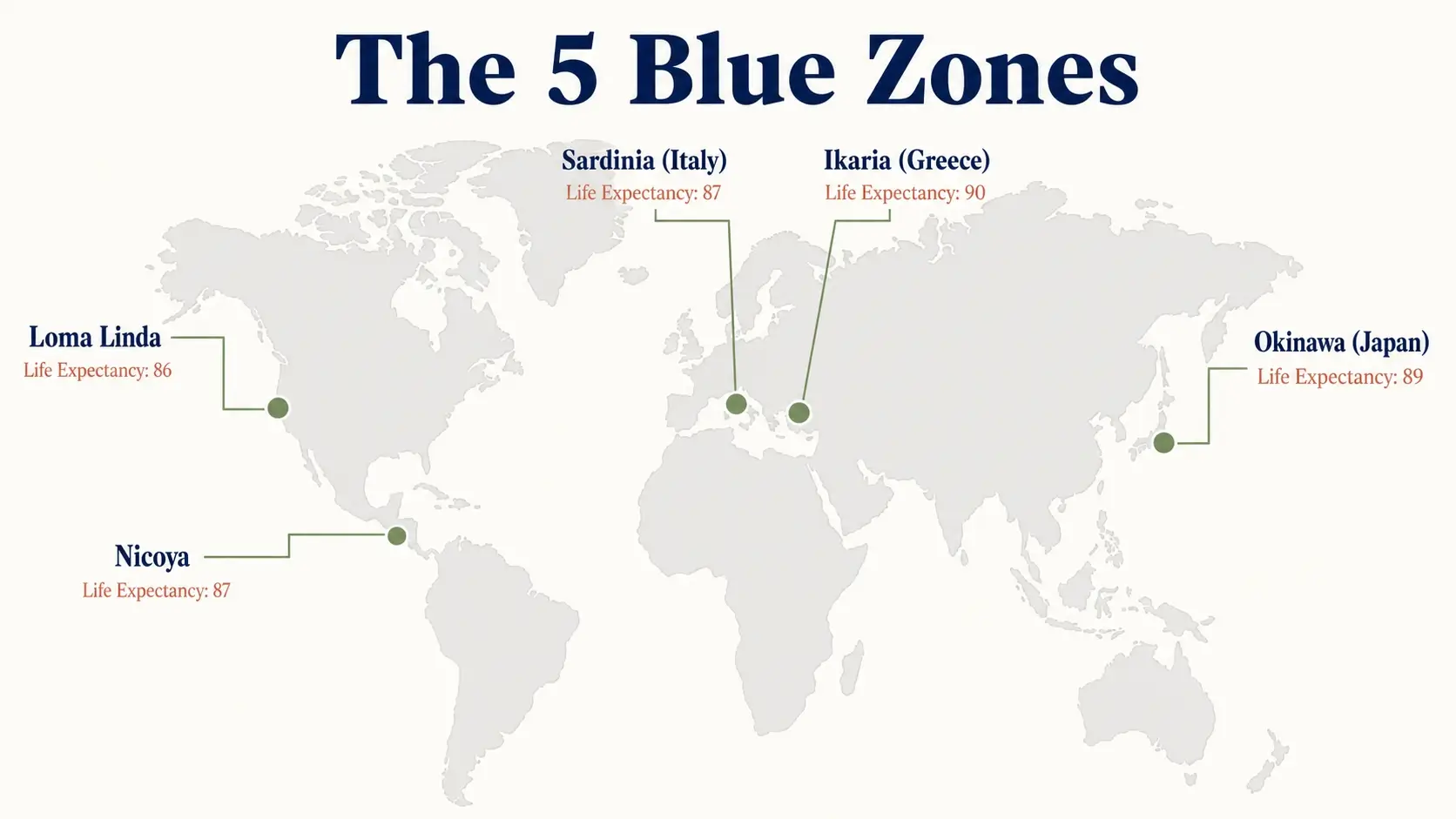
In Okinawa, reaching 100 happens often enough that researchers labeled the region a Blue Zone, one of five places worldwide where centenarians cluster at 10 times the global rate [3].
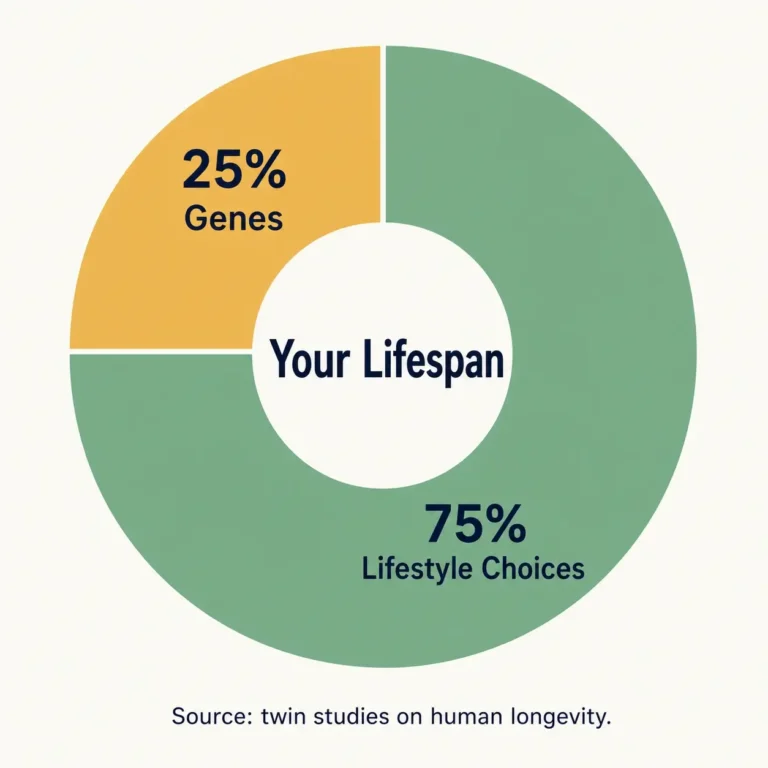
That 5.5-year gap between the US and Japan is not genetic luck. About 25% of your lifespan comes from genes; the other 75% comes from daily choices [4].
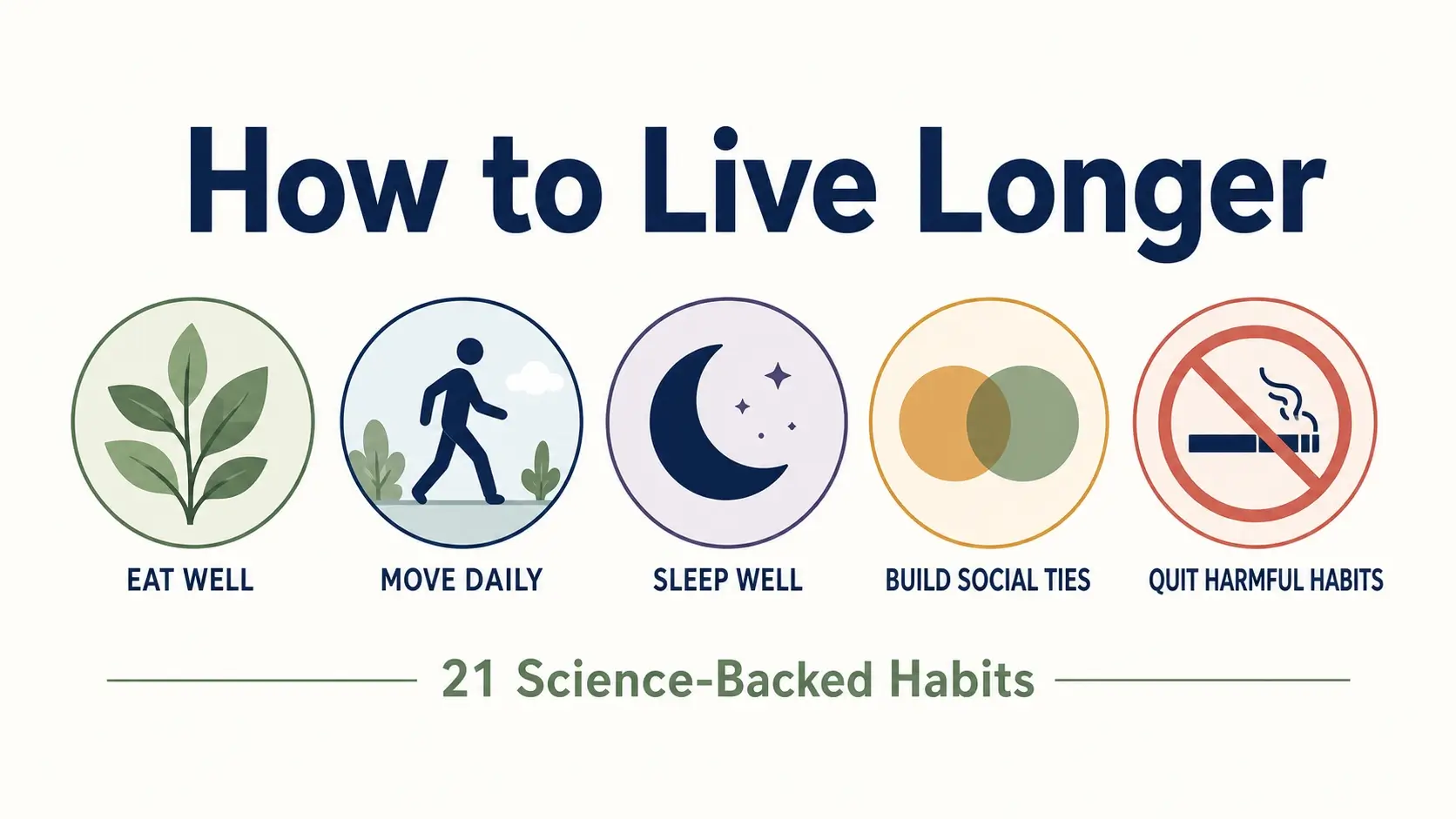
This guide shows you how to live longer through 21 habits that science links to extended lifespan. Every claim includes a study, a number, and a clear action. Pick three habits from this list, start this week, and stack from there.
What Actually Determines How Long You Live
Genes set the ceiling. Lifestyle decides where you land under it. Researchers studying twins estimate genetic contribution to longevity at roughly 20 to 30%, leaving 70 to 80% to environment and behavior [4].
The current ceiling for humans sits at 115 to 120 years, a limit set by cellular aging mechanisms including telomere shortening (telomeres = protective caps on the ends of your chromosomes that shrink each time cells divide). [5]
Healthspan matters as much as lifespan. Living to 95 with a sharp mind and working knees beats living to 100 in a hospital bed. The habits below extend both.
Pillar 1: Eat Like the World’s Longest-Lived People
1. Follow a Mediterranean or Okinawan Diet
Women who closely followed a Mediterranean diet showed 23% lower all-cause mortality (death from any cause) across a 25-year study of 25,315 participants published in JAMA Network Open [6].
The pattern emphasizes vegetables, fruits, nuts, whole grains, legumes, fish, and olive oil, while keeping red and processed meat low.
The Okinawan version leans heavier on sweet potatoes, seaweed, soy, and green tea, with smaller portions of fish and almost no dairy [3].
Both diets share a core, plants first, healthy fats next, animal protein in moderation.
2. Practice Hara Hachi Bu, Stop at 80% Full
Okinawan elders recite “hara hachi bu” before meals, a Confucian instruction to eat until you are 80% full [3].
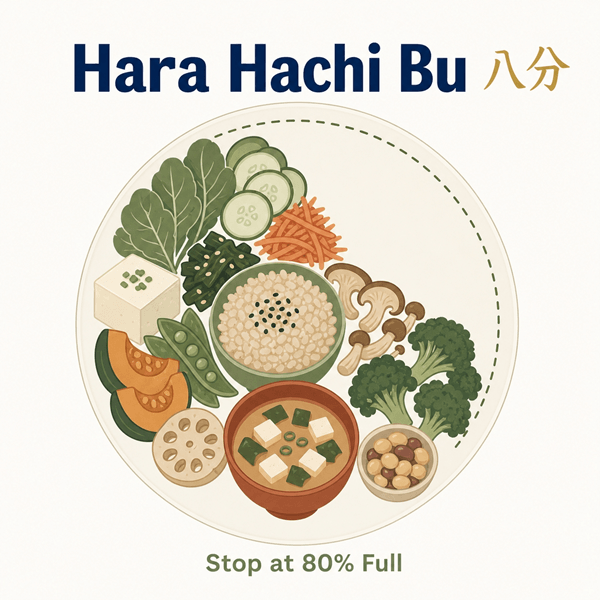
Eating roughly 20% fewer calories than you feel like consuming triggers the same metabolic pathways linked to extended lifespan in animal caloric-restriction studies, lower fasting insulin, lower inflammation, and lower oxidative damage [7].
You can apply it tonight. Use a smaller plate. Stop when you no longer feel hungry, before you feel full.
3. Eat More Plants, Less Processed Food
Five food categories show up in every Blue Zone diet – whole grains, leafy greens, tubers, nuts, and beans [3].
Beans alone correlate with a 7% to 8% reduction in mortality risk per daily serving across pooled cohort data [8].
Processed foods do the opposite. A 19-country study of 104,980 adults found each 10% increase in ultra-processed food intake raised all-cause mortality risk by 14% [9].
4. Use Herbs and Spices Instead of Salt
Indian cuisine relies on turmeric, ginger, cumin, and coriander instead of heavy salt. Curcumin, the active compound in turmeric, reduces markers of systemic inflammation by 16 to 22% in clinical trials [10].
Less sodium means lower blood pressure, and a 5 mmHg drop in systolic pressure cuts cardiovascular death risk by roughly 13% [11].
Swap salt for spice on at least one meal a day. Your blood vessels notice within weeks.
5. Eat Smaller Portions
The French eat butter, cheese, and pastry, yet record some of the lowest obesity and heart-disease rates in the developed world [12].
Average French portion sizes run 25% smaller than American equivalents at comparable restaurants [13]. Quality, served in moderation, beats quantity.
6. Stay Hydrated
A National Institutes of Health study tracking 11,255 adults across 30 years found that those with optimal hydration markers (serum sodium 135 to 142 mmol/L) developed chronic disease at lower rates and lived longer than poorly hydrated peers [14].
Aim for roughly 2 liters of fluid daily, more if you sweat or live in heat.
Pillar 2: Move With Purpose Every Day
This is where most longevity articles get vague. You will get specific numbers.
7. Walk 7,500 Steps a Day
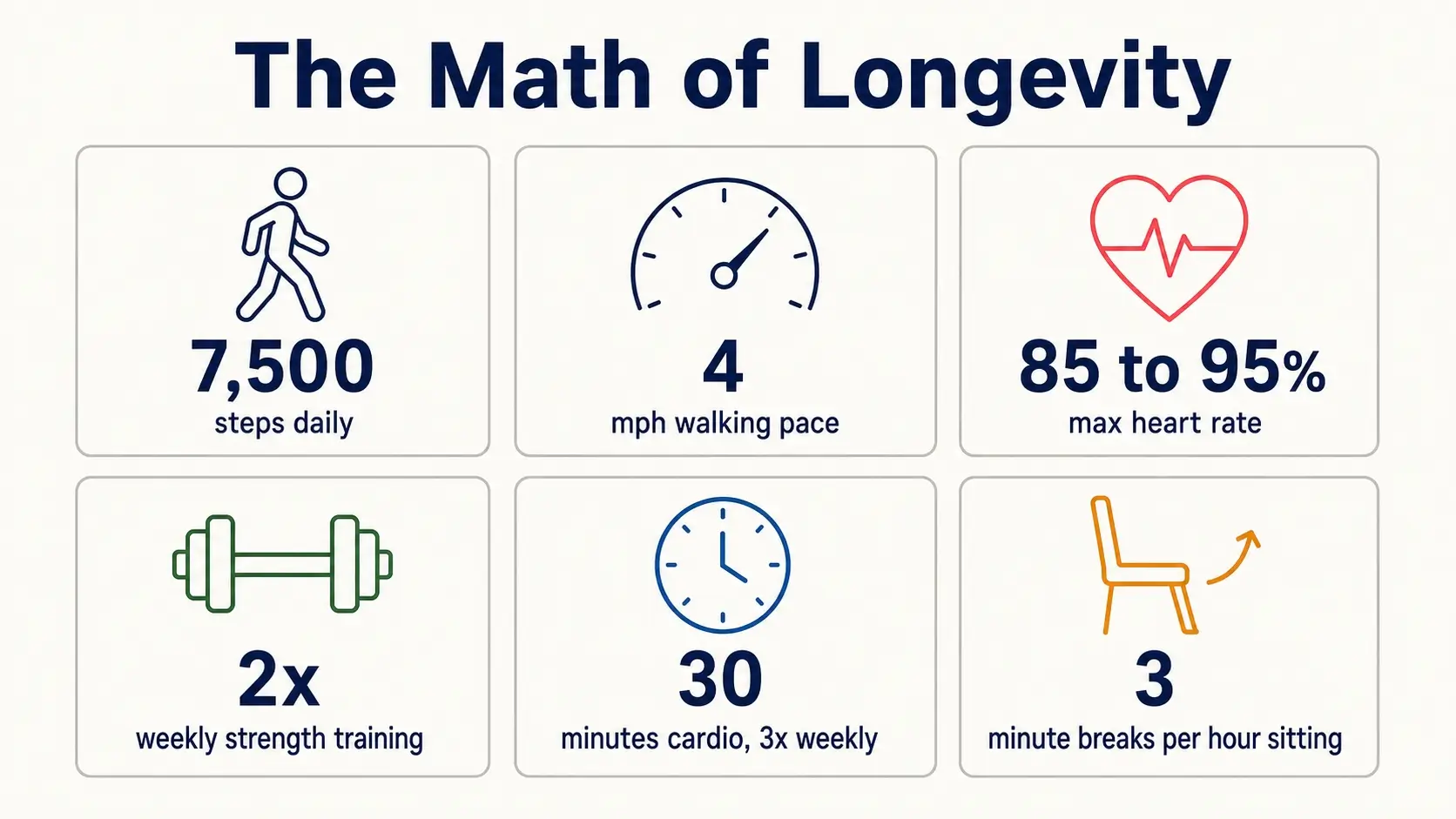
Harvard Medical School researchers tracking 16,741 older women found that 4,400 daily steps cut mortality risk by 41% compared to 2,700 steps [15].
Benefits kept rising until roughly 7,500 steps, where the curve flattened. You do not need 10,000.
8. Walk Fast, Around 4 mph
A University of Leicester study of 474,919 participants showed brisk walkers (4 mph or about 6.5 km/h) lived 15 years longer (women) and 20 years longer (men) than slow walkers under 3 mph [16].
Pace signals cardiovascular fitness, and cardiovascular fitness predicts mortality better than smoking or diabetes [17].
“Does that mean I have to power-walk every time I leave the house?” No. It means at least one of your daily walks should leave you slightly out of breath.
9. Do Cardio Three Times a Week, 30 Minutes
A meta-analysis of 32 studies in the International Journal of Obesity concluded that three weekly aerobic sessions of 30 minutes each effectively reduce visceral fat, the dangerous abdominal fat that drives cardiovascular risk [18].
More is fine. Less leaves benefits on the table.
10. Hit 85 to 95% of Max Heart Rate in Short Bursts
Research published in the British Journal of Sports Medicine showed brief intervals at 85 to 95% of max heart rate, lasting 30 to 60 seconds, improve respiratory capacity, diastolic blood pressure (the lower number on a blood pressure reading), and blood sugar control in overweight adults [19].
Subtract your age from 220 to estimate your max heart rate. A 50-year-old aims for 145 to 162 beats per minute during the burst.
11. Lift Weights Twice a Week
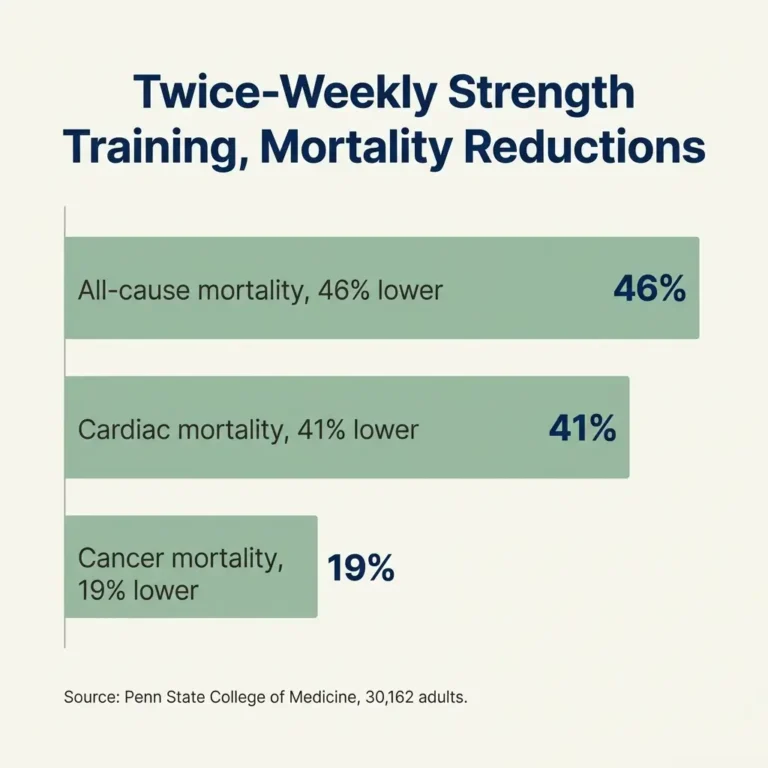
A Penn State College of Medicine study of 30,162 older adults found those who did strength training twice weekly had 46% lower all-cause mortality, 41% lower cardiac mortality, and 19% lower cancer mortality [20].
Muscle tissue declines about 3 to 8% per decade after 30 [21].
Resistance training reverses that loss.
You do not need a gym. Body-weight squats, push-ups, and resistance bands work.
12. Break Up Sitting With 3-Minute Movement Snacks
A Glasgow Caledonian University study reported that three minutes of light activity for every hour spent sitting reduced premature death risk by 30% in sedentary adults [22].
Set a timer. Stand, walk, or stretch every 60 minutes.
13. Cycle, Even One Hour a Week
The Dutch cycle 1,000 km per person annually on average [23].
A British Medical Journal cohort of 263,450 commuters found cycling to work cut all-cause mortality by 41%, cancer mortality by 45%, and cardiovascular mortality by 46% [24].
Even one hour of cycling weekly drops premature death risk by about 9% [24].
A strong body needs a rested one.
Pillar 3: Sleep, Stress, and Recovery
14. Sleep 7 to 9 Hours a Night
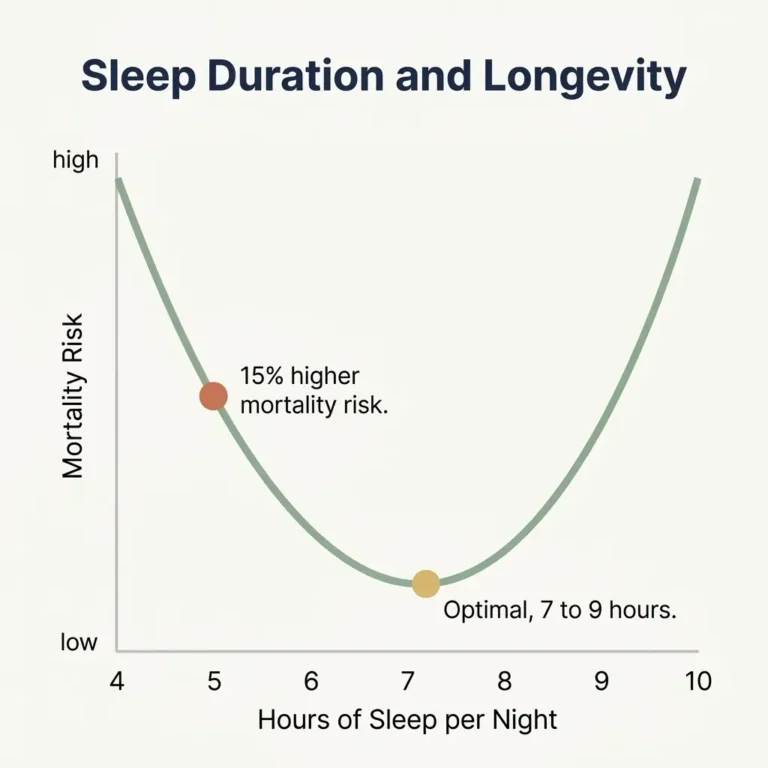
Adults who sleep less than 5 hours per night show a 15% higher all-cause mortality risk than those getting 7 to 8 hours, according to a meta-analysis of 1,382,999 participants in the journal Sleep [25].
Sleep clears metabolic waste from the brain, consolidates memory, and regulates the hormones controlling appetite and stress.
Set a fixed bedtime. Cool the room to 65 to 68°F. Kill screens 60 minutes before bed.
15. Take a Daily Nap
Spaniards built siesta into the workday for centuries.
A Harvard School of Public Health study of 23,681 Greek adults found regular nappers (30 minutes, three times weekly) had 37% lower coronary mortality than non-nappers [26].
Keep naps under 30 minutes and before 3 pm to avoid disrupting nighttime sleep.
16. Manage Stress With 10 Daily Minutes of Recovery
Chronic stress shortens telomeres, accelerating cellular aging [27].
A study in the Proceedings of the National Academy of Sciences found mothers with the highest perceived stress had telomeres equivalent to a decade of additional aging compared to low-stress peers [27].
Ten minutes of daily meditation, breathwork, or quiet walking measurably lowers cortisol (your main stress hormone) within 8 weeks [28].
17. Forgive and Drop Chronic Anger
Hostility scores in the top quartile predict a 19% higher risk of all-cause mortality and a 24% higher risk of cardiovascular death across pooled cohort data [29].
Forgiveness is not a moral exercise. It is a cardiovascular intervention.
Your body responds to your mind. Your mind responds to your tribe.
Pillar 4: Build Strong Social and Mental Ties
18. Build a Tight Social Circle
A meta-analysis of 148 studies covering 308,849 people in PLOS Medicine found strong social relationships increased survival odds by 50%, an effect comparable to quitting smoking and larger than the effect of exercise or healthy weight [30].
Loneliness raises mortality risk by 26% independently of other factors [30].
Call one friend today and schedule a recurring meal with someone who matters.
19. Find Your Ikigai
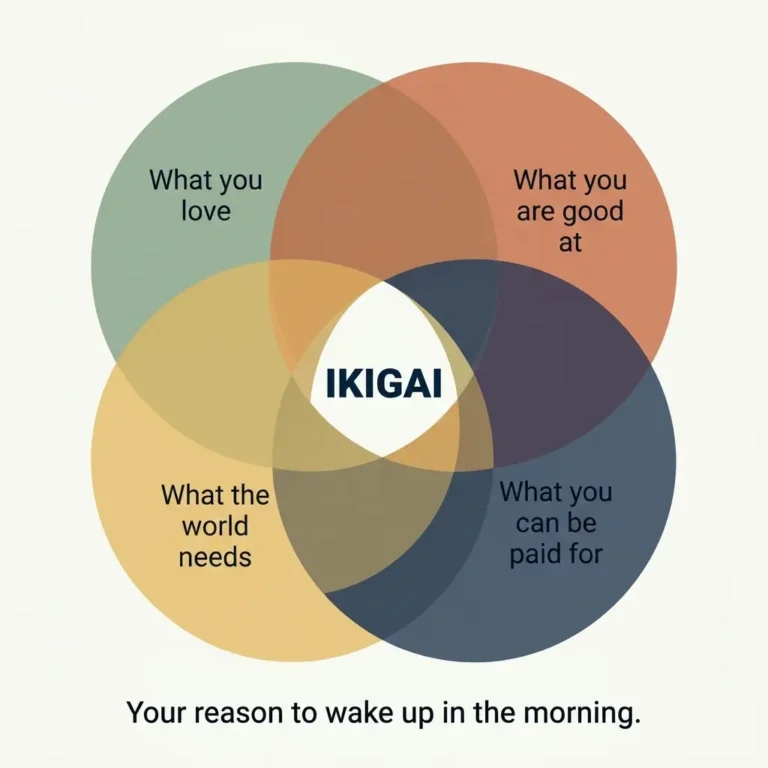
Ikigai = the Japanese concept of “the reason you wake up in the morning.”
A 13-year Japanese study of 73,272 adults found those reporting strong ikigai had 17% lower all-cause mortality and significantly lower stroke and cardiovascular death than those without [31].
Purpose can be a job, a craft, a person you care for, a hobby you pursue with discipline. The form matters less than the daily pull.
20. Stay Mentally Active
Cognitive engagement protects the brain. A Rush University study of 1,903 older adults found those in the top decile of cognitive activity had a 47% lower rate of Alzheimer’s disease over 5 years compared to the bottom decile [32].
Reading, puzzles, learning a language, playing an instrument, all qualify.
(Note: TV does not count. Passive screen time correlates with faster cognitive decline.)
21. Spend Time Across Generations and With Community
Intergenerational contact reduces depression and slows cognitive decline in older adults [33].
Religious or community group attendance correlates with a 33% reduction in mortality risk over 18 years across pooled cohort data [34].
The mechanism is social, not theological. Belonging beats isolation.
Habits add years. Avoiding the wrong ones adds decades.
The 4 Habits That Steal Years (Quit These)
Quit Smoking, At Any Age
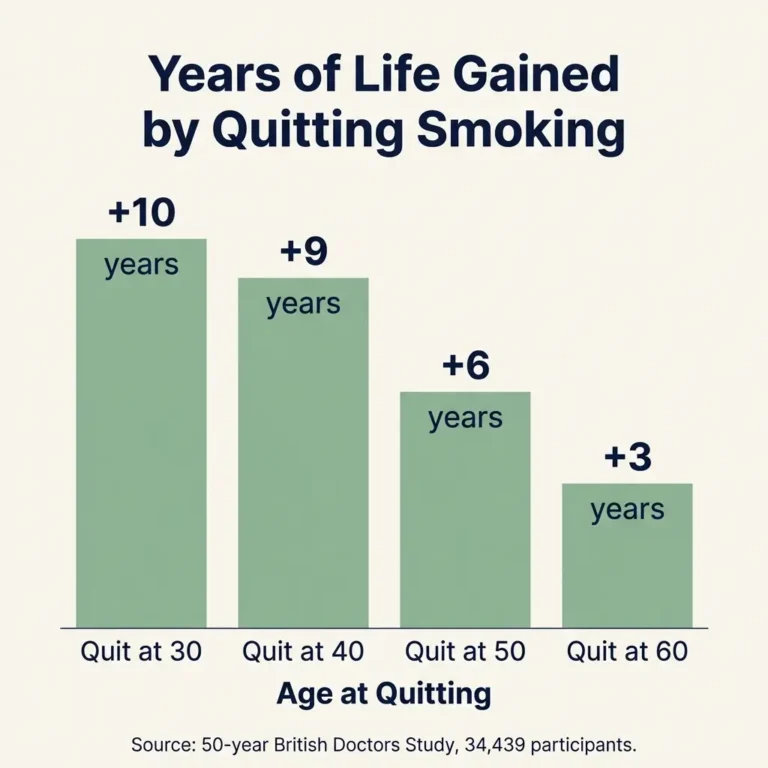
A 50-year British Doctors Study tracking 34,439 male physicians found that quitting smoking at age 30 added 10 years of life, at 40 added 9 years, at 50 added 6 years, and at 60 added 3 years [35].
No other single intervention adds a full decade.
Limit Alcohol
A Lancet meta-analysis of 599,912 drinkers found that consuming more than 100g of alcohol per week (roughly 7 standard drinks) raised all-cause mortality and shortened life expectancy by 1 to 2 years at moderate intake and 4 to 5 years at heavy intake [36].
The old “red wine is healthy” claim no longer holds at population level.
Maintain a Healthy BMI
A Johns Hopkins study of 6,200 adults across 8 years found that combining four habits cut 8-year mortality by 80% [37].
Those four, no smoking, a body mass index (BMI) under 25, 30 minutes of daily activity, and a Mediterranean diet. BMI is imperfect for athletes, but for the general population it remains the simplest weight-status indicator.
Wear Safety Gear
Accidents kill more Americans aged 1 to 44 than any disease [38].
Seatbelts cut crash fatality risk by 45% [39].
Bicycle helmets reduce head injury risk by 51% [40].
Longevity advice that ignores accident prevention misses one of the largest preventable causes of early death.
Life Expectancy and Signature Habit Per Country
| Country | Life Expectancy | Signature Habit |
|---|---|---|
| Japan | 84.0 [2] | Hara hachi bu, fish-and-vegetable diet |
| Spain | 83.2 [41] | Siesta, Mediterranean diet |
| Italy (Sardinia) | 83.0 [41] | Goat dairy, walking hilly terrain, family meals |
| France | 82.5 [41] | Small portions, slow eating, wine in moderation |
| Greece (Ikaria) | 81.1 [3] | Olive oil, naps, herbal teas, social meals |
| Costa Rica (Nicoya) | 80.8 [3] | Beans, squash, corn, strong faith and family |
| Netherlands | 81.7 [41] | Daily cycling |
| United States | 78.5 [1] | Sedentary work, processed food |
A 30-Day Starter Plan
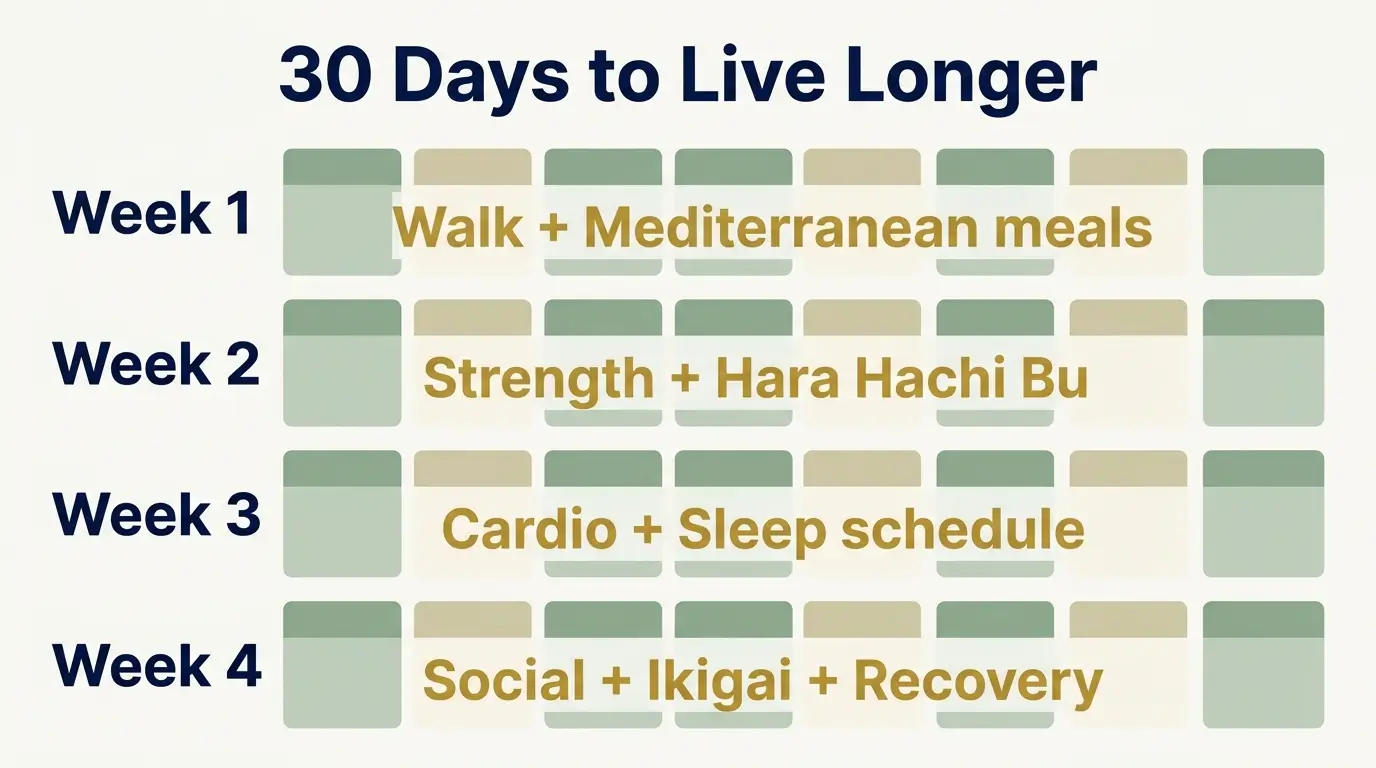
- Week 1: Hit 7,500 steps daily. Replace one ultra-processed meal per day with a Mediterranean plate (vegetables, olive oil, fish or beans, whole grain).
- Week 2: Add two 30-minute strength sessions. Start hara hachi bu, stop eating at 80% full.
- Week 3: Add three 30-minute cardio sessions. Set a fixed bedtime, aim for 7.5 hours of sleep. Include one brisk walk where you cannot easily hold a conversation.
- Week 4: Schedule two recurring social events (meal, call, walk with a friend). Write your ikigai in one sentence. Cut alcohol to under 7 drinks weekly. Add one daily 10-minute recovery practice.
By day 30, you have stacked habits across all five pillars. Combined effect from cohort data, roughly 12 to 14 added years if maintained for life [37, 35].
Frequently Asked Questions
Final Take
You now know how to live longer with specifics, not slogans. Five pillars, eat plants and small portions, move daily with purpose, sleep and recover, build close ties and find your ikigai, and quit the four habits that steal years.
The Blue Zones did not invent magic. They built environments where the long-life choices became the easy choices.
Pick one habit from each pillar. Start this week. Your future self, the one walking briskly at 90, is built one decision at a time.
Citations
- [1] CDC National Center for Health Statistics, “Life Expectancy in the U.S.,” 2024
- [2] OECD Health Statistics, “Life Expectancy at Birth, Japan,” 2023
- [3] Buettner D., “Blue Zones: Lessons From the World’s Longest Lived,” American Journal of Lifestyle Medicine, 2016, https://pmc.ncbi.nlm.nih.gov/articles/PMC6125071/
- [4] Passarino G. et al., “Human longevity: Genetics or Lifestyle?” Immunity & Ageing, 2016
- [5] Olshansky S.J., “Ten Secrets to a Long Life,” PubMed, 2018, https://pubmed.ncbi.nlm.nih.gov/30639553/
- [6] Ahmad S. et al., “Mediterranean Diet Adherence and Risk of All-Cause Mortality in Women,” JAMA Network Open, 2024
- [7] Most J. et al., “Calorie Restriction in Humans,” Ageing Research Reviews, 2017
- [8] Schwingshackl L. et al., “Food groups and risk of all-cause mortality,” American Journal of Clinical Nutrition, 2017
- [9] Cordova R. et al., “Consumption of ultra-processed foods and mortality,” The Lancet Regional Health Europe, 2023
- [10] Hewlings S.J., Kalman D.S., “Curcumin: A Review of Its Effects on Human Health,” Foods, 2017
- [11] Ettehad D. et al., “Blood pressure lowering for prevention of cardiovascular disease,” The Lancet, 2016
- [12] OECD, “Obesity Update,” 2023
- [13] Rozin P. et al., “The Ecology of Eating: Smaller Portion Sizes in France Than in the United States,” Psychological Science, 2003
- [14] Dmitrieva N.I. et al., “Middle-age high normal serum sodium as a risk factor for accelerated biological aging,” eBioMedicine, 2023
- [15] Lee I.M. et al., “Association of Step Volume and Intensity With All-Cause Mortality in Older Women,” JAMA Internal Medicine, 2019
- [16] Yates T. et al., “Walking Pace and Life Expectancy,” Mayo Clinic Proceedings, 2019, https://www.mayoclinicproceedings.org/article/S0025-6196(19)30063-1/fulltext
- [17] Mandsager K. et al., “Cardiorespiratory Fitness and Long-term Mortality,” JAMA Network Open, 2018
- [18] Ismail I. et al., “A systematic review and meta-analysis of the effect of aerobic vs. resistance exercise on visceral fat,” International Journal of Obesity, 2012
- [19] Gillen J.B., Gibala M.J., “Is high-intensity interval training a time-efficient exercise strategy?” British Journal of Sports Medicine, 2018, https://bjsm.bmj.com/content/52/12/761
- [20] Kraschnewski J.L. et al., “Is strength training associated with mortality benefits?” Preventive Medicine, 2016, https://www.sciencedaily.com/releases/2016/04/160420090406.htm
- [21] Volpi E. et al., “Muscle tissue changes with aging,” Current Opinion in Clinical Nutrition and Metabolic Care, 2004
- [22] Strain T. et al., “Use of the prevented fraction for the population to determine deaths averted by existing prevalence of physical activity,” British Journal of Sports Medicine, 2020
- [23] Dutch Cycling Embassy, “Cycling Facts,” 2023
- [24] Celis-Morales C. et al., “Association between active commuting and incident cardiovascular disease, cancer, and mortality,” BMJ, 2017
- [25] Cappuccio F.P. et al., “Sleep duration and all-cause mortality: a systematic review and meta-analysis,” Sleep, 2010
- [26] Naska A. et al., “Siesta in healthy adults and coronary mortality,” Archives of Internal Medicine, 2007
- [27] Epel E.S. et al., “Accelerated telomere shortening in response to life stress,” PNAS, 2004
- [28] Pascoe M.C. et al., “Mindfulness mediates the physiological markers of stress,” Journal of Psychiatric Research, 2017
- [29] Chida Y., Steptoe A., “The association of anger and hostility with future coronary heart disease,” Journal of the American College of Cardiology, 2009
- [30] Holt-Lunstad J. et al., “Social Relationships and Mortality Risk,” PLOS Medicine, 2010
- [31] Sone T. et al., “Sense of life worth living (ikigai) and mortality in Japan,” Psychosomatic Medicine, 2008
- [32] Wilson R.S. et al., “Cognitive activity and the cognitive morbidity of Alzheimer disease,” Neurology, 2010
- [33] Murayama Y. et al., “The effects of intergenerational programs on the mental health of older adults,” BMC Geriatrics, 2015
- [34] Li S. et al., “Association of Religious Service Attendance With Mortality Among Women,” JAMA Internal Medicine, 2016
- [35] Doll R. et al., “Mortality in relation to smoking: 50 years’ observations on male British doctors,” BMJ, 2004
- [36] Wood A.M. et al., “Risk thresholds for alcohol consumption,” The Lancet, 2018
- [37] Johns Hopkins Medicine, “4 Top Ways to Live Longer,” based on Hopkins-led 8-year cohort of 6,200 adults, https://www.hopkinsmedicine.org/health/wellness-and-prevention/4-top-ways-to-live-longer
- [38] CDC WISQARS, “Leading Causes of Death,” 2023
- [39] NHTSA, “Seat Belts,” 2023
- [40] Olivier J., Creighton P., “Bicycle injuries and helmet use: a systematic review and meta-analysis,” International Journal of Epidemiology, 2017
- [41] World Bank, “Life Expectancy at Birth,” 2023
- [42] Yoshino J. et al., “NAD+ Intermediates: The Biology and Therapeutic Potential of NMN,” Cell Metabolism, 2018
