
Natural Weight Management: 12 Evidence-Based Strategies That Actually Work
Skip the fad diets. Use these research-backed methods to manage your weight with natural habits and ingredients.
Enjoying this article?Add FoodNourish as a preferred source on Google and see our research-backed guides more often in your search results.
Most diets fail. People who restrict calories aggressively tend to gain more weight over time than those who never dieted at all [1].
That pattern repeats because extreme restriction slows your metabolic rate, strips muscle tissue, and triggers hormonal shifts that increase hunger the moment you stop.
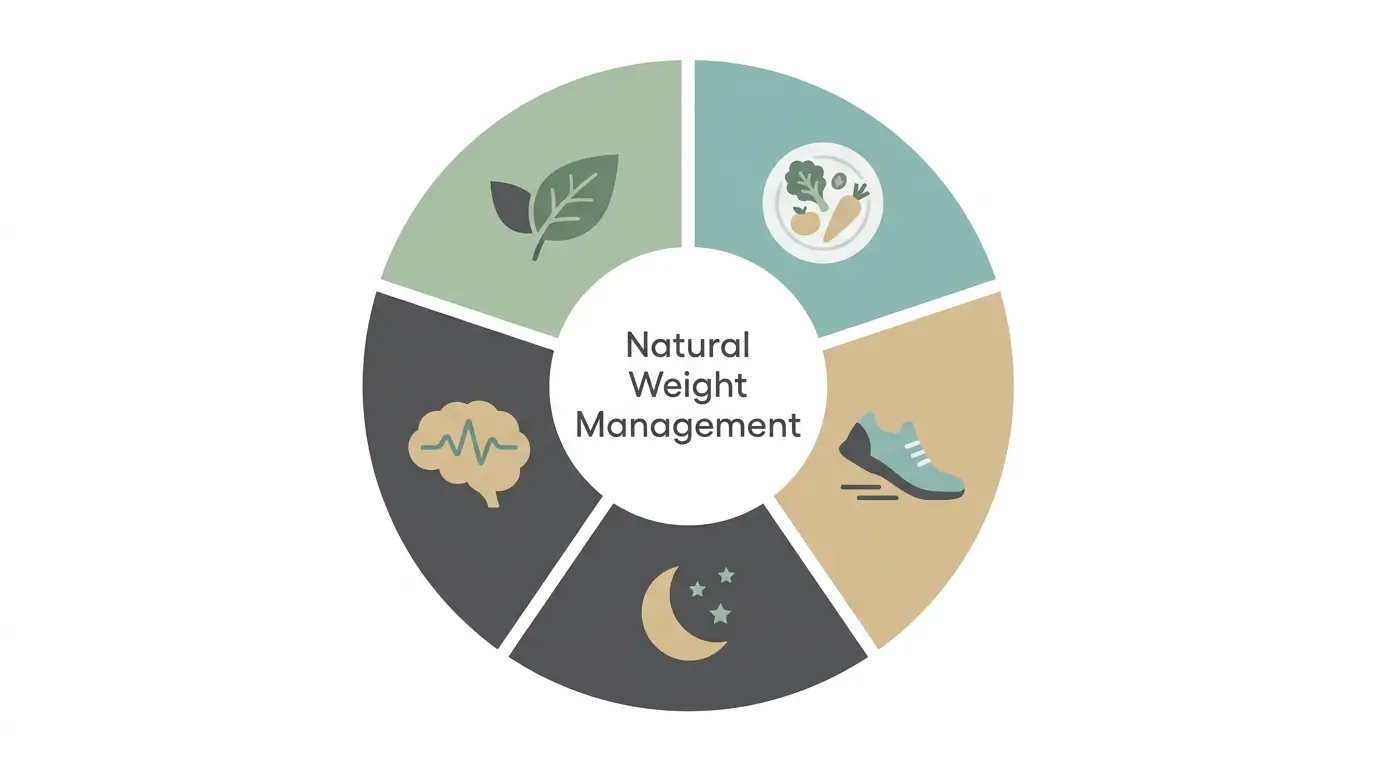
Natural weight management takes the opposite approach. Instead of fighting your body, you work with its existing systems.
- You eat whole foods that regulate appetite on their own.
- You move in ways that protect lean muscle.
- You support metabolic function with specific nutrients and plant compounds that have clinical evidence behind them.
The CDC recommends losing 1 to 2 pounds per week through gradual lifestyle changes, and notes that people who lose weight at this pace are more likely to keep it off long-term [2].
That pace may sound slow if you’re used to “lose 10 pounds in 10 days” promises. But it reflects how your body actually adapts, and it dramatically reduces the risk of rebound weight gain.
Natural weight management is a system, not a single tactic. It connects what you eat, how you move, how you sleep, and what you supplement into one coherent approach focused on sustainable weight loss over months and years.
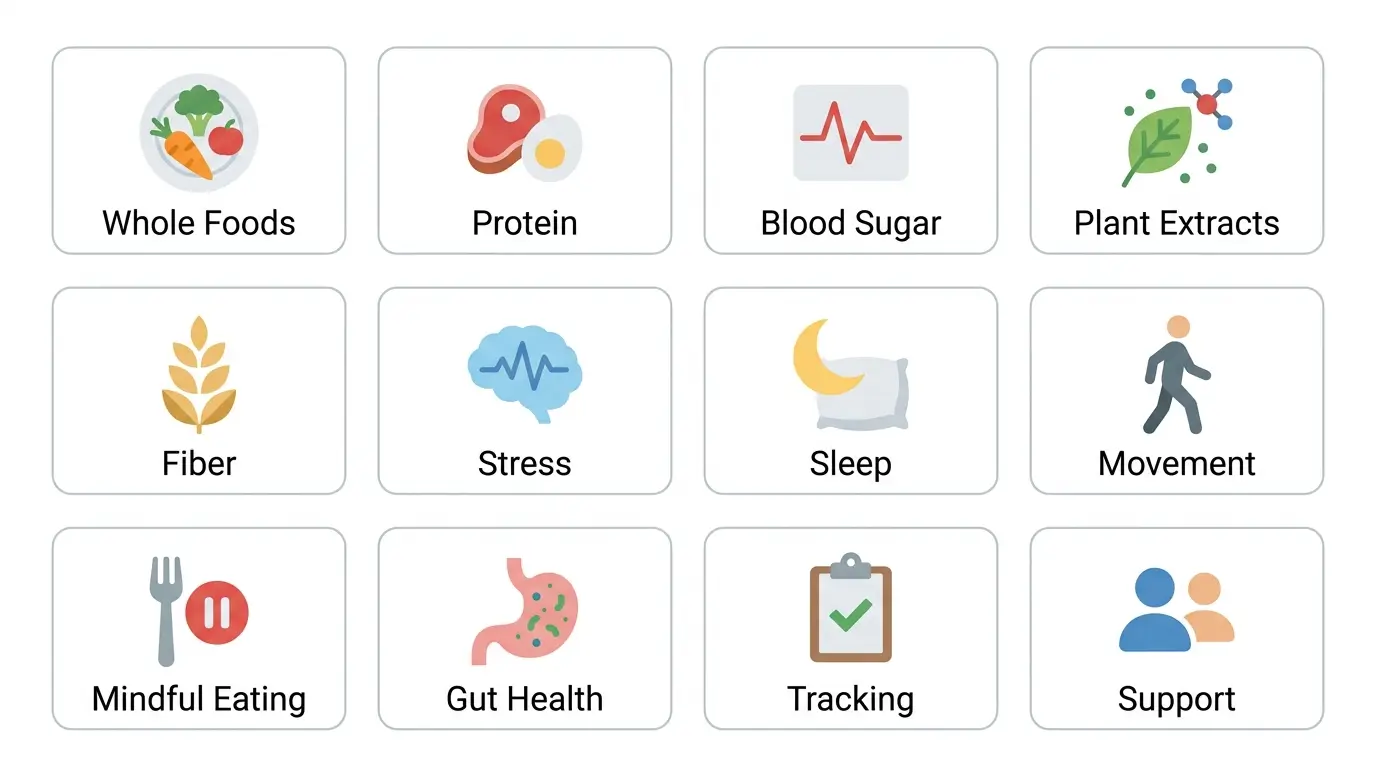
The 12 strategies in this guide cover each of those areas with specific, actionable steps.
Your body runs on a set of internal systems that determine whether you store or burn energy. Understanding them will help you apply the strategies below with more precision.
How Your Body Regulates Weight
Metabolism and Energy Balance
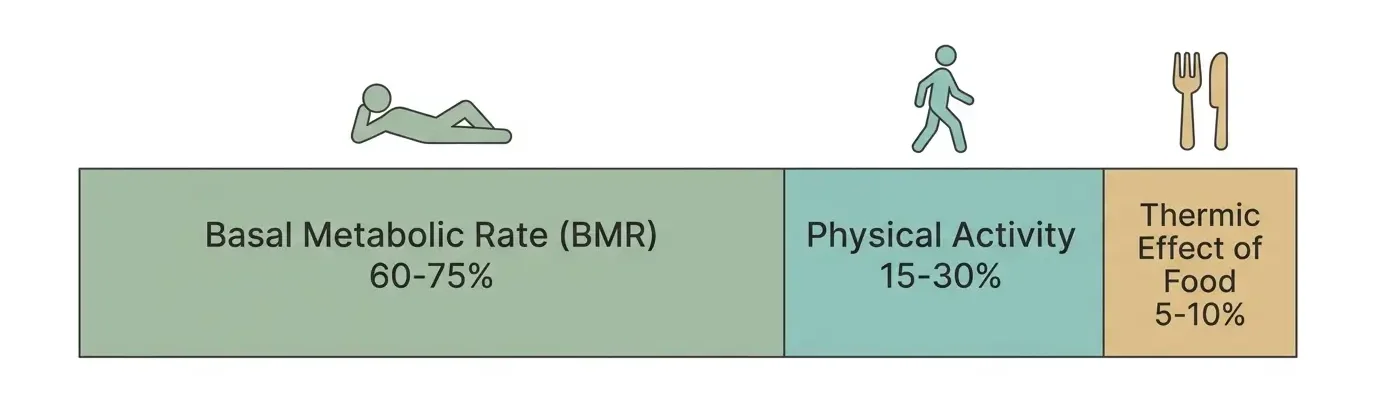
Your basal metabolic rate (BMR) accounts for 60-75% of the calories you burn each day [3].
BMR covers everything your body does at rest, including breathing, circulating blood, and maintaining organ function. The remaining calories come from physical activity and the thermic effect of food (the energy your body spends digesting what you eat).
BMR varies significantly from person to person. Age, sex, muscle mass, and hormonal status all affect it. You lose roughly 1-2% of muscle mass per decade after age 30, which gradually reduces the number of calories your body burns at rest [4].
This is one reason why weight management gets harder with age, and why preserving muscle through resistance training and adequate protein matters so much.
“Can I fix a slow metabolism?” Your metabolic rate is not broken. It adapts to your inputs. When you feed your body adequate protein, maintain lean muscle, stay active, and support metabolic function with the right nutrients, your body burns energy more efficiently.
Blood Sugar, Insulin, and Fat Storage
Every time you eat, your blood sugar rises. Your pancreas releases insulin to shuttle that glucose into cells for energy.
When blood sugar spikes sharply (typically after refined carbs or sugary foods), your body releases large amounts of insulin. Excess insulin promotes fat storage and blocks fat breakdown [5].
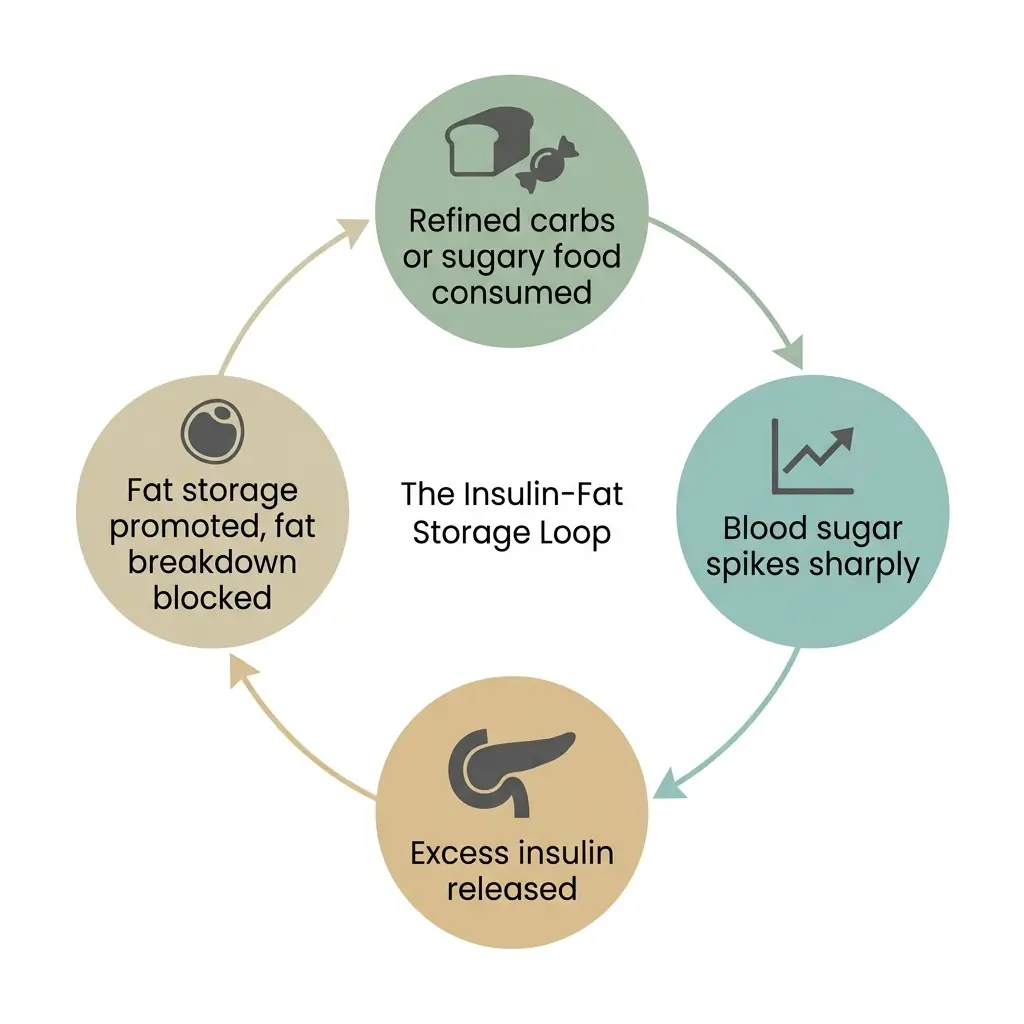
Over time, frequent blood sugar spikes can lead to insulin resistance, a condition where your cells stop responding efficiently to insulin. Insulin resistance is strongly linked to weight gain, especially around the abdomen [5].
Stabilizing blood sugar through fiber, protein, healthy fats, and specific plant compounds is one of the most effective things you can do for natural weight management.
Certain plant extracts target this mechanism directly. Bitter melon contains compounds that mimic insulin’s effects and may help regulate glucose metabolism [6].
Mulberry leaf extract inhibits alpha-glucosidase, an enzyme that breaks down carbohydrates, which slows the rate at which sugar enters your bloodstream [7].
Gut Health and Weight
Your gut microbiome contains trillions of bacteria that influence how your body extracts energy from food, regulates inflammation, and produces satiety hormones. People with overweight tend to have different gut bacteria profiles than those at a healthy weight [8].
A diverse microbiome supports better metabolic outcomes. Akkermansia muciniphila, a specific gut bacterium, strengthens the gut barrier and appears to play a role in metabolic health and appetite regulation [9].
You can support microbial diversity through fermented foods, prebiotic fiber (fiber that feeds beneficial gut bacteria), and in some cases, targeted probiotic supplementation.
With the science in place, you can now apply these principles through 12 specific strategies that target different parts of the system.
12 Evidence-Based Strategies for Natural Weight Management
1. Build Your Diet Around Whole, Single-Ingredient Foods
Whole foods are naturally filling because they contain water, fiber, and micronutrients that processed foods lack.
When you eat mostly unprocessed foods, you eliminate the majority of added sugar, artificial additives, and engineered flavors designed to override your satiety signals.
Processed foods are formulated to encourage overconsumption. A 2019 NIH-funded study found that participants eating ultra-processed diets consumed roughly 500 more calories per day than those eating unprocessed diets, even when both diets matched for available calories, sugar, fat, fiber, and macronutrients [10].
The difference came entirely from the food’s processing level.
Fill your plate with vegetables, lean proteins, legumes, whole grains, nuts, and fruit. These foods give your body the raw materials it needs while keeping you full longer.
2. Prioritize Protein at Every Meal
Protein increases satiety more than any other macronutrient. A high-protein diet reduces ghrelin (your hunger hormone) and boosts peptide YY (a hormone that promotes fullness). Some research shows that people on high-protein diets eat several hundred fewer calories per day without consciously restricting [11].
Aim for 25-30g of protein per meal. Good sources include eggs, fish, chicken, Greek yogurt, legumes, and whey protein.
For people over 50, maintaining protein intake becomes even more important because it helps preserve muscle mass during weight loss [12].
3. Stabilize Your Blood Sugar Naturally
When your blood sugar stays steady, your cravings drop, your energy stays consistent, and your body spends less time in fat-storage mode.
Three habits stabilize blood sugar effectively.
- Pair carbohydrates with protein or healthy fat at every meal.
- Eat fiber-rich foods first when possible, and
- Reduce your intake of refined carbohydrates like white bread, pastries, and sugary drinks.
Specific plant compounds amplify this effect. A study on mulberry leaf and bitter melon powder found that the combination regulated body mass, blood glucose, glucose tolerance, and lipid metabolism in animal models [13].
These ingredients work by slowing carbohydrate absorption and supporting insulin sensitivity.
4. Use Evidence-Based Plant Extracts to Support Metabolism
Several plant-derived compounds have clinical evidence for supporting fat oxidation, appetite control, and metabolic rate.
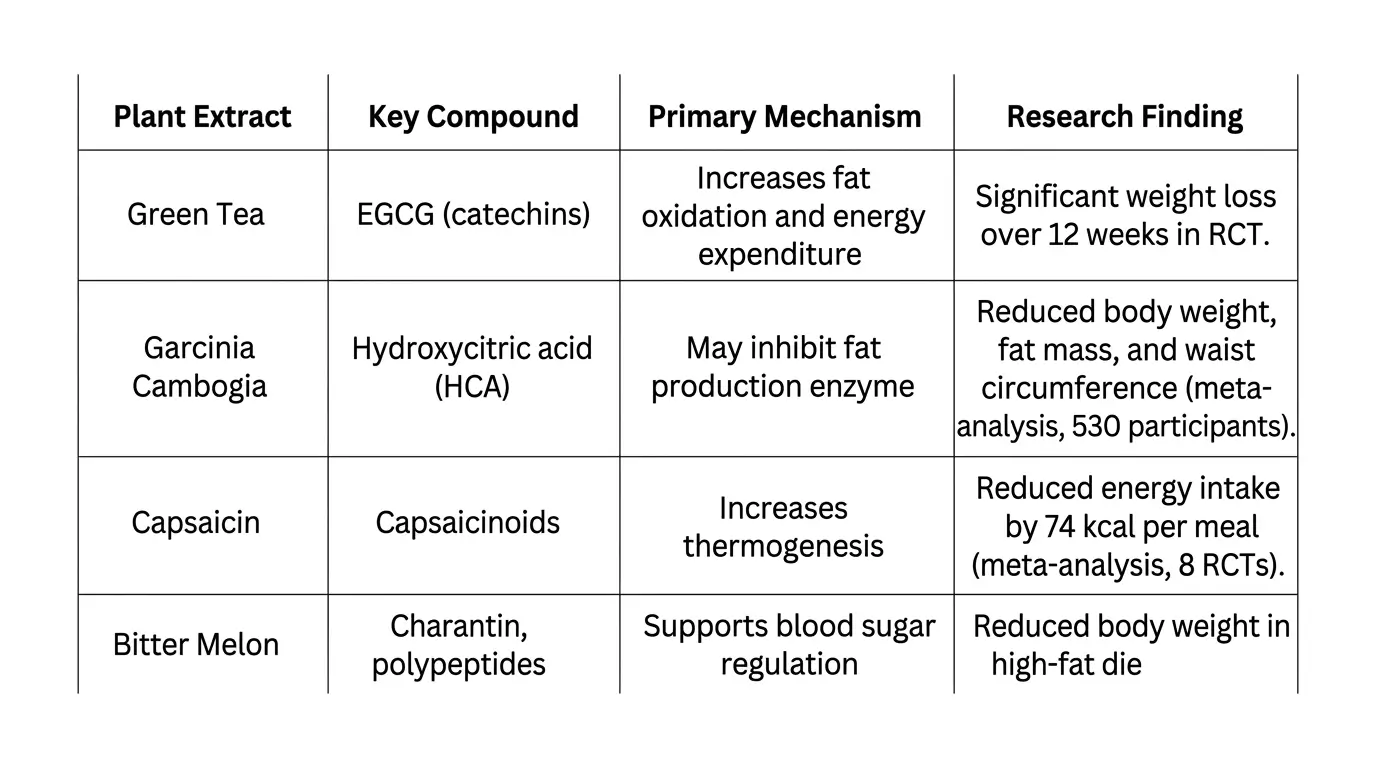
- Green tea extract contains catechins, particularly epigallocatechin gallate (EGCG), that increase energy expenditure and fat oxidation. A randomized controlled trial in 60 obese subjects found that those consuming green tea extract lost significantly more weight over 12 weeks and showed higher resting energy expenditure compared to the control group [14]. A 2017 review noted that consuming 100-460 mg of EGCG per day for 12 weeks can help reduce body weight and fat mass [15].
- Garcinia cambogia contains hydroxycitric acid (HCA), which may inhibit an enzyme involved in fat production. A 2020 meta-analysis of eight trials with 530 participants found that Garcinia supplements reduced body weight, fat mass percentage, and waist circumference [16].
- Capsaicin, the active compound in hot peppers, increases thermogenesis (heat production in your body that burns calories). A meta-analysis of eight randomized controlled trials found that capsaicinoid consumption reduced energy intake by an average of 74 kcal per meal [17].
- Lotus leaf contains flavonoids and alkaloids that may reduce lipid accumulation. A 2015 review in the Journal of Ethnopharmacology documented lotus leaf’s effects on lipid-regulating enzymes and adipocyte differentiation in preclinical models [18].
How do these ingredients compare when used individually versus together? Multi-ingredient formulations that combine several plant extracts can target multiple metabolic pathways simultaneously. A product combining mulberry leaf, bitter melon, lotus leaf, and Garcinia cambogia, for example, addresses blood sugar regulation, fat metabolism, and appetite control through different mechanisms at once. (Single-ingredient studies form the evidence base, but combination formulations offer broader metabolic coverage in practice.)
5. Eat More Fiber, Especially Soluble Fiber
Soluble fiber absorbs water and forms a gel-like substance in your gut. This slows stomach emptying, extends feelings of fullness, and promotes the release of satiety hormones [19].
It also feeds beneficial gut bacteria linked to healthier body weight.
Most adults get about 15g of fiber per day. The recommended target is 25-30g [20].
Good sources include oats, beans, lentils, flaxseed, Brussels sprouts, and avocado.
Glucomannan, a soluble fiber from the konjac plant, has been studied as a concentrated fiber supplement. A 2020 review concluded that viscous fiber like glucomannan can modestly but significantly reduce body weight, especially in people with higher body weight or metabolic syndrome [21].
6. Manage Stress Before It Manages Your Weight
Chronic stress raises cortisol, a hormone your adrenal glands release in response to perceived threats. Elevated cortisol promotes visceral fat storage (the type that wraps around your organs) and drives stress eating [22].
A clinical trial found that implementing a structured stress management program for overweight adults led to significant decreases in perceived stress and improved dietary patterns [23].
You don’t need a complicated protocol. Daily walks, a 10-minute meditation practice, or a predetermined plan for stressful moments (when I feel stressed, I’ll walk for 10 minutes instead of snacking) can interrupt the cortisol-to-cravings cycle.
This is one area where CONSISTENCY matters more than perfection.
7. Sleep 7-9 Hours Per Night
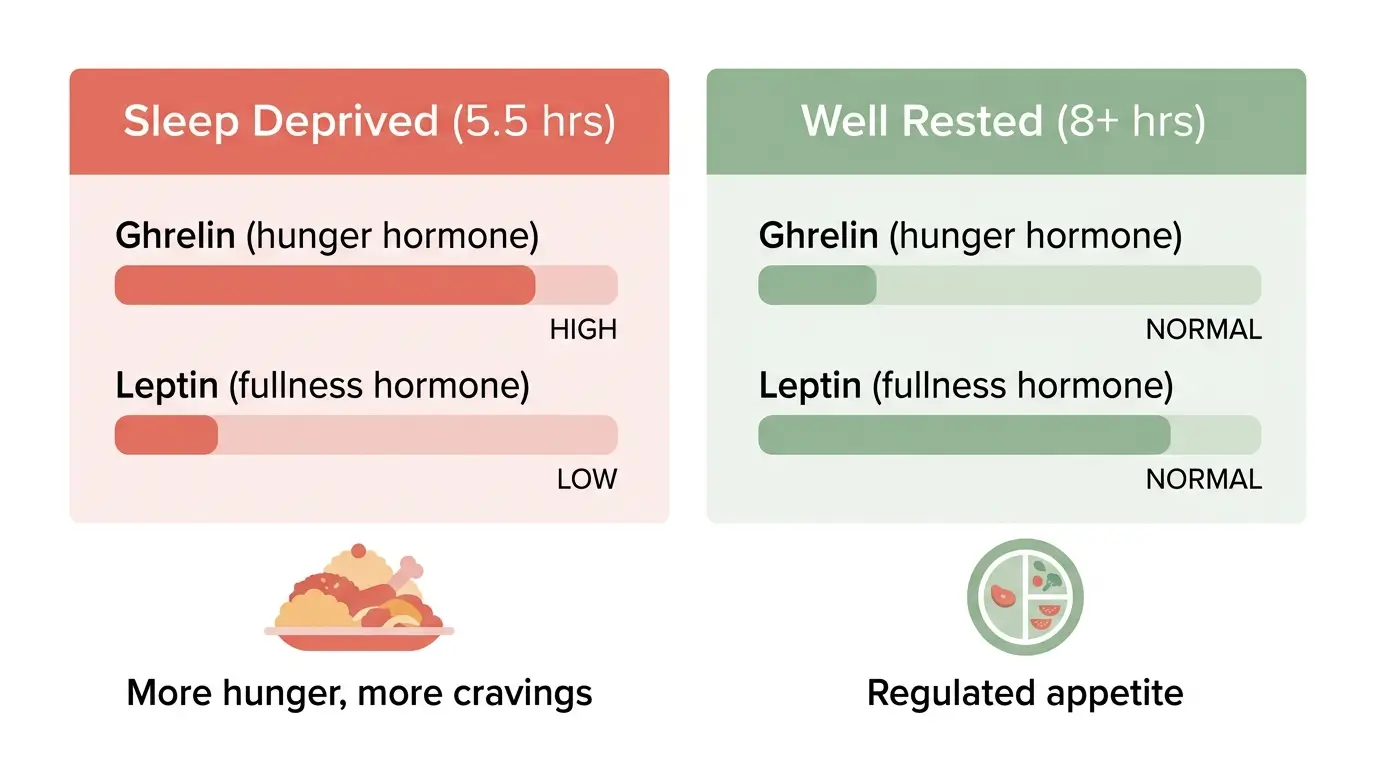
Sleep deprivation increases ghrelin (your hunger hormone) and decreases leptin (the hormone that signals fullness), which drives hunger toward calorie-dense, high-carb foods [24].
One study found that sleeping 5.5 hours instead of 8.5 shifted weight loss away from fat and toward lean tissue, meaning participants lost muscle instead of fat [25].
Protect your sleep with consistent bed and wake times, a cool room (65-68°F), and no screens for at least 30 minutes before bed. DO NOT underestimate this.
Sleep is one of the highest-leverage changes you can make for body composition.
8. Move Your Body Daily
The general recommendation is 150 minutes of moderate-intensity activity per week [2].
That breaks down to about 22 minutes per day. Walking, cycling, swimming, and dancing all count.
Resistance training deserves special emphasis. It preserves muscle mass during weight loss, which protects your metabolic rate.
Data from the National Weight Control Registry shows that 94% of people who successfully maintained weight loss increased their physical activity [26].
Combined resistance and aerobic training produces better body composition outcomes than aerobic exercise alone [12].
Pick activities you enjoy. Consistency matters more than intensity.
9. Practice Mindful Eating
Eating quickly causes you to overshoot your satiety signals. By the time your brain registers fullness, you’ve already consumed more than you needed. Chewing slowly increases the production of hormones linked to appetite regulation [27].
Remove distractions during meals.
- Turn off the TV.
- Put your phone in another room.
- Pay attention to the texture and taste of your food.
These habits sound simple, but they create a measurable difference in calorie intake over time.
10. Support Your Gut Microbiome
A healthy gut supports weight management through multiple pathways. Beneficial bacteria improve nutrient absorption, strengthen the gut barrier, regulate inflammation, and produce short-chain fatty acids (compounds that influence appetite signaling and energy regulation).
You can support your microbiome with fermented foods (yogurt, kimchi, sauerkraut, kefir), prebiotic fiber (onions, garlic, asparagus, bananas), and targeted probiotics.
Emerging research on specific strains like Akkermansia muciniphila shows promising connections to improved metabolic markers and body weight regulation [9].
11. Track Your Progress Without Obsessing
People who track their diet, exercise, and weight are more likely to lose weight than those who don’t [28]. Use a food journal or an app like MyFitnessPal or Lose It to build awareness of what and how much you eat.
But don’t let the scale become your only metric. Track your waist circumference, energy levels, sleep quality, and how your clothes fit. Body composition = the ratio of fat to lean tissue, and it matters more than the number on the scale.
A person who gains 3 pounds of muscle while losing 5 pounds of fat is healthier and leaner, even though the scale only dropped 2 pounds.
12. Build a Support System
Social support improves adherence and long-term outcomes. A 2023 advisory from the U.S. Surgeon General flagged loneliness as a public health crisis, noting that social disconnection shortens lives by roughly the same amount as smoking 15 cigarettes per day [29].
Loneliness can lead to comfort eating and reduced physical activity, especially as people age.
Find a walking partner. Join a local fitness class. Share your goals with someone you trust. Even small social connections around health goals improve your odds of sticking with them.
These 12 strategies form the foundation. For some people, adding a targeted natural supplement can provide additional support across several of these areas at once.
How Natural Supplements Fit Into Your Weight Management Plan
Supplements work best alongside the lifestyle strategies above. They are not replacements for whole foods, movement, or sleep. They provide targeted support for specific metabolic processes.
When evaluating a supplement, look for these qualities.
- Transparent ingredient lists with specific dosages.
- Plant-based extracts backed by published research.
- No artificial fillers or proprietary blends that hide ingredient amounts.
- Clear directions for use.
Multi-ingredient formulations offer a practical advantage. Instead of taking five separate supplements, a single product combining ingredients like mulberry leaf, bitter melon, Garcinia cambogia, lotus leaf, and green tea extract can address blood sugar regulation, fat metabolism, and appetite control through different mechanisms.
Natural supplements produce gradual, cumulative effects. Unlike pharmaceutical interventions that create immediate physiological changes, plant extracts build in your system over weeks.
Consistency matters. Taking a supplement daily, alongside good nutrition and regular movement, gives the ingredients time to support your metabolic processes.
Natural Weight Management vs. Prescription Weight Loss Drugs
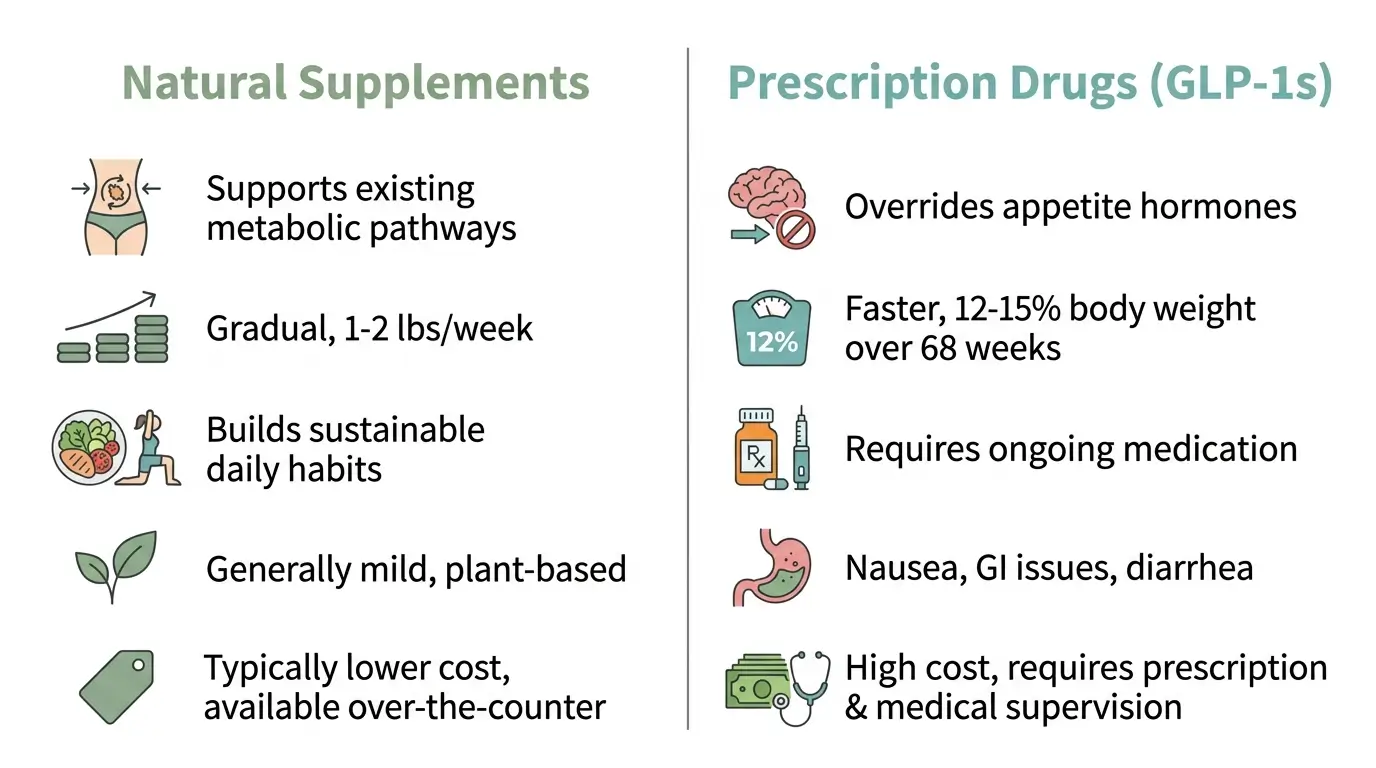
GLP-1 receptor agonists like semaglutide have surged in popularity since their approval for weight management. These drugs mimic a gut hormone that reduces appetite and slows gastric emptying. Clinical trials reported average weight loss of 12-15% of body weight over 68 weeks [30].
Natural approaches work differently. They focus on building sustainable habits and supporting your body’s existing metabolic systems rather than overriding them with pharmaceutical intervention.
Natural methods tend to produce slower results (1-2 pounds per week), but they build patterns that last after you stop actively trying.
Some people use natural weight management supplements alongside or after pharmaceutical treatment. Others prefer to avoid medications entirely. Neither choice is wrong.
The key is understanding what each approach does so you can make an informed decision with your healthcare provider.
How Long Does Natural Weight Management Take?
A realistic pace is 1-2 pounds per week with consistent effort. For a person weighing 200 pounds, a 5% reduction (10 pounds) is enough to improve blood pressure, cholesterol, and blood sugar levels [2].
Cumulative supplement effects typically become noticeable over 4-8 weeks of daily use. You may notice improved energy, reduced cravings, or better appetite regulation before you see significant scale changes.
Focus on trend lines over months, not daily fluctuations. Your weight can shift 2-4 pounds in a single day based on water retention, sodium intake, and hormonal cycles. Weekly or biweekly averages give you a more accurate picture.
Common Mistakes That Stall Progress
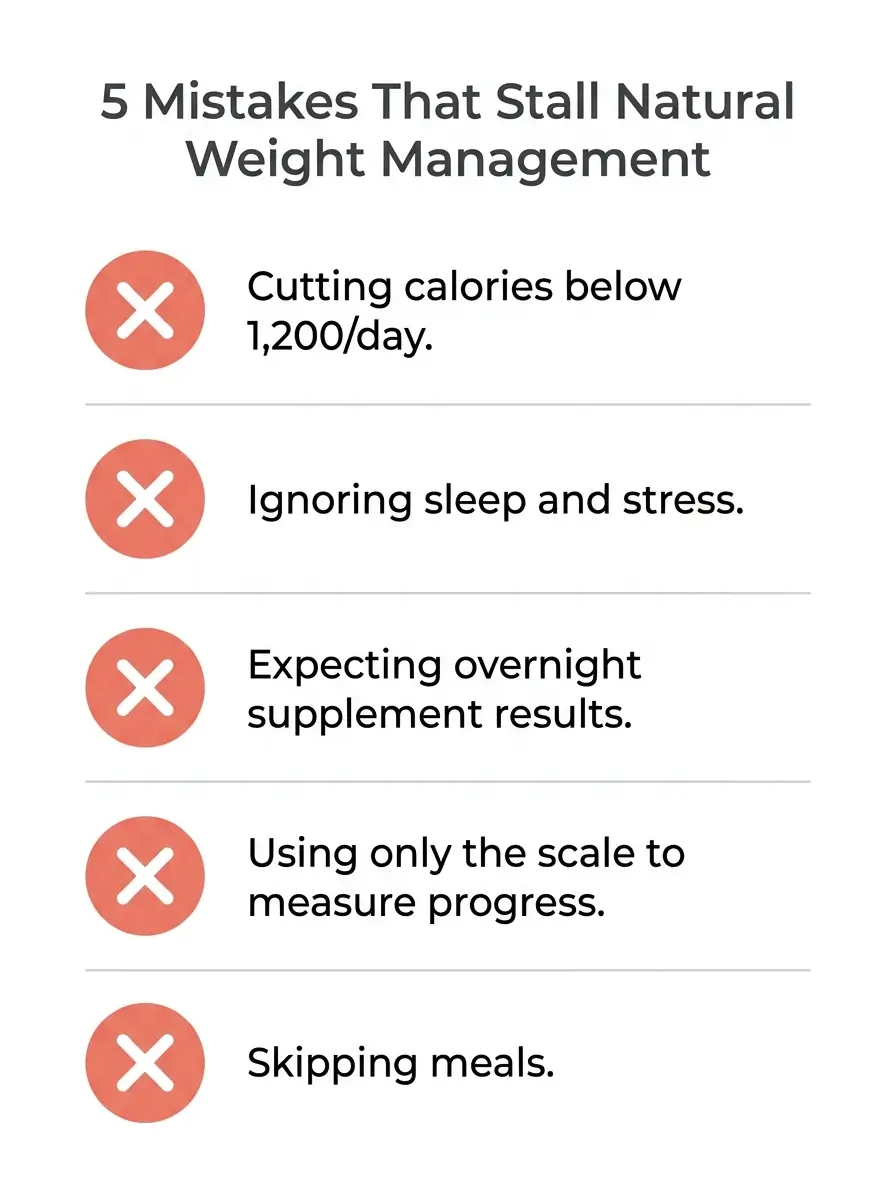
- Cutting calories too aggressively. Dropping below 1,200 calories per day can slow your metabolic rate, trigger muscle loss, and increase hunger hormones. A moderate deficit of 500 calories per day is more sustainable and more effective long-term [31].
- Ignoring sleep and stress. Both sabotage hormonal balance. You can eat perfectly and exercise daily, but chronic sleep deprivation and unmanaged stress will stall your progress.
- Expecting overnight results from supplements. Natural ingredients build gradually. Give them 4-8 weeks of consistent daily use before evaluating their effect.
- Relying on the scale as the only metric. Body composition changes often precede scale changes. Measure your waist, track your energy, and notice how your clothes fit.
- Skipping meals. Missing meals leads to overeating later. Distribute your protein and calories across 3-4 meals per day to keep blood sugar steady and hunger in check.
Your Natural Weight Management Action Plan
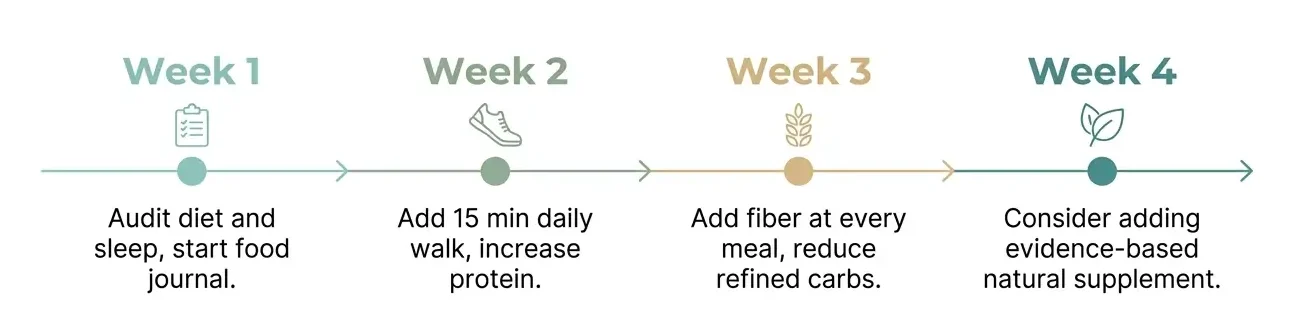
- Week 1. Audit your current diet and sleep habits. Start a food journal or download a tracking app. Record what you eat, when you eat, and how much sleep you get each night.
- Week 2. Add 15 minutes of daily walking. Increase protein at each meal to at least 25g. Replace one processed snack per day with a whole food option (fruit, nuts, yogurt, hard-boiled egg).
- Week 3. Introduce a fiber-rich food at every meal. Cut back on refined carbs. Start a simple stress management practice (10-minute walk after work, 5-minute breathing exercise before bed).
- Week 4. Consider adding an evidence-based natural supplement to support your efforts. Choose a formulation that targets multiple pathways (metabolism, blood sugar, appetite) with researched plant extracts.
- Ongoing. Track your waist measurement and energy levels monthly. Adjust your approach as needed. Keep your support system engaged.
Frequently Asked Questions
References
- [1] Mann, T., et al. “Medicare’s Search for Effective Obesity Treatments: Diets Are Not the Answer.” American Psychologist, 2007.
- [2] Centers for Disease Control and Prevention. “Steps for Losing Weight.” Updated January 2025.
- [3] Pontzer, H., et al. “Daily Energy Expenditure Through the Human Life Course.” Science, 2021. DOI: 10.1126/science.abe5017
- [4] Volpi, E., et al. “Muscle Tissue Changes with Aging.” Current Opinion in Clinical Nutrition and Metabolic Care, 2004.
- [5] Petersen, M.C., & Shulman, G.I. “Mechanisms of Insulin Action and Insulin Resistance.” Physiological Reviews, 2018. DOI: 10.1152/physrev.00063.2017
- [6] Joseph, B., & Jini, D. “Antidiabetic Effects of Momordica charantia (Bitter Melon) and Its Medicinal Potency.” Asian Pacific Journal of Tropical Disease, 2013.
- [7] Kimura, T., et al. “Food-Grade Mulberry Powder Enriched with 1-Deoxynojirimycin Suppresses the Elevation of Postprandial Blood Glucose in Humans.” Journal of Agricultural and Food Chemistry, 2007.
- [8] Crovesy, L., et al. “Profile of the Gut Microbiota of Adults with Obesity.” Nutrients, 2022.
- [9] Dao, M.C., et al. “Akkermansia muciniphila and Improved Metabolic Health During a Dietary Intervention in Obesity.” Gut, 2016. DOI: 10.1136/gutjnl-2014-308778
- [10] Hall, K.D., et al. “Ultra-Processed Diets Cause Excess Calorie Intake and Weight Gain.” Cell Metabolism, 2019. DOI: 10.1016/j.cmet.2019.05.008
- [11] Leidy, H.J., et al. “The Role of Protein in Weight Loss and Maintenance.” American Journal of Clinical Nutrition, 2015.
- [12] Chaudhry, S., as cited in AARP. “13 Natural Weight Loss Remedies to Lose Weight and Keep It Off.” 2024.
- [13] CABi Digital Library. “Effect of Mulberry Leaf and Bitter Melon Powder Blend on Blood Glucose and Lipid Metabolism.” 2019.
- [14] Auvichayapat, P., et al. “Effectiveness of Green Tea on Weight Reduction in Obese Thais: A Randomized, Controlled Trial.” Physiology & Behavior, 2008. DOI: 10.1016/j.physbeh.2007.10.009
- [15] Vázquez Cisneros, L.C., et al. “Effects of Green Tea and Its Epigallocatechin (EGCG) Content on Body Weight and Fat Mass.” Nutrición Hospitalaria, 2017.
- [16] Golzarand, M., et al. “Effect of Garcinia Cambogia Supplement on Obesity Indices.” Complementary Therapies in Medicine, 2020.
- [17] Whiting, S., et al. “Capsaicinoids and Capsinoids. A Potential Role for Weight Management?” Appetite, 2012. DOI: 10.1016/j.appet.2012.05.015
- [18] Ono, Y., et al. “Anti-Obesity Effect of Nelumbo nucifera Leaves Extract in Mice and Rats.” Journal of Ethnopharmacology, 2006. DOI: 10.1016/j.jep.2005.12.036
- [19] Wanders, A.J., et al. “Effects of Dietary Fibre on Subjective Appetite, Energy Intake, and Body Weight.” Critical Reviews in Food Science and Nutrition, 2023.
- [20] U.S. Department of Agriculture. “Dietary Guidelines for Americans, 2020-2025.” 2020.
- [21] Thompson, S.V., et al. “Effects of Isolated Soluble Fiber Supplementation on Body Weight, Glycemia, and Insulinemia.” American Journal of Clinical Nutrition, 2017.
- [22] Epel, E., et al. “Stress and Body Shape: Stress-Induced Cortisol Secretion Is Consistently Greater Among Women with Central Fat.” Psychosomatic Medicine, 2000.
- [23] Referenced in AARP. “13 Natural Weight Loss Remedies.” 2024. Original trial data on stress management programs for overweight adults.
- [24] Spiegel, K., et al. “Brief Communication: Sleep Curtailment in Healthy Young Men Is Associated with Decreased Leptin Levels, Elevated Ghrelin Levels, and Increased Hunger and Appetite.” Annals of Internal Medicine, 2004.
- [25] Nedeltcheva, A.V., et al. “Insufficient Sleep Undermines Dietary Efforts to Reduce Adiposity.” Annals of Internal Medicine, 2010.
- [26] Johns Hopkins Medicine. “Maintaining Weight Loss.” Referenced National Weight Control Registry data.
- [27] Miquel-Kergoat, S., et al. “Effects of Chewing on Appetite, Food Intake, and Gut Hormones.” Nutrients, 2019.
- [28] Burke, L.E., et al. “Self-Monitoring in Weight Loss: A Systematic Review of the Literature.” Journal of the American Dietetic Association, 2011.
- [29] U.S. Surgeon General. “Our Epidemic of Loneliness and Isolation.” 2023 Advisory.
- [30] Wilding, J.P.H., et al. “Once-Weekly Semaglutide in Adults with Overweight or Obesity.” New England Journal of Medicine, 2021. DOI: 10.1056/NEJMoa2032183
- [31] Being Well at Yale. “Weight Management Strategies for Success.” Yale University.
- [32] National Institutes of Health, Office of Dietary Supplements. “Dietary Supplements for Weight Loss: Health Professional Fact Sheet.” Updated 2024.
