
15 foods that lower cortisol levels, backed by research
The exact foods, nutrient amounts, and meal timing to calm your stress hormone in 2 to 4 weeks.
Enjoying this article?Add FoodNourish as a preferred source on Google and see our research-backed guides more often in your search results.
Quick verdict
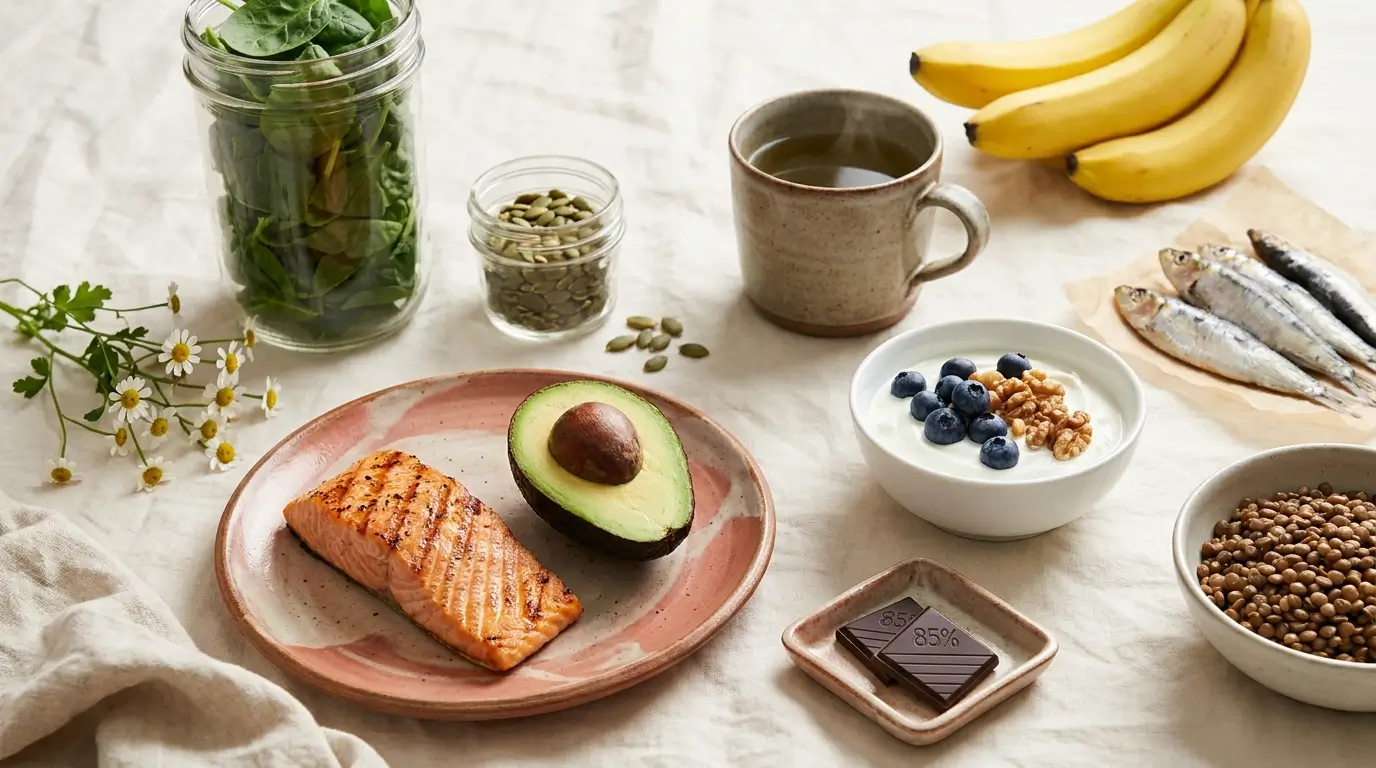
The three foods that lower cortisol levels with the strongest evidence are fatty fish (omega-3 reduces cortisol output and inflammation), dark leafy greens like spinach (magnesium calms the HPA axis), and fermented foods like Greek yogurt and kimchi (gut bacteria regulate the stress response). Pair them daily with berries, whole grains, and green tea for measurable results in two to four weeks.
Top picks at a glance
- Fatty fish (salmon, sardines) – best for omega-3 deficit, 1.5 to 2.5 g omega-3 per 100 g serving [1]
- Spinach (cooked) – best for magnesium gap, 157 mg per cup [2]
- Dark chocolate (85% cacao) – best for daily polyphenol hit, 25 g per day [3]
- Greek yogurt with live cultures – best for the gut-stress axis, 10 to 15 billion CFU per serving [4]
- Green tea – best for daytime calm without a caffeine crash, 25 to 60 mg L-theanine per cup [5]
How we picked
We evaluated 45 foods commonly recommended for stress and screened them against three criteria.
- First, the food had to appear in a peer-reviewed human study connected to cortisol, the HPA axis, or a direct mediator like magnesium status, omega-3 blood levels, or gut microbiome composition.
- Second, it had to deliver a meaningful nutrient dose per realistic serving (no “trace amounts count” entries).
- Third, it had to be affordable and available at standard grocery stores.
We pulled studies from PubMed published between 2015 and 2025, cross-checked against guidance from Healthline, GoodRx, MD Anderson, and Verywell Health, and verified nutrient values against the USDA FoodData Central database.
Foods that lacked direct cortisol evidence but had strong indirect mechanisms (steadying blood sugar, reducing inflammation) were included with that caveat noted.
Foods with hype but no clinical data were cut.
What cortisol is and why food matters
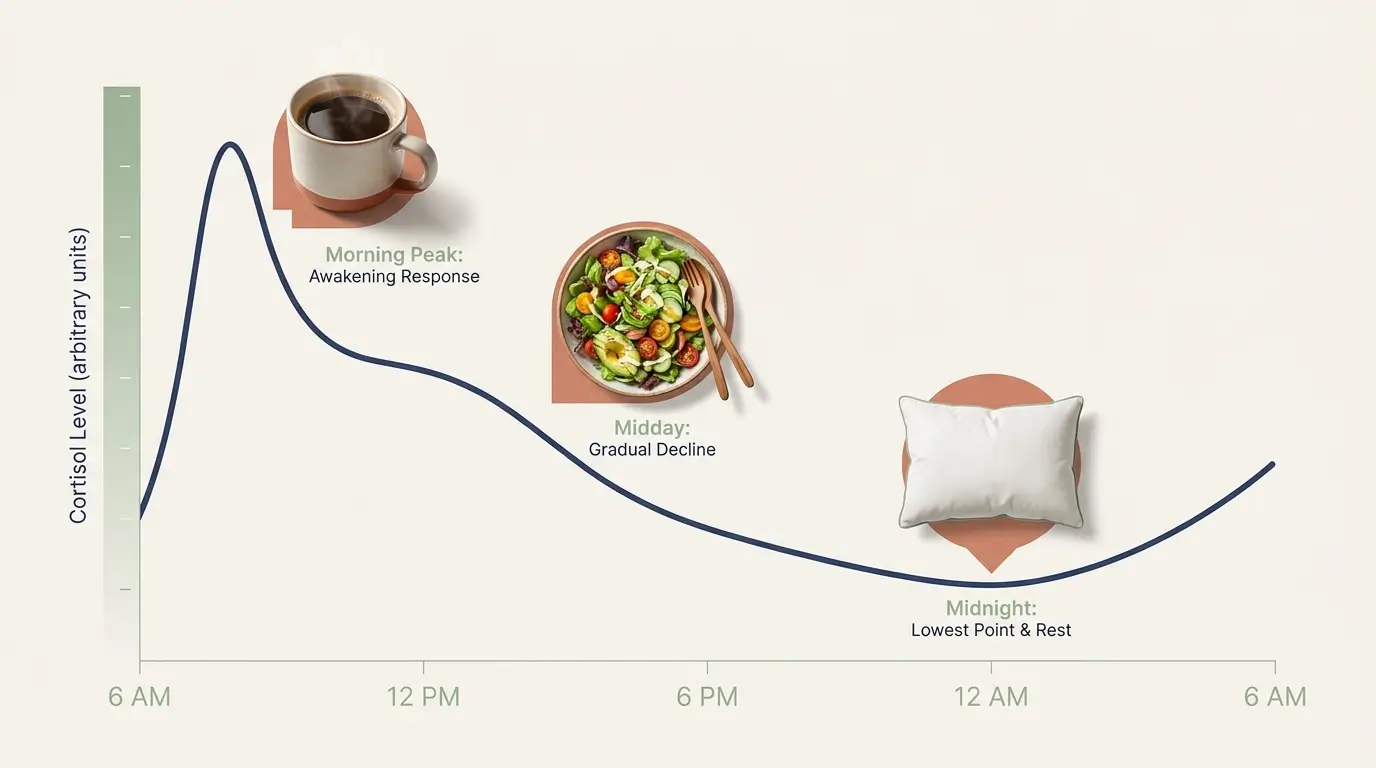
Cortisol is a glucocorticoid hormone (a stress-and-metabolism hormone) your adrenal glands release in a daily rhythm. It peaks 30 to 45 minutes after you wake up (the cortisol awakening response), drops through the afternoon, and bottoms out around midnight [6].
You need this rhythm. Cortisol mobilizes glucose, calms inflammation in the short term, and helps you respond to threats.
The problem starts when cortisol stays elevated for weeks or months. Chronic stress, poor sleep, and certain eating patterns flatten the curve, keeping cortisol high at the wrong times.
That sustained elevation drives belly fat storage, insulin resistance, sleep disruption, and a weakened immune response [7].
Food affects cortisol in two ways.
- Directly, certain nutrients calm the HPA axis (the brain-adrenal signaling loop). Magnesium, omega-3 fatty acids, L-theanine, and B vitamins all show measurable effects on cortisol output in human trials [1][8][9].
- Indirectly, what you eat shapes your blood sugar curve and gut microbiome, both of which feed back into cortisol release. A 2020 trial found that diets high in added sugar, refined grains, and saturated fat produced significantly higher cortisol levels than diets built around whole grains, fruits, vegetables, and polyunsaturated fats [10].
You cannot fix clinical hypercortisolism with breakfast. You can, however, shift a stress-driven, mildly elevated curve back toward normal with consistent food changes over four to twelve weeks.
Signs your cortisol may be elevated
You probably do not need a lab test to suspect chronic stress is pushing your cortisol up. The pattern shows up in your body before it shows up on paper.
Common signs include weight gain centered on the belly, 3 a.m. wake-ups followed by trouble falling back asleep, sugar or salt cravings (especially in the afternoon), brain fog, frequent colds, slow wound healing, irregular menstrual cycles, and a low-level wired-but-tired feeling that does not match how much you slept [7][11].
“Do I need to see a doctor?” Yes, if you have several of these signs plus a round face, a fatty pad between your shoulders, purple stretch marks, severe muscle weakness, or rapid unexplained weight gain.
Those point toward Cushing’s syndrome, which is rare but serious and needs medical workup [11]. For everyone else, a four-week diet change is a reasonable first step before testing.
Quick self-check: signs your cortisol may be elevated
Tick the boxes that apply to you in the past 30 days.
The 15 foods that lower cortisol levels
| Food | Serving | Magnesium (mg) | Omega-3 (g) | Key compound |
|---|---|---|---|---|
| Salmon | 100 g cooked | 30 | 2.2 | EPA + DHA |
| Spinach (cooked) | 1 cup | 157 | 0.2 | Magnesium, folate |
| Dark chocolate 85% | 25 g | 58 | 0.0 | Flavanols |
| Avocado | 1 medium | 58 | 0.2 | B vitamins, MUFA |
| Greek yogurt | 1 cup | 22 | 0.1 | Live probiotics |
| Sauerkraut | 2 tbsp | 3 | 0.0 | Lactobacillus |
| Banana | 1 medium | 32 | 0.0 | Tryptophan, K |
| Eggs | 2 large | 12 | 0.1 | Choline, B12 |
| Green tea | 1 cup | 2 | 0.0 | L-theanine 25-60 mg |
| Chamomile tea | 1 cup | 2 | 0.0 | Apigenin |
| Blueberries | 1 cup | 9 | 0.1 | Anthocyanins |
| Steel-cut oats | 1/2 cup dry | 61 | 0.1 | Beta-glucan fiber |
| Lentils | 1 cup cooked | 71 | 0.1 | Fiber, plant protein |
| Pumpkin seeds | 1 oz (28 g) | 156 | 0.1 | Magnesium, zinc |
| Water | 2 cups AM | 0 | 0.0 | Hydration |
Values from USDA FoodData Central, 2026. Omega-3 includes ALA, EPA, and DHA where applicable.
1. Fatty fish (salmon, sardines, mackerel)
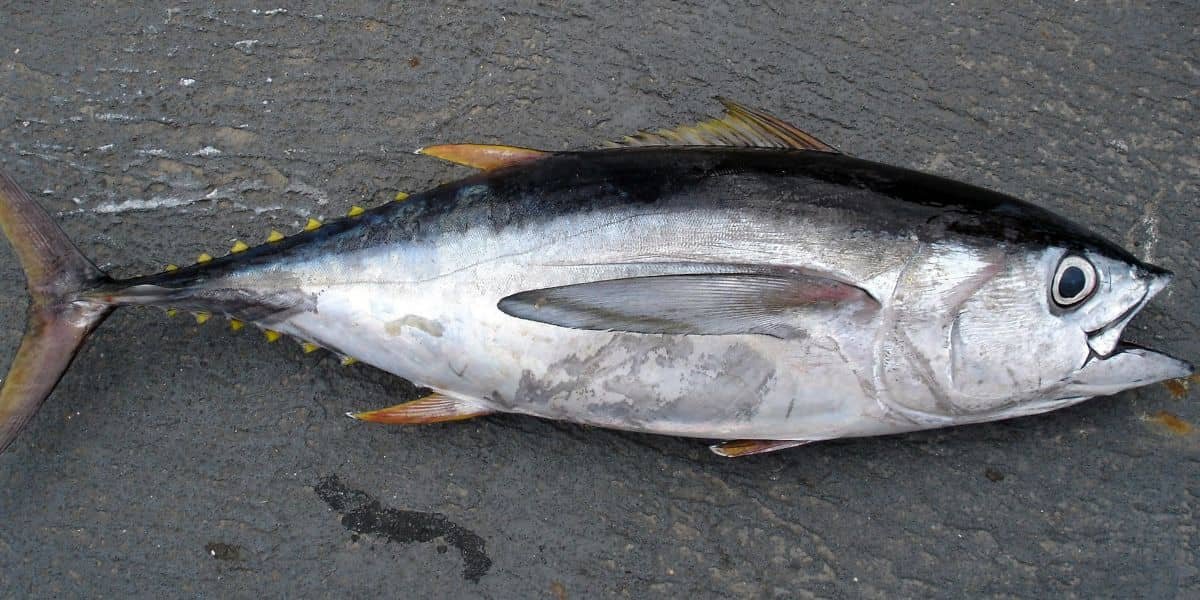
A cohort study of 2,724 adults found that higher blood levels of omega-3 fatty acids were associated with lower cortisol and lower inflammatory markers [1].
The mechanism runs through EPA and DHA, which reduce HPA axis reactivity to stress.
Target 2 to 3 servings per week. A 100 g serving of cooked Atlantic salmon delivers about 2.2 g of combined EPA and DHA (the two active omega-3 fats). Canned sardines (one tin, drained) deliver around 1.0 g and cost under three dollars.
2. Spinach and dark leafy greens
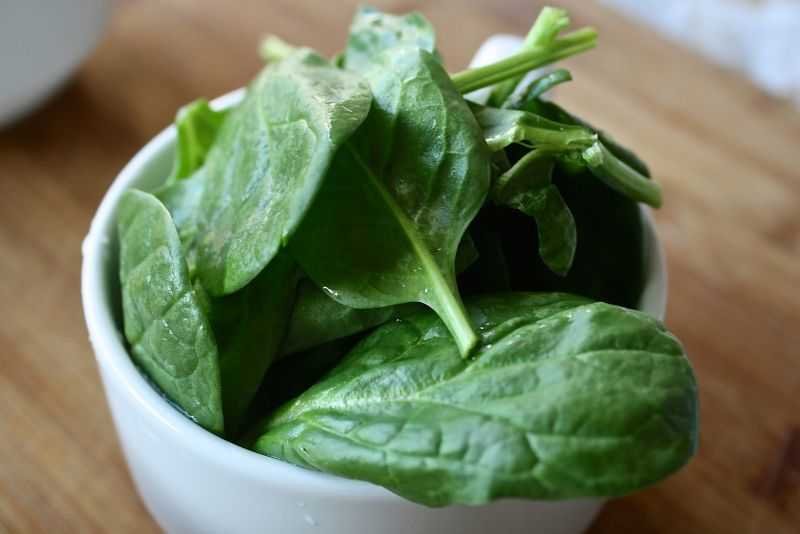
One cup of cooked spinach contains 157 mg of magnesium, roughly 40% of the daily target for an adult woman [2].
Magnesium dampens HPA axis output and supports GABA (gamma-aminobutyric acid, the brain's main calming neurotransmitter) [9].
Low magnesium intake is common; about 48% of Americans fall short of the recommended amount [12].
Sauté one to two cups daily in olive oil, or blend raw spinach into a smoothie where you will not taste it.
3. Dark chocolate (85% cacao)

A randomized trial gave participants 25 g per day of high-polyphenol dark chocolate for four weeks and measured a reduction in free urinary cortisol compared to control [3].
The active compounds are flavanols, which appear to blunt adrenal cortisol release.
Stick to 25 g daily (about two small squares) of chocolate that is 70% cacao or higher. More is not better, since chocolate also contains caffeine, which can push cortisol up.
4. Avocados
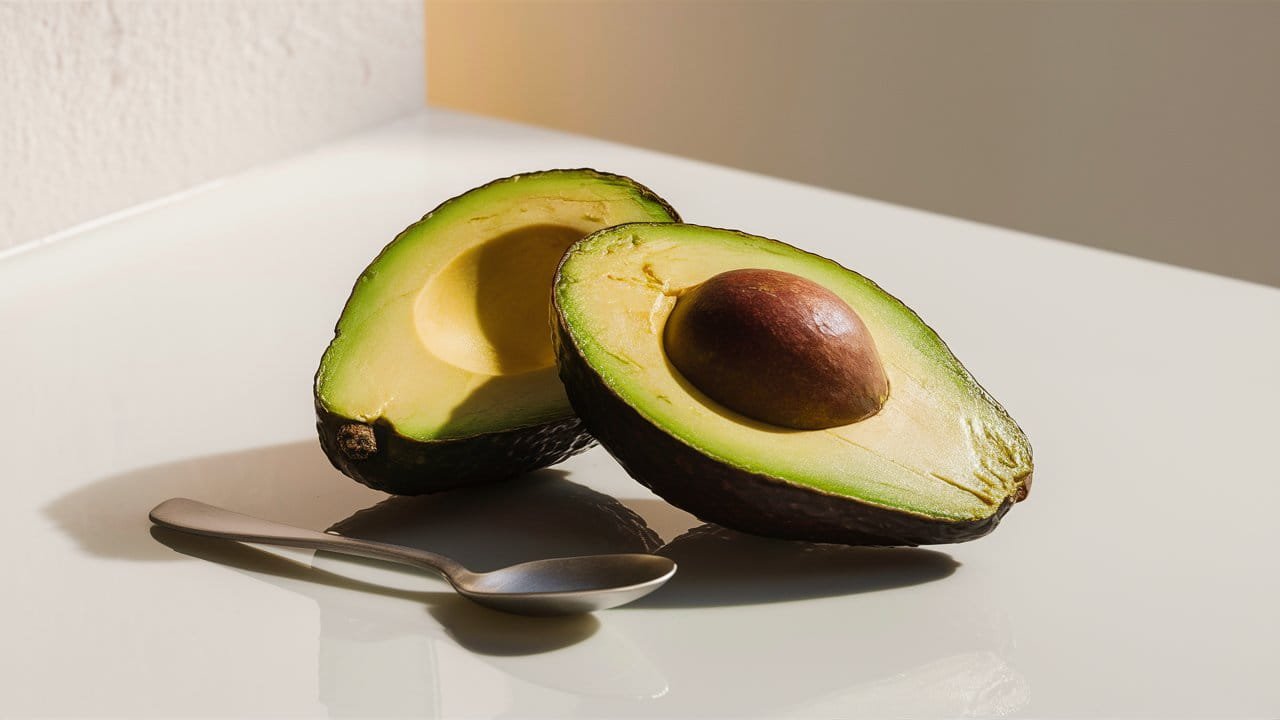
One medium avocado provides 58 mg of magnesium, 975 mg of potassium, and 14 g of monounsaturated fat [2].
Lab work shows the unsaturated fats in avocado oil protect nerve cells from cortisol-driven damage [13].
A long-term study tracking over 68,000 adults linked two avocado servings per week to lower cardiovascular event rates, an outcome closely tied to chronic stress [14].
5. Greek yogurt and kefir (with live cultures)
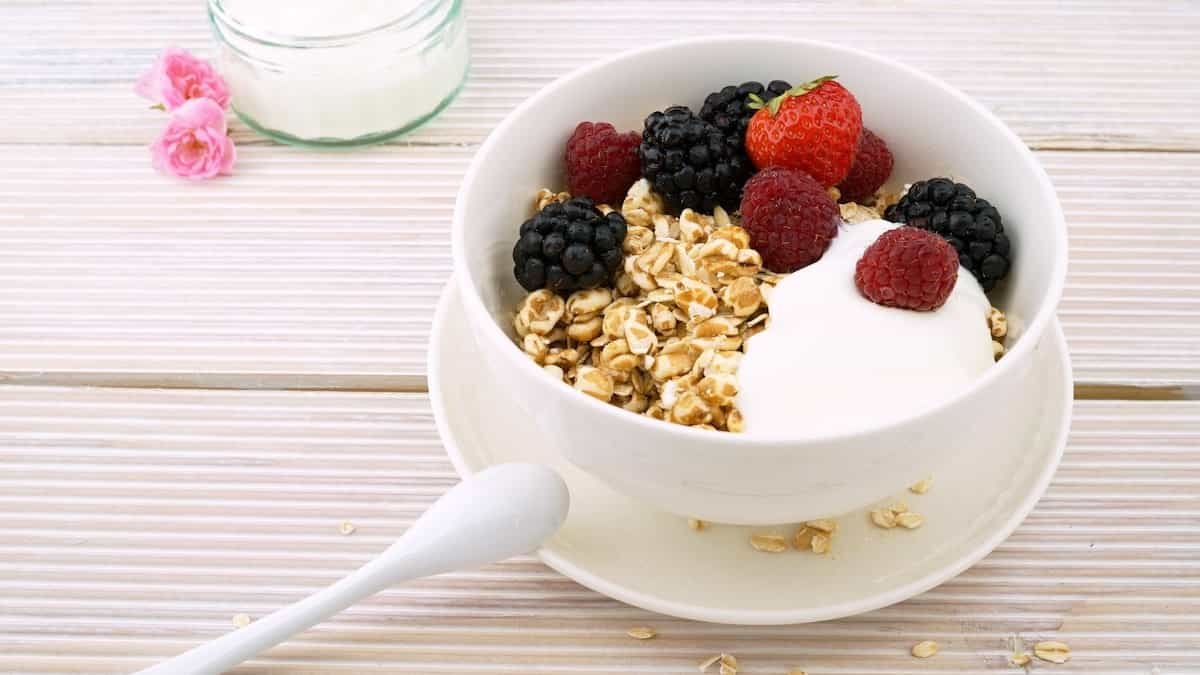
Probiotic-rich dairy feeds the gut bacteria that produce short-chain fatty acids and influence the vagus nerve. A small trial found that participants taking a probiotic supplement performed better on stress-induced memory tasks and had lower cortisol responses [4].
Pick plain Greek yogurt with "live and active cultures" on the label, and check the sugar content (under 6 g per serving is a reasonable cap). One cup delivers 15 to 20 g of protein, which also blunts the morning cortisol peak.
6. Fermented vegetables (sauerkraut, kimchi)
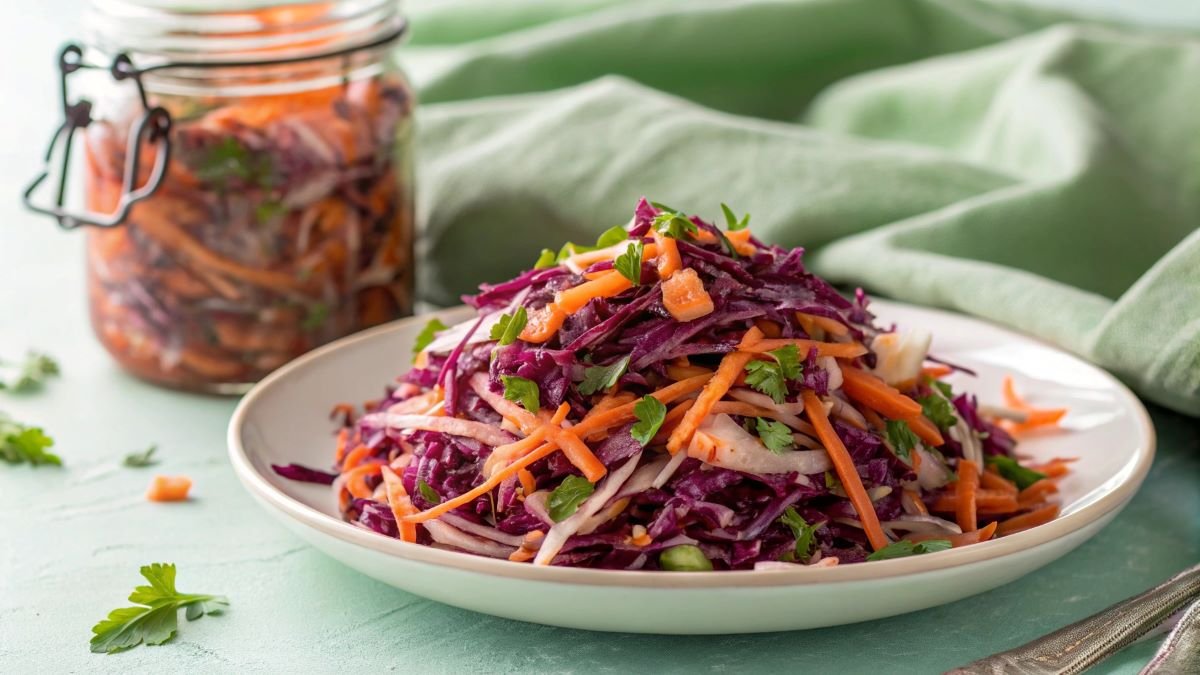
Fermented vegetables widen gut microbiome diversity within weeks. A Stanford trial showed that a high-fermented-food diet (six servings per day for ten weeks) increased microbiome diversity and lowered 19 inflammatory markers compared to a high-fiber control diet [15].
Lower inflammation tracks with lower baseline cortisol.
Start with 2 tablespoons of raw sauerkraut or kimchi daily. Refrigerated, unpasteurized brands contain live cultures; shelf-stable jars usually do not.
7. Bananas
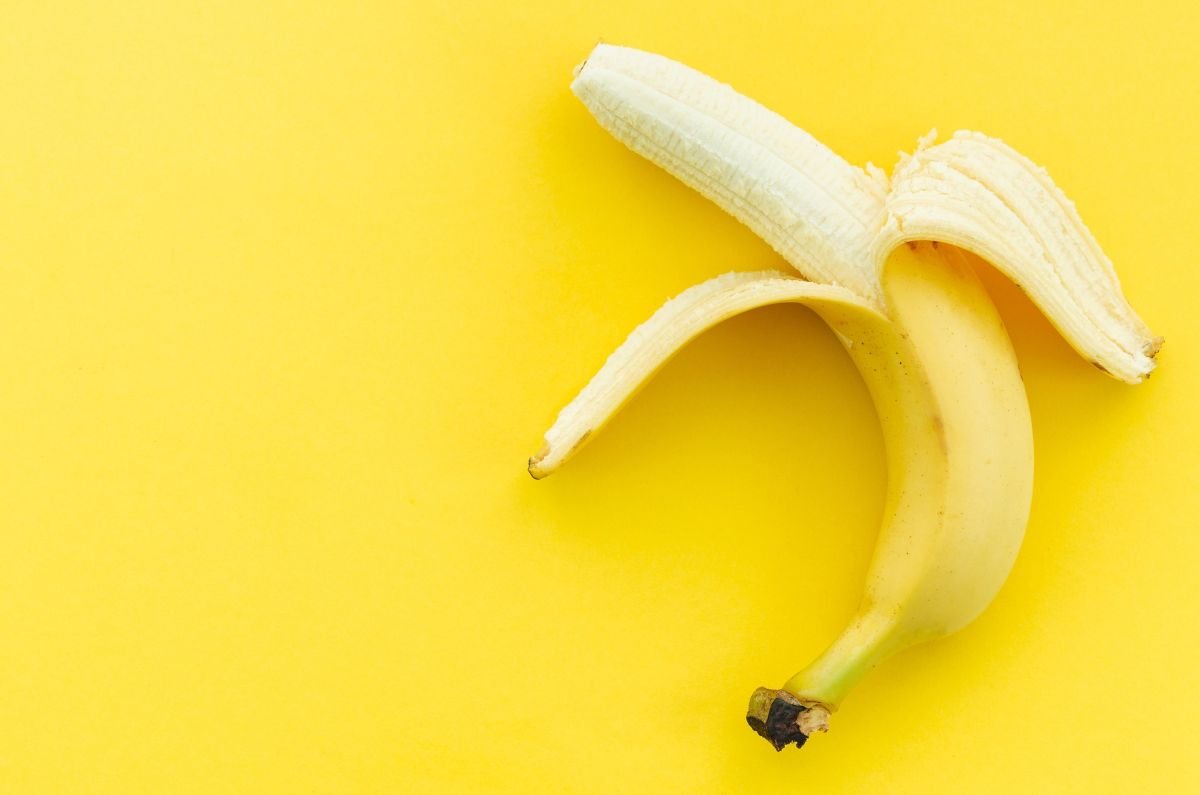
One medium banana contains 32 mg of magnesium, 422 mg of potassium, and 11 mg of tryptophan, the amino acid your body converts to serotonin [2].
A small study found that oral tryptophan lowered cortisol in some participants [16].
Bananas also provide steady carbohydrate energy that prevents the blood sugar dips that trigger cortisol release.
8. Eggs

Eggs deliver complete protein (6 g per large egg), 147 mg of choline, B12, B6, and folate [2]. Choline supports acetylcholine production, which helps regulate stress signaling. The B vitamins matter because a 60-day trial of B-complex supplementation reduced perceived stress and improved mood in working adults [8].
Eating two eggs at breakfast also helps blunt the cortisol awakening response by providing protein early.
9. Green tea
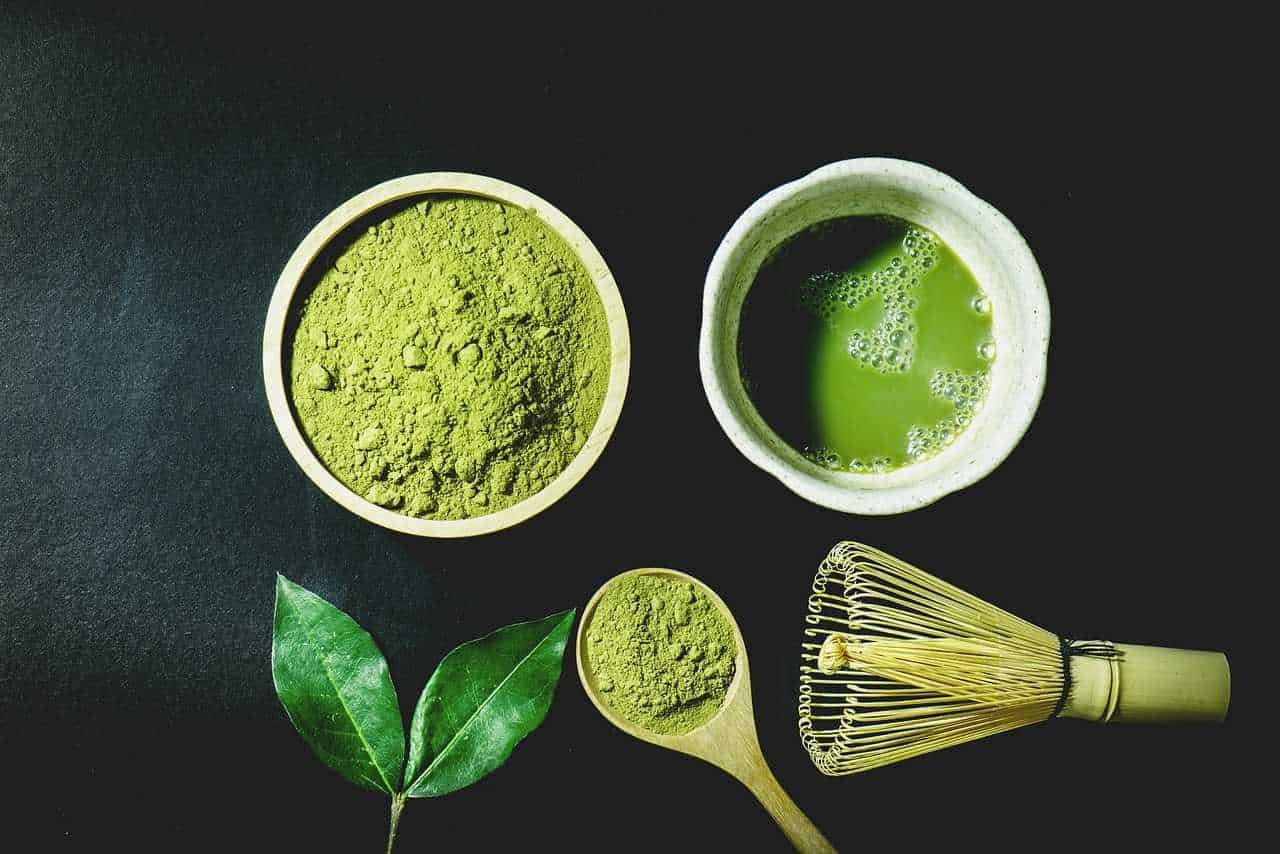
Green tea contains 25 to 60 mg of L-theanine per cup, an amino acid that crosses the blood-brain barrier and raises alpha brain wave activity within 30 to 45 minutes [5].
L-theanine offsets the cortisol-raising effect of green tea's caffeine, which is why a cup of green tea calms while a cup of coffee can jangle.
Brew loose leaf or a good-quality tea bag for three minutes. Two to three cups per day is reasonable.
10. Chamomile tea
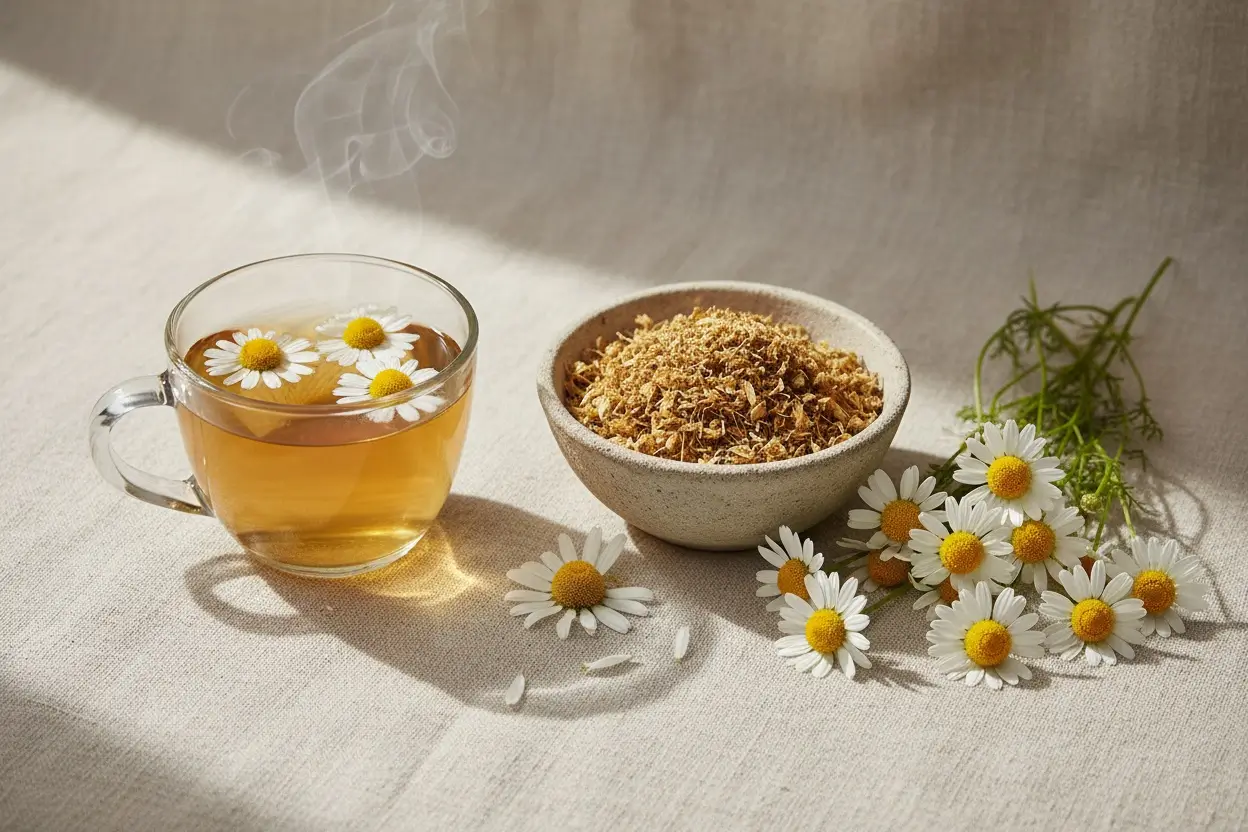
Chamomile contains apigenin, a flavonoid that binds to GABA receptors. A randomized trial in adults with generalized anxiety disorder found that 1,500 mg of chamomile extract daily reduced anxiety symptoms over eight weeks [17].
The whole-tea version delivers a smaller but still useful dose.
A cup 60 to 90 minutes before bed pairs well with chamomile's mild sedative effect.
11. Berries (blueberries, strawberries, blackberries)
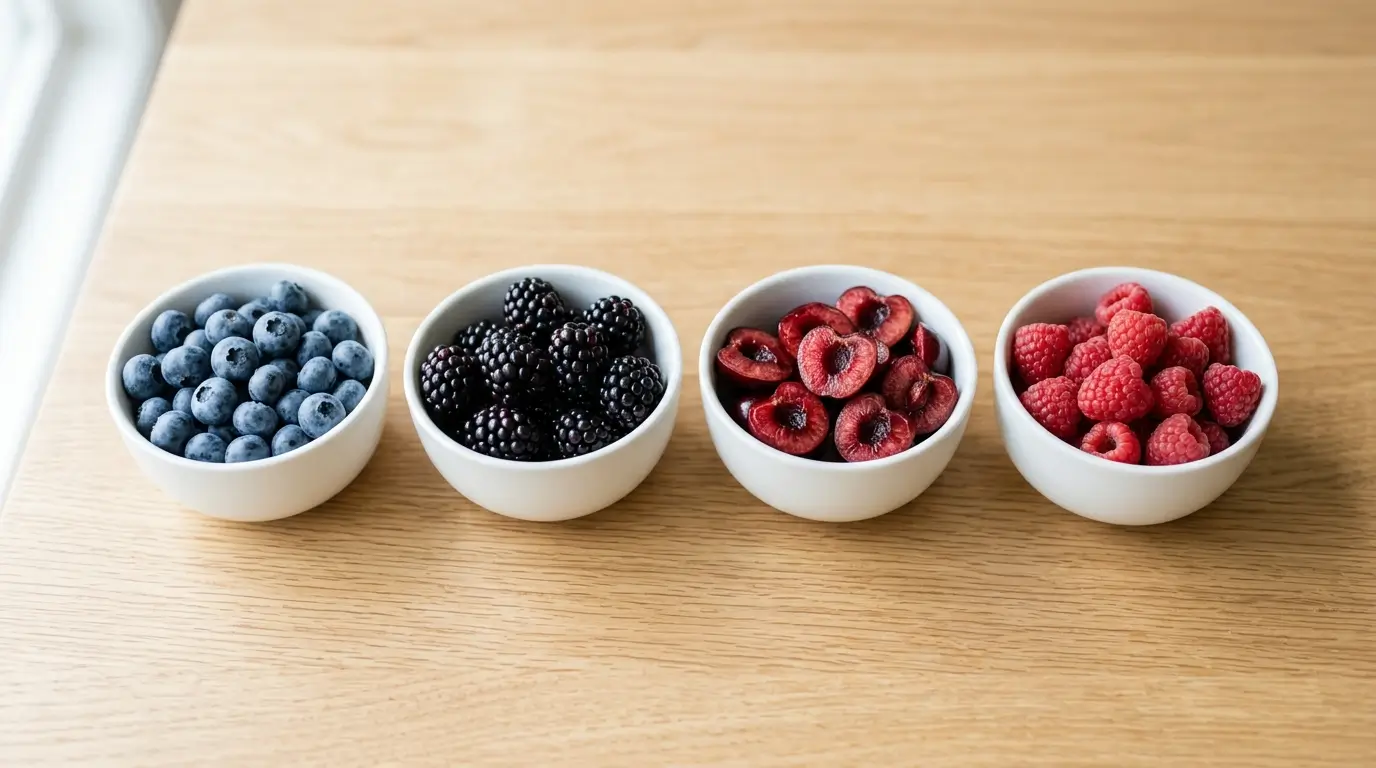
Berries are the densest common source of anthocyanins, polyphenols that reduce oxidative stress and inflammation. A clinical trial gave young adults a blueberry drink and measured improved positive mood and reduced negative mood after acute mental stress compared with placebo [18].
One cup of mixed berries daily covers most of the polyphenol target.
12. Whole grains (oats, quinoa, barley)
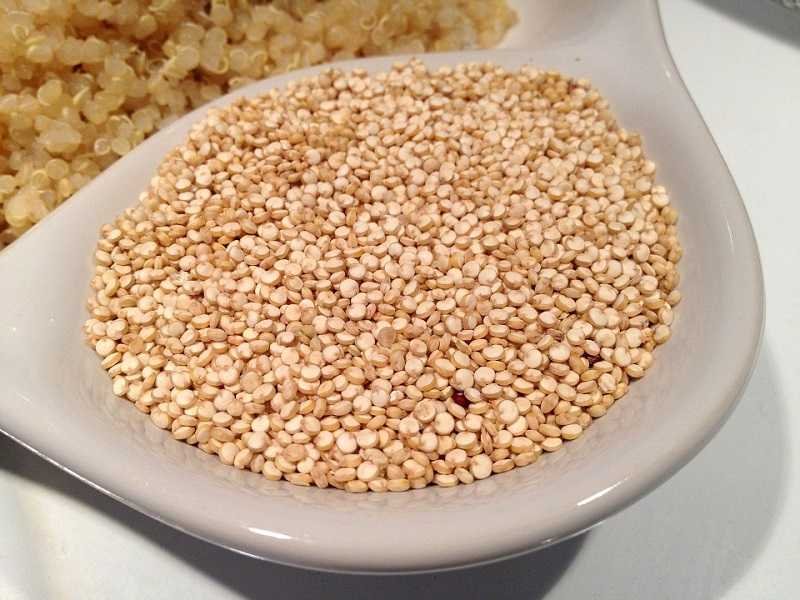
Whole grains release glucose slowly, preventing the blood sugar drops that trigger cortisol release. The same 2020 trial that flagged refined grains as cortisol-raising showed whole grains as cortisol-neutralizing [10].
Steel-cut oats, for example, have a glycemic index of about 55, compared to 79 for instant oats [19].
(Glycemic Index = how fast a food raises your blood sugar on a 0 to 100 scale)
Half a cup of dry oats or a cup of cooked quinoa at breakfast gives you fiber, magnesium, and steady energy.
13. Lentils and legumes
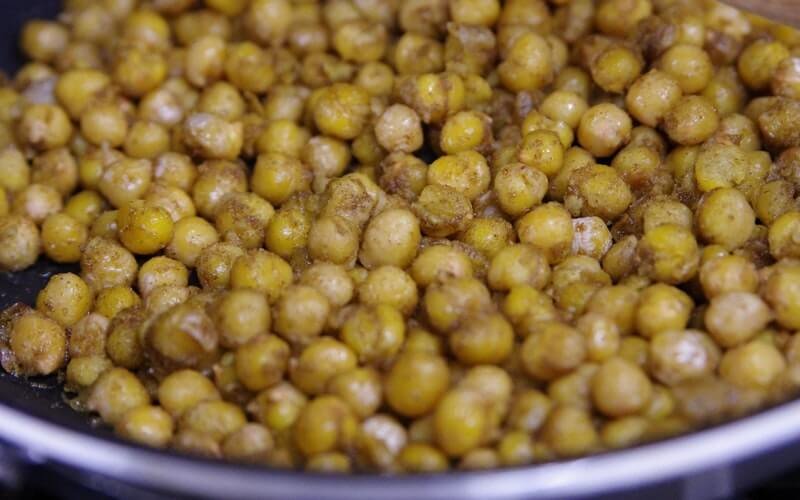
One cup of cooked lentils delivers 18 g of protein, 16 g of fiber, and 71 mg of magnesium. The fiber feeds gut bacteria that produce butyrate, an anti-inflammatory short-chain fatty acid that lowers HPA axis activation [20].
14. Nuts and seeds (almonds, walnuts, pumpkin seeds)

One ounce of pumpkin seeds (about a quarter cup) contains 156 mg of magnesium, more than spinach by weight [2]. Walnuts provide 2.5 g of plant-based omega-3 (ALA, alpha-linolenic acid) per ounce.
A daily handful of mixed nuts has been linked in cohort data to lower perceived stress and better cardiovascular markers [21].
Two tablespoons of pumpkin seeds on yogurt or salad is an easy daily anchor.
15. Water

Mild dehydration (about 1.5% body water loss) raises cortisol within hours, even at rest [22].
Most adults drink less than they think. A practical target is half your body weight in ounces per day, more if you exercise or drink coffee.
Front-load water in the morning. Two glasses before your first coffee helps prevent the dehydration-driven cortisol bump that compounds the morning peak.
Foods that spike cortisol (cut or limit these)
❌ Added sugar. Regular high added-sugar intake raises baseline cortisol and blunts your stress response so you handle pressure worse [10][23]. Aim under 25 g of added sugar per day (women) or 36 g (men), per the American Heart Association.
❌ Excess caffeine. Above roughly 400 mg per day (about 4 cups of brewed coffee), caffeine reliably raises cortisol in non-habituated drinkers [24]. Caffeine after 2 p.m. also disrupts sleep, which raises next-day cortisol. If you are sensitive, cap at 200 mg before noon.
❌ Alcohol. Even one to two drinks raise nighttime cortisol and fragment REM sleep [25]. The cortisol effect scales with dose; three drinks is meaningfully worse than one.
❌ Ultra-processed foods. The NOVA-4 category (packaged snacks, sweetened cereals, processed meats, soda) drives both inflammation and blood sugar volatility. People eating the most ultra-processed food have higher cortisol on average than those eating the least [26].
❌ Trans fats and fried foods. Fried fast food produces inflammation that feeds back into cortisol elevation. The link is indirect but consistent.
❌ Skipped meals and late-night eating. Going more than 5 hours without food during the day triggers a cortisol release to mobilize glucose. Eating within 2 hours of bed disrupts the nighttime cortisol low.
7-day cortisol-lowering meal plan
Each day pairs a protein-rich breakfast (to blunt the morning cortisol peak) with a magnesium-rich dinner (to support evening wind-down). Snacks are optional. Use the table below as your weekly shopping reference, and read the day-by-day notes underneath if you want substitution ideas.
| Day | Breakfast | Lunch | Dinner | Snack |
|---|---|---|---|---|
| Monday | BreakfastGreek yogurt with blueberries, walnuts, steel-cut oats | LunchSalmon and quinoa bowl with spinach | DinnerLentil soup, salad with olive oil | Snack2 squares dark chocolate |
| Tuesday | Breakfast2 eggs with spinach, whole-grain toast, avocado | LunchChickpea and kale salad with tahini | DinnerBaked cod, sweet potato, sautéed greens | SnackBanana with almond butter |
| Wednesday | BreakfastOvernight oats with chia, strawberries, kefir | LunchTurkey and avocado wrap on whole-grain tortilla | DinnerStir-fried tofu, brown rice, broccoli | SnackPumpkin seeds and an orange |
| Thursday | BreakfastGreen smoothie with spinach, banana, yogurt, walnuts, berries | LunchSardines on whole-grain crackers, side salad | DinnerGrilled chicken, quinoa tabbouleh, kimchi | SnackChamomile tea, dark chocolate |
| Friday | BreakfastVegetable omelet with feta, whole-grain toast, avocado | LunchLentil and roasted vegetable bowl | DinnerSalmon, barley pilaf, asparagus | SnackGreek yogurt with berries |
| Saturday | BreakfastOatmeal with banana, walnuts, cinnamon | LunchTuna salad over mixed greens with olive oil | DinnerBean chili with avocado and sauerkraut | SnackGreen tea, almonds |
| Sunday | BreakfastScrambled eggs, smoked salmon, sourdough, tomato | LunchLeftover chili | DinnerRoast chicken, sweet potato, garlicky spinach | SnackChamomile tea, dark chocolate |
Cortisol-friendly food swaps
Sugary cereal
Spikes glucose, triggers cortisol
Steel-cut oats with berries
Slow carbs, anthocyanins
White toast with jam
Refined carbs, no protein
Whole-grain toast with avocado
Fiber, magnesium, healthy fat
Third coffee of the day
Pushes caffeine past 400 mg
Green tea
L-theanine offsets caffeine
Glass of wine before bed
Raises nighttime cortisol
Chamomile tea
Apigenin, GABA pathway
Fried chicken sandwich
Trans fats, inflammation
Grilled salmon bowl
Omega-3, lean protein
Candy bar
Added sugar, blood sugar crash
25 g dark chocolate plus walnuts
Polyphenols, ALA omega-3
Energy drink
Caffeine plus sugar double hit
Water with lemon and pinch of salt
Hydration, electrolytes
When to eat for cortisol control
Timing matters almost as much as food choice. Three rules cover most of the benefit.
- Eat within 60 minutes of waking. Your cortisol awakening response peaks in this window. Protein and fat in that first meal blunt the spike. Black coffee on an empty stomach does the opposite.
- Stop eating 2 to 3 hours before bed. Late-night eating raises cortisol overnight and disrupts the nighttime low that supports growth hormone and recovery [27]. If you are hungry, a small protein and fat combo (Greek yogurt, a few nuts) is better than carbs alone.
- Keep meals every 3 to 4 hours during the day. Long gaps trigger glucose-mobilizing cortisol release. You do not have to graze, but a 14-hour daytime fast on a stressful day will raise your stress hormone load.
What about the cortisol cocktail trend? The viral drink (orange juice, coconut water, sea salt, cream of tartar) is essentially a glucose, potassium, and sodium beverage. The ingredients are fine, and the electrolytes may help if you wake up dehydrated. The specific cortisol-lowering claim is not supported by any controlled trial as of early 2026. Ed. note: drink it if you like it, but a real breakfast does more.
How long until you see results
Gut microbiome composition starts shifting within 24 to 72 hours of a diet change, with measurable diversity gains in 2 to 4 weeks [15].
Inflammatory markers like CRP (C-reactive protein, a blood test for body-wide inflammation) typically drop in 4 to 8 weeks on an anti-inflammatory diet [10].
Salivary cortisol patterns, where you can measure them, normalize over 8 to 12 weeks of consistent eating plus sleep and stress changes [3][10].
Body composition (the belly weight that drove a lot of you here) follows the slowest curve. Visible changes take 8 to 16 weeks of consistent diet, sleep, and movement combined. Diet alone, with poor sleep and zero exercise, will move the needle slowly.
Special populations
- Perimenopause. Falling estrogen amplifies the cortisol response to stress, which is why women in their 40s often feel more wired and gain weight despite eating the same way [28]. Push magnesium intake to the upper end (350 to 400 mg daily), eat protein at every meal, and keep alcohol low. The 3 a.m. wake-up pattern often improves within a month on this approach.
- Athletes. Heavy training raises cortisol acutely, which is fine. The problem starts when you under-fuel. A post-workout meal with 20 to 30 g of protein and 40 to 60 g of carbs within an hour blunts the cortisol elevation and supports recovery [29].
- Shift workers. Anchor your meals to your wake time, not the wall clock. Your "breakfast" is the first meal after sleep, even if that meal happens at 8 p.m. Avoid heavy meals in the four hours before your sleep window.
- Adrenal insufficiency or known endocrine conditions. Diet changes are supportive, not corrective. Work with an endocrinologist before assuming food alone will fix your symptoms.
Cortisol tips by population
Perimenopause
Falling estrogen amplifies the cortisol response. Push magnesium to 350 to 400 mg daily, eat protein at every meal, keep alcohol low.
Athletes
Heavy training raises cortisol acutely. Eat 20 to 30 g protein plus 40 to 60 g carbs within an hour post-workout to blunt the spike.
Shift workers
Anchor meals to your wake time, not the clock. Your first meal after sleep is breakfast, even if it lands at 8 PM. Avoid heavy meals 4 hours before sleep.
Adrenal insufficiency
Diet is supportive, not corrective. Work with an endocrinologist before assuming food alone fixes your symptoms.
Supplements worth considering
Food first, supplements second. Three supplements have decent human evidence for cortisol reduction.
- Ashwagandha. A randomized trial in 60 adults found that 250 or 600 mg of ashwagandha extract daily for 8 weeks reduced serum cortisol by 14 to 28% compared to placebo [30]. Look for KSM-66 or Sensoril standardized extracts.
- Fish oil. If you eat fatty fish less than twice per week, 1 to 2 g of combined EPA and DHA daily fills the gap [1]. Check for third-party testing (IFOS, USP).
- Magnesium glycinate. 200 to 400 mg before bed supports sleep and HPA axis recovery in people who are low [9]. Glycinate is gentler on the gut than oxide or citrate.
Talk to your doctor before adding any supplement, especially if you take blood pressure, thyroid, or psychiatric medication.
Frequently asked questions
Citations
- [1] Thesing CS, et al. "Omega-3 polyunsaturated fatty acid levels and dysregulations in biological stress systems" - Psychoneuroendocrinology, 2018.
- [2] USDA FoodData Central - https://fdc.nal.usda.gov - accessed 2026.
- [3] Tsang C, et al. "Effect of polyphenol-rich dark chocolate on salivary cortisol and mood in adults" - Antioxidants, 2019.
- [4] Papalini S, et al. "Stress matters: Randomized controlled trial on the effect of probiotics on neurocognition" - Translational Psychiatry, 2021.
- [5] Williams JL, et al. "The effects of green tea amino acid L-theanine on mental health" - Plant Foods for Human Nutrition, 2020.
- [6] Adam EK, et al. "Diurnal cortisol slopes and mental and physical health outcomes" - Psychoneuroendocrinology, 2017.
- [7] Thau L, Gandhi J, Sharma S. "Physiology, Cortisol" - StatPearls, 2023.
- [8] Stough C, et al. "The effect of 90 day administration of a high dose vitamin B-complex on work stress" - Human Psychopharmacology, 2011.
- [9] Pickering G, et al. "Magnesium status and stress: The vicious circle concept revisited" - Nutrients, 2020.
- [10] Aucoin M, Bhardwaj S. "Generalized Anxiety Disorder and Hypothalamic-Pituitary-Adrenal Axis: Effects of Dietary Patterns" - Nutrients, 2019.
- [11] Cleveland Clinic - "Cushing's Syndrome" - 2023.
- [12] National Institutes of Health Office of Dietary Supplements - "Magnesium Fact Sheet for Health Professionals" - 2022.
- [13] Tabeshpour J, et al. "Effects of avocado consumption on oxidative stress" - Journal of Food Biochemistry, 2021.
- [14] Pacheco LS, et al. "Avocado Consumption and Risk of Cardiovascular Disease" - Journal of the American Heart Association, 2022.
- [15] Wastyk HC, et al. "Gut-microbiota-targeted diets modulate human immune status" - Cell, 2021.
- [16] Capello AEM, Markus CR. "Effect of sub chronic tryptophan supplementation on stress-induced cortisol" - Psychoneuroendocrinology, 2014.
- [17] Mao JJ, et al. "Long-term chamomile therapy for generalized anxiety disorder" - Phytomedicine, 2016.
- [18] Khalid S, et al. "Effects of Acute Blueberry Flavonoids on Mood in Children and Young Adults" - Nutrients, 2017.
- [19] Atkinson FS, et al. "International tables of glycemic index and glycemic load values 2021" - American Journal of Clinical Nutrition, 2021.
- [20] Dalile B, et al. "The role of short-chain fatty acids in microbiota-gut-brain communication" - Nature Reviews Gastroenterology, 2019.
- [21] Guasch-Ferré M, et al. "Nut consumption and risk of cardiovascular disease" - Journal of the American College of Cardiology, 2017.
- [22] Maresh CM et al. "Effect of hydration state on plasma testosterone, cortisol and catecholamine concentrations before and during mild exercise" - European Journal of Applied Physiology, 2006.
- [23] Tryon MS, et al. "Excessive sugar consumption may be a difficult habit to break" - Journal of Clinical Endocrinology and Metabolism, 2015.
- [24] Lovallo WR, et al. "Cortisol responses to mental stress, exercise, and meals following caffeine intake" - Pharmacology Biochemistry and Behavior, 2006.
- [25] Spencer RL, Hutchison KE. "Alcohol, aging, and the stress response" - Alcohol Research and Health, 1999.
- [26] Lane MM, et al. "Ultraprocessed food and chronic noncommunicable diseases" - BMJ, 2024.
- [27] Kinsey AW, Ormsbee MJ. "The health impact of nighttime eating" - Nutrients, 2015.
- [28] Woods NF, et al. "Cortisol levels during the menopausal transition" - Menopause, 2009.
- [29] Kerksick CM, et al. "International Society of Sports Nutrition position stand: nutrient timing" - Journal of the International Society of Sports Nutrition, 2017.
- [30] Salve J, et al. "Adaptogenic and Anxiolytic Effects of Ashwagandha Root Extract" - Cureus, 2019.
