Best supplements for injury recovery: 11 picks ranked by evidence New
What to take for muscle, tendon, and bone injuries, how much to take, and which picks have real trials
Enjoying this article?Add FoodNourish as a preferred source on Google and see our research-backed guides more often in your search results.
Which supplements help injuries heal faster?
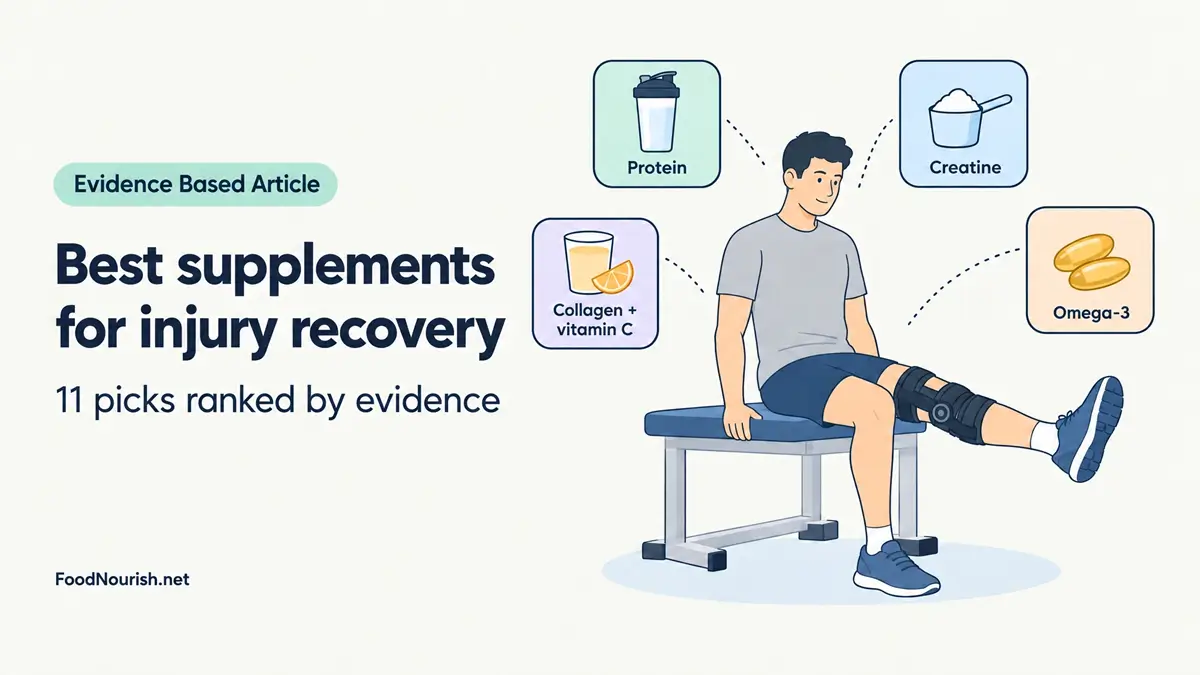
Protein, creatine, collagen with vitamin C, and omega-3 have the best human data for injury recovery. The rest of this list helps only if you’re low in that nutrient, or it rests on small and early studies.
The table ranks all 11 by evidence grade.
- Grade A = several human trials or expert guidelines.
- Grade B = at least one small trial in injured or immobilized people.
- Grade C = lab data, a plausible mechanism, or a benefit only when you’re deficient.
Your injury type changes the pick.
- A muscle tear in a cast calls for protein and creatine.
- An Achilles or knee tendon problem points to collagen with vitamin C.
- A fracture calls for a vitamin D blood test before any pill.
Best supplements for injury recovery, by injury type
Showing 11 of 11
| Supplement | Best for | Dose in research or guidelines | When to take | Evidence | Key source |
|---|---|---|---|---|---|
| Protein | Any injury, most of all in a cast or brace | 1.4 to 2.0 g/kg daily; 2.0 to 2.5 g/kg while immobilized | 20 to 40 g per meal, every 3 to 4 hours | A | Tipton 2015 [4]; ISSN 2017 [5] |
| Creatine monohydrate | Muscle regrowth after a cast | 20 g/day at first, then 5 g/day | Daily, by the time rehab starts | B | Hespel 2001 [3] |
| Collagen + vitamin C | Tendinopathy, ligament injury | 15 g gelatin with vitamin C, or 5 g collagen peptides | 1 hour before rehab | B | Shaw 2017 [6]; Praet 2019 [7] |
| Omega-3 (EPA + DHA) | Tendon pain, muscle loss while immobilized | 0.64 g to about 5 g EPA + DHA daily | With meals | B | Mavrogenis 2004 [1]; McGlory 2019 [2] |
| Vitamin D + calcium | Fractures, only if you’re low | Vitamin D upper limit 4,000 IU; calcium 1,000 mg/day (ages 19 to 50) | After a blood test | C | Gatt 2023 [11]; NIH [12][13] |
| Vitamins C and E | Collagen synthesis (vitamin C) | Food first; vitamin C upper limit 2,000 mg | With meals | C | Paulsen 2014 [9]; NIH [10] |
| Pycnogenol | Cramps and muscle pain in rehab | Follow the label | Daily | C | Vinciguerra 2006 [14] |
| MSM | Joint pain, muscle soreness | Up to 4 g/day | Daily | C | Butawan 2017 [15] |
| Zinc | Wound healing, only if you’re low | Upper limit 40 mg/day | With food | C | NIH [16] |
| Magnesium | Cramps, only if you’re low | Supplement upper limit 350 mg/day | Any time | C | NIH [17] |
| SAMe | Joint pain (osteoarthritis data) | Ask your doctor first | Daily | C | NCCIH [18] |
1. Is creatine worth taking while you’re injured?
Dose used in the trial = 20 g per day at first, tapering to 5 g per day [3].
Yes, if your injury keeps a limb in a cast, brace, or sling. In one well-run trial, creatine monohydrate helped muscle regrow faster once rehab started [3].
Disuse atrophy = muscle loss from not using a body part. It starts fast. In the 2001 Hespel trial, 22 healthy young adults went through 2 weeks of leg immobilization in a cast, taking creatine or a placebo (a dummy powder). Thigh muscle size fell about 10% and power about 25% in both groups [3].
The gap opened during the 10 weeks of rehab that followed. The creatine group regained muscle size and power faster than the placebo group [3].
“Does creatine help while I’m still in the cast?” – This trial says no. Creatine did not slow the loss during casting; it sped up the rebuild afterward [3]. Our take is to start it no later than the day your cast comes off.
One trial of 22 people is a small base. It is still the most direct test of creatine in an injury-like setting.
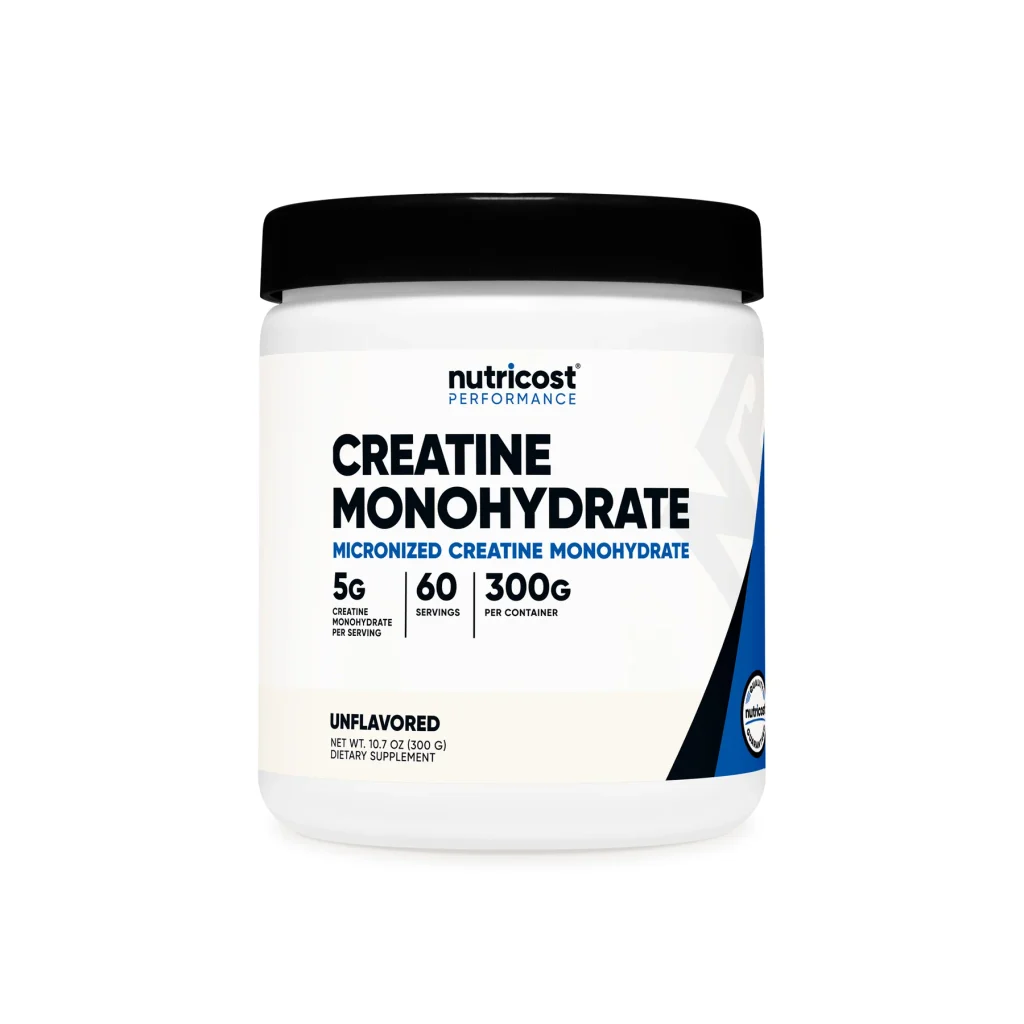
Our pick is Nutricost Creatine Monohydrate, which gives 5 g per scoop. When you compare brands, look for “creatine monohydrate” as the only ingredient on the label.
2. How much protein do you need when injured?
Dose = 20 to 40 g per meal, every 3 to 4 hours [5].
Aim for a protein intake per kilogram of body weight of 1.4 to 2.0 g daily, rising to 2.0 to 2.5 g/kg while a limb is immobilized [4][5].
Protein is the most underrated pick on this list, because a shortfall costs you muscle every day you’re out.
Why would you need more protein when you’re moving less? Immobilization makes your muscles respond less to the protein you eat, a problem researchers call anabolic resistance [4].
Eating more protein helps offset it.
For a 70 kg (154 lb) person, 2.0 g/kg = 140 g of protein a day. That works out to 4 meals with 35 g each.
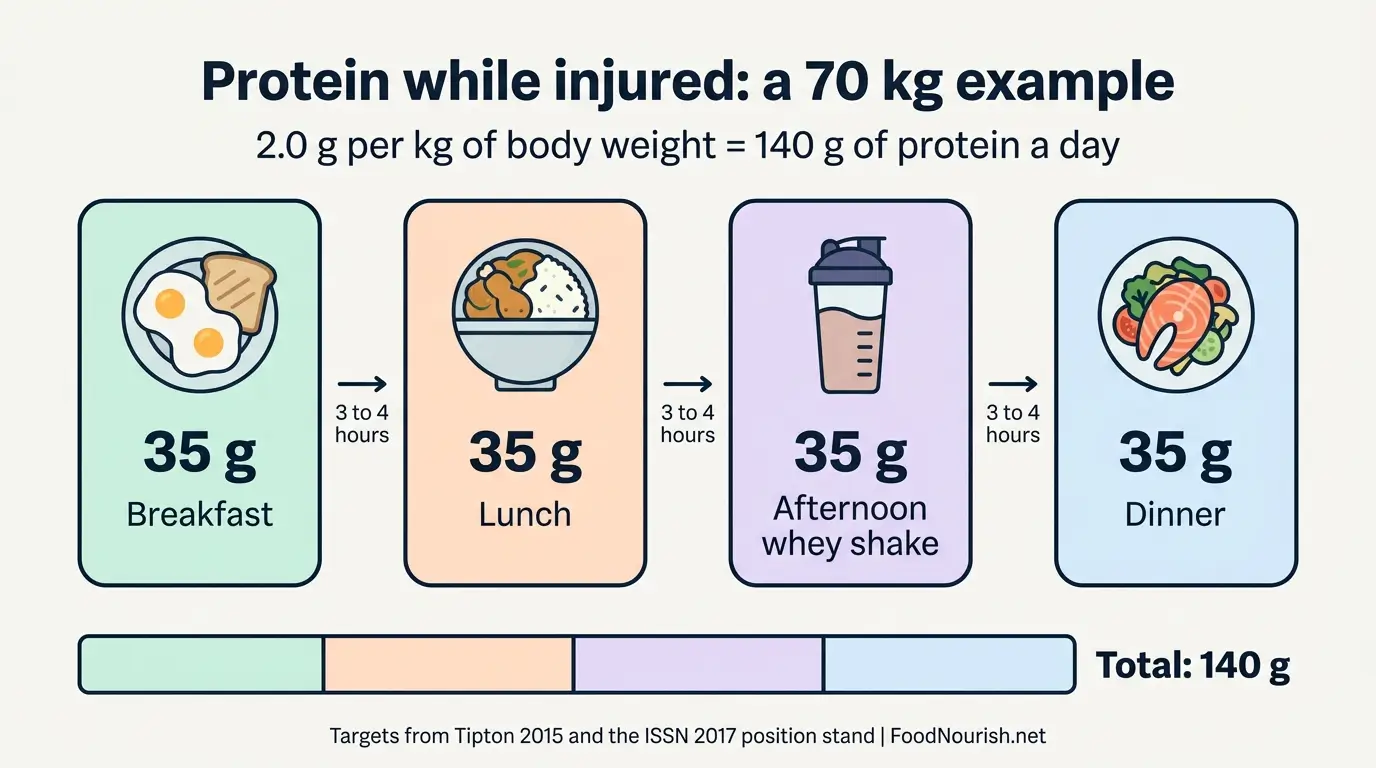
Food covers this for most people. Whey protein helps when your appetite drops or you can’t cook. Whey is rich in leucine, the amino acid that signals your muscles to start building [5].
Your calories matter too. A sharp calorie cut while injured can speed muscle loss, so eat close to the calories that keep your weight steady [4].
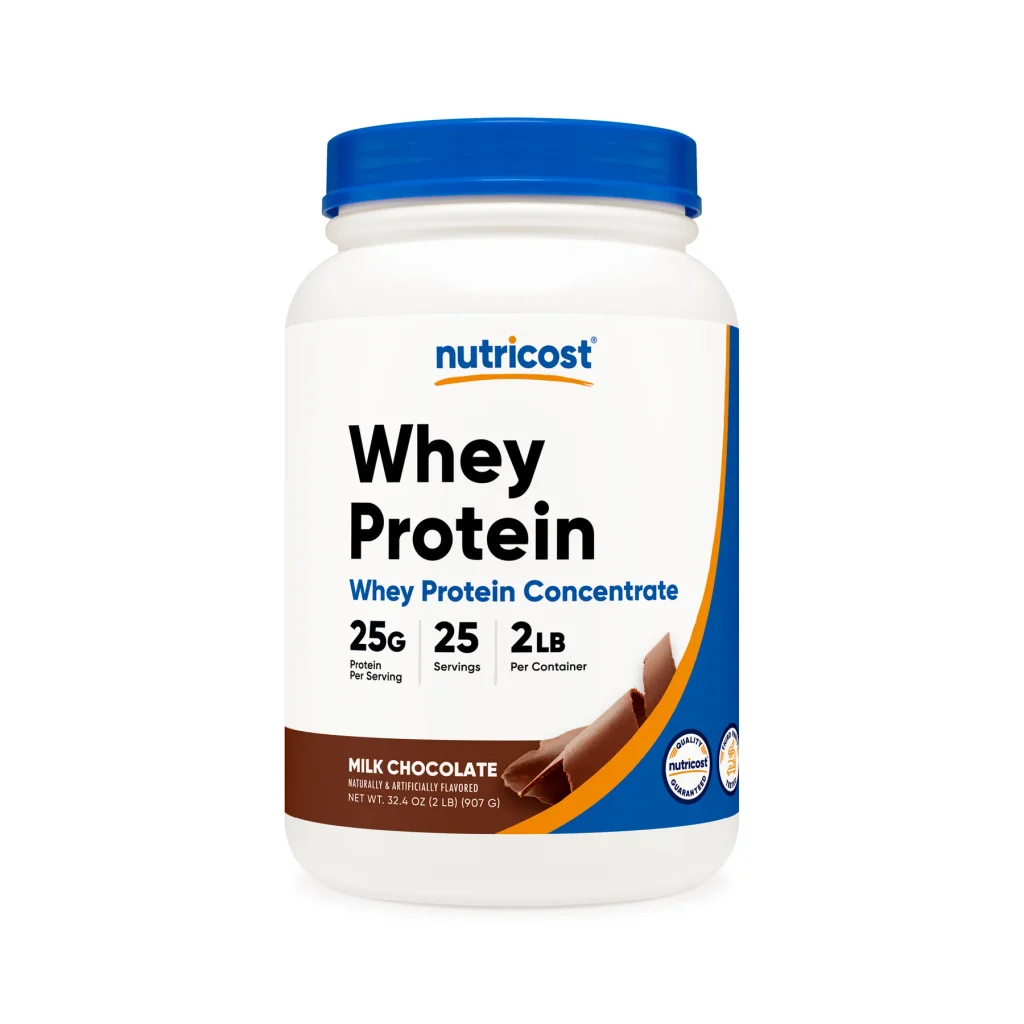
Our pick is Nutricost Whey Protein Isolate, with 30 g of protein per scoop. If dairy bothers you, compare it against a plant protein with at least 20 g per serving.
3. Does collagen with vitamin C help tendons and ligaments heal?
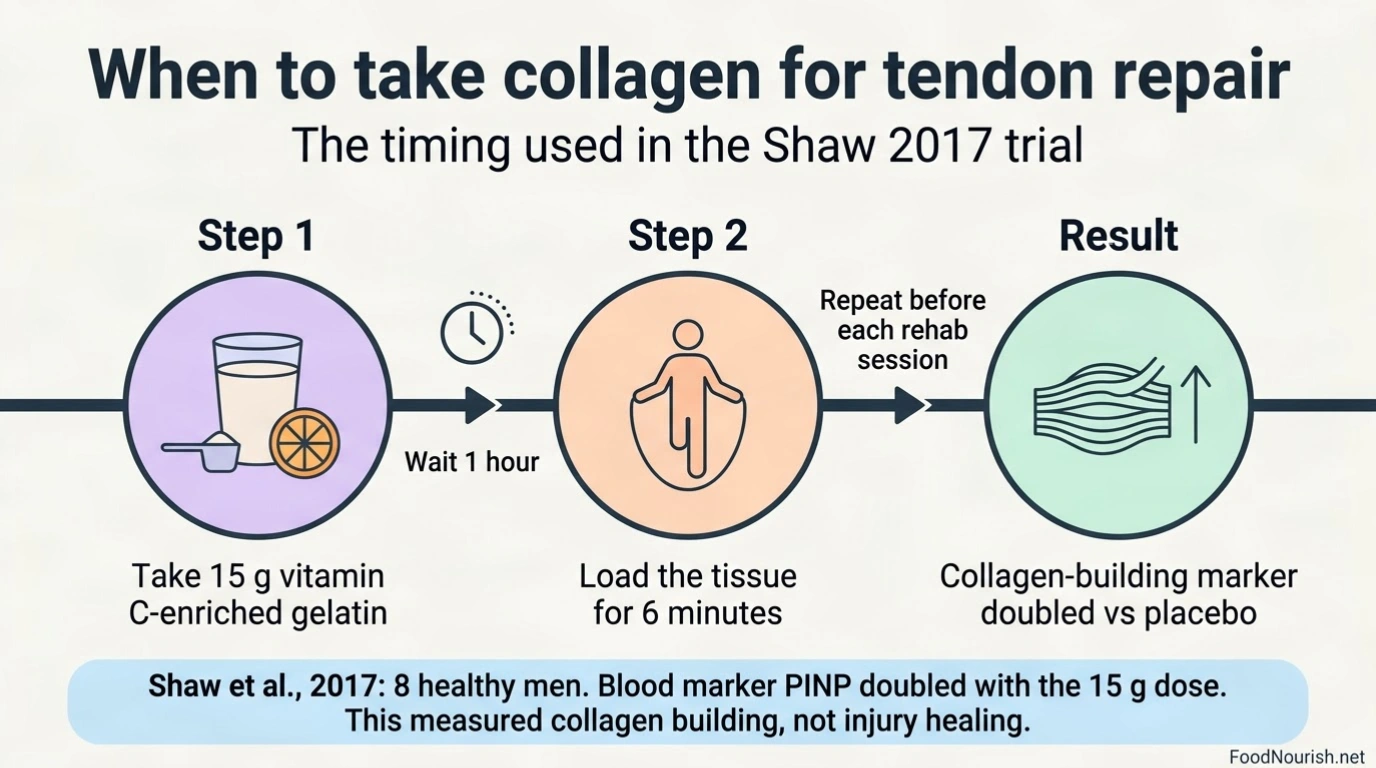
Dose used in research = 15 g of vitamin C-enriched gelatin, or 5 g of specific collagen peptides daily [6][7].
Timing = 1 hour before your rehab session [6].
Collagen with vitamin C has the strongest human data among supplements for tendon repair. Taken an hour before rehab exercise, it raised collagen-building markers in a lab trial and improved Achilles function in a small clinical one [6][7].
Tendons and ligaments are mostly collagen. Vitamin C is a cofactor your body needs to build it [10].
(Cofactor = a helper molecule an enzyme needs to do its job).
In the 2017 Shaw trial, 8 healthy men took 5 g or 15 g of vitamin C-enriched gelatin, or a placebo, 1 hour before 6 minutes of rope skipping [6].
The 15 g dose doubled PINP, a blood marker that rises when your body makes collagen. Blood serum taken from the men after the 15 g dose also made lab-grown ligaments stronger [6].
In the 2019 Praet pilot study, 20 people with Achilles tendinopathy did daily calf exercises and took collagen peptides or a placebo. Tendinopathy = long-term tendon pain and weakness from overload. On placebo, function scores rose 5.3 points in 3 months, below the 6.5 points patients can notice. The group that started on collagen improved more than twice as much [7].
A 2022 systematic review of nutrition and tendon health found collagen-derived peptides in most of the supplement studies it examined. Results were better when supplements went alongside training [8].
“Can I just take collagen with my breakfast?” You can, but the trials timed it before loading the tendon. If your rehab starts at 6 p.m., take it at 5 p.m.
Both trials are small, and Shaw measured blood markers, not healing. Even so, collagen with vitamin C is the one pick aimed straight at tendons and ligaments.
Our pick is Nutricost Grass-Fed Collagen Hydrolysate. Check the scoop size and use enough to reach about 15 g. Pair it with an orange or Vitamin C.
4. Do omega-3 fatty acids help injuries heal?
Dose used in research = 0.64 g to about 5 g of EPA plus DHA daily [1][2].
Omega-3 fatty acids may lower pain from chronic tendon problems and slow muscle loss while a limb is immobilized. Two small trials back this, so treat omega-3 as a helper alongside rehab.
EPA and DHA = the two main omega-3 fats in fish oil.
In a 2004 Danish trial, 40 recreational athletes with chronic tendon disorders took either a daily blend or a placebo. The blend contained EPA, DHA, GLA (gamma-linolenic acid, a fat from plant seed oils), and antioxidants. Both groups also had 16 ultrasound treatments over 32 days. Pain scores fell 99% with the blend and 31% with placebo. Sport activity rose 53% and 11% [1].
(Ed. note: an earlier version of this article said this trial “cured” 40 athletes. It reported large drops in pain, and 31 people finished the study.)
Those results are striking for a small trial. The blend mixed several ingredients, so no one can say which one did the work.
The 2019 McGlory trial gives a cleaner test. 20 young women took about 5 g a day of omega-3 or a control oil for 4 weeks, then had one leg immobilized for 2 weeks [2]. The control group lost 14% of its leg muscle volume, and the omega-3 group lost 8%.
“Is my regular fish oil capsule enough?” Probably not for this effect. Read the EPA and DHA amounts on the back label, not the fish oil total on the front. The McGlory group took about 3 g of EPA and 2 g of DHA a day [2].
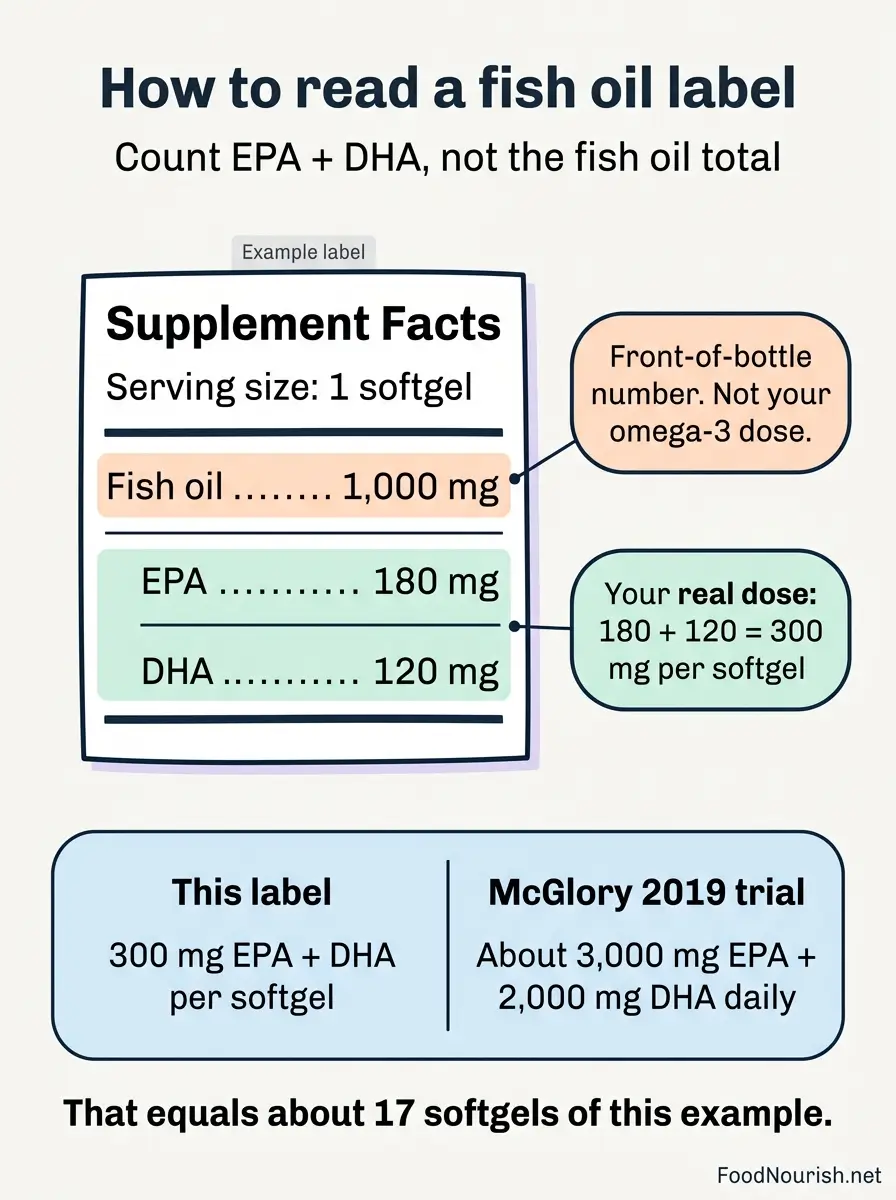

Our pick is Xtend-Life Omega 3/DHA Fish Oil, with 700 mg of DHA in 2,000 mg of fish oil per serving. It leans toward DHA, while the muscle trial used more EPA, so compare EPA content if muscle loss is your main concern.
5. Do vitamins E and C speed up healing?
Dose = food first; the adult upper limit for vitamin C is 2,000 mg per day [10].
Upper limit = the highest daily intake unlikely to cause harm.
After the existing paragraphs: Vitamin C also drives collagen synthesis, the process your body uses to rebuild tendons, ligaments, and skin [10].
So should you skip vitamin C? No, but keep the dose modest. In a 2014 trial, 54 young adults took 1,000 mg of vitamin C plus 235 mg of vitamin E daily through 11 weeks of endurance training. The pills blunted the training-driven rise in mitochondrial proteins, which help your cells make energy [9].
That trial studied training, not injury. It still suggests that high-dose antioxidant pills can mute the signals your body uses to adapt. Get vitamin C from food or a low-dose supplement, and stay under 2,000 mg a day [10].
6. Do vitamin D and calcium speed up fracture healing?
Dose = enough to correct a deficiency your doctor confirms; the adult upper limit for vitamin D is 4,000 IU (international units) per day [12]. Calcium = 1,000 mg per day for most adults aged 19 to 50 [13].
Not on their own, unless you’re low. A 2023 systematic review found that vitamin D alone did little for fracture healing, bone union rates, or function [11].
Bone needs vitamin D and calcium to stay strong, and vitamin D helps your gut absorb calcium [12]. If you’re deficient, correcting it gives a healing bone the raw materials it needs.
“Should I take vitamin D after I break a bone?” Ask for a blood test first. Extra vitamin D shows little benefit for fracture healing, and too much can push blood calcium to unsafe levels [11][12].
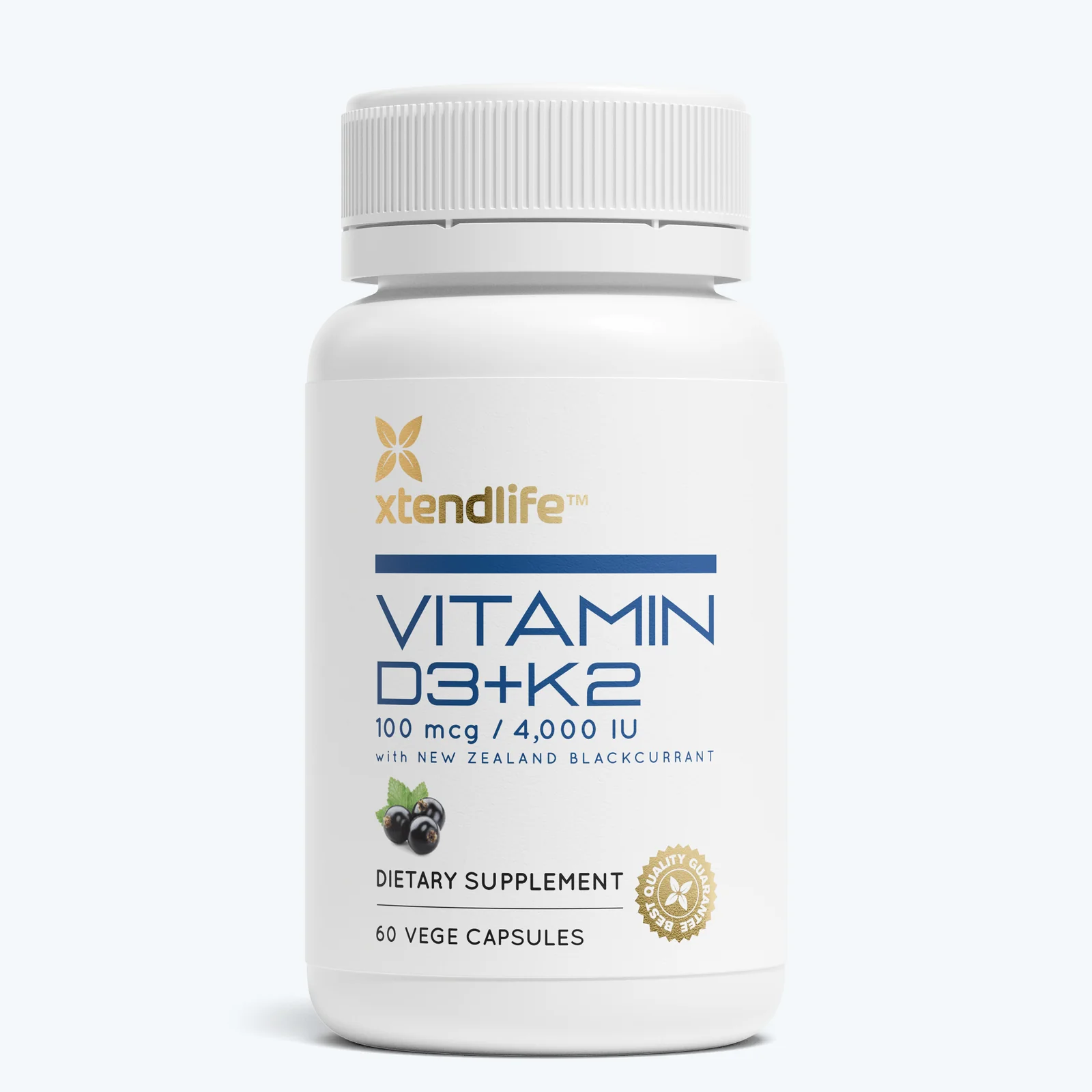
For readers with a confirmed low level, our pick is Xtend Life’s Vitamin D3 + K2 (4000 IU).
7. Does Pycnogenol reduce injury pain?
Dose = follow the label; no injury trial has set one.
Pycnogenol, a complex of natural antioxidants obtained from the bark of French sea pines, has impressive anti-inflammatory properties. It also increases the synthesis of collagen and elastin in the body.
The best human data on Pycnogenol for active people comes from a 2006 study of 113 participants, including athletes prone to cramps. In the athlete group, cramp episodes fell from 8.6 to 2.4. The authors concluded that it reduced pain and cramps during retraining and rehab [14].
We rank it low. The study came from one research group, tested one branded extract from Horphag Research, and measured cramps rather than tissue healing [14].
(Ed. note: we removed an older anecdote about a hockey player from this section because we could not trace it to a published source.)
If you want to try it, compare standardized Pycnogenol products and prices on iHerb.
8. Does MSM help joint and muscle pain?
Dose = up to 4 g per day, an amount most people tolerate well [15].
MSM (methylsulfonylmethane) is a sulfur compound found in small amounts in foods. A 2017 review found it may reduce joint pain and exercise-related muscle soreness, mostly in small trials. MSM has GRAS status = “generally recognized as safe” for use in food [15].
We put MSM in the “may ease pain” group, not the “speeds healing” group. No trial we found tested it on tendon or muscle repair.
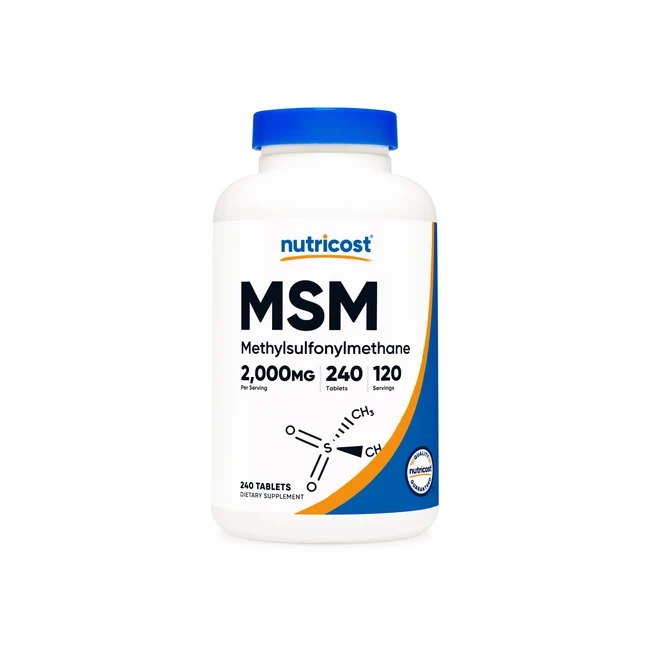
Our pick is Nutricost MSM Tablets, at 2,000 mg per serving.
9. Does zinc speed up wound healing?
Dose = the amount that corrects a deficiency; the adult upper limit is 40 mg per day [16].
Only if you’re low. Zinc deficiency can delay wound healing, and older adults face a higher risk [16].
Zinc helps your body build proteins and run immune defenses, and repair draws on both. Taking too much zinc for a long time can cause copper deficiency [16].
Meat, shellfish, beans, and seeds cover most people’s needs. If you eat few of those foods, ask your doctor to check your zinc level.
When you compare products on iHerb, check the elemental zinc per serving.
10. Does magnesium help injury recovery?
Dose = the upper limit for magnesium from supplements is 350 mg per day for adults [17].
No trial we found shows that magnesium speeds tissue repair. It matters if you’re low, because low magnesium can cause muscle cramps [17].
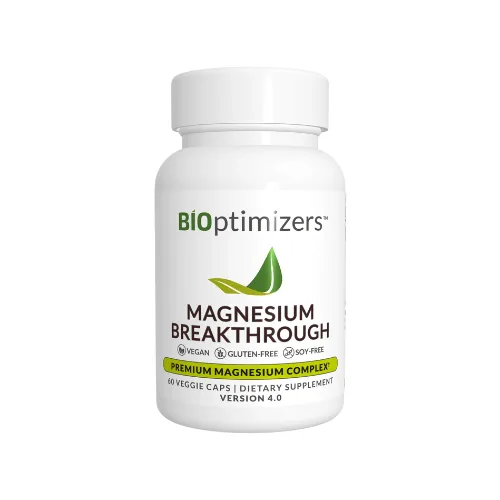
Our pick is BIOptimizers Magnesium Breakthrough, which combines several forms of magnesium. A full serving lists 500 mg, above the 350 mg supplemental upper limit, so start with a partial serving and ask your doctor. We cover its forms and price in our separate review.
11. Does SAMe help tissue repair?
Dose = ask your doctor first; long-term safety data is limited [18].
SAMe (S-adenosyl-L-methionine) is a compound your body makes from the amino acid methionine. Its human research covers osteoarthritis pain, not injury healing. The National Center for Complementary and Integrative Health notes that little is known about its long-term safety, and that it may carry special risks for some people [18].
We rank SAMe last of the 11. If your doctor agrees, compare products on iHerb.
Can supplements slow your recovery?
Yes, in some cases. High-dose antioxidant or anti-inflammatory pills, blood-thinning supplements before surgery, and contaminated products can each set you back.
Can a vitamin make your recovery worse? The 2014 vitamin C and E trial suggests that high doses can blunt how your body adapts to training [9]. Inflammation after an injury is part of the repair process, so a pill that mutes it may work against you [4].
Fish oil can add to the effect of blood thinners such as warfarin [22]. If you have surgery coming up, ask your surgeon when to stop taking it.
Vitamin D above 4,000 IU a day, without a medical reason, can raise blood calcium to harmful levels [12].
Zinc above 40 mg a day for long periods can cause copper deficiency [16].
Contamination is the risk most people miss. The FDA does not approve supplements before they go on sale [19].
If you compete in tested sport, choose products with NSF Certified for Sport, the program the U.S. Anti-Doping Agency (USADA) recognizes [20].
Which supplement should you start with?
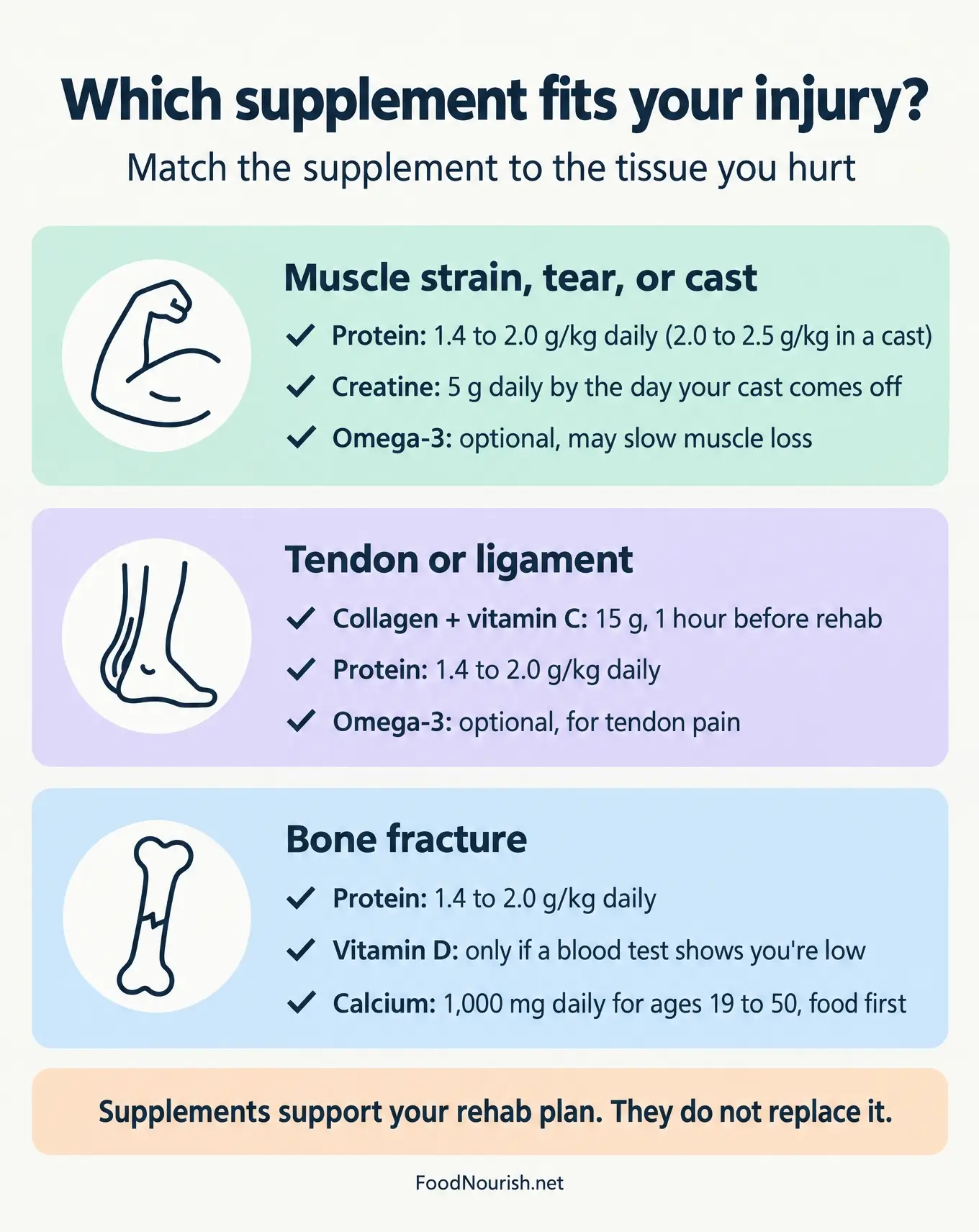
Start with protein, because every injury needs it and a shortfall costs muscle daily [4]. Add creatine if a cast or brace keeps a limb still [3]. Add collagen with vitamin C 1 hour before rehab if you hurt a tendon or ligament [6][7].
Get tested before you take vitamin D, zinc, or magnesium. Treat omega-3 as an optional extra; its best case is tendon pain and immobilized muscle [1][2].
Our verdict for a typical sprain or strain = 2.0 g/kg of protein from food plus whey, 5 g of creatine daily, and 15 g of collagen with vitamin C before each rehab session. Bring this list to your physio or doctor and adjust it to your injury and medications.
Frequently asked questions
How we researched this
We reviewed the top-ranking pages on this topic, then read the primary studies they cite. A supplement made this list only if at least one human trial or an NIH fact sheet backs the claim.
We checked every study against its original abstract, corrected errors in the earlier version of this article, and removed one anecdote we could not source.
Doses come from the trials or from NIH upper limits.
References
- Physical Therapy in Sport – “The effect of essential fatty acids and antioxidants combined with physiotherapy treatment in recreational athletes with chronic tendon disorders: A randomised, double-blind, placebo-controlled study” – 2004
- The FASEB Journal – “Omega-3 fatty acid supplementation attenuates skeletal muscle disuse atrophy during two weeks of unilateral leg immobilization in healthy young women” – 2019
- The Journal of Physiology – “Oral creatine supplementation facilitates the rehabilitation of disuse atrophy and alters the expression of muscle myogenic factors in humans” – October 2001
- Sports Medicine – “Nutritional Support for Exercise-Induced Injuries” – November 2015
- Journal of the International Society of Sports Nutrition – “International Society of Sports Nutrition Position Stand: protein and exercise” – June 2017
- The American Journal of Clinical Nutrition – “Vitamin C-enriched gelatin supplementation before intermittent activity augments collagen synthesis” – January 2017
- Nutrients – “Oral Supplementation of Specific Collagen Peptides Combined with Calf-Strengthening Exercises Enhances Function and Reduces Pain in Achilles Tendinopathy Patients” – January 2019
- Journal of the International Society of Sports Nutrition – “The impact of nutrition on tendon health and tendinopathy: a systematic review” – August 2022
- The Journal of Physiology – “Vitamin C and E supplementation hampers cellular adaptation to endurance training in humans: a double-blind, randomised, controlled trial” – 2014
- NIH Office of Dietary Supplements – “Vitamin C: Fact Sheet for Health Professionals” – accessed October 2026
- Advances in Orthopedics – “The Effect of Vitamin D Supplementation for Bone Healing in Fracture Patients: A Systematic Review” – 2023
- NIH Office of Dietary Supplements – “Vitamin D: Fact Sheet for Health Professionals” – accessed October 2026
- NIH Office of Dietary Supplements – “Calcium: Fact Sheet for Health Professionals” – accessed October 2026
- Angiology – “Cramps and Muscular Pain: Prevention with Pycnogenol in Normal Subjects, Venous Patients, Athletes, Claudicants and in Diabetic Microangiopathy” – 2006
- Nutrients – “Methylsulfonylmethane: Applications and Safety of a Novel Dietary Supplement” – March 2017
- NIH Office of Dietary Supplements – “Zinc: Fact Sheet for Health Professionals” – accessed October 2026
- NIH Office of Dietary Supplements – “Magnesium: Fact Sheet for Health Professionals” – accessed October 2026
- NCCIH – “Arthritis and Complementary Health Approaches: What the Science Says” – accessed October 2026
- NIH Office of Dietary Supplements – “Dietary Supplements: What You Need to Know” – accessed October 2026
- USADA – “Supplement Connect” – accessed October 2026
- U.S. Food and Drug Administration – “Certain Bulk Drug Substances for Use in Compounding that May Present Significant Safety Risks” – accessed October 2026
- NIH Office of Dietary Supplements – “Omega-3 Fatty Acids: Fact Sheet for Health Professionals” – accessed October 2026