
Best herbs for pregnancy: safe options, doses, and what to avoid
9 pregnancy-safe herbs with doses and timing, plus a 50+ herb avoid list you can search

Enjoying this article?Add FoodNourish as a preferred source on Google and see our research-backed guides more often in your search results.
The best herbs for pregnancy are red raspberry leaf, ginger, peppermint, nettle leaf, chamomile, and dill. Ginger eases morning sickness at 975 to 1,500 mg per day [3]. Red raspberry leaf tones the uterus and is usually saved for the second and third trimesters at 1.5 to 5 g daily [5]. Every herb here carries a safe amount and a right time. Confirm any herb with your healthcare provider before you start.
Navigating through pregnancy can be challenging, with common concerns ranging from managing morning sickness to ensuring optimal nutrition for both you and your baby.
If you’ve found yourself searching for natural ways to support your pregnancy, you’re not alone. Many expect to find safe, effective herbs that can ease various pregnancy-related issues while promoting overall health.
In this article, we’re diving into the world of herbal remedies specifically tailored for pregnancy. You’ll learn about the top nine herbs that are not only safe but beneficial for you and your developing baby.
But that’s not all – we’ll also shed light on the herbs you should avoid to ensure a safe pregnancy journey.
☝️ IMPORTANT: One rule shapes this whole list. The dose and the form change the safety rating, not the herb name alone. Rosemary sprinkled on food is fine; rosemary in a medicinal extract is a different question [7]. Read each herb here for the amount and the trimester, not the label.
Tea, infusion, or tincture: what is the difference?
The form changes both the strength and the safe amount, so it is worth 30 seconds.
- Tea = a short steep, usually 5 to 10 minutes, giving a light, drinkable dose.
- Infusion = a long steep, often 20 minutes or more and covered, pulling out far more minerals and active compounds, so it is stronger than a standard tea.
- Tincture = herbs extracted in alcohol or glycerin, sold in dropper bottles and measured in millilitres, the most concentrated of the three.
Why does this matter for pregnancy? A herb that is gentle as a quick tea can be much stronger as a long infusion or a tincture. When a source gives a dose, match the form it names.
Best herbs for pregnancy
Certain herbs can be incredibly beneficial for your health and well-being during pregnancy. Let’s explore how these natural wonders can positively impact your pregnancy experience.
1. Red Raspberry Leaf (Rubus idaeus)
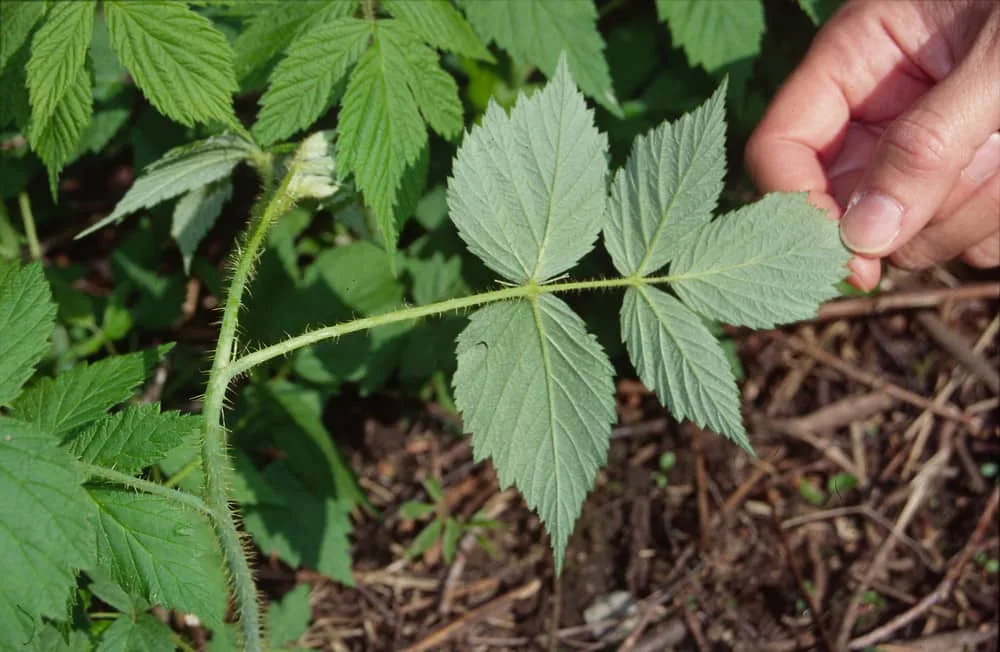
Red Raspberry Leaf is a fantastic herb for pregnant women, especially during the later stages of pregnancy. Drinking it as tea can help make labor pains easier to manage. [1]
This herb isn’t only great for getting your uterus ready for giving birth, but it’s also packed with iron and calcium, which are super important for your baby’s development. [2]
So, to summarize, adding Red Raspberry Leaf to your daily routine during pregnancy can help you deal with labor pains more easily and also help you recover faster after the baby arrives. Plus, it’s good for your health and helps your baby grow strong.
Where To By Red Raspberry Leaf

- Micro Ingredients offers naturally harvested and dried Organic Red Raspberry Leaves. They are cut and sifted whole leave…
- Each pouch offers 2 pounds of fresh red raspberry leaf. Every scoop delivers approximately 1g and lasts up to a 907 day …
- Red raspberry leaf is packed with vitamins, minerals, and antioxidant, as well fragarine, a plant compound that may supp…
2. Ginger (Zingiber officinale)
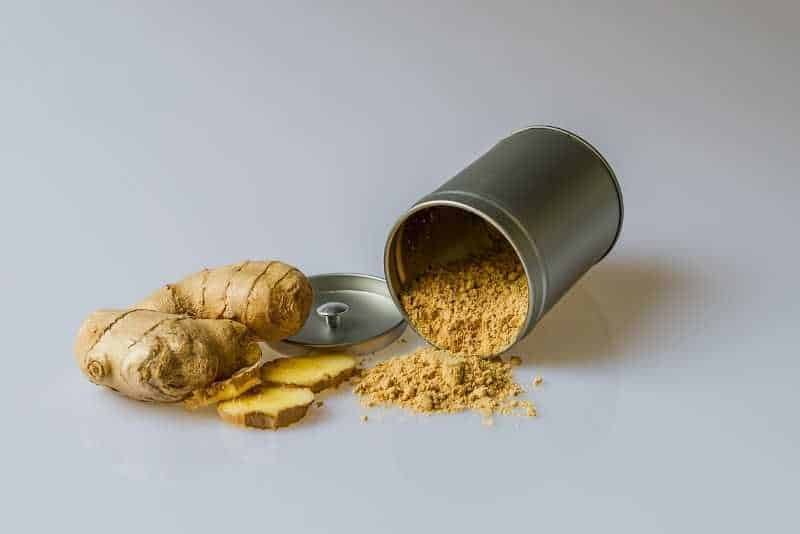
Many pregnant women find ginger, or Zingiber officinale, really helpful for dealing with morning sickness and nausea. [3]
This natural remedy is known for making the stomach feel better and has been a popular choice for easing discomfort in the early months of pregnancy.
Besides helping with nausea, ginger is great for improving digestion and getting rid of heartburn, which are common problems for expecting moms. [4]
It’s a preferred natural option for many pregnant women because it’s gentle and effective.
Where To Buy Ginger
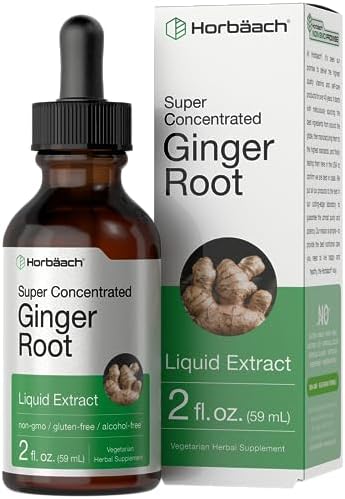
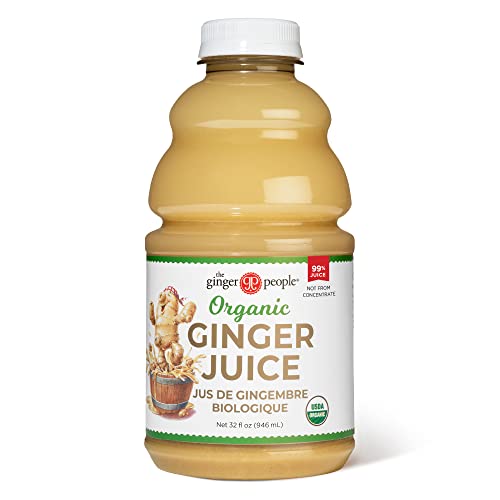
You can find ginger almost everywhere. Your local grocery store and online. You can also consume it’s extract (it’s super concentrated so read the instructions carefully) or in a juice form.
3. Peppermint (Mentha piperita)
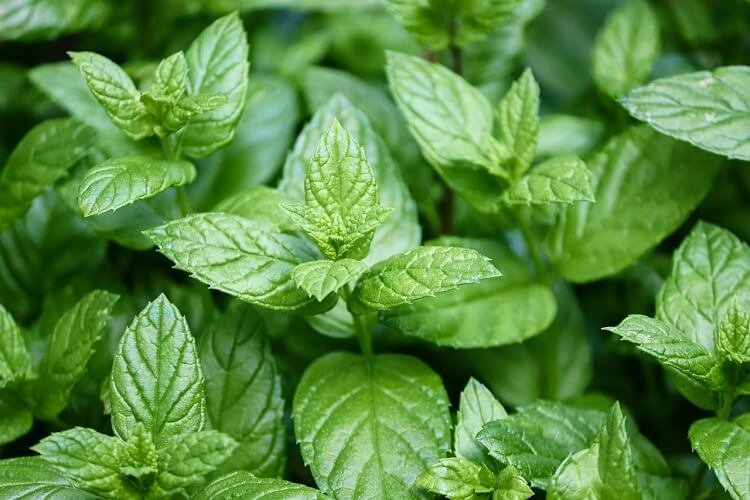
Just like how ginger helps with morning sickness, peppermint (Mentha piperita) is great for easing “tummy troubles” during pregnancy.
Its cool smell and calming effect make it perfect for when you’re dealing with gas, bloating, and indigestion.
Peppermint really knows how to make your stomach feel better, making it a great choice for those times you’re feeling off. But peppermint does more than just help with digestion; it also helps a lot with headaches and migraines, which can happen a lot when you’re pregnant.
Because it’s safe and works in different ways, peppermint is a really good herb to think about using when pregnancy is making you feel uncomfortable, helping you get through your day with less trouble.
Where To Buy Peppermint

- USDA Certified Organic Dried Peppermint Leaves
- Batch Tested and Verified Gluten Free
- Product of Egypt, Packed in California
4. Nettle Leaf (Urtica dioica)
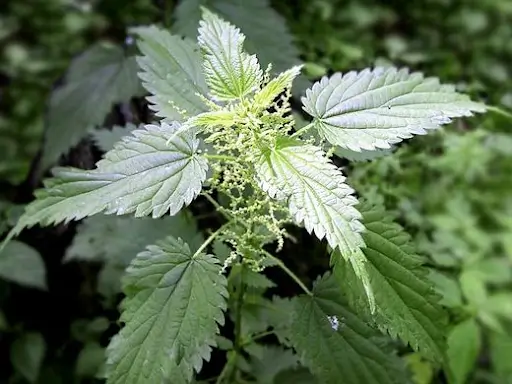
Nettle leaf is a great herb for pregnant women because it’s full of important nutrients like iron and calcium. [5]
These aren’t the only good things in nettle, as it also has potassium and magnesium, which are very important for a healthy pregnancy.
Nettle is like a super food for pregnant women, full of vitamins and minerals to meet your body’s needs during this special time.
Nettle also helps keep your kidneys and adrenal glands healthy, which is really important when you’re pregnant. [5]
It might even help lower the risk of pre-eclampsia, a condition that can happen to pregnant women. [6]
Adding nettle leaf to your diet while you’re expecting is a smart move to make sure you and your baby get off to a great start.
Where To Buy Nettle Leaf
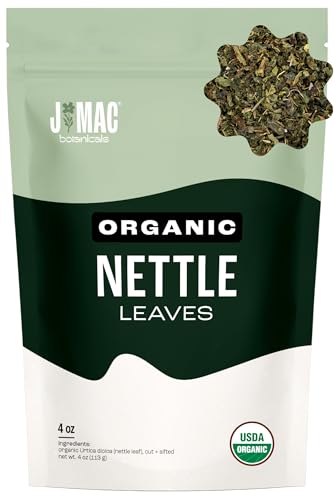
- CERTIFIED ORGANIC SOURCING: J Mac Botanicals sources organic nettle leaves from the mountainous border between Albania a…
- PACKAGED IN USA ORGANIC CERTIFIED FACILITY: One quarter pound of organic nettle leaf in a high quality resealable bag, p…
- BEAUTIFUL ORGANIC LEAVES: J Mac’s organic nettle leaf makes a delicious cup of herbal tea. The beautiful dark green leav…
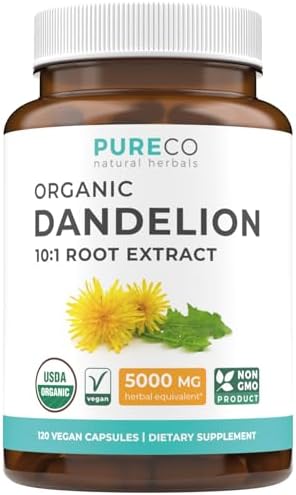
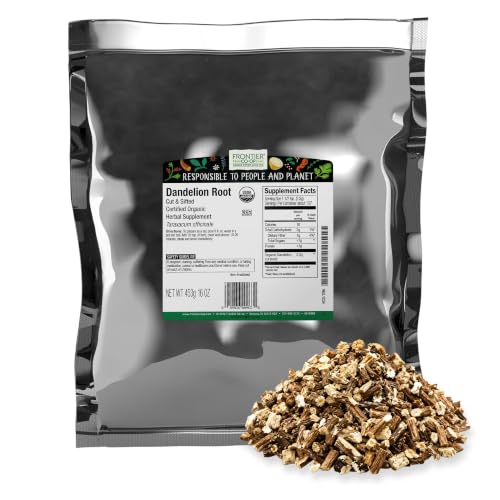
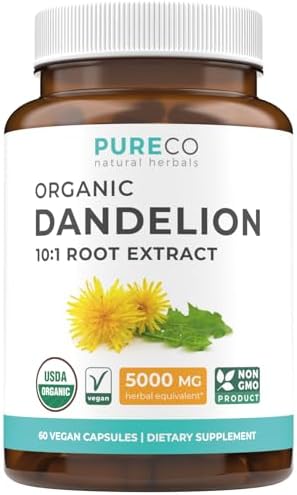
5. Dandelion (Taraxacum officinale)

Just like nettle leaf, dandelion is great for pregnant women because it’s full of good stuff like vitamins A and C, calcium, and it can even help with swelling because it makes you pee more.
If you’re trying to stay healthy naturally while you’re expecting, you might want to think about adding dandelion leaves to your meals.
It’s an easy and effective way to take care of yourself, making dandelion a great choice for pregnancy-friendly herbs.
Where To Buy Dandellion
6. Chamomile (Matricaria chamomilla L.)

If you’re pregnant and looking for a natural way to relax and sleep better, chamomile tea could be just what you need. Known for its calming effects, chamomile is great for easing anxiety and helping you sleep more soundly.
It can also help with digestion and reduce swelling, making your pregnancy a bit more comfortable. Adding chamomile tea to your daily routine might make a big difference in dealing with pregnancy discomforts as well as depression.

- Calms your nerves and supports healthy digestion
- Non-GMO verified. All Ingredients Certified Organic. Kosher. Caffeine Free
- Consistently high-quality herbs from ethical trading partnerships
7. Oats Straw (Avena sativa)

While chamomile is known for its calming effects during pregnancy, oats straw is another fantastic herb that’s full of nutrients such as silica, calcium, magnesium, and iron.
It’s a great pick for reducing anxiety and improving sleep. This herb supports your body in dealing with stress naturally, making you feel more relaxed during the busy months of pregnancy.
Its calming effects aren’t only good for your mind but also help you sleep better. It is believed to have various health benefits, including promoting healthy skin, hair, and nails, supporting bone health, and aiding in digestion
Adding oats straw to your pregnancy care plan might really help with stress and sleep. It’s full of important minerals and offers a soft but effective way to deal with common issues during pregnancy.
Where To Buy Oats Straw

- Rich in Natural Nutrients: Step into a world where every serving is a treasure chest of essential nutrients sourced dire…
- Intuitive Wellness Support: Feel supported in your wellness journey with our Oat Straw Extract, in Oat Straw powder, des…
- Simplify Your Wellness Journey: With our Oat Straw Extract, or Avena sativa Extract, achieving your daily nutritional go…
8. Fennel (Foeniculum vulgare)
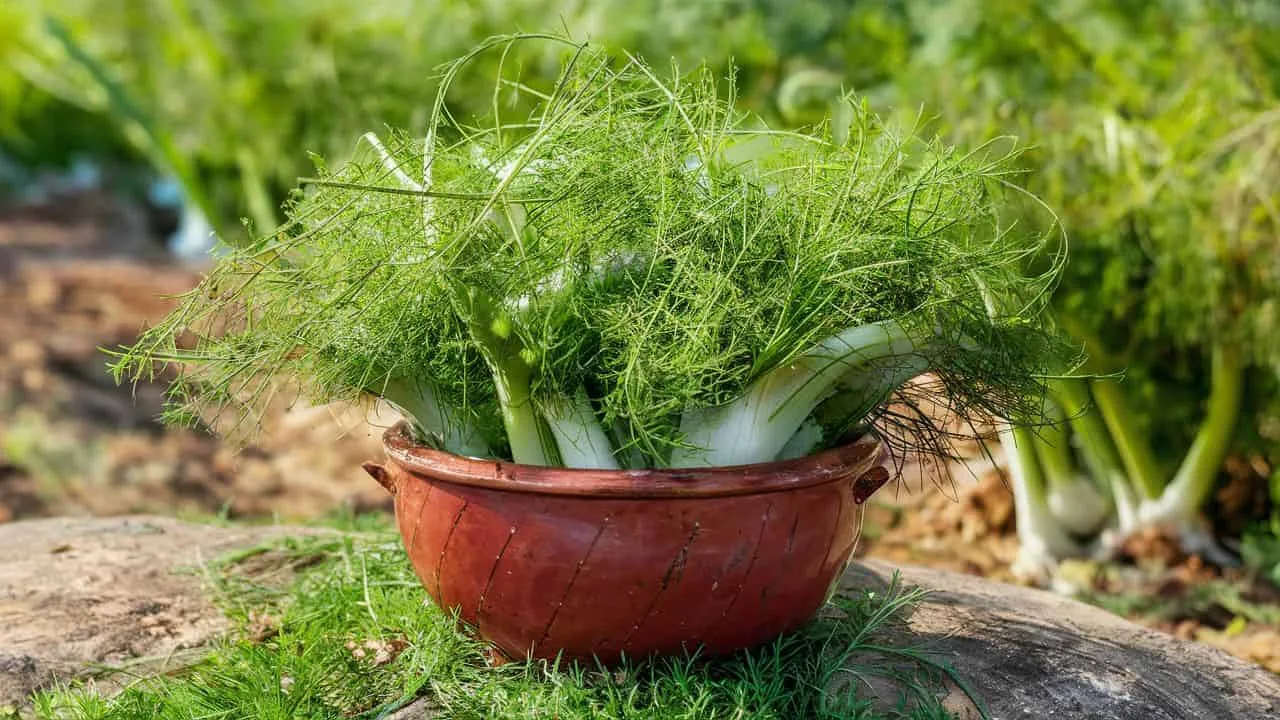
Fennel is a great herb for those expecting a baby. It belongs to the Apiaceae family, which includes other plants like carrots, parsley, and dill (guess what herb is next).
It’s known for calming an upset stomach and helping with digestion. Safe to use during pregnancy, fennel offers a natural way to deal with common tummy troubles.
Fennel seeds are also used as a natural remedy for menstrual cramps and to increase milk production in breastfeeding mothers. [7]
It contains various compounds, including essential oils, flavonoids, and phenolic compounds, which contribute to its medicinal properties.
Research has shown that fennel extracts have antioxidant, anti-inflammatory, and antimicrobial effects. These properties make fennel a potential candidate for the treatment of various diseases and conditions
Adding fennel to your diet means you’re looking after your digestive health in a gentle, yet effective way. It’s especially good for pregnant women who often have to deal with uncomfortable digestive issues.
You will also see fennel on the avoid list below, and that is not a mistake. Fennel in food amounts, like the seeds in a meal or a light tea, is fine for most people. Fennel in concentrated medicinal doses or as an essential oil can stimulate uterine activity, so the amount and form decide the risk. Keep it culinary, not medicinal.
Where To Buy Fennel

I suggest buying fennel from your local grocery store and add it in your diet. If your local grocery shop does not sell fennel, you can take it as a supplement. I recommend checking: Nature’s Way Fennel Seed 480 mg, 100 VCaps
9. Dill (Anethum graveolens)

Dill. It’s a great herb to add to your meals. Not only does it make your food taste better, but it’s also full of vitamins and nutrients that are super important for you and your baby during pregnancy.
Adding dill to your dishes is a simple way to get those extra vitamins you both need. It’s totally safe and adds a yummy twist to your cooking. So, next time you’re in the kitchen, why not throw some dill into the mix?
It’s a healthy, tasty way to spice up your pregnancy diet and take good care of you and your little one.
Where To Buy Dill
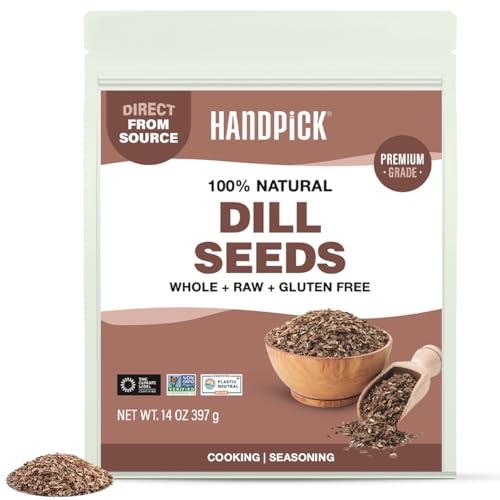
- NUTRITIOUS & VERSATILE- Dill Seeds, also known as Sotopha, Sowa, or Soya is an aromatic herb with citrus like flavor, wi…
- ROBUST FLAVOR & AROMA – Dill is quite famous when it comes to pickling cucumbers (making pickles). It is often utilized …
- PURE & GLUTEN FREE- Our Dill Seeds are Non-GMO & Gluten Free made without any artificial flavors, colors or preservative…
Pregnancy-safe herbs compared: benefit, form, dose, and timing
Here is every herb in this guide side by side, so you can match the right amount and the right trimester at a glance.
| Herb | Main benefit | Common form | Typical amount | When to start |
|---|---|---|---|---|
| Red raspberry leaf | Tones the uterus, iron and calcium | Tea | 1.5 to 5 g daily, about 1 to 2 cups [5] | Second and third trimester [1] |
| Ginger | Eases nausea and vomiting | Fresh root, capsules, tea | 975 to 1,500 mg daily, split into doses [3] | Any trimester, common in the first [3] |
| Peppermint | Calms nausea and indigestion | Tea | 1 to 2 cups daily | Any trimester, in moderation |
| Nettle leaf | Iron, vitamins, kidney support | Tea infusion, capsules | 1 to 2 cups daily | Second and third trimester |
| Chamomile | Sleep and stomach calm | Tea | 1 cup as needed | Any trimester, in moderation |
| Dandelion | Vitamins A, C, K, iron | Tea, greens | 1 to 2 cups daily | Any trimester, in moderation |
| Fennel | Digestion, gas relief | Culinary seeds, light tea | Food amounts only | Any trimester, food doses |
| Dill | Vitamins and minerals | Culinary herb | Food amounts | Any trimester, food doses |
Amounts are general starting points from published sources, not a prescription. Your provider may adjust them for your pregnancy.
A quick word on breastfeeding
Pregnancy safe does not automatically mean breastfeeding safe. Ginger and nettle are generally fine once you are nursing, and some herbs even support milk supply, while others can reduce it. The safe dose can change too. Once your baby arrives, re-check any daily herb with your provider rather than assuming the pregnancy rules still apply.
Herbs to avoid during pregnancy
Amounts are general starting points from published sources, not a prescription. Your provider may adjust them for your pregnancy.
Now, I will not go into much detail for the herbs to avoid during pregnancy, but, you can take this list – compiled by the University of Texas at El Paso – save it and go through it every time you have a question about a herb.
| Common Name (Scientific Name) | Form of Use | Why it is not safe |
|---|---|---|
| Yarrow (Achillea millefolium) | Tea | May induce uterine contractions |
| Black cohosh (Actaea racemosa) | Root, Tea, capsules | May induce uterine contractions |
| Maidenhair fern (Adiantum capillus-veneris) | Fronds (leaves), Tea | May induce uterine contractions |
| Aloe vera | Gel and latex | Gel used topically is considered safe. Avoid ingesting whole leaf preparations as they may induce uterine contractions |
| Lady’s mantle (Alchemilla, xanthochlora) | Leaves, Tea, capsules | May induce uterine contractions |
| Angelica (Angelica archangelica) | Root, Tea, capsules | May induce uterine contractions |
| Dong Quai (Angelica sinensis) | Root, Tea, capsules | May induce uterine contractions |
| Roman chamomile (Anthemis nobilis) | Flowers, Tea, capsules | May induce uterine contractions |
| Wormwood (Artemisia spp.) | Leaves and stems, Tea | Various species of wormwood contain potentially neurotoxic ingredient known as thujone |
| Shepherd’s purse (Capsella bursa-pastoris) | Leaves, stems, and flowers, Tea, tinctures | May induce uterine contractions |
| Cascara sagrada | Tree bark, Tea, capsules | May induce uterine contractions |
| Blue cohosh (Caulophyllum thalictroides) | Root, Tea, capsules | May be toxic to fetus and induce uterine contractions |
| Gotu kola (Centella asiatica) | Steams, leaves, Tea, capsules | May induce uterine contractions |
| Cassia (Cinnamomum cassia) | Tree bark, Tea | Occasional use as a condiment considered safe. Taken as tea may induce uterine contractions |
| Ergot (Claviceps purpurea) | Fungus (sclerotium), Grows in various species of infected cereal grains | May induce uterine contractions |
| Cinnamon (Cinnamomum verum) | Tree bark, Tea | Occasional use as a condiment considered safe. Taken as tea may induce uterine contractions |
| Estramonio (Datura spp) | Planta entera, Tea | Various species of Datura are toxic and hallucinogenic. Avoid use |
| Wild yam (Dioscorea villosa) | Root and rhizomes, Tea, tinctures, capsules | Uterine stimulant |
| Male fern (Dryopteris filix-mas) | Root, Tea, extracts, pills | May induce uterine contractions |
| Wormseed (Dysphania spp) | Leaves and stems, Tea | Occasional use as a condiment considered safe. Contains a toxic compound known as ascaridol; may induce uterine contractions. Avoid ingesting oil, as it is neurotoxic |
| Fennel (Foeniculum vulgare) | Seeds, root, leaves, Tea, pills, capsules, essential oil | High doses should be avoided, as they may induce uterine contractions |
| Devil’s claw (Harpagophytum procumbens) | Root, Tea, pills, capsules | May induce uterine contractions |
| Hops (Humulus lupulus) | Fruits, Tea, pills, capsules | May induce uterine contractions |
| Golden Seal (Hydrastis canadensis) | Root, Tea, pills, capsules | May induce uterine contractions |
| St. John´s Wort (Hypericum perforatum) | Flowers, Steams, Tea, pills, capsules | May induce uterine contractions |
| Juniper berry (Juniperus spp.) | Berry, Tea | May induce uterine contractions |
| Motherwort (Leonorus cardiaca) | Stem, leaves, and flowers, Tea, tinctures, syrups | May induce uterine contractions |
| Bugleweed (Lycopus virginicus) | Stem, leaves, and flowers, Tea, tinctures | May induce uterine contractions |
| German chamomile (Matricaria recutita) | Flowers, Tea, capsules, Enema | May induce uterine contractions |
| Pennyroyal (Mentha pulegium) | Leaves, Steams, and Flowers, Tea, Essential oil | Essential oil should not be used internally; abortifacient and liver toxic |
| Zoapatle (Montanoa tomentosa) | Leaves and stems, Tea | May induce uterine contractions |
| Tobacco (Nicotiana tabacum) | Leaves, Smoked, chewed | Castor oil used as laxative may stimulate uterine contractions. The seeds are very poisonous |
| Basil (Ocimum basilicum) | Leaves and stems, Tea, essential oil | Safe as a condiment. Avoid essential oil during pregnancy |
| Oregano (Origanum spp) | Leaves and stems, Tea, essential oil | Occasional use as a condiment considered safe. Taken as tea may induce uterine contractions. Avoid topical use of essential oil during pregnancy; avoid ingestion of essential oil |
| Korean ginseng (Panax ginseng) | Root, Tea, capsules | Safety for use during pregnancy not established |
| American ginseng (Panax quinquefolius) | Root, Tea, capsules | Safety for use during pregnancy not established |
| Passion flower (Passiflora incarnata) | Flowers, Tea, capsules | May induce uterine contractions |
| Yohimbe (Pausinystalia yohimbe) | Tree Bark, Tea, capsules | May induce uterine contractions |
| Boldo (Peumus boldus) | Leaves, Tea | Contains a toxic compound known as ascaridol and a hypnotic alkaloid, boldine |
| Kava kava (Piper methysticum) | Rhizomes, root, Liquid extracts, capsules | Safety for use during pregnancy not established |
| Buckthorn (Rhamnus purshiana) | Corteza, Tea, capsules | May induce uterine contractions |
| Rhubarb (Rheum spp) | Root, Tea, capsules | May induce uterine contractions |
| Castor oil (Ricinus communis) | Seeds, Oil | Castor oil used as laxative may stimulate uterine contractions. The seeds are very poisonous |
| Rosemary (Rosmarinus officinalis) | Steams and leaves, Tea, essential oil | Occasional use as a condiment considered safe. Taken as tea may induce uterine contractions. Avoid topical use of essential oil during pregnancy; avoid ingestion of essential oil |
| Rue (Ruta graveolens) | Leaves and stems, Tea | Toxic internally, may induce uterine contractions |
| Saw palmetto (Serenoa repens) | Berrys, Pills, capsules | Bark may induce uterine contractions. Unripe berries are toxic |
| Comfrey (Symphytum officinale) | Planta entera, Tea, capsules | Avoid prolonged use internally; can be liver toxic |
| Pau d´ arco (Tabebuia spp) | Flowers, Arbol, Corteza, Tea, capsules | May induce uterine contractions |
| Feverfew (Tanacetum vulgare) | Flowers, Steams, Tea, capsules | May induce uterine contractions |
| Trébol (Trifolium pratense) | Flowers, Steams, Tea, capsules | May induce uterine contractions |
| Fenugreek (Trigonella foenum-graecum) | leaves, Semillas, Tea, capsules | May induce uterine contractions |
| Damiana (Turnera diffusa) | Flowers, Steams, Tea, capsules | May induce uterine contractions |
| Cat´s claw (Uncaria tomentosa) | Liana, Tea, capsules | May induce uterine contractions |
| Corn smut (Ustilago maydis) | Fungus, Food | Safety for ingestion during pregnancy not established. Avoid especially during the first trimester of pregnancy |
Frequently asked questions
Final Words
Navigating the world of herbs during pregnancy can be a breeze with the right knowledge. Opt for pregnancy-safe herbs like ginger and peppermint to ease discomforts, and steer clear of risky ones like clary sage and saw palmetto.
Remember, it’s always best to consult your healthcare provider before adding any new herbs to your routine. Armed with these insights, you’re all set to embrace a healthier, more comfortable pregnancy journey.
Stay informed and stay safe!
How we researched this
We built this list from peer-reviewed studies, obstetric guidance, and midwifery references, then cross-checked each herb against safety databases for dose and trimester. Sources include Cochrane reviews, the American Academy of Family Physicians, ACOG guidance summaries, and PubMed-indexed journals, all cited in brackets throughout. We flag herbs where the evidence is thin rather than round it up. This article is health information, not medical advice, and pregnancy is individual, so your provider has the final say.
References
- American Pregnancy Association – “Herbs & Pregnancy: Safe vs. Unsafe Supplements” – accessed 2026. https://americanpregnancy.org/pregnancy/herbs-and-pregnancy/
- Simpson M, et al. – “Raspberry leaf in pregnancy: its safety and efficacy in labor” – J Midwifery Women’s Health, 2001. https://pubmed.ncbi.nlm.nih.gov/11370690/
- Maitre S, Neher J, Safranek S – “Ginger for the Treatment of Nausea and Vomiting in Pregnancy” – American Family Physician, 2011. https://www.aafp.org/afp/2011/1115/od1
- Lete I, Allué J – “The Effectiveness of Ginger in the Prevention of Nausea and Vomiting during Pregnancy and Chemotherapy” – Integrative Medicine Insights, 2016. https://pmc.ncbi.nlm.nih.gov/articles/PMC4818021/
- Twin Cities Birth Center – “Six Safe Herbs for Pregnant Mamas” – accessed 2026. https://www.twincitiesbc.com/blog/six-safe-herbs-for-pregnant-mamas
- Bebitoglu BT – “Frequently Used Herbal Teas During Pregnancy: A Short Update” – Medeni Med J, 2020. https://pmc.ncbi.nlm.nih.gov/articles/PMC7384490/
- Bowman R, et al. – “Biophysical effects, safety and efficacy of raspberry leaf use in pregnancy” – BMC Complement Med Ther, 2021. https://pmc.ncbi.nlm.nih.gov/articles/PMC7871383/
Read Next
