
Anti-Aging Skincare for Acne-Prone Skin: How to Fight Breakouts and Fine Lines at the Same Time
Enjoying this article?Add FoodNourish as a preferred source on Google and see our research-backed guides more often in your search results.
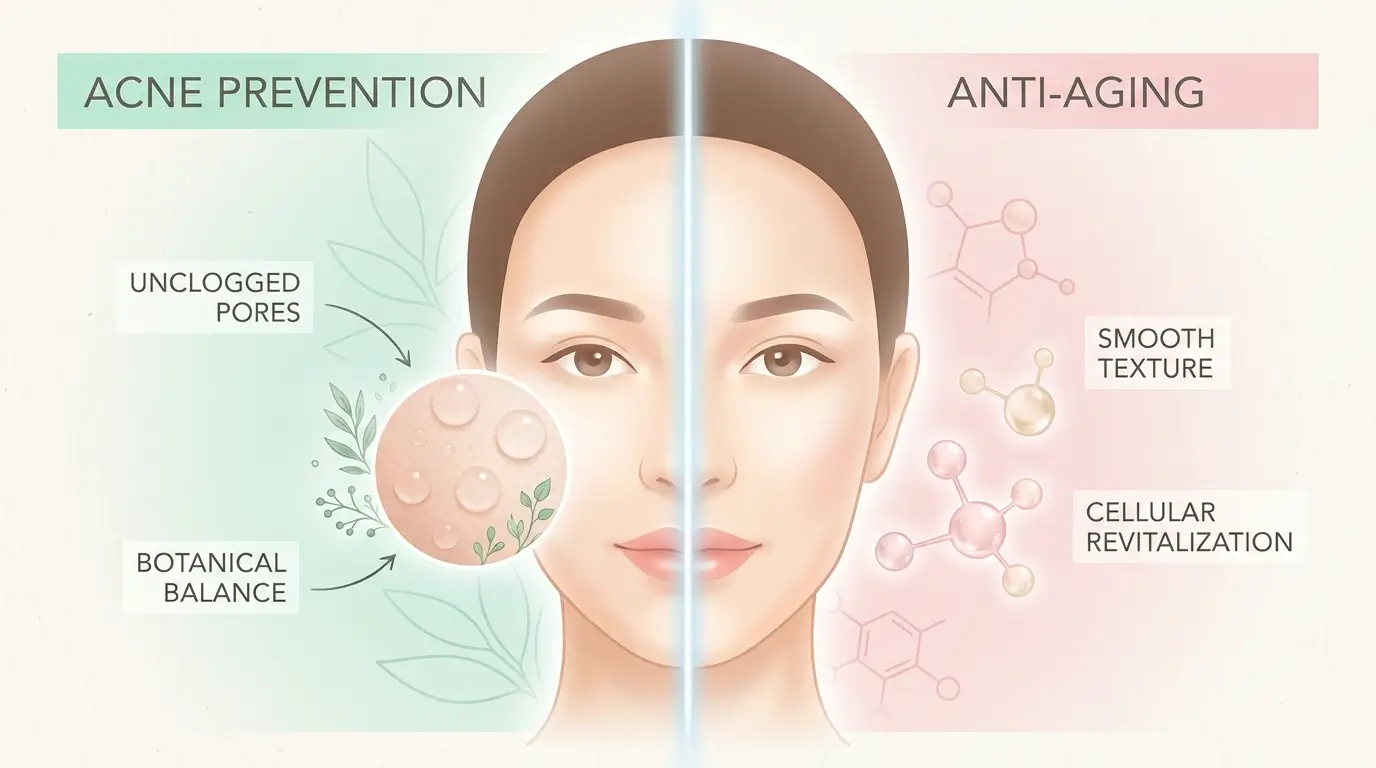
If you have acne-prone skin, shopping for anti-aging skincare can feel like a balancing act. Many wrinkle creams and rich moisturizers promise smoother, younger-looking skin but may feel too heavy for blemish-prone complexions. On the other hand, some acne treatments can leave skin dry, irritated, and more susceptible to premature aging.
The good news? You don’t have to choose between clear skin and youthful skin. With the right ingredients and a balanced skincare routine, you can address both concerns without compromising your skin’s health.
This guide explains how to build an effective anti-aging skincare routine for acne-prone skin, the ingredients to look for, and the common mistakes to avoid.
Why Acne-Prone Skin Needs a Different Anti-Aging Approach
Adult acne is more common than many people realize. At the same time, collagen production naturally slows with age, leading to fine lines, wrinkles, and reduced skin elasticity.
The challenge is that traditional anti-aging products often contain rich emollients or occlusive ingredients that may not suit acne-prone skin, while aggressive acne treatments can weaken the skin barrier and contribute to dryness and irritation. An ideal routine should support hydration, barrier health, and collagen production while minimizing the risk of clogged pores.
Common Signs You Need Acne-Safe Anti-Aging Skincare
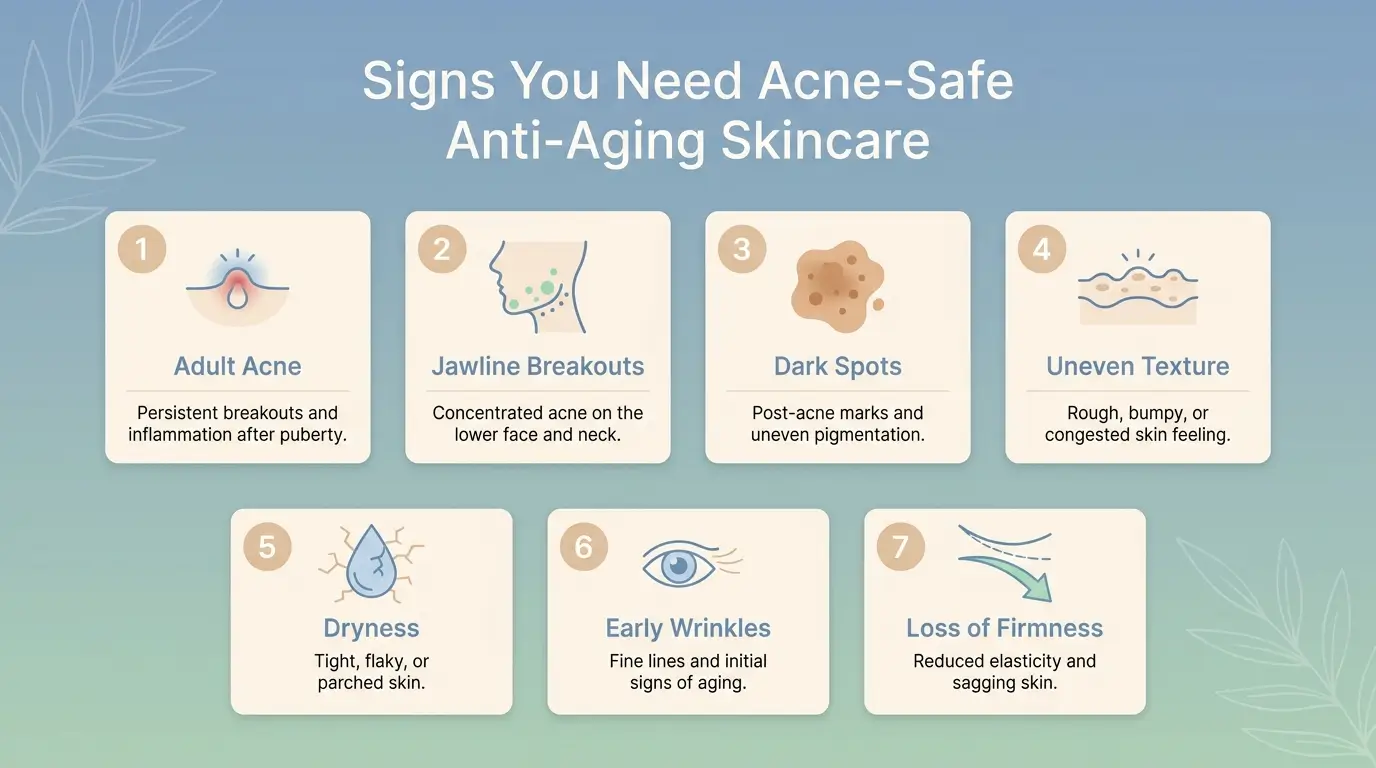
You may benefit from a combined approach if you notice:
- Adult acne alongside fine lines
- Breakouts around the jawline or chin
- Post-acne dark spots
- Uneven skin texture
- Dryness from acne treatments
- Early wrinkles around the eyes or forehead
- Loss of skin firmness
These concerns often occur together, especially during your late 20s, 30s, and beyond.
Ingredients That Support Both Acne and Healthy Aging
Niacinamide
Niacinamide helps strengthen the skin barrier, reduce excess oil production, minimize redness, and improve uneven skin tone. Most skin types generally well tolerate it and work well alongside many acne treatments.
Peptides
Peptides support collagen production, helping improve skin firmness and soften the appearance of fine lines without adding heavy oils.
Bakuchiol
Bakuchiol is a plant-derived ingredient commonly used as a gentler alternative to retinol. Some acne-focused skincare brands use it because it offers anti-aging benefits with a lower likelihood of irritation than traditional retinoids.
Vitamin C
Vitamin C can brighten post-acne marks and provide antioxidant protection. People with sensitive or acne-prone skin may benefit from gentle, non-comedogenic formulations and should introduce it gradually if irritation occurs.
Hyaluronic Acid
Hydration is essential even for oily skin. Hyaluronic acid helps maintain moisture without feeling heavy or greasy.
Ceramides
Ceramides help repair and strengthen the skin barrier, reducing dryness caused by acne medications.
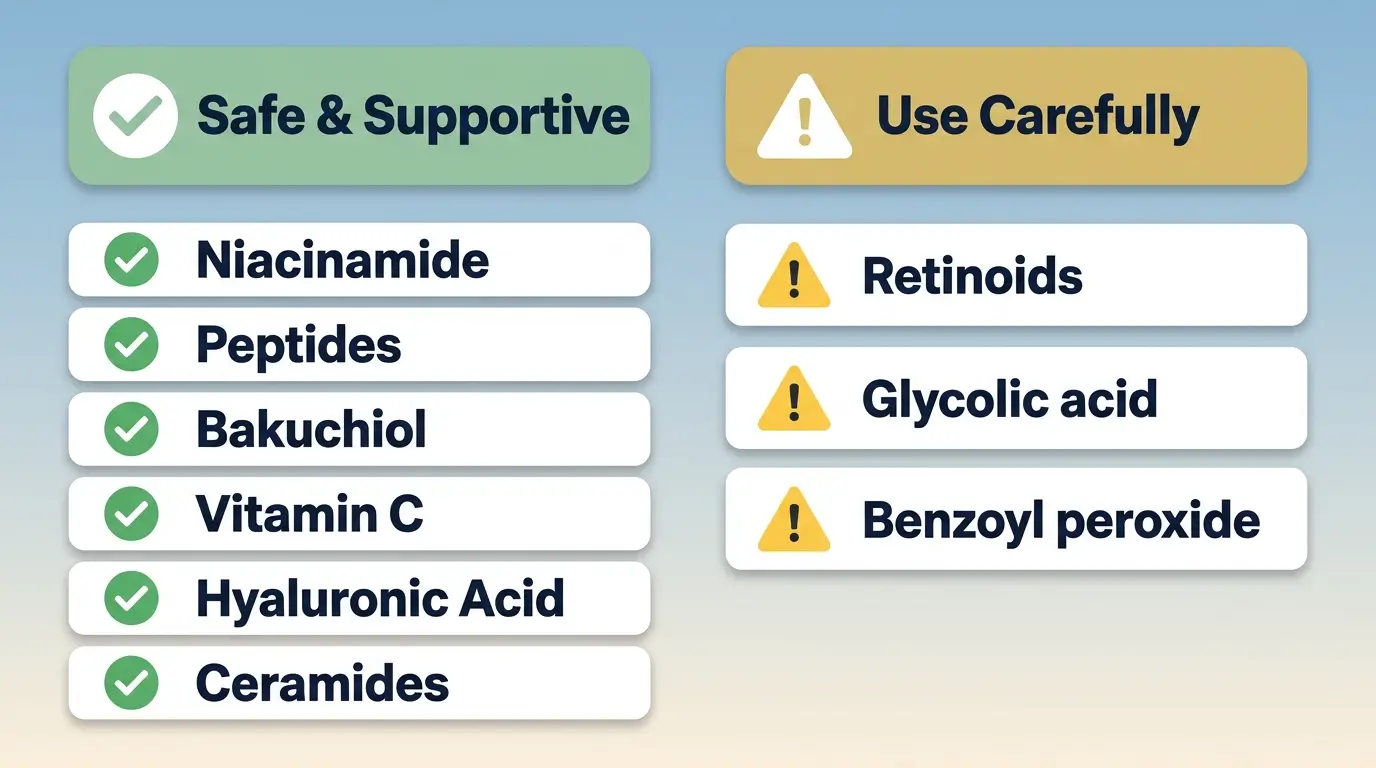
Ingredients to Use Carefully
Some highly effective anti-aging ingredients may require a gradual introduction.
- Retinoids
- Retinol
- Glycolic acid
- Strong exfoliating acids
- Benzoyl peroxide (when overused)
These ingredients can be effective but may increase irritation if layered incorrectly. Introduce one new active ingredient at a time and always use sunscreen during the day.
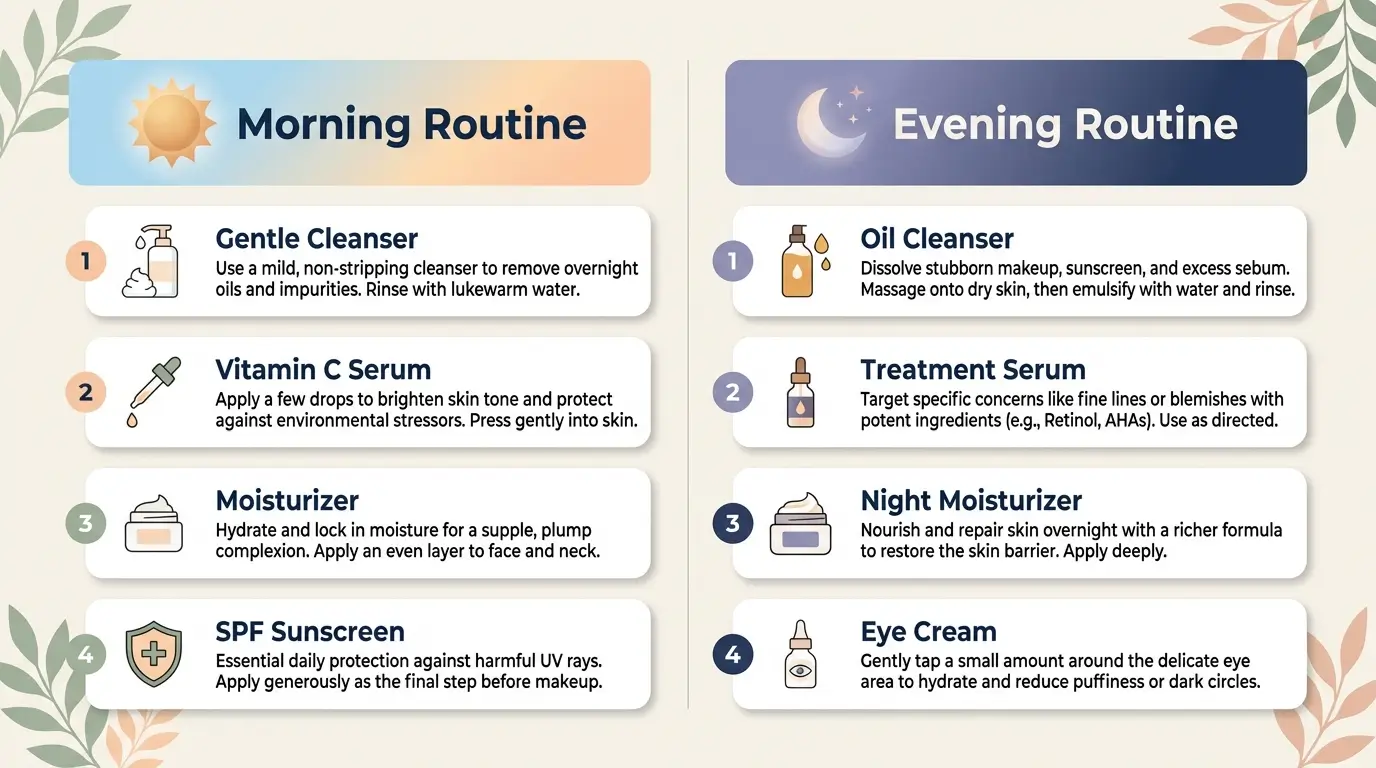
A Simple Anti-Aging Routine for Acne-Prone Skin
Morning
- Cleanse with a gentle, non-stripping cleanser.
- Apply a lightweight antioxidant or niacinamide serum.
- Use an oil-free moisturizer.
- Finish with a broad-spectrum SPF 30 or higher.
Daily sun protection is one of the most important steps for preventing premature skin aging.
Evening
- Cleanse thoroughly to remove sunscreen and makeup.
- Apply your treatment serum or acne-safe anti-aging product.
- Follow with a lightweight moisturizer to support overnight repair.
Lifestyle Habits That Support Healthier Skin
Skincare works best alongside healthy daily habits.
Consider:
- Getting adequate sleep
- Managing stress
- Staying hydrated
- Eating a balanced diet rich in antioxidants
- Avoiding picking or squeezing blemishes
- Being consistent with your skincare routine
Healthy lifestyle habits can improve your skin’s resilience and complement topical products.
Choosing Acne-Friendly Anti-Aging Products
When shopping for skincare, look for products that are:
- Non-comedogenic
- Lightweight
- Suitable for sensitive skin
- Fragrance-free if easily irritated
- Designed to support the skin barrier
Some brands also formulate products specifically for people who want to address both acne and visible signs of aging without relying on heavy creams or pore-clogging ingredients. CLEARSTEM, for example, positions its Acne + Aging collection around this dual-purpose approach, emphasizing non-comedogenic formulas and ingredients such as bakuchiol, rather than retinol, in certain products.
Common Mistakes to Avoid
Many people accidentally worsen both acne and signs of aging by:
- Over-cleansing
- Using too many active ingredients at once
- Skipping moisturizer
- Not wearing sunscreen daily
- Frequently changing products
- Expecting immediate results
A consistent routine followed for several weeks is generally more effective than frequently switching products.
Final Thoughts
Managing acne and visible signs of aging at the same time can be challenging, but it’s entirely possible with a thoughtful skincare routine. The key is choosing products that support the skin barrier, provide effective hydration, and incorporate evidence-based ingredients without unnecessarily increasing irritation or clogging pores.
Instead of treating acne and aging as separate concerns, focus on a balanced routine that prioritizes gentle cleansing, targeted treatment, hydration, and daily sun protection. With patience and consistency, you can work toward clearer, healthier, and more youthful-looking skin over time.
