
Building a Practical Meal Plan During Dental Implant Recovery New
How to plan soft, familiar meals that follow your treating team's instructions at every stage of healing

Enjoying this article?Add FoodNourish as a preferred source on Google and see our research-backed guides more often in your search results.
Eating after dental implant treatment is easier to organize when the plan begins before the appointment. The useful questions are practical: what textures are allowed, which foods do you already enjoy, who will prepare them, and what should you do if eating becomes difficult?
The answers depend on the procedure and the stage of care. Extractions, grafting, temporary teeth, and other factors may change the instructions. Follow the plan given by your treating team, including any advice about temperature, chewing, cleaning, or the timing of food and medicines. A general article can help with meal organization, but it cannot set your individual recovery diet.
If you are planning dental implant care near Joliet, ask Chicago Implant Studio’s team at its Aurora office for food instructions tailored to the proposed procedure. Bring examples of meals you usually eat so the discussion can address realistic choices.
Ask about texture before choosing recipes

The word soft can mean different things to different people. A food that is easy to cut may still require more chewing than your team wants at a particular stage. Ask for examples of suitable textures and foods to avoid.
Clarify whether the instruction applies to the whole mouth or to a particular situation. Ask when the advice will be reviewed and what signs should prompt you to contact the practice.
Do not advance to harder foods simply because discomfort has improved. Follow the timetable or review process provided for your treatment. Having a temporary replacement in place does not automatically mean every food is appropriate. Ask the periodontist overseeing implant treatment which dietary restrictions apply.
Build meals around familiar foods
Start with foods you normally like, then consider whether they can be prepared in a suitable texture. This is often easier than buying an unfamiliar collection of products marketed for recovery.
Depending on your instructions, possibilities to discuss may include smooth yogurt, well-cooked porridge, blended soups, mashed vegetables, soft eggs, or appropriately prepared tofu. The preparation and your specific restrictions matter.
Keep portions manageable and offer variety across the day. A refrigerator full of one food can become unappealing quickly. Familiar flavors, different meal temperatures within the permitted range, and simple preparation can make the plan easier to maintain.
Include a suitable protein source
Protein-containing foods come in many forms, and meat is not the only option. NHS nutrition information identifies foods such as fish, eggs, beans, and pulses alongside meat as sources of protein.
Choose an option that fits both your dietary needs and the texture instructions. A protein-rich food is useful only if you can prepare and eat it appropriately. Depending on the plan, soft tofu, smooth dairy foods, or well-prepared egg dishes may be easier than a tough piece of meat.
There is no single protein target that this article can prescribe for every patient. If you have kidney disease, a prescribed diet, substantial difficulty eating, or other nutritional concerns, ask the appropriate clinician or dietitian for individualized advice.
Give vegetables and fruit a practical form
Food preparation can make familiar produce easier to include. Cooking, mashing, or blending changes texture, but the final result still needs to match the instructions you have received.
Consider whether skins, seeds, fibers, or small hard pieces remain. A blended dish is not automatically suitable simply because a blender was used. Check the consistency and ask the team about anything unclear.
Use flavor thoughtfully. A food that feels comfortable before treatment may irritate a healing area afterward. You do not need to force a particular ingredient because it appears on a general healthy-food list. Choose permitted options that you can tolerate and revisit variety as your care plan allows.
Make breakfast uncomplicated
Breakfast is easier when the decision has already been made. Prepare the ingredients and choose an option that fits your current texture guidance.
For someone cleared to eat the relevant foods, a smooth porridge made with a suitable milk or alternative might be practical. Another person may prefer yogurt without hard additions. Someone with different restrictions may need another option entirely.
Avoid automatically adding nuts, crunchy granola, seeds, or other toppings that change the texture. The base food and its additions should both fit the plan. Keep preparation simple enough that a tired morning does not lead to skipping a meal or improvising with an unsuitable snack.
Think of lunch as a complete meal
A soup can be convenient, but its contents determine how substantial the meal is. If permitted, a blended combination of vegetables and an appropriate protein source may provide more variety than clear broth alone.
Check temperature before eating and follow your team’s advice. Consider whether bread, crackers, or garnishes would be appropriate rather than adding them automatically. Patients receiving care at Chicago Implant Studio should follow their treating team’s recovery instructions.
Plan dinner without making it complicated
Use the same structure as lunch: an appropriate protein source, a suitable carbohydrate food, and vegetables prepared to an acceptable texture. The ingredients can be simple and familiar.
Where allowed, a soft egg dish with mashed vegetables or a carefully prepared fish dish may be options to discuss. For a plant-based meal, ask whether smooth bean preparations or tofu fit the instructions.
Check the whole plate, including sauces and toppings. A suitable main ingredient can be made difficult by a crust, small bones, hard pieces, or a garnish. The aim is a meal that follows the plan consistently rather than one with only a soft center.
Organize shopping and storage
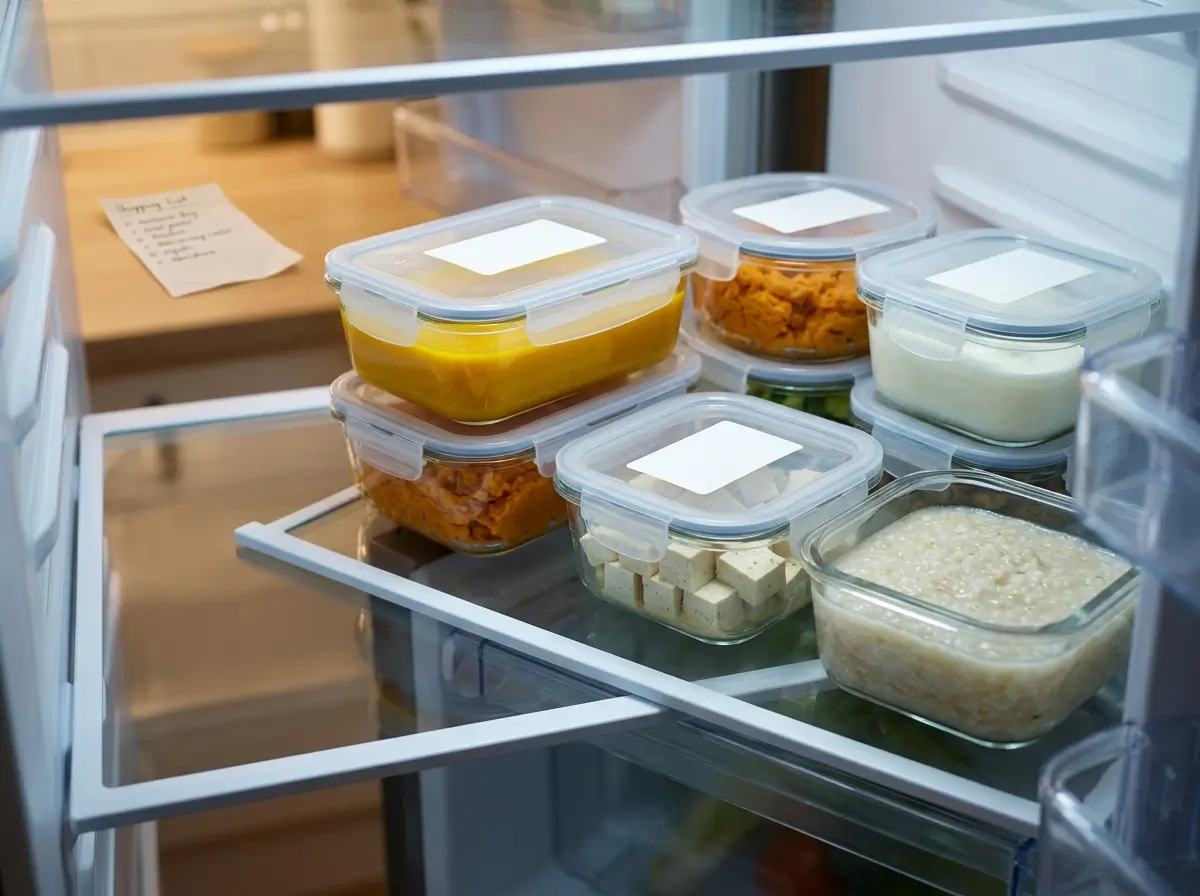
Write a short shopping list based on several meals you can realistically prepare. Include a few convenient alternatives in case you do not feel like cooking.
Portion food so that serving it requires little effort. Label what it contains, especially if another person is helping or if you have allergies. Follow ordinary food-safety instructions for storage, reheating, and use-by dates.
Keep frequently used items accessible and avoid creating unnecessary kitchen work during the early part of recovery. If a friend offers food, share the relevant texture and dietary instructions first. Clear information is more useful than receiving a generous dish you cannot comfortably eat.
Keep drinks inside the care plan
Ask the treating team about drinking instructions after the procedure, including any restrictions involving temperature or straws. Follow those instructions rather than relying on a universal rule from social media.
Choose drinks that fit your health needs and make them easy to access. If you have been prescribed fluid limits or another specific dietary plan, continue to follow the appropriate professional guidance.
A smoothie is not automatically a complete meal or an appropriate choice for every stage. Ingredients, texture, seeds, sugar content, and the way it is consumed can all matter. Discuss suitable options instead of assuming that every drink marketed as healthy belongs in your recovery routine.
Be cautious with supplement promises
You may encounter products advertised to speed healing, strengthen implants, or replace a balanced diet. A confident claim does not establish that the product is needed or suitable for you.
The National Institutes of Health Office of Dietary Supplements advises that supplements can interact with medicines and may create concerns around surgery. Give your clinical team an accurate list of what you take and follow individualized instructions.
Do not start or stop supplements or prescribed treatment based on a guest article. Food planning should make ordinary eating more manageable. If nutritional support is needed, the appropriate professional can explain what problem it is addressing and how it fits the rest of your care.
Notice when eating needs further help
Contact the treating team if you cannot manage the recommended foods, have difficulty maintaining intake, or are concerned about a change in symptoms. Do not simply keep narrowing the diet without asking for advice.
Pain, a problem with a temporary restoration, or a swallowing concern may need a different response from ordinary meal fatigue. Describe what you can and cannot manage and when the difficulty started.
Difficulty breathing or swallowing requires urgent assessment. For other concerns, use the practice’s instructions about when to call. A meal plan is useful, but it should never become a reason to postpone asking for help with a clinical problem.
Adapt a small shopping plan
Once the team has explained your permitted textures, choose a few ingredients that can appear in several meals. For example, an appropriate dairy food or alternative, eggs or tofu, well-cooked vegetables, and a suitable cereal may provide several combinations. Adapt the choices to allergies, preferences, and any prescribed diet.
Think in terms of preparation rather than a universal menu. A vegetable may be served mashed at one stage and in a different texture later if the team approves. A familiar ingredient can provide variety without requiring you to buy a different product for every meal.
Keep a simple note of what you actually ate and what was difficult if intake becomes a concern. The information can help the treating team or a dietitian give more specific advice. You do not need to turn every meal into a detailed tracking exercise.
Ask anyone shopping for you to follow the list closely, especially where texture or an allergy matters. An apparently similar replacement product may contain hard pieces or ingredients you avoid.
Review the plan after your follow-up appointment. Some foods may become appropriate while other restrictions remain. Let that updated advice guide the next shopping trip.
This approach keeps meal planning flexible without making it arbitrary. You have familiar options ready, understand the current restrictions, and know when a question should go back to the professionals involved in your care.
If your appetite or intake remains poor, ask for advice rather than assuming that another shopping list will resolve the difficulty.
Expand variety when the team advises
As care progresses, ask which changes in texture are appropriate and whether any restrictions remain. Introduce foods according to that guidance rather than testing the limits on your own.
Keep the foods and routines that worked well, then add variety as permitted. You may find that portioning meals or preparing breakfast in advance remains useful after the restricted period ends.
The goal is a practical eating pattern that supports your needs throughout treatment. With clear instructions, familiar ingredients, and a plan for questions, meals can become a manageable part of recovery rather than another uncertain decision at the end of a long day.
