Best supplements for glute growth: what works and what to skip
Evidence-based picks, exact doses, and the supplements not worth your money for bigger glutes.

Enjoying this article?Add FoodNourish as a preferred source on Google and see our research-backed guides more often in your search results.
QUICK ANSWER: The best supplements for glute growth are creatine monohydrate, whey protein, collagen peptides, and vitamin D3. Creatine and protein have the strongest evidence for building muscle. Take 3 to 5 g of creatine daily [4] and 1.6 to 2.2 g of protein per kg of body weight [8]. No supplement builds glutes on its own. You need progressive overload training and enough calories first.
Do supplements grow glutes without training?
No. Supplements support glute growth. They do not cause it.
Your glutes grow through hypertrophy, which means the muscle fibers repair and thicken after you train them hard enough.
That process needs three things:
- progressive overload (adding weight or reps over time),
- enough protein, and
- enough total calories.
Supplements make each of those easier. They do not replace any of them.
“So do I even need supplements?”
Not if you already eat enough protein, train with real intensity, and recover well. You can build glutes on whole foods alone. Supplements earn their place when you struggle to hit your protein target, when you train hard and want faster recovery, or when a deficiency (vitamin D is common) is holding your strength back.
Think support, not shortcut.
Key takeaways
Creatine and protein have the strongest evidence for glute growth.
No supplement builds glutes without progressive overload training.
Take 3 to 5 g of creatine monohydrate every day.
Eat 1.6 to 2.2 g of protein per kg of body weight daily.
Skip butt-enhancement pills, detox teas, and spot-growth creams.
Best supplements for glute growth
There is no one-size-fits-all answer to this question, as the best supplements for glute growth will vary depending on the individual. However, some common supplements that may help with glute growth include protein powders, creatine, beta-alanine, and glutamine.
Glute supplement comparison
| Supplement | Daily dose | Best timing | Evidence for muscle growth | Who it helps most |
|---|---|---|---|---|
| Creatine monohydrate | 3 to 5 g | Anytime, daily | Strong | Everyone training hard |
| Whey protein | 20 to 30 g per serving | Post-workout or to fill gaps | Strong | Anyone short on protein |
| Collagen peptides | 15 g | Around training | Moderate | Heavy lifters with joint load |
| Vitamin D3 | 1,000 to 2,000 IU | Morning with food | Indirect | People low in vitamin D |
| Omega-3 (fish oil) | 1 to 2 g EPA/DHA | With a meal | Indirect | High-frequency trainers |
| Beta-alanine | 4 to 6 g | Split through the day | Indirect | High-rep glute sessions |
It’s important to note that supplements should be used in conjunction with a proper training and nutrition program in order to see results.
Having said that, let’s jump straight away to the best supplements for glute growth.
1. How much protein do you need to grow glutes?
Protein rebuilds the muscle fibers you break down during training. This process is muscle protein synthesis, which means your body assembling new muscle tissue from amino acids. The amino acid leucine triggers it, and whey protein is rich in leucine, which is why it works well after a session.
Aim for 1.6 to 2.2 g of protein per kg of body weight per day [8].
For a 68 kg (150 lb) person, that is roughly 110 to 150 g daily. Hit that number from whole foods first, then use a shake to close the gap. A common serving is 20 to 30 g post-workout or between meals.
One old myth says your body can only use 30 g of protein per meal. Recent research disputes that; a larger meal simply digests over a longer window, and total daily protein matters more than perfect per-meal splits [7].
So do not stress about spacing every gram. Hit your daily target.
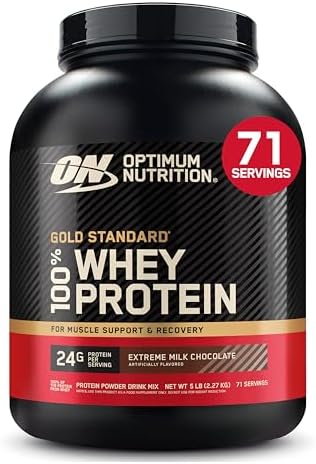
BEST SELLING WHEY PROTEIN

Is creatine the best supplement for glute growth?

Creatine is the most researched supplement in the world and has been studied for more than 100 years. It is a natural substance found in the body and is needed for energy production. Creatine is found in red meat and fish, and is also made in the liver, pancreas, and kidneys.
Creatine is most commonly used by athletes and bodybuilders to increase muscle strength and size, and to improve performance in high-intensity activities such as weight lifting and sprinting. It is also used by people with certain medical conditions to improve their quality of life.
The most common form of creatine is creatine monohydrate, which is the form found in most supplements. Other forms of creatine are available, but research suggests that creatine monohydrate is the most effective form for increasing muscle size and strength.
Some research suggests that supplementing with creatine can help to increase muscle size and strength, which may in turn lead to growth in the glutes.
Dose 3 to 5 g of creatine monohydrate daily. The International Society of Sports Nutrition recommends this amount and notes you can reach full muscle saturation faster with a short loading phase of about 0.3 g/kg per day for 5 to 7 days, though loading is optional [4].
Take it any time; consistency matters more than timing.
“Will creatine make me bulky?” – No. It pulls water into the muscle for a fuller look, not fat, and women do not gain size the way that myth suggests [5].
BEST SELLING Creatine Monohydrate


Does beta-alanine help build glutes?
Beta-alanine is a non-essential amino acid that is commonly found in supplement form.
It is believed to help improve athletic performance by increasing the production of carnosine in the muscles, which can help buffer the build-up of lactic acid during exercise.
This can help to delay fatigue and allow for longer, more intense workouts.
Beta-alanine raises muscle carnosine, which buffers the acid that builds up during hard sets. The benefit is modest and applies mainly to exercise lasting up to about 25 minutes, so it helps high-rep glute sessions more than heavy low-rep work [6].
Dose 4 to 6 g daily, split into smaller amounts to reduce the harmless tingling some people feel [6].
It supports your training volume. It does not build glutes directly.
BEST SELLING beta-alanine SUPPLEMENTS


Glutamine
Glutamine is an amino acid your body already makes and stores in large amounts.
Supplement companies market it for muscle growth and recovery, but the evidence for building muscle in healthy, well-fed people is weak.
If you eat enough protein, you are already getting plenty of glutamine from food.
For glute growth specifically, your money does more work spent on creatine or protein.
Skip it unless a healthcare provider recommends it for another reason.
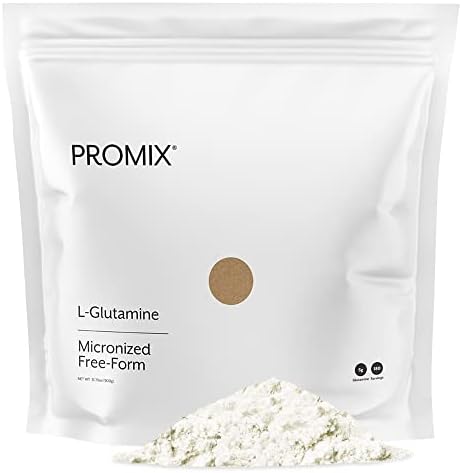
BEST SELLING GLUTAMIN SUPPLEMENTS

Do collagen supplements grow glutes?
Collagen will not grow the glute muscle itself. It supports the tendons, ligaments, and connective tissue that heavy glute training loads hard.
In a randomized controlled trial, collagen peptide supplementation combined with resistance training improved body composition and muscle strength more than training with a placebo [10].
The effect runs mostly through stronger connective tissue, which lets you train harder with less joint strain.
Dose about 15 g of collagen peptides, ideally around your training [10]. Pair it with vitamin C, which your body needs to build collagen.
Treat it as insurance for your joints under a growing training load, not as a muscle builder on its own.
BEST SELLING COLLAGEN PEPTIDES


Do vitamin D3, omega-3, and magnesium help glute growth?
These three support the systems behind muscle growth rather than growing muscle directly.
- Vitamin D3 matters for muscle strength, and a deficiency drags your performance down. Studies link low vitamin D to reduced muscle strength, and correcting a deficiency can improve strength and physical performance [11]. Many people run low, especially in winter. A common dose is 1,000 to 2,000 IU daily with food. Get your levels checked before going higher.
- Omega-3 fish oil supports recovery and lowers inflammation from hard training. Its direct effect on muscle protein synthesis is mixed in the research, so treat it as a recovery aid rather than a growth driver [12]. Dose 1 to 2 g of combined EPA and DHA daily.
- Magnesium supports muscle function and sleep, and many people fall short of the recommended intake through diet. A dose of 200 to 400 mg in the evening is common. None of these three will grow your glutes alone. They remove the roadblocks that slow your progress.
Enzymes
Digestive enzymes do not build glutes. The logic behind taking them is that they help break down the protein you eat so more of the amino acids reach your bloodstream, where your muscles can use them.
Bioavailability = how much of what you consume your body actually absorbs.
If you eat a lot of protein and notice bloating or discomfort, an enzyme supplement may help you digest it more comfortably and absorb a bit more.
That said, most healthy people digest protein fine without them.
Enzymes are a minor convenience for a specific problem, not a growth supplement.
Spend on creatine and protein first, and consider enzymes only if high-protein meals leave you uncomfortable.
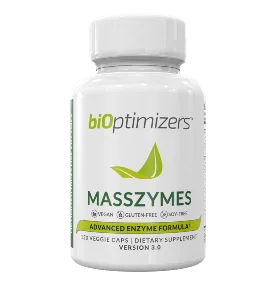
Recommended Enzymes Supplement
MassZymes is one of the best enzyme supplements in the market right now.
It currently has more protease than any other supplement in the market meaning that it can help break down and digest protein better and faster. If you are looking for strong bumpy glutes, you need to add MassZymes to your supplements stack.
You can get MassZymes 3.0 from it’s official website or from the BiOptimizers online shop.
Which glute growth supplements waste your money?
Some products promise glute growth they cannot deliver. Save your money on these:
- Butt-enhancement pills. Capsules claiming to grow your glutes without training do not work. No pill adds muscle to a specific body part.
- Detox teas and fat burners. These push water loss and stimulants. Neither builds muscle, and both can leave you dehydrated.
- Standalone BCAAs, if you already eat enough protein. Branched-chain amino acids only fill a gap when your total protein is low. Hit your daily protein target and they add little [8].
- Spot-growth creams and oils. Nothing applied to the skin builds the muscle underneath.
Put that money toward creatine, protein, and better training. That is where results come from.
How can someone increase the size of its glutes?
To increase the size of the glutes, a person should focus on strength training exercises that target the glute muscles, such as squats, lunges, and glute bridges.
It’s important to use a challenging weight and to aim for 8-12 repetitions per set. It’s also important to vary your routine and incorporate a mix of exercises in order to fully target all of the muscles in the glutes.
In addition to strength training, a person can also try incorporating cardiovascular exercise, such as running or cycling, to help burn fat and increase muscle definition. A balanced diet that includes enough protein is also essential for supporting muscle growth.
Frequently asked questions
Conclusion
In conclusion, there is no one-size-fits-all answer to the question of which supplements are best for glute growth. Protein, creatine, beta-alanine, and glutamine are all potential options, but the effects of these supplements on glute growth may vary depending on the individual and their training program.
It’s important to remember that supplements should be used in addition to a balanced diet and a proper training program, and not as a replacement for these things.
Additionally, it’s always a good idea to speak with a healthcare provider before starting any new supplement regimen.
How we researched this
We compared the top-ranking guides for this keyword against peer-reviewed research and position stands from the International Society of Sports Nutrition. Every dose and claim here traces to a cited source below. We prioritized supplements with direct evidence for muscle growth and flagged the ones marketed beyond what the research supports.
References
- Kreider RB et al., Journal of the International Society of Sports Nutrition – “International Society of Sports Nutrition position stand: safety and efficacy of creatine supplementation” – 2017. https://jissn.biomedcentral.com/articles/10.1186/s12970-017-0173-z
- Women’s Health – “Should Women Take Creatine? Benefits And Side Effects” – 2023. https://www.womenshealthmag.com/fitness/a44716483/creatine-for-women/
- Trexler ET et al., Journal of the International Society of Sports Nutrition – “International Society of Sports Nutrition position stand: Beta-Alanine” – 2015. https://pmc.ncbi.nlm.nih.gov/articles/PMC4501114/
- Jäger R et al., Journal of the International Society of Sports Nutrition – “International Society of Sports Nutrition Position Stand: protein and exercise” – 2017. https://jissn.biomedcentral.com/articles/10.1186/s12970-017-0177-8
- Zdzieblik D et al., British Journal of Nutrition – “Collagen peptide supplementation in combination with resistance training improves body composition and increases muscle strength in elderly sarcopenic men” – 2015. https://pubmed.ncbi.nlm.nih.gov/26353786/
- Rejnmark L, Therapeutic Advances in Chronic Disease – “Effects of Vitamin D on Muscle Function and Performance” – 2011. https://pubmed.ncbi.nlm.nih.gov/23251739/
- Smith GI et al., American Journal of Clinical Nutrition – “Dietary omega-3 fatty acid supplementation increases the rate of muscle protein synthesis” – 2011. https://pubmed.ncbi.nlm.nih.gov/21159787/
Read Also