How to Increase Protein Absorption: 6 Science-Backed Methods
It's not about how much protein you eat. It's about how much you use. Here is the science of maximizing bioavailability for muscle growth and health.
You ate 200 grams of protein yesterday. Your body probably used far less.
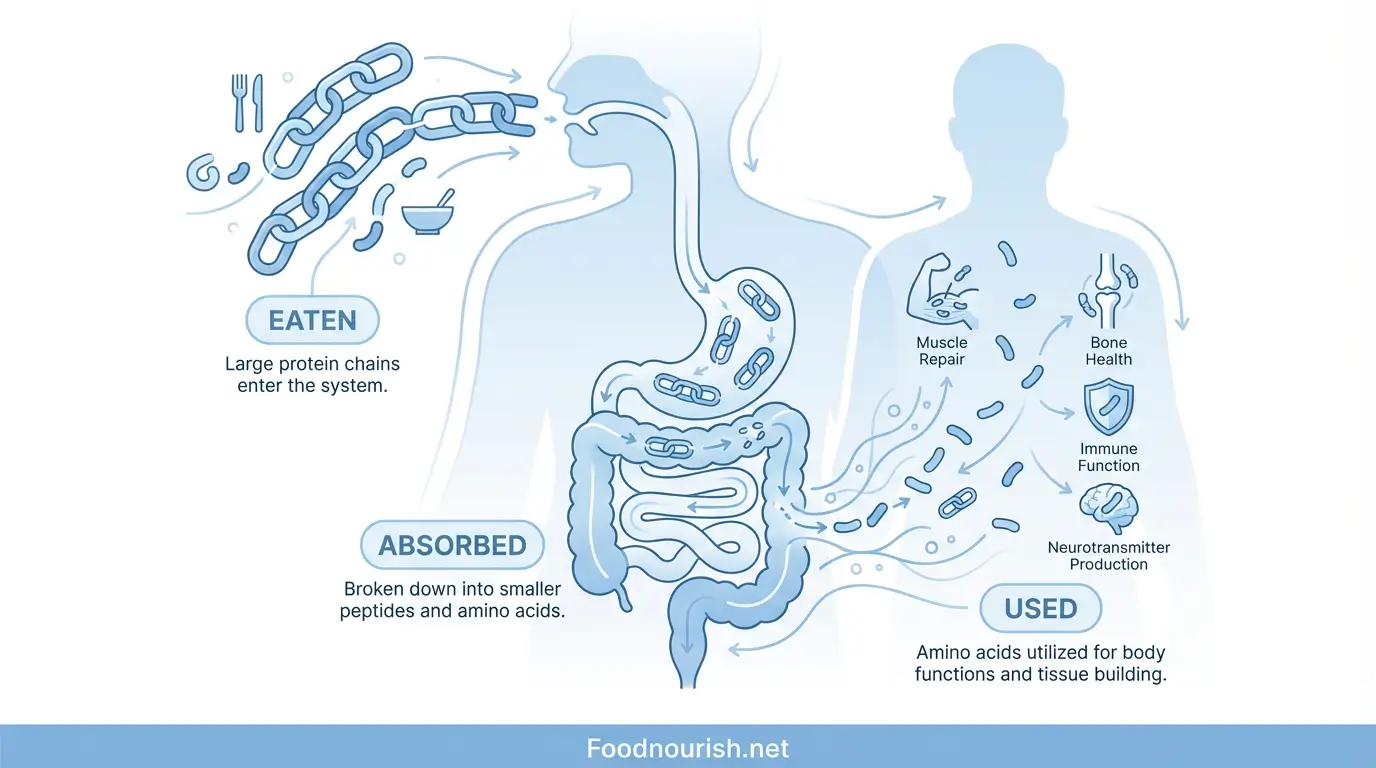
This is the uncomfortable truth that separates people who build muscle from people who buy expensive supplements and wonder why nothing changes. Eating protein and absorbing protein are two different processes. The gap between them determines whether you grow or stagnate.
Here is the breakdown. Consumption refers to what enters your mouth. Bioavailability = the degree your body absorbs nutrients from the gut into circulation. Utilization describes what actually builds tissue. Most fitness advice focuses on the first metric and ignores the other two.
“So how much of my protein am I actually using?”
That depends on your stomach acid levels, your enzyme production, your food choices, and even how well you chew.
A 2018 review in the Journal of the International Society of Sports Nutrition confirmed that factors like digestion speed, protein source, and macronutrient pairing all influence how much protein your body can direct toward muscle protein synthesis [1].
A 2023 study published in Cell Reports Medicine demonstrated that the body can continue building protein from a single large meal for over 12 hours, challenging the old belief that excess protein simply gets wasted [2].
This guide addresses how to increase protein absorption at every stage of digestion. You will learn to optimize your stomach environment, select the right enzymes, neutralize absorption blockers in plant foods, and time your meals for maximum effect.
How to Increase Protein Absorption
1. Optimize Stomach Acid
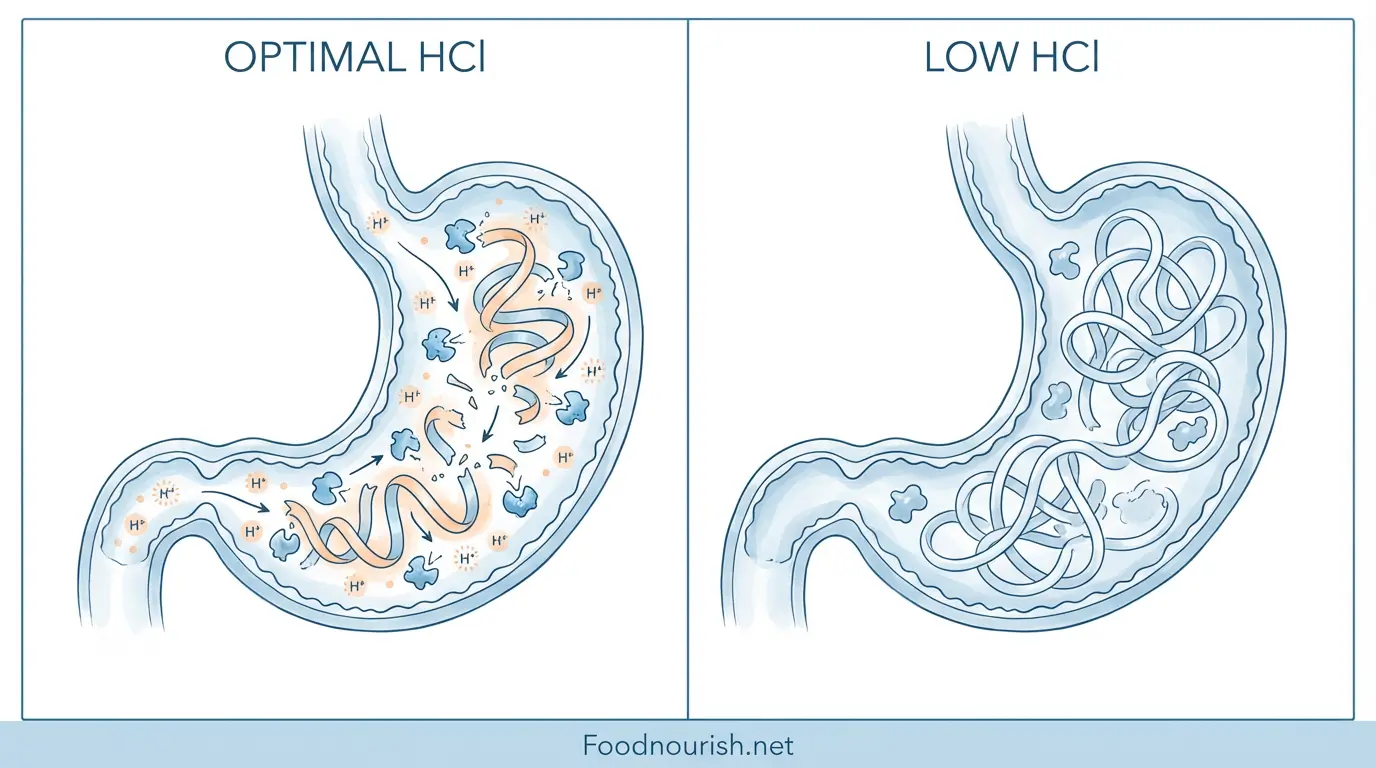
Protein digestion begins in your stomach, and hydrochloric acid (HCl) runs the show.
HCl performs two functions.
- It denatures protein, meaning it unravels the tightly wound molecular structures so enzymes can access them.
- It also activates pepsinogen into pepsin, the enzyme that begins cutting protein into smaller peptide chains [3].
Without sufficient HCl, protein enters your small intestine in large, undigested chunks. Your body cannot absorb these. They ferment in your gut, producing gas and bloating.
The clinical term for low stomach acid is hypochlorhydria. The prevalence of hypochlorhydria increases significantly with age.
Research indicates that only about 2% of young adults experience low stomach acid, while up to 12% of people in their 70s develop the condition [4].
Chronic stress also suppresses HCl production. If you experience bloating after protein-heavy meals, sluggish digestion, or undigested food in your stool, low stomach acid may be the culprit.
ACTIONABLE STEPS
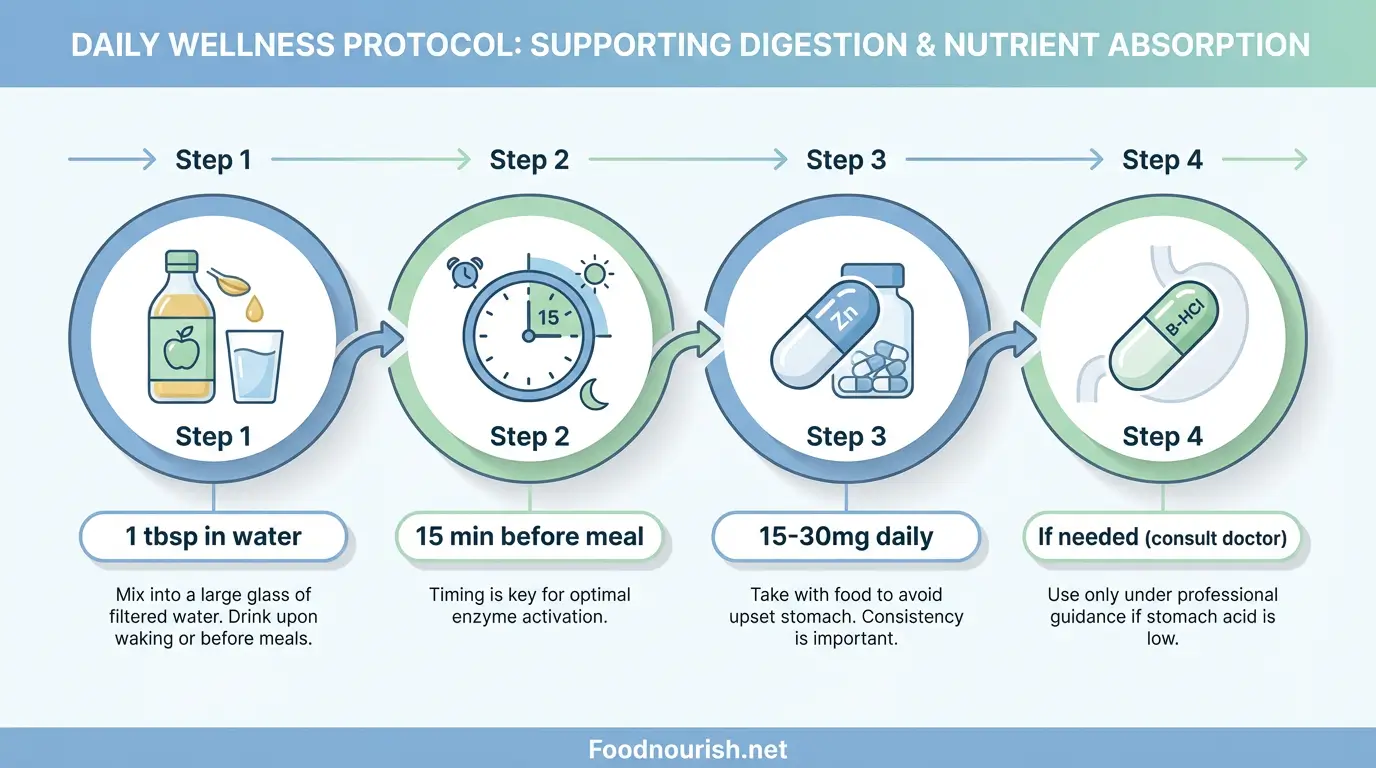
The Liquid Apple Cider Vinegar Protocol. Drink 1 tablespoon of organic apple cider vinegar diluted in water approximately 15 minutes before protein-heavy meals. The acetic acid stimulates digestive secretions and creates a more acidic stomach environment. While direct clinical trials on protein digestion are limited, the theory holds that increased acidity supports pepsin activation and protein breakdown [5].
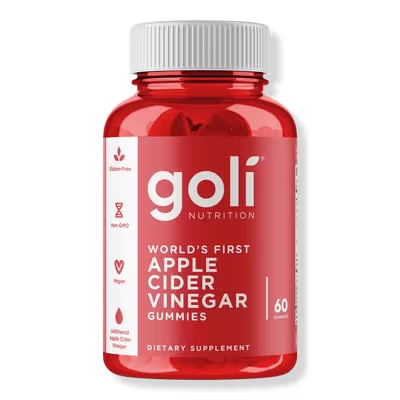
The Palatable Alternative. For those who cannot tolerate liquid vinegar, Goli ACV Gummies (save 10 to 25% OFF) provide a convenient option. They deliver acetic acid without the harshness, making the habit sustainable for daily use.
Zinc Supplementation. Zinc plays a direct role in HCl production. Zinc deficiency impairs stomach acid secretion, and low stomach acid further reduces zinc absorption, creating a problematic cycle [6]. If you suspect low HCl, consider a zinc supplement (15-30mg daily with food) to support gastric acid production.
(You can shop Zinc supplements from iHerb using Fooodnourish’s exclusive iHerb discount code “GIX3955” for 10% OFF your first order and 5% on subsequent orders.)
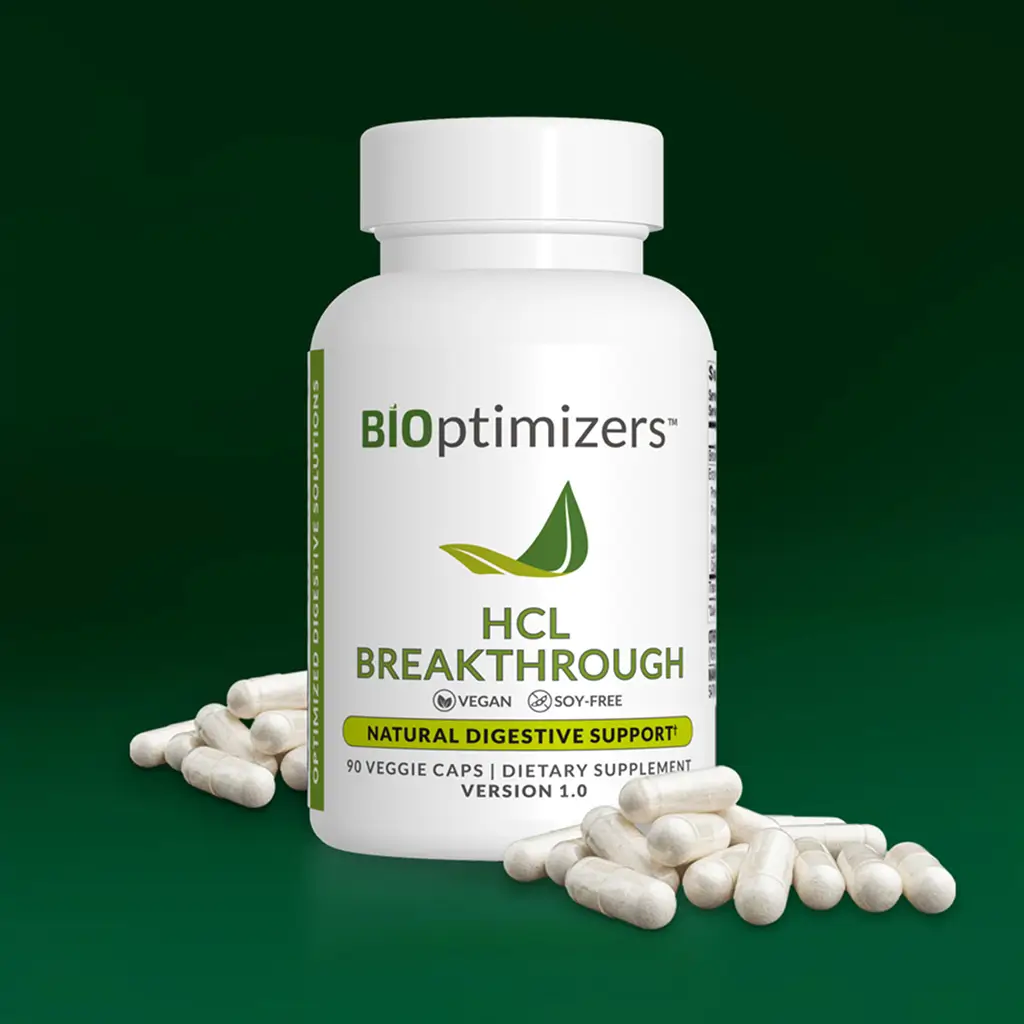
Betaine HCl. This supplement directly provides hydrochloric acid. A 2020 review in Integrative Medicine outlined the rationale for betaine HCl supplementation in individuals with documented hypochlorhydria [7]. If I had to recommend one single HCL supplement that would be HCL Breakthrough by Bioptimizers.
(Ed. note: Do NOT take betaine HCl if you have ulcers, gastritis, or take NSAIDs regularly. Consult a healthcare provider before starting.)
2. Leverage Proteolytic Enzymes
Once protein leaves your stomach, pancreatic enzymes take over. Proteases continue breaking peptide chains into individual amino acids that your intestinal lining can absorb.
However, your body’s natural enzyme production may not keep pace with high-protein diets. Athletes consuming 150-200+ grams of protein daily often exceed their digestive capacity, especially as they age.
Natural Sources (The “Meat Tenderizers”)
Certain fruits contain proteolytic enzymes that assist protein digestion.
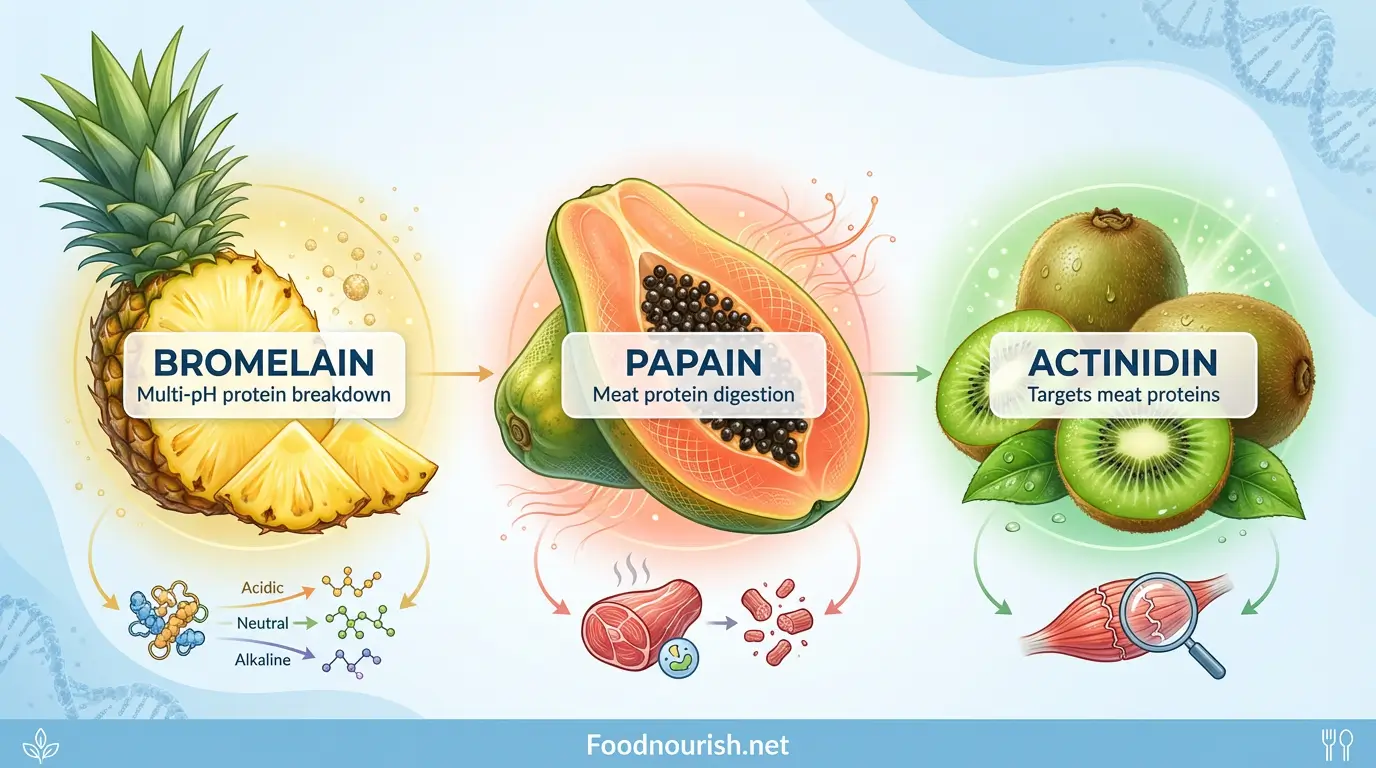
- Bromelain comes from fresh pineapple. Research demonstrates that bromelain improves protein digestive capacity and stimulates pancreatic function [8]. The enzyme breaks down protein bonds at multiple pH levels, making it effective throughout the digestive tract.
- Papain comes from papaya. Studies show papain effectively breaks down meat proteins and has antibacterial properties that support gut health [8].
- Actinidin comes from kiwi. This enzyme specifically targets meat proteins and may improve digestion of beef, chicken, and fish.
Eat these fruits alongside or shortly after protein-heavy meals for maximum benefit.
Strategic Supplementation
Most generic digestive enzyme blends focus on carbohydrate and fat digestion. If you want to improve protein absorption specifically, you need a formula with high protease activity measured in HUT (Hemoglobin Units on Tyrosine basis).
We recommend MassZymes by Bioptimizers.
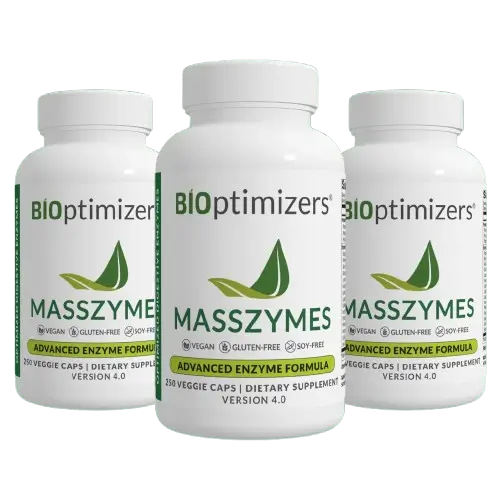
This formula contains a high concentration of proteases that function at different pH levels, breaking protein down throughout the entire digestive tract. For large or heavy meals, taking 1-2 capsules provides additional enzymatic support.
3. Neutralize Anti-Nutrients in Plant Proteins
Plant proteins present a specific challenge. Beans, lentils, soy, and whole grains contain anti-nutrients that physically block enzyme activity.
Phytates bind to digestive enzymes and minerals, reducing protein absorption by up to 10% according to research published in the British Journal of Nutrition [9].
Trypsin inhibitors directly block protease enzymes from working. Lectins can damage the intestinal lining and impair nutrient uptake.
“Does this mean plant protein is inferior?”
Not necessarily. It means you must prepare plant proteins correctly to access their amino acid content.
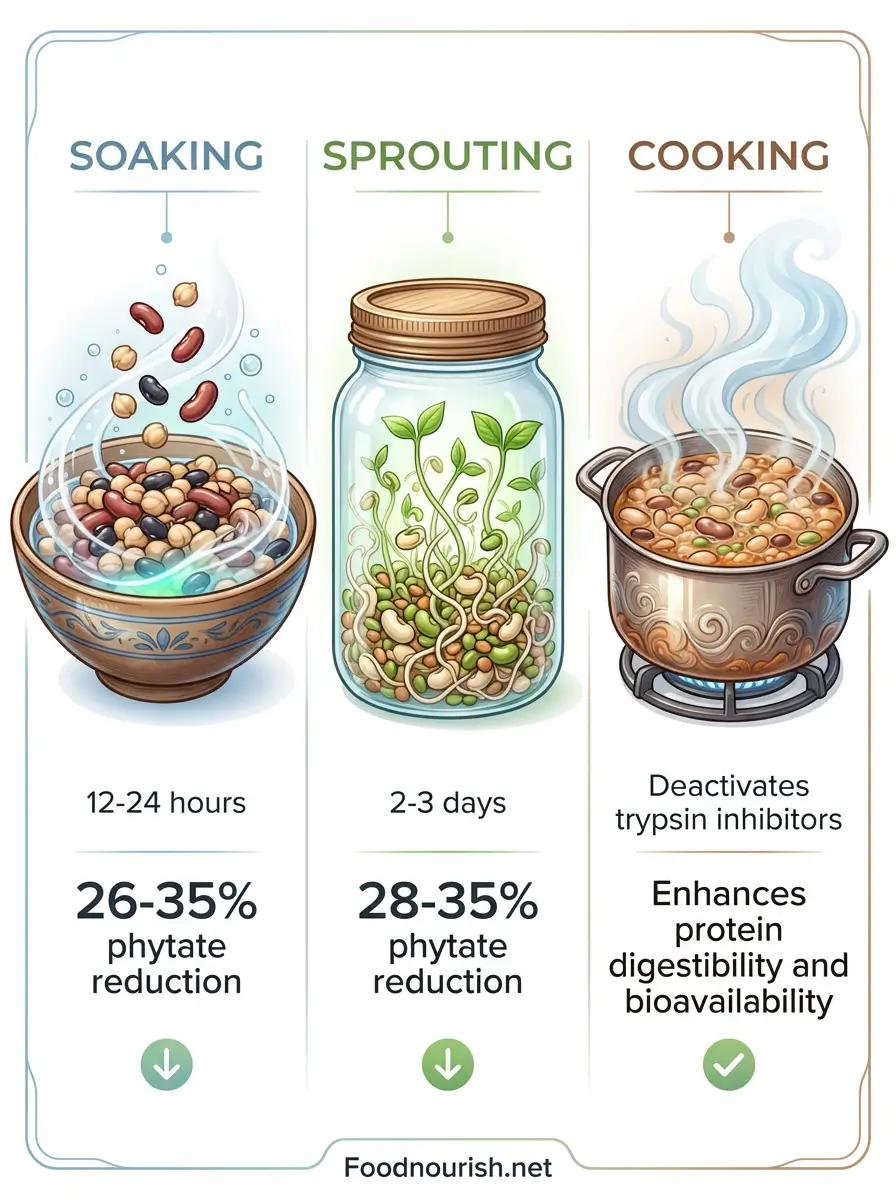
- Soaking and Sprouting. Research shows that soaking legumes reduces phytate content by 26-35%, and sprouting reduces it by 28-35% [10]. Soak beans, lentils, and grains for 12-24 hours before cooking. Discard the soaking water.
- Fermentation. Fermented soy products like tempeh have significantly higher bioavailability than non-fermented options like tofu. The fermentation process breaks down anti-nutrients while also improving the amino acid profile.
- Cooking. Heat deactivates trypsin inhibitors in legumes. Always cook beans and lentils thoroughly. Never consume raw or undercooked legumes if you want to absorb their protein.
4. Master the “Protein Co-Factors” (B6 and Leucine)
Absorption alone does not build muscle. You need specific nutrients to convert absorbed amino acids into new tissue.
- Vitamin B6 (Pyridoxine) functions as a coenzyme in over 150 enzymatic reactions related to amino acid metabolism [11]. The active form, pyridoxal 5′-phosphate, facilitates transamination. Transamination = the process of moving amino groups between molecules to build new proteins.
Without adequate B6, absorbed amino acids cannot be reassembled into muscle tissue. Good dietary sources include chicken breast (0.5mg per 3oz), potatoes (0.4mg per medium potato), bananas (0.4mg per fruit), and spinach.
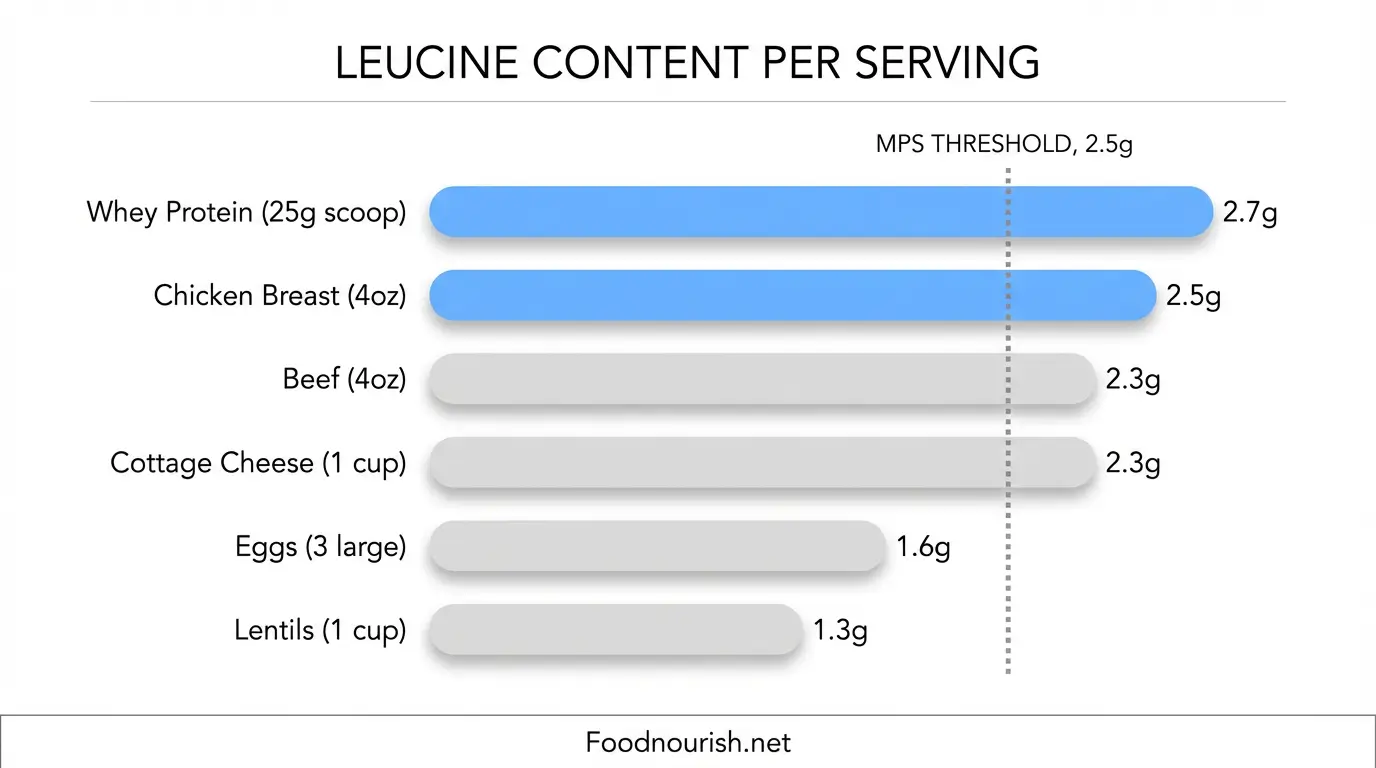
- The Leucine Threshold. Leucine is the amino acid that activates muscle protein synthesis through the mTOR signaling pathway. Research indicates that older adults demonstrate a “meal threshold” for leucine. You need approximately 2.5g of leucine per meal to trigger the anabolic signal [12].
A 4oz chicken breast provides roughly 2.5g of leucine. A cup of cottage cheese provides about 2.3g. Whey protein isolate typically delivers 2.5-3g per 25g scoop.
If your protein source is leucine-poor, you may eat adequate total protein but fail to trigger muscle building.
Actionable Tip: Pair your protein source with B6-rich foods at each meal. For breakfast, eggs with potatoes. For lunch, chicken with spinach. This combination supports both absorption and utilization.
5. Strategic Food Pairing and Timing
The Insulin Connection
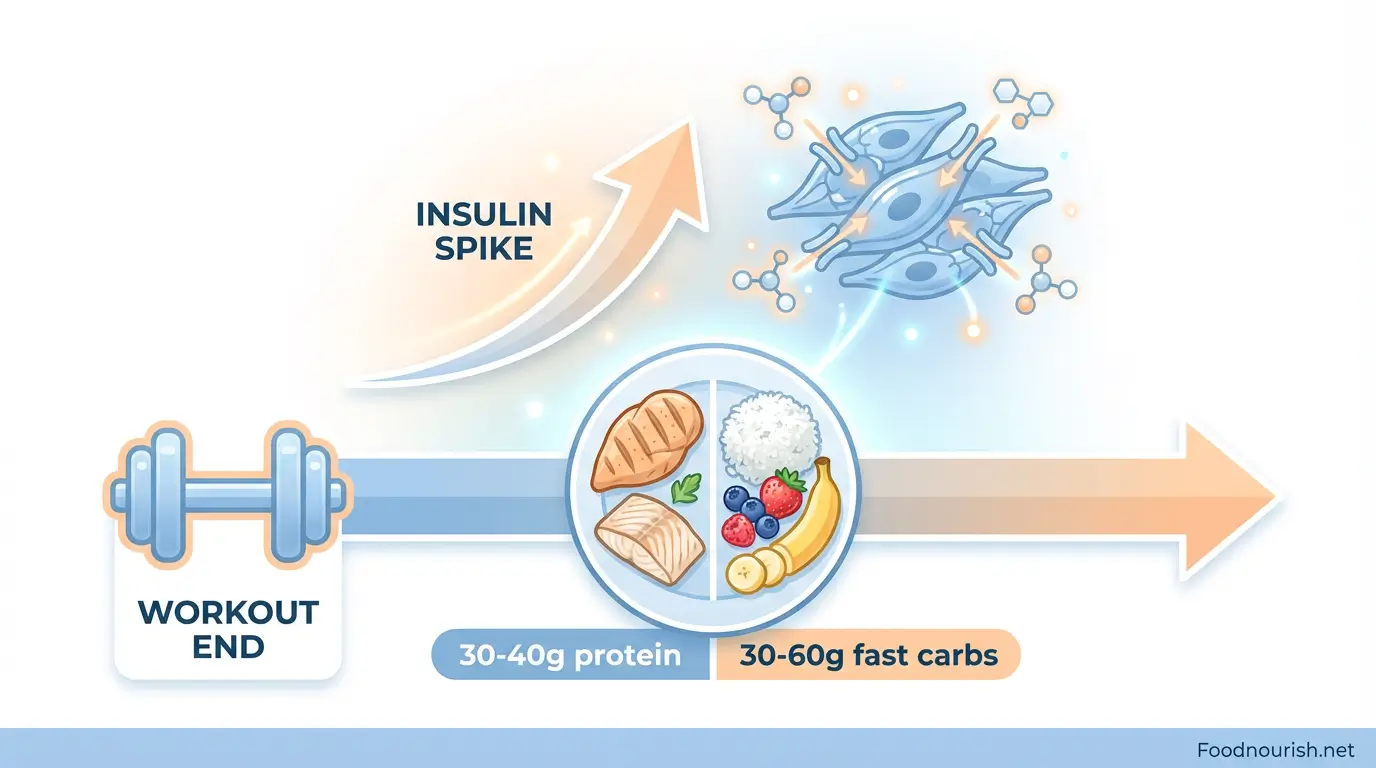
Insulin drives amino acids from your bloodstream into muscle cells. After resistance training, your muscles become more sensitive to insulin, creating an environment where amino acid uptake increases.
Research confirms that insulin stimulates amino acid transport into muscle tissue [13]. Pairing protein with carbohydrates post-workout creates an insulin spike that helps shuttle amino acids into cells where they can support repair and growth.
The Fiber Trap
High-fiber foods slow gastric emptying. This can be beneficial for satiety, but problematic when you want rapid amino acid delivery post-workout. Fiber physically slows the movement of food through your digestive tract, delaying protein absorption.
Save your high-fiber meals for times when speed does not matter. Your post-workout meal should emphasize fast-digesting protein and carbs with minimal fiber.
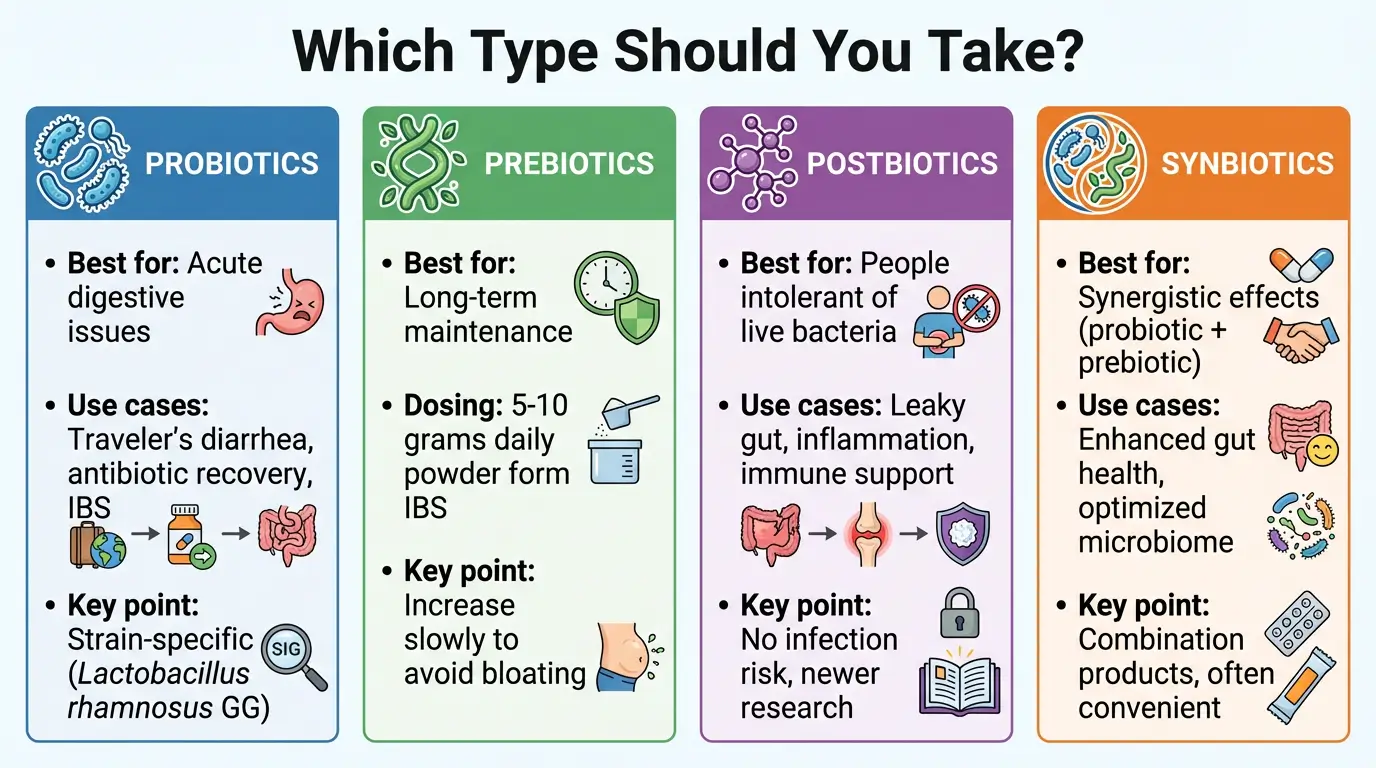
Probiotics
The probiotic strain Bacillus coagulans GBI-30, 6086 has been specifically studied for its effect on protein absorption. Research shows that co-administration of this probiotic with protein increases amino acid absorption and enhances protein utilization [14]. The mechanism involves improved digestion in the small intestine and enhanced gut lining function.
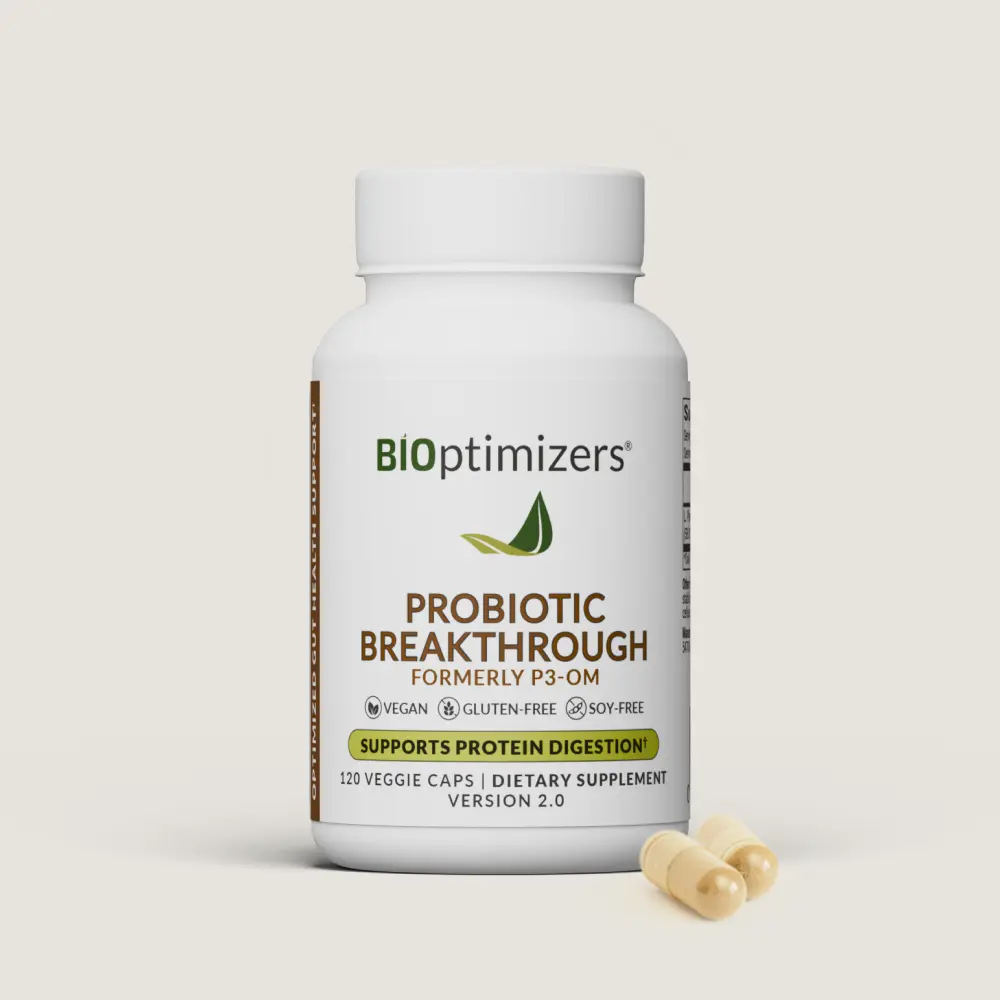
Consider a probiotic supplement containing Bacillus coagulans if you struggle with protein digestion or want to maximize absorption from plant protein sources. Again, one of the best probiotic supplements in the market right now is Probiotics Breakthrough from Bioptimizers – a combination of Prebiotics + Probiotics.
6. Mechanical and Lifestyle Factors
- Chewing (The Surface Area Rule): Digestive enzymes work on the surface of food particles. Larger chunks have less exposed surface area. Thoroughly chewed food provides more surface for enzymes to contact, improving breakdown efficiency.
The recommendation sounds basic, but most people rush through meals. Chew each bite until the food becomes liquid before swallowing. This simple change can significantly improve protein digestion.
- Stress Management: Your nervous system directly controls digestive function. The parasympathetic nervous system (rest and digest) activates digestive secretions and increases blood flow to your gut. The sympathetic nervous system (fight or flight) does the opposite. It shunts blood away from digestive organs toward muscles and the brain.
Eating while stressed, anxious, or distracted suppresses digestive enzyme secretion and reduces stomach acid production. Before meals, take 5-10 slow breaths. Eat without screens. Give your body the signal that it is safe to digest.
- Temperature: Enzymatic reactions proceed faster at warmer temperatures. Cold foods require your body to warm them before optimal digestion can occur. Consuming room temperature or warm protein sources may improve enzymatic efficiency compared to cold meals straight from the refrigerator.
Common Myths Debunked
Myth 1: “You can only absorb 30g of protein per meal.”
This claim misinterprets the research. Your body can absorb nearly all the protein you eat. The 2023 Cell Reports Medicine study demonstrated that 100g of protein in a single meal produced a greater and more prolonged anabolic response lasting over 12 hours compared to 25g [2].
The confusion comes from muscle protein synthesis data. MPS spikes maximally with approximately 20-40g of high-quality protein, depending on the individual [1].
But “maximal MPS spike” does not mean additional protein goes to waste. Excess amino acids support other tissues, reduce protein breakdown, and remain available for later use.
Myth 2: “Raw eggs are the best source of protein.”
Cooked eggs demonstrate approximately 91% protein digestibility. Raw eggs demonstrate only about 51% [15]. Cooking denatures the protein structure, making it more accessible to digestive enzymes. The protein avidin in raw egg whites also binds to biotin, potentially causing deficiency with regular raw egg consumption.
Summary Checklist: Your Protocol
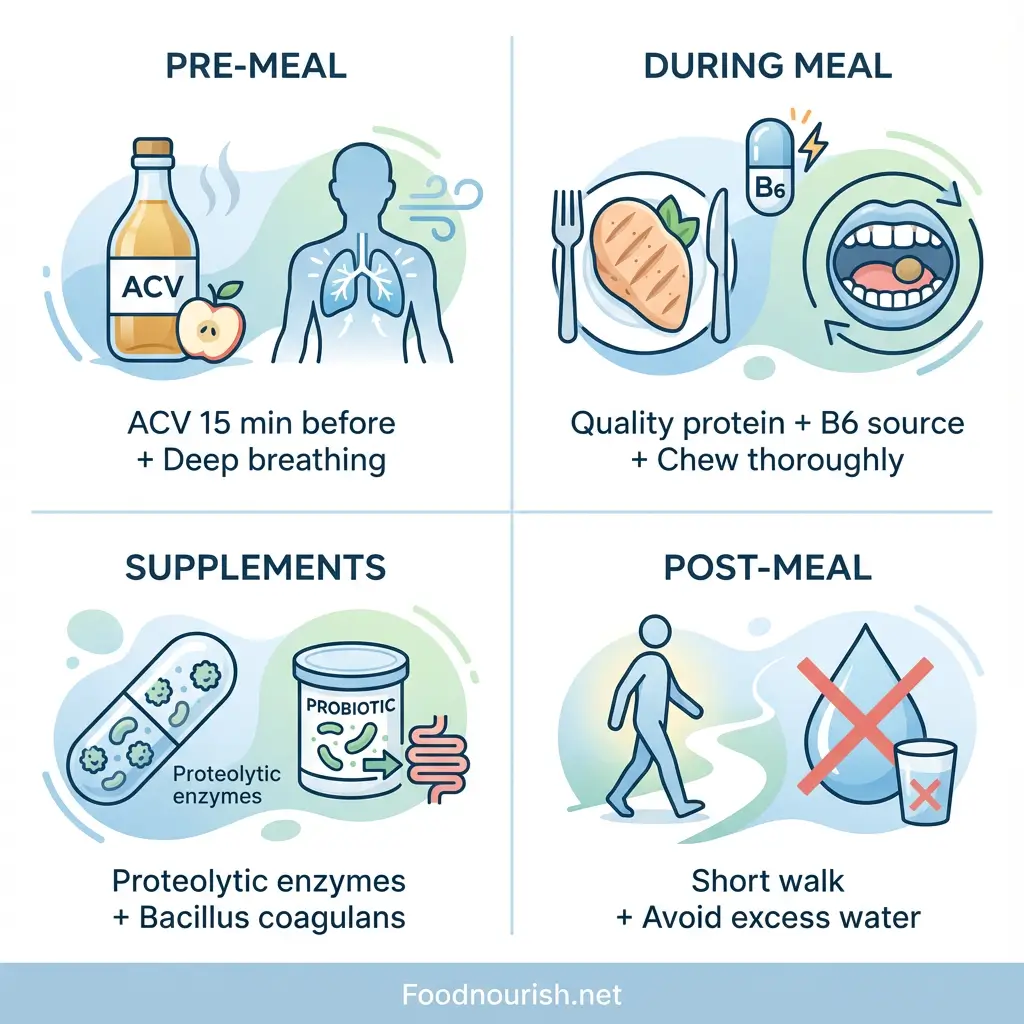
- Pre-Meal Preparation – Take 1 tablespoon liquid apple cider vinegar in water OR Goli Gummies 15 minutes before eating. Practice 5-10 slow breaths to activate parasympathetic digestion.
- During the Meal – Choose high-quality protein sources with adequate leucine (aim for 2.5g per meal). Include a Vitamin B6 source alongside protein. Chew thoroughly until food becomes liquid.
- Supplement Support – Take MassZymes or another high-protease enzyme formula if eating a large or heavy meal. Consider Bacillus coagulans probiotics for ongoing digestive support.
- Post-Meal Practices – Take a short 10-15 minute walk to support blood sugar regulation and gentle digestive movement. Avoid drinking large amounts of water immediately after eating to prevent diluting stomach acid and enzymes.
Frequently Asked Questions (FAQ)
Bottom Line
Increasing your protein intake is the amateur approach. Learning how to increase protein absorption is how you actually get results. Start with stomach acid optimization. Add targeted enzymes. Prepare your plant proteins correctly. Pair foods strategically. Then watch your body finally use the protein you have been paying for.