15 Best Herbs for Bloating and Gas Relief (Fast-Acting Natural Remedies)
Find natural, effective relief from digestive discomfort with these expert-recommended herbal remedies.
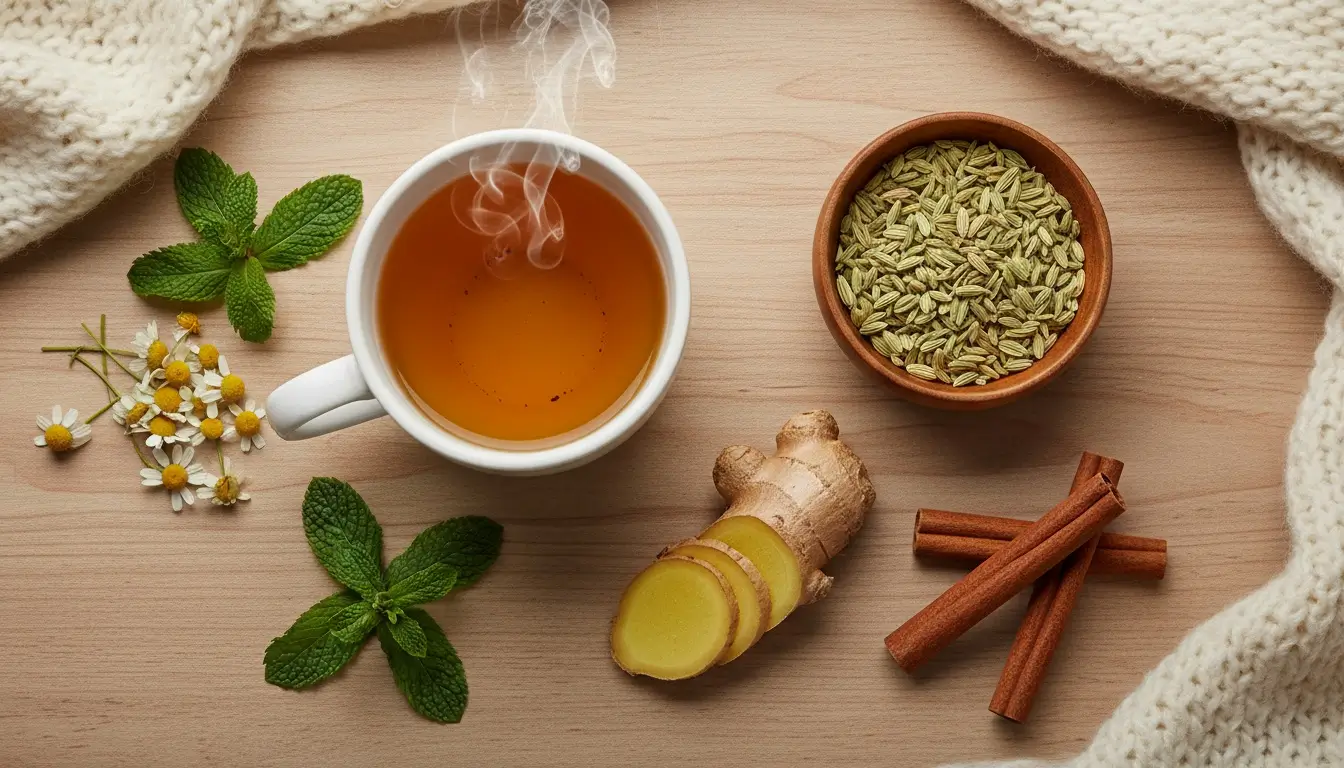
You know that uncomfortable feeling. Your stomach swells, your waistband tightens, and you feel pressure building inside. Bloating and gas affect nearly everyone at some point, and they can turn a good day into a miserable one.
The pharmaceutical industry offers plenty of over-the-counter solutions, but many people prefer a gentler approach. Herbal remedies have been used for thousands of years to calm digestive distress, and modern science now confirms their anti-spasmodic and anti-inflammatory properties through controlled clinical trials.
This guide will walk you through 15 proven herbs that can help you find relief. You’ll learn how they work, how to use them, and which ones might work best for your specific symptoms.
What is Bloating?
Bloating is that full, tight sensation in your abdomen that makes you feel like you’ve swallowed a balloon. It happens when your gastrointestinal tract fills with air or gas, causing your belly to swell and feel uncomfortable.
Gas is a normal byproduct of digestion. Your body produces it when bacteria in your colon break down food. Most people pass gas 14 to 23 times per day [1]. But when gas builds up or moves slowly through your digestive tract, you feel bloated and uncomfortable.
Common Causes of Gas and Bloating
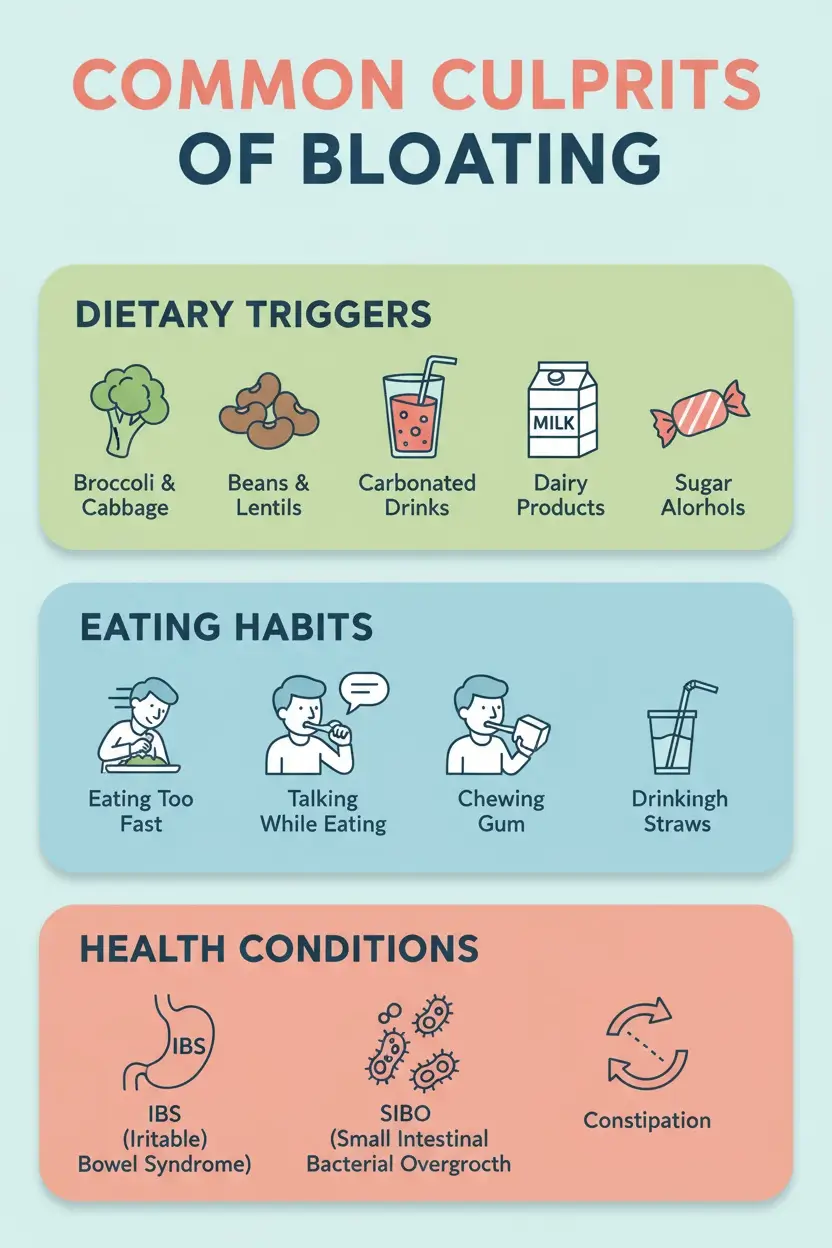
Your diet plays a major role.
- Foods high in fiber, like beans, lentils, and cruciferous vegetables (broccoli, cauliflower, cabbage), produce more gas during digestion.
- Carbonated drinks release carbon dioxide in your stomach.
- Dairy products cause problems if you’re lactose intolerant.
- Sugar alcohols in sugar-free products (sorbitol, xylitol, mannitol) ferment in your gut.
Your eating habits matter too.
When you eat too quickly, you swallow air along with your food. Talking while eating, chewing gum, and drinking through straws all increase the amount of air you take in.
Stress affects your digestive system by altering gut motility (how quickly food moves through your intestines) and increasing sensitivity to gas.
Some people have underlying digestive conditions. Irritable bowel syndrome (IBS) affects 10 to 15 percent of adults worldwide and commonly causes bloating [2]. Small intestinal bacterial overgrowth (SIBO), food intolerances, and constipation can all contribute to persistent gas and bloating.
“But what if I’ve tried everything and nothing works?”
That’s when you need to see a doctor. Persistent bloating can signal something more serious, which we’ll discuss later in this article.
Best Herbs For Bloating and Gas
Here’s a quick overview of the 15 herbs we’ll cover. Each one offers unique benefits for your digestive system:
| Herb | Primary Action | Best For | Common Form |
|---|---|---|---|
| Peppermint | Relaxes intestinal muscles | IBS, general bloating | Tea, oil, capsules |
| Ginger | Speeds gastric emptying | Nausea, slow digestion | Fresh, tea, capsules |
| Fennel | Expels gas | Trapped gas, cramping | Seeds, tea |
| Chamomile | Calms inflammation | Stress-related bloating | Tea |
| Caraway | Releases trapped gas | Gas pain | Seeds, oil |
| Lemon Balm | Reduces anxiety-related symptoms | Nervous stomach | Tea, tincture |
| Anise | Gentle gas relief | Mild bloating | Seeds, tea |
| Coriander | Soothes digestive tract | Indigestion | Seeds, fresh herb |
| Turmeric | Reduces inflammation | Inflammatory conditions | Powder, capsules |
| Dandelion Root | Stimulates digestion | Water retention, sluggish digestion | Tea, tincture |
| Artichoke Leaf | Increases bile production | Fat digestion | Extract, capsules |
| Slippery Elm | Protects gut lining | Irritated digestive tract | Powder, lozenges |
| Marshmallow Root | Soothes mucous membranes | Gut irritation | Tea, capsules |
| Triphala | Regulates bowel movements | Constipation-related bloating | Powder, tablets |
| Gentian Root | Stimulates digestive juices | Low stomach acid | Tincture, bitters |
The Top 8 Carminative Herbs for Quick Relief
Carminative = herbs that help expel gas from the digestive system and prevent its formation. These herbs work fast, often providing relief within 20 to 30 minutes.
1. Peppermint: The Gut Soother
Peppermint stands out as one of the most researched herbs for digestive health. Its active compound, menthol, relaxes the smooth muscles in your intestinal wall. This allows trapped gas to move through your system more easily.
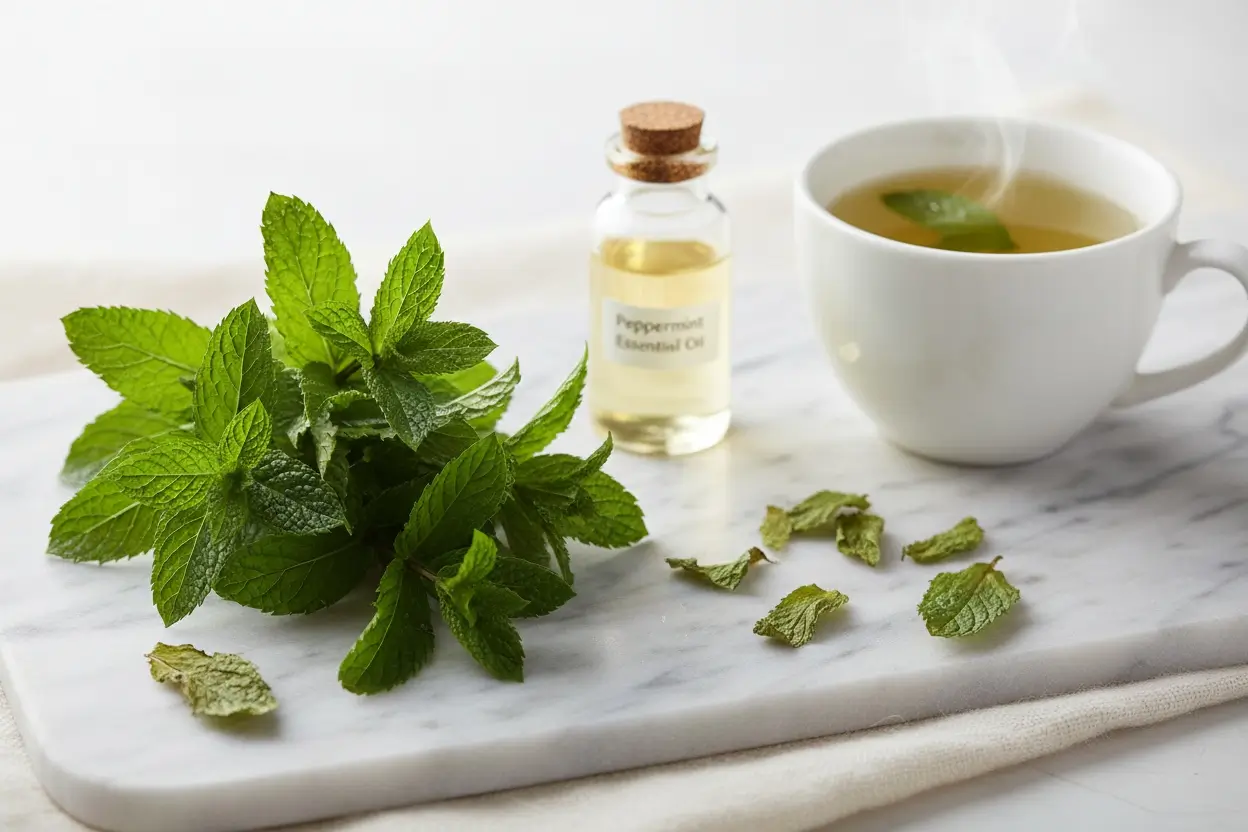
Multiple clinical trials have demonstrated peppermint oil’s effectiveness for reducing bloating and abdominal pain in patients with IBS [3]. Studies consistently show that 70 to 75 percent of participants experience measurable symptom improvement after four weeks of treatment.
How to use it: Drink peppermint tea 20 minutes after meals. Steep 1 tablespoon of dried peppermint leaves in hot water for 10 minutes. For stronger relief, try enteric-coated peppermint oil capsules (0.2 to 0.4 ml, three times daily). The enteric coating = a special protective layer that prevents the oil from releasing in your stomach, where it might cause heartburn, allowing it to dissolve in your intestines instead.

- INTESTINAL COMFORT FORMULA: Peppermint oil has been recommended for centuries by traditional herbalists for the support …
- ENTERIC COATED: NOW Peppermint Gels are enteric coated to allow passage through the stomach and release within the intes…
- WITH GINGER AND FENNEL OILS: Peppermint oi has been found to support normal gastrointestinal function

Important: NEVER apply pure peppermint essential oil directly to your skin or take it internally without proper dilution.
2. Ginger: The Nausea and Gas Reducer
Ginger has been used in Chinese and Ayurvedic medicine for over 2,000 years. It contains compounds called gingerols and shogaols that stimulate digestive enzymes and speed up gastric emptying (how quickly food leaves your stomach and enters your small intestine).
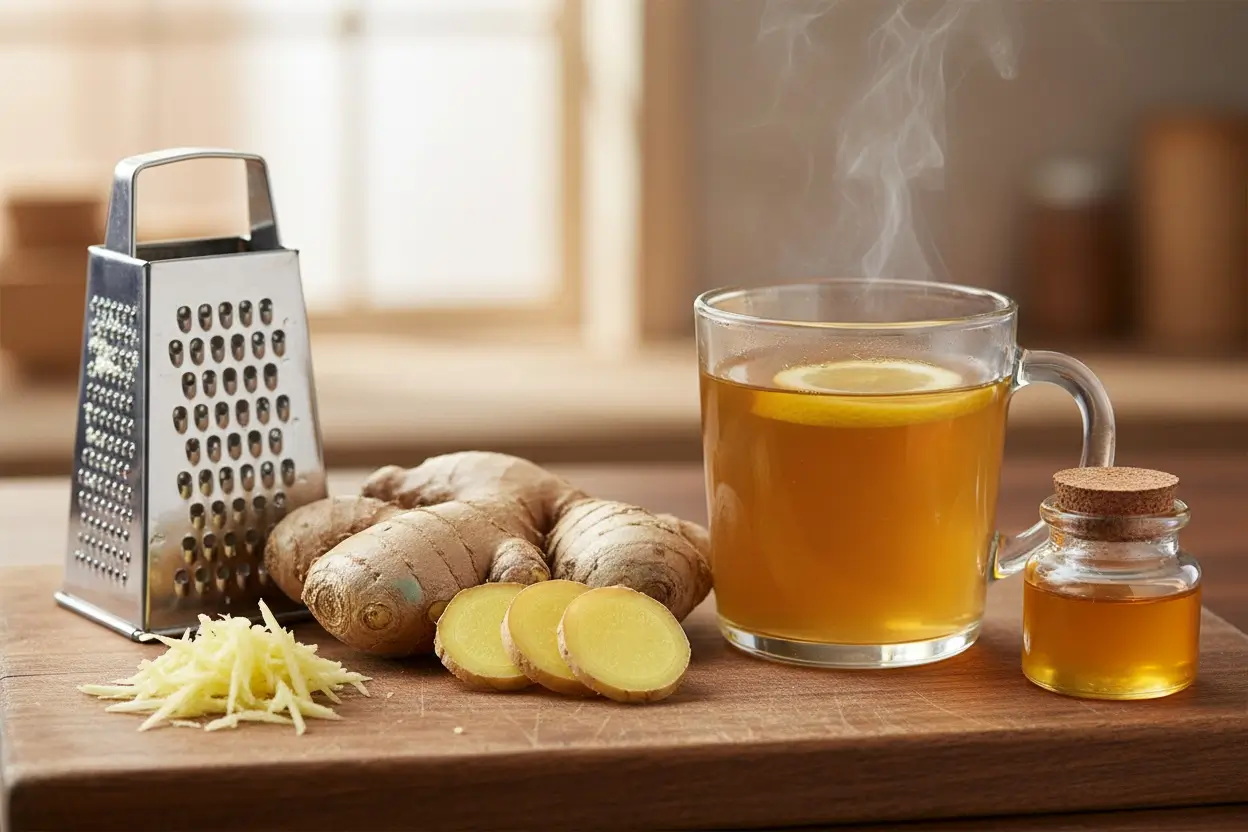
When food moves through your stomach faster, it produces less gas because there’s less time for fermentation.
Research demonstrates that ginger accelerates the rate at which your stomach empties by 20 to 25 percent compared to placebo [4]. This means food spends less time sitting in your stomach where it can ferment and create uncomfortable gas.
How to use it: Grate fresh ginger root (about 1 teaspoon) into hot water for tea. Drink it 15 to 20 minutes before meals to prepare your digestive system. You can also take ginger capsules (250 mg, four times daily) or chew on candied ginger.
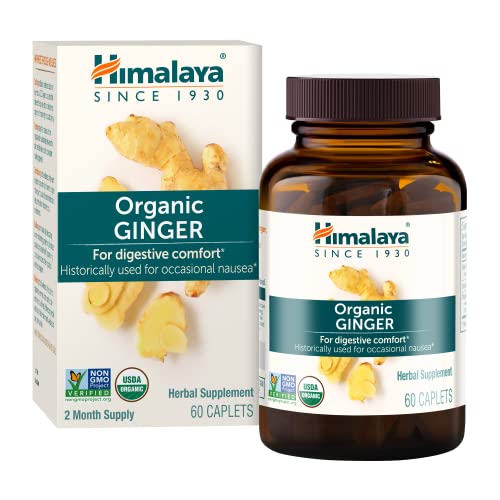
- For occasional nausea: Our Ginger root capsules deliver organic Ginger powder to support normal digestion and promote na…
- High potency gut wellness formula: These herbal supplements include powerful extract to deliver the daily wellness of Gi…
- Ginger for nausea relief and more: Our Ginger capsules help with occasional excess gas in the digestive system, providin…

- SWEET & SPICY. Prince of Peace Original Ginger Chews are an easy and tasty way for you to enjoy ginger on the go.
- REAL GINGER. Each individually wrapped ginger chew is made with 100% real ginger to support digestive health and comfort…
- WHY GINGER. For centuries, ginger has been used to add flavor to food and to provide a natural health boost.
3. Fennel: The Bloat Buster
Fennel seeds have a licorice-like flavor and powerful anti-gas properties. They contain anethole, a compound that relaxes intestinal muscles and helps break up gas bubbles. In Mediterranean and Indian cultures, people chew fennel seeds after meals as a digestive aid.
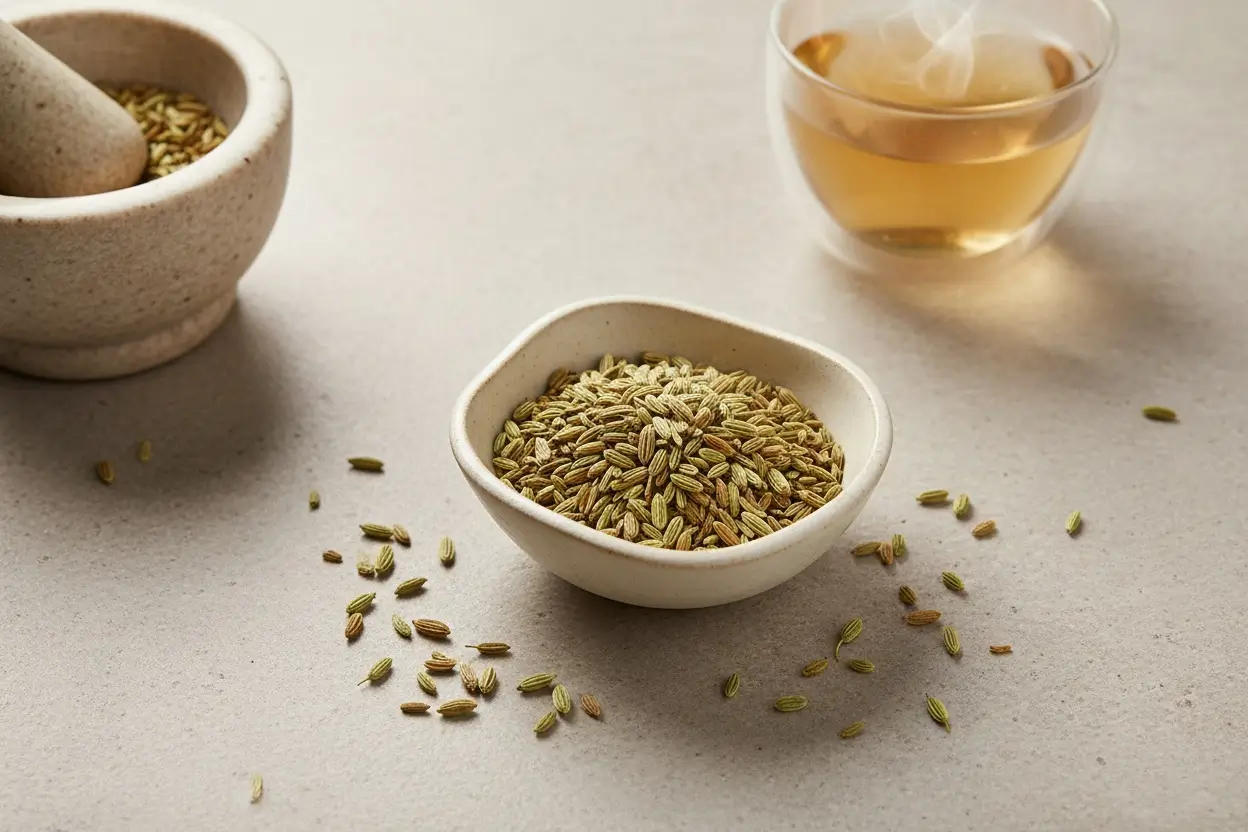
Clinical studies show that fennel combined with other carminative herbs reduces IBS symptoms, including bloating, by 50 to 60 percent over a six-week period [5].
How to use it: Chew half a teaspoon of fennel seeds after eating. Or crush 1 tablespoon of seeds and steep them in hot water for 10 minutes. Strain and drink. The tea has a sweet, pleasant taste that most people enjoy.
“Why do I need to crush the seeds first?”
Crushing releases the volatile oils (the beneficial aromatic compounds that give herbs their scent and therapeutic properties) trapped inside the seeds, making them more effective.
4. Chamomile: The Calming Digestive Aid
Chamomile does double duty. It calms your nervous system AND your digestive tract. The herb contains flavonoids and terpenoids that reduce inflammation in your gut lining. Since stress and anxiety often trigger bloating, chamomile’s relaxing properties address both the physical and emotional aspects of digestive discomfort.
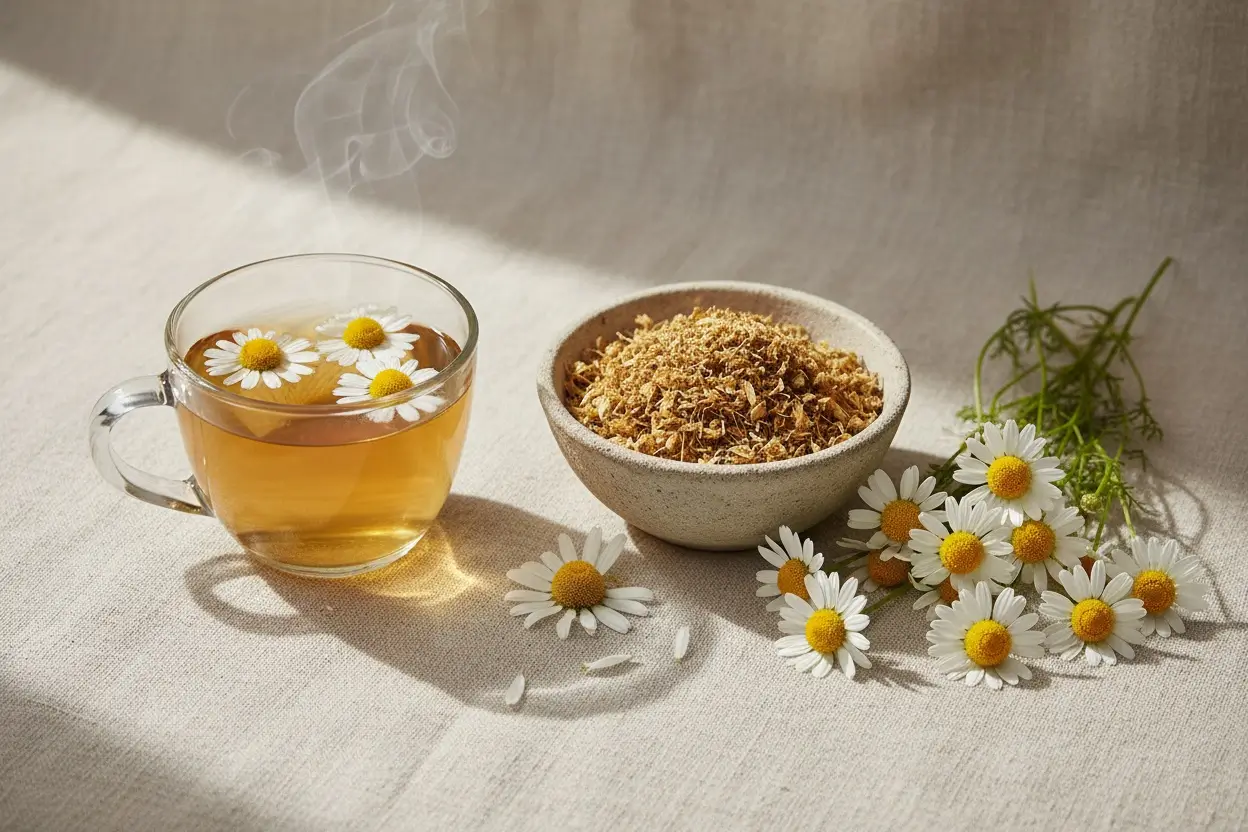
According to the National Center for Complementary and Integrative Health, chamomile has been shown to have anti-inflammatory and antispasmodic effects on the digestive system [6].
How to use it: Brew chamomile tea using 2 to 3 teaspoons of dried flowers per cup of water. Let it steep for 5 minutes. Drink it warm, especially in the evening when stress levels tend to be higher.
5. Caraway: The Gas Expeller
Caraway seeds look similar to cumin but have a distinctive flavor. They contain carvone and limonene, two compounds that prevent gas formation and help expel existing gas. Eastern European cuisines often include caraway in heavy dishes like cabbage and meat to prevent digestive upset.
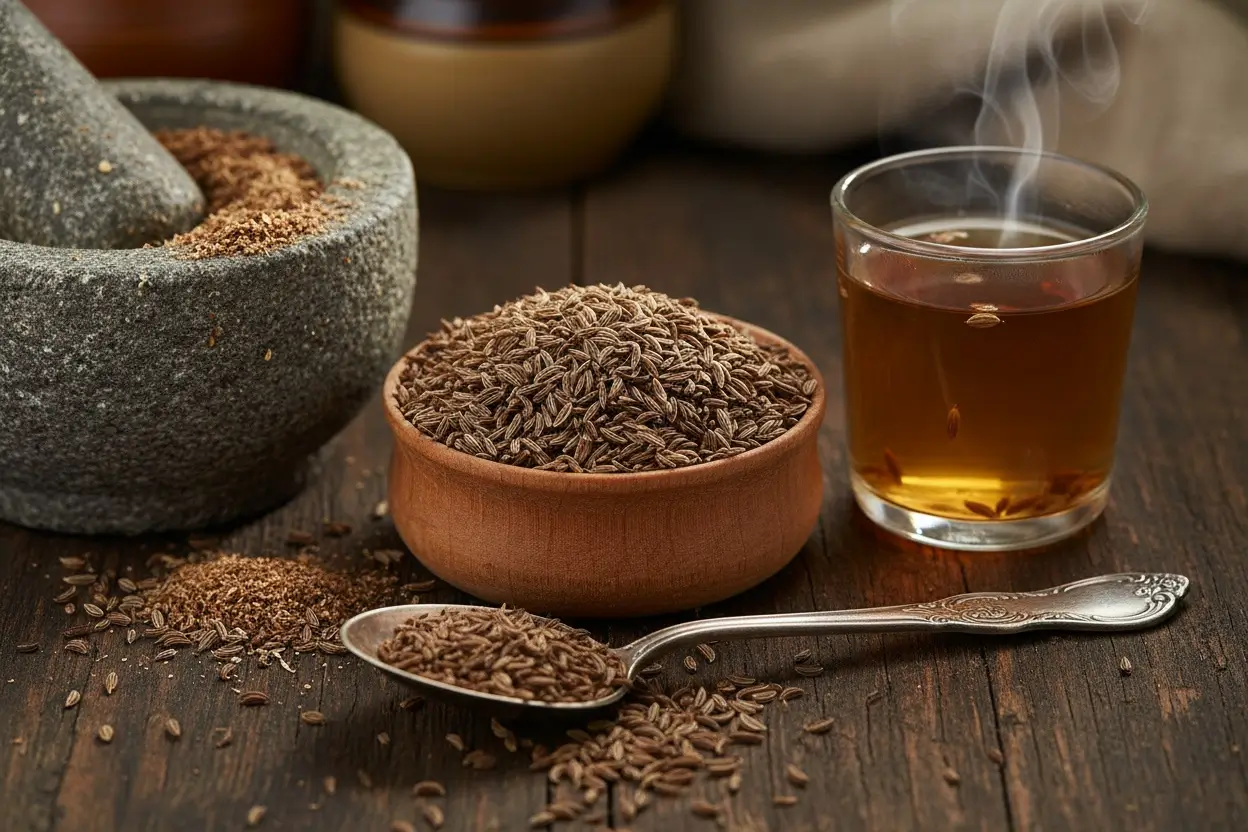
Clinical trials show that a combination of peppermint oil and caraway oil reduces bloating and fullness in approximately 65 to 70 percent of participants with functional dyspepsia (indigestion without an identifiable underlying cause) [7].
How to use it: Add caraway seeds to your cooking, especially when preparing gas-producing foods like beans or cabbage. For medicinal use, crush 1 teaspoon of seeds and steep in hot water for 10 minutes.
6. Lemon Balm: The Stress-Related Bloating Reliever
Lemon balm belongs to the mint family and has a light, citrusy scent. It works particularly well for people whose bloating worsens with stress or anxiety. The herb contains rosmarinic acid and other compounds that calm your nervous system and reduce intestinal spasms.
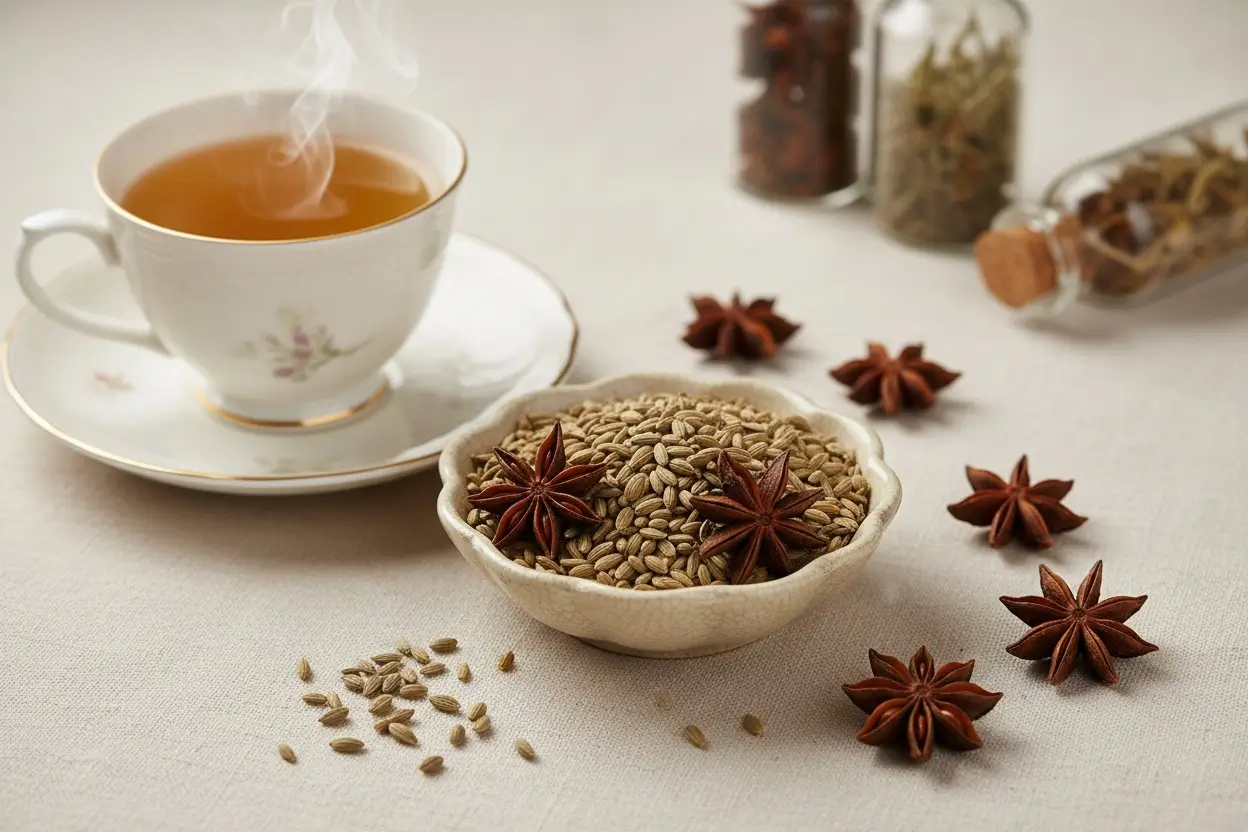
Research shows that lemon balm extract significantly reduces anxiety scores and improves digestive symptoms in stressed individuals over a four-week period [8].
How to use it: Make tea with 1 to 2 teaspoons of dried lemon balm leaves. Steep for 10 minutes. You can also take lemon balm tincture (2 to 3 ml, three times daily). The tincture works faster than tea because the alcohol has already extracted the active compounds and your body absorbs them quickly through the mucous membranes in your mouth.
7. Anise: The Gentle Digestive
Anise has a sweet, licorice-like taste similar to fennel. It contains anethole (the same compound found in fennel) and works as a mild carminative. Anise is particularly good for children and people with sensitive stomachs because it’s gentle yet effective.
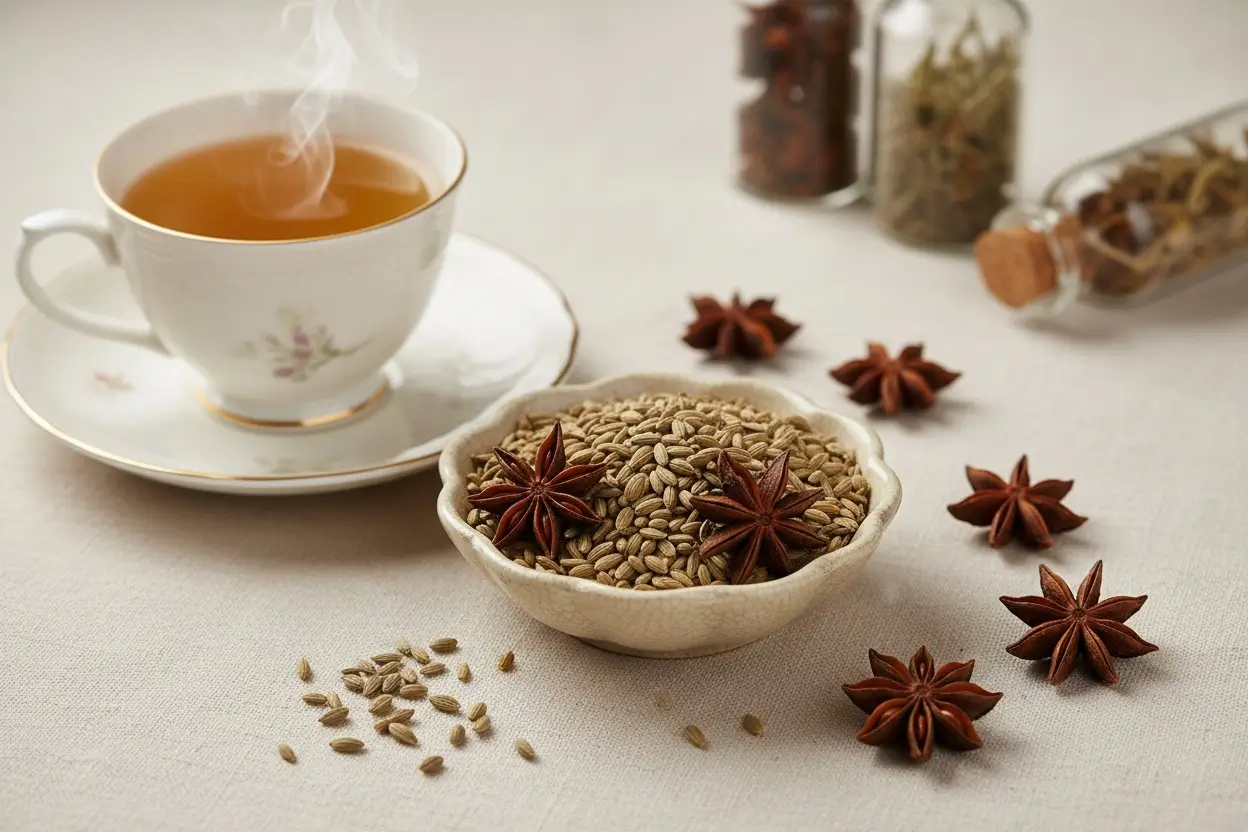
Traditional medicine systems have used anise for centuries. Modern research supports its use, showing that anise extract reduces bloating and improves overall digestive function in controlled studies [9].
How to use it: Crush 1 teaspoon of anise seeds and steep in hot water for 10 minutes. The tea has a naturally sweet flavor, so you won’t need to add honey. Drink it after meals for best results.
8. Coriander: The Gas and Cramp Calmer
Coriander (also called cilantro when referring to the fresh leaves) has been used in Ayurvedic medicine for thousands of years. The seeds contain linalool, a compound that stimulates digestive enzyme production and reduces intestinal spasms.
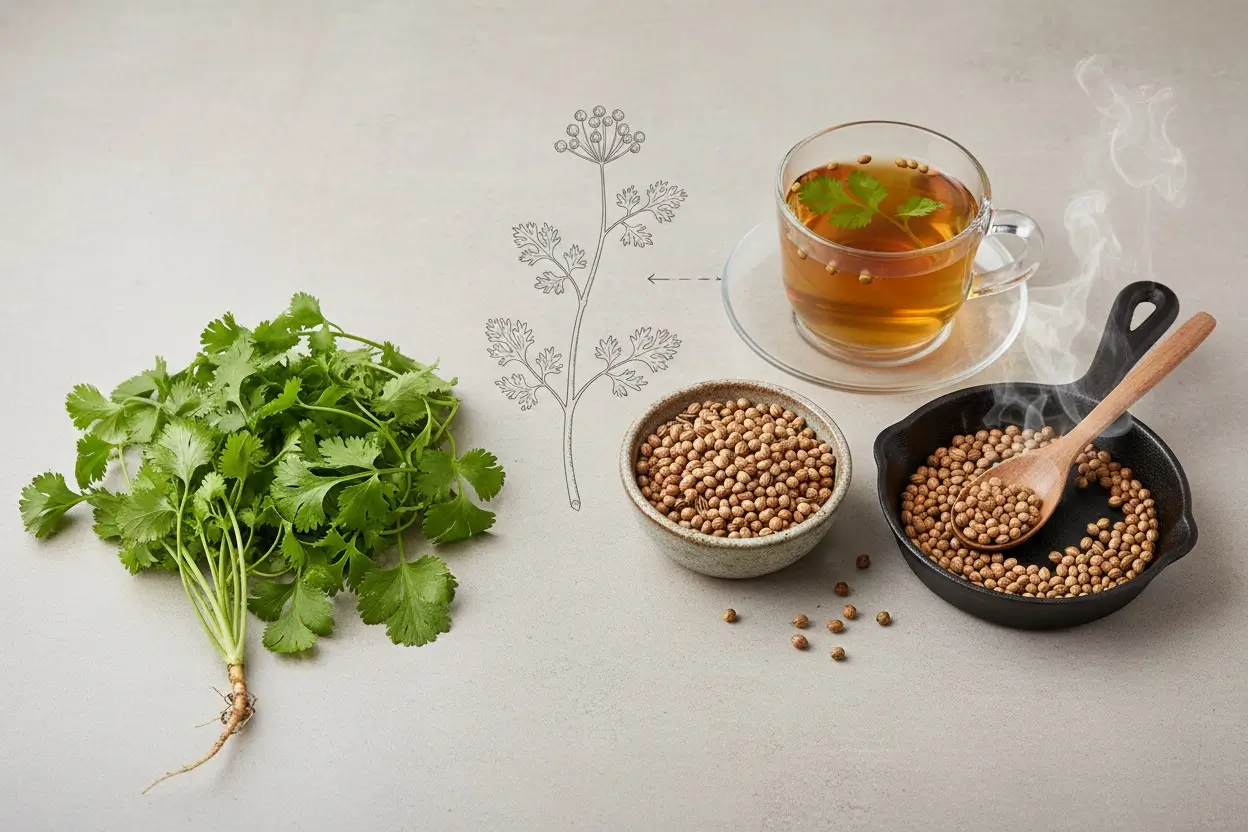
Studies demonstrate that coriander extract improves symptoms in patients with IBS, reducing both bloating and abdominal pain scores by 30 to 40 percent [10].
How to use it: Toast coriander seeds lightly in a dry pan to release their oils. Crush 1 teaspoon and steep in hot water for 10 minutes. You can also add fresh coriander leaves to your meals (though the seeds have stronger medicinal properties).
7 More Powerful Herbs for Long-Term Digestive Health
These herbs work differently than carminatives. Instead of providing quick relief, they support your digestive system over time. Think of them as long-term investments in your gut health.
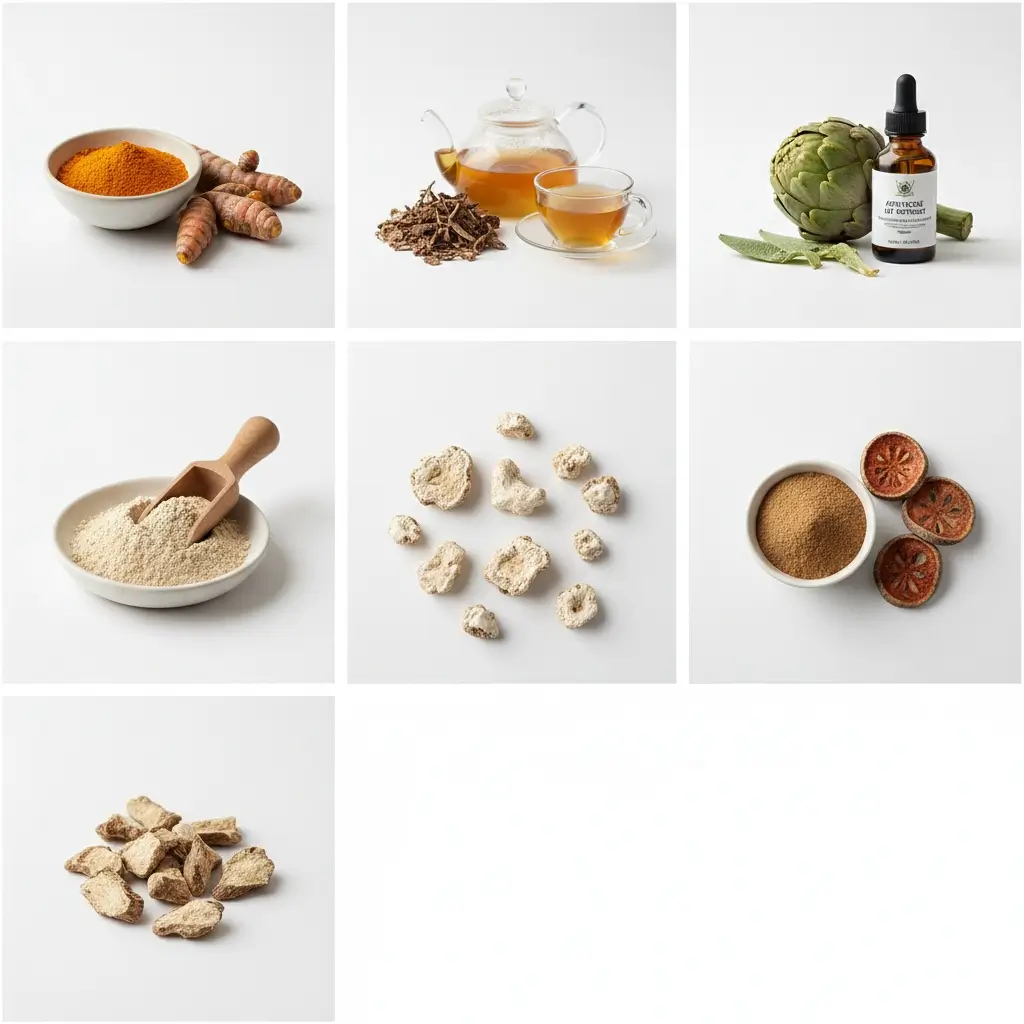
1. Turmeric: The Anti-Inflammatory Powerhouse
Turmeric contains curcumin, a compound with powerful anti-inflammatory properties. Chronic inflammation in your digestive tract can lead to bloating, gas, and discomfort. By reducing inflammation, turmeric addresses one of the root causes of digestive problems.
Research shows that curcumin supplementation reduces bloating scores and improves quality of life measurements in patients with IBS over an eight-week period [11]. The compound works by modulating gut inflammation and improving intestinal barrier function (how well your gut lining protects you from harmful substances).
How to use it: Add 1 to 2 teaspoons of turmeric powder to warm milk or water. Include a pinch of black pepper (the piperine in black pepper increases curcumin absorption by up to 2,000 percent). You can also take curcumin capsules (500 mg, two to three times daily with meals).
2. Dandelion Root: The Natural Diuretic and Digestive Stimulant
Most people see dandelions as weeds. But herbalists know better. Dandelion root stimulates bile production, which helps you digest fats more efficiently. It also acts as a mild diuretic (a substance that increases urine production), reducing water retention that can contribute to bloating.
Studies confirm that dandelion root supports liver function and improves digestive enzyme production, though more research is needed to quantify exact effects [12].
How to use it: Roasted dandelion root makes a coffee-like tea. Steep 1 tablespoon of dried root in hot water for 15 minutes. Drink it before meals to stimulate digestion. You can also take dandelion root tincture (2 to 5 ml, three times daily).
3. Artichoke Leaf: The Bile Booster
Artichoke leaf extract increases bile flow, which is necessary for breaking down fats. When you don’t produce enough bile, fatty foods sit in your stomach longer and ferment, creating gas and bloating.
A randomized controlled trial found that artichoke leaf extract significantly reduced symptoms of dyspepsia, including bloating, within six weeks [13]. Participants reported a 40 to 45 percent reduction in symptom severity compared to baseline measurements.
How to use it: Take artichoke leaf extract in capsule form (320 to 640 mg daily, divided into two or three doses). Take it with meals for best results.
4. Slippery Elm: The Gut-Lining Protector
Slippery elm contains mucilage, a gel-like substance that coats and soothes your digestive tract. This protective coating reduces irritation and inflammation that can lead to bloating. Native American healers have used slippery elm for centuries to treat digestive complaints.
“What exactly does mucilage do?”
When mixed with water, mucilage forms a slippery gel that coats your esophagus, stomach, and intestines. This coating protects inflamed or damaged tissue, allowing it to heal while reducing symptoms.
Research shows that slippery elm improves bowel movement consistency and reduces abdominal pain in patients with IBS [14].
How to use it: Mix 1 tablespoon of slippery elm powder with water to form a gel. Take it 30 minutes before meals. The powder has a mild, slightly sweet taste. You can also find slippery elm lozenges for convenience.
5. Marshmallow Root: The Soothing Demulcent
Like slippery elm, marshmallow root contains mucilage that protects your gut lining. A demulcent = a substance that forms a soothing film over mucous membranes, relieving minor pain and inflammation.
It’s particularly helpful if you have inflammation or irritation in your digestive tract. The herb forms a protective layer that allows your gut to heal while reducing symptoms.
Studies confirm that marshmallow root has anti-inflammatory and protective effects on the gastrointestinal mucosa (the lining of your digestive tract) [15].
How to use it: Make a cold infusion by soaking 1 tablespoon of dried marshmallow root in cold water overnight. Strain and drink in the morning. Cold water extracts the mucilage better than hot water without destroying its beneficial properties.
6. Triphala: The Gentle Detoxifier
Triphala is an Ayurvedic formula made from three fruits: amalaki, bibhitaki, and haritaki. It gently stimulates bowel movements, which helps prevent constipation-related bloating.
Unlike harsh laxatives that can cause dependency (your bowel becomes reliant on them to function), triphala doesn’t create this problem and actually strengthens your digestive system over time.
Research shows that triphala improves bowel function and reduces bloating in patients with gastrointestinal disorders over a four to eight week period [16].
How to use it: Take triphala powder (1 to 2 teaspoons) mixed with warm water before bed. Or take triphala tablets (500 to 1,000 mg) in the evening. Start with a lower dose and increase gradually to assess your tolerance.
7. Gentian Root: The Bitter Stimulant
Gentian root tastes intensely bitter, and that’s exactly why it works. Bitter compounds stimulate your taste receptors, which triggers a cascade of digestive processes. Your body produces more saliva, stomach acid, and digestive enzymes. This helps you break down food more completely, reducing fermentation and gas.
Traditional herbalists have long recognized that bitter herbs taken 15 minutes before meals significantly improve digestion by preparing the entire digestive system for incoming food [17].
How to use it: Take gentian root tincture (1 to 2 ml) about 15 minutes before meals. Place a few drops on your tongue and hold them there for a moment before swallowing. The bitter taste is part of the medicine and triggers the digestive response. You can also find gentian in commercial digestive bitters blends.
How to Prepare and Use Your Herbal Remedies
You have several options for taking herbs. Each method has advantages depending on your lifestyle and preferences.
The Perfect Herbal Tea
Tea is the most traditional way to use herbs. Hot water extracts the beneficial compounds, and the warm liquid itself soothes your digestive tract.
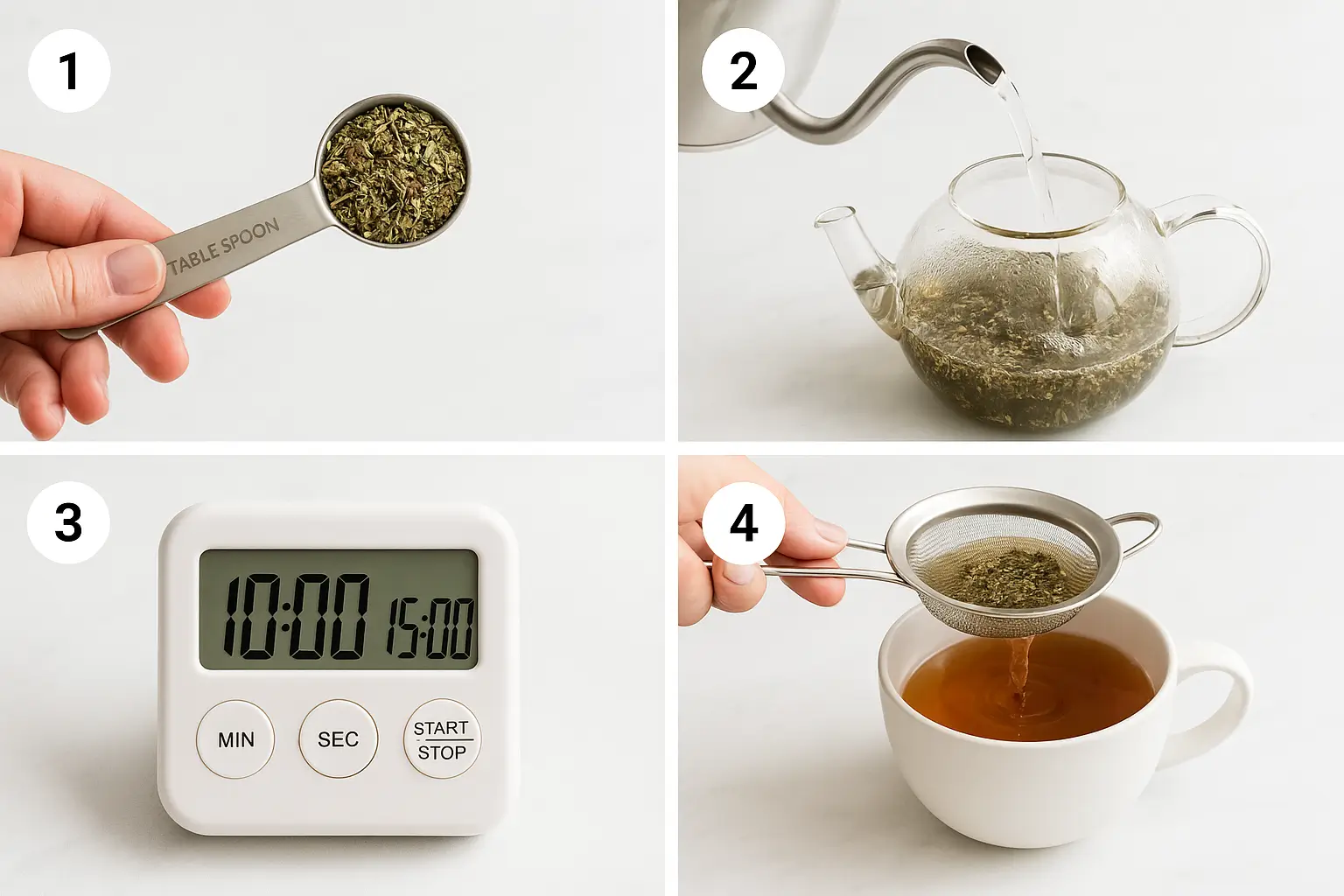
Here’s how to make a potent anti-bloating tea:
- Start with filtered water. Bring it to a boil, then let it cool for 30 seconds (this prevents you from destroying delicate compounds in the herbs).
- Use 1 tablespoon of dried herbs per cup of water. If you’re using fresh herbs, triple the amount because fresh herbs contain more water and less concentrated plant material.
- Place the herbs in a teapot or cup. Pour the hot water over them.
- Cover the container. This traps the volatile oils that would otherwise escape with the steam, making your tea more potent.
- Steep for 10 to 15 minutes. Longer steeping times extract more compounds but can make the tea taste bitter.
- Strain and drink. You can add honey or lemon if desired, but try it plain first.
TIP: Drink your tea 20 to 30 minutes after meals for digestive support, or when you feel bloating coming on.
Tinctures vs. Capsules
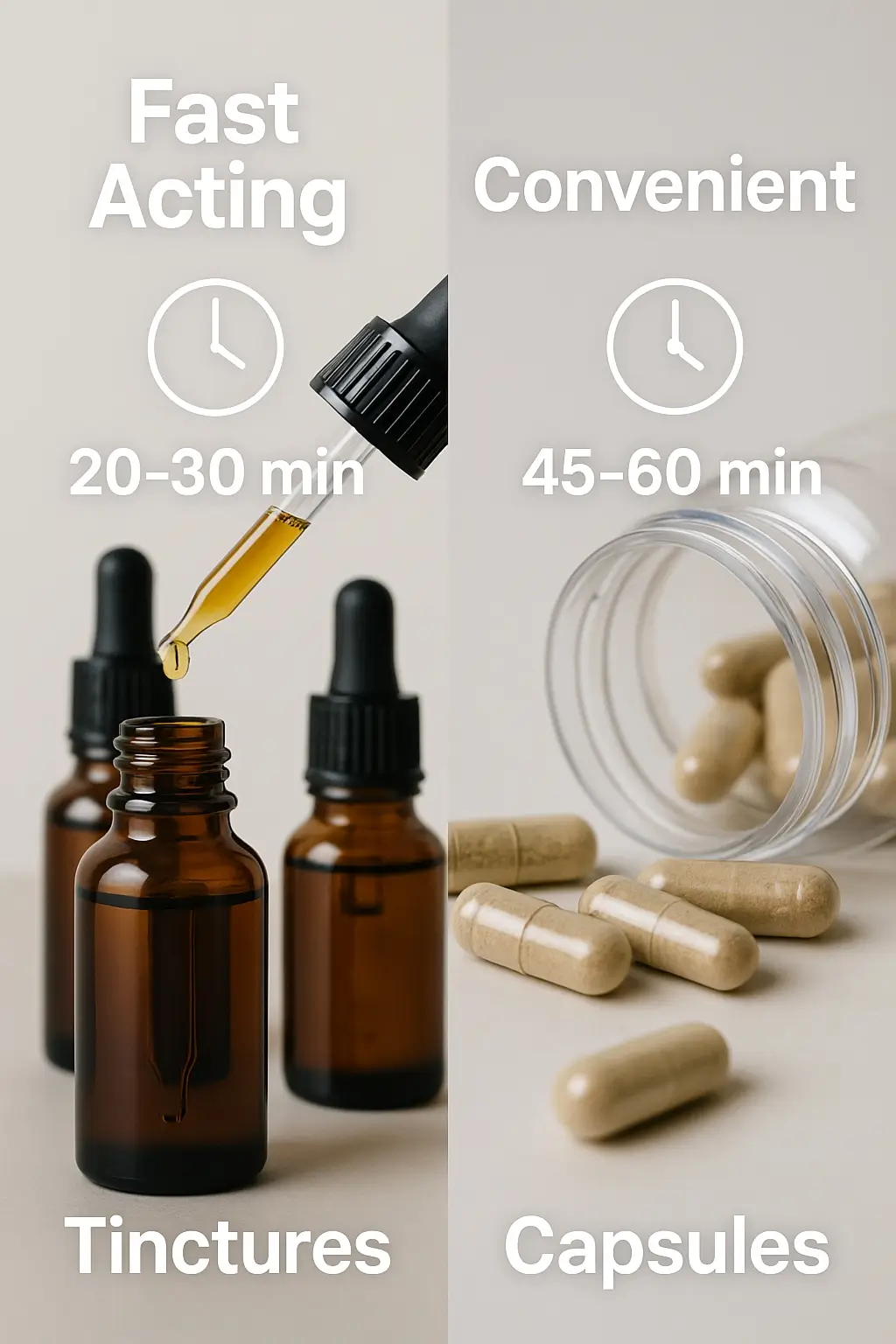
Tinctures are concentrated liquid extracts made by soaking herbs in alcohol. They work faster than tea because the alcohol has already extracted the active compounds. You absorb them quickly through the mucous membranes in your mouth.
Take tinctures by placing the recommended dose under your tongue and holding it there for 30 seconds before swallowing. This allows for sublingual absorption (absorption through the tissues under your tongue directly into your bloodstream, bypassing your digestive system for faster effects). You can also add tinctures to a small amount of water.
Capsules offer convenience. They’re pre-measured, portable, and have no taste. However, they take longer to work (typically 45 to 60 minutes) because your body must break down the capsule first. Capsules work best for herbs you take regularly for long-term support rather than immediate relief.
Choose tinctures when you need fast relief. Choose capsules for daily maintenance and prevention.
Incorporating Herbs into Your Cooking
Many digestive herbs double as culinary spices. Adding them to your meals provides gentle, ongoing support for your digestive system.
Sprinkle fennel or caraway seeds on roasted vegetables. Add fresh ginger to stir-fries and soups. Use turmeric in curries, rice dishes, and smoothies. Include fresh coriander leaves in salads and salsas.
Cook with generous amounts of these herbs, especially when preparing foods that tend to cause gas.
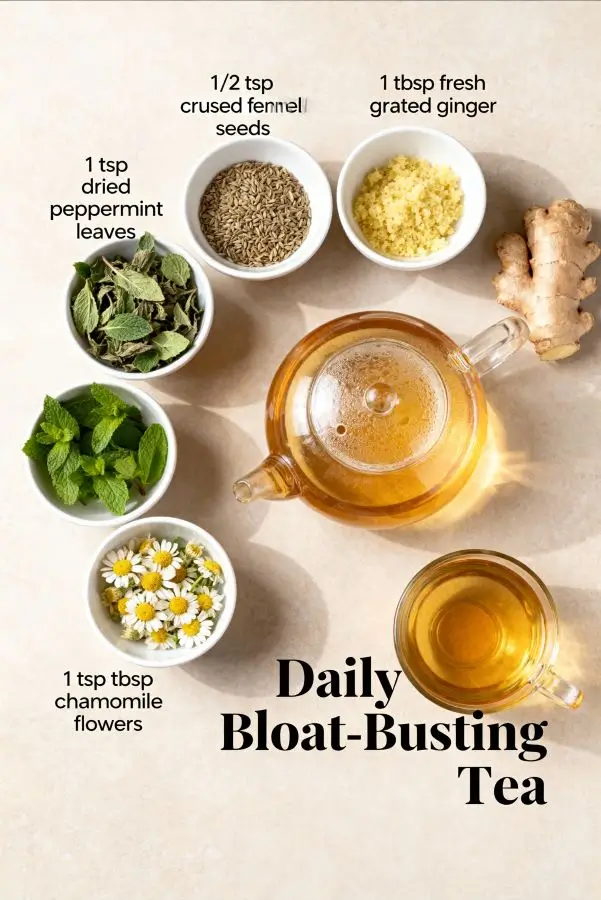
A Simple Daily Bloat-Busting Tea Recipe
This blend combines several carminative herbs for maximum effectiveness:
- 2 teaspoons dried peppermint leaves
- 1 teaspoon fennel seeds (crushed)
- 1 teaspoon fresh grated ginger
- 1/2 teaspoon chamomile flowers
Mix all ingredients in a teapot. Add 2 cups of hot water. Cover and steep for 10 minutes. Strain and drink after your largest meal of the day. This recipe makes enough for two servings. You can store the leftover tea in the refrigerator and reheat it gently.
Lifestyle Tips to Prevent Bloating and Gas
Herbs work best when combined with healthy habits. These lifestyle changes can significantly reduce your bloating and gas.
The Importance of Mindful Eating
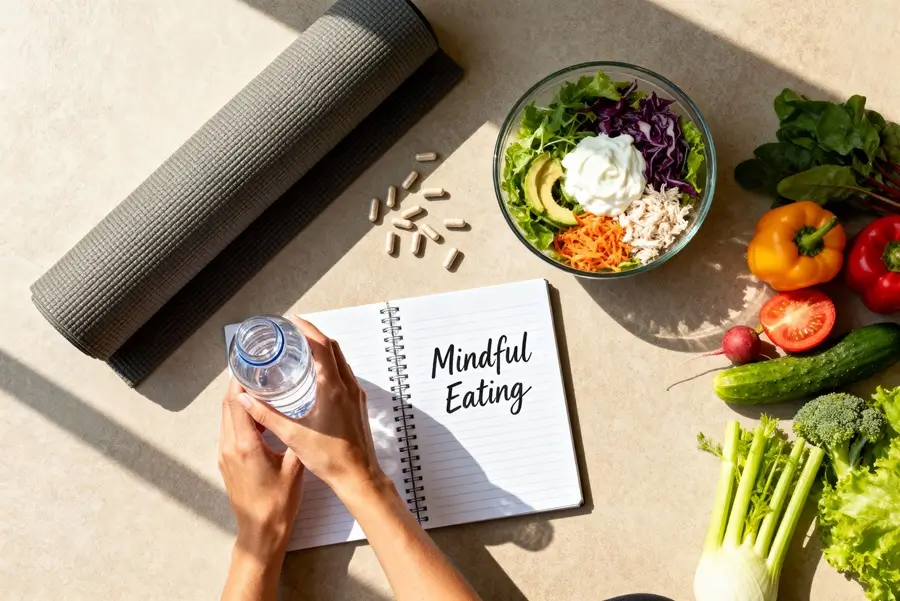
Your grandmother was right: slow down and chew your food. When you eat quickly, you swallow air. You also don’t chew thoroughly, which means larger food particles reach your intestines. Your gut bacteria have to work harder to break down these particles, producing more gas in the process.
Put your fork down between bites. Chew each mouthful 20 to 30 times. Focus on your food instead of your phone or television. This simple practice can reduce bloating by 30 to 40 percent according to digestive health experts.
Hydration: Your Gut’s Best Friend
Water helps move food through your digestive system. It also prevents constipation, a major cause of bloating. Aim for eight glasses of water daily, more if you exercise or live in a hot climate.
Drink water between meals rather than with meals. Large amounts of liquid during eating can dilute your digestive enzymes, making digestion less efficient.
The Role of Probiotics and Prebiotics
Your gut contains trillions of bacteria. When the beneficial bacteria outnumber the harmful ones, you digest food better and produce less gas. Probiotics = beneficial bacteria you can consume through fermented foods (yogurt, kefir, sauerkraut, kimchi) or supplements.
Prebiotics = fibers that feed your good bacteria. They’re found in foods like garlic, onions, asparagus, and bananas. A healthy balance of probiotics and prebiotics supports optimal digestion.
Clinical research demonstrates that specific probiotic strains reduce bloating in IBS patients by 35 to 40 percent over an eight-week treatment period [18].
Gentle Movement to Aid Digestion
Physical activity helps move gas through your intestines. You don’t need intense exercise. A 10 to 15 minute walk after meals can make a significant difference.
Yoga poses that compress and release your abdomen are particularly helpful. Try these: knees-to-chest pose, seated twist, and child’s pose. Hold each position for 30 seconds to 1 minute while breathing deeply.
When to See a Doctor

Most bloating and gas is harmless, but sometimes it signals something serious. See a doctor if you experience:
- Severe or persistent abdominal pain that doesn’t improve with home remedies.
- Bloating that lasts more than two weeks without relief.
- Unexplained weight loss along with digestive symptoms.
- Blood in your stool or black, tarry stools. Persistent nausea or vomiting.
- Fever along with digestive symptoms.
- Changes in bowel habits that last more than a few days.
These symptoms could indicate conditions like celiac disease, inflammatory bowel disease, ovarian cancer, or other serious health problems. Don’t try to self-diagnose or treat persistent symptoms with herbs alone.
Your doctor can run tests to identify the underlying cause. Blood tests, stool samples, breath tests for SIBO, and imaging studies can provide valuable information.
Once you have a proper diagnosis, you can work with a healthcare provider to create a treatment plan that may include herbs alongside other therapies.
Where to Buy Herbs
Quality matters when it comes to herbal remedies. Poor-quality herbs may be contaminated, mislabeled, or lack potency.
For loose herbs and tea:
- Mountain Rose Herbs offers certified organic herbs with third-party testing for purity. They provide detailed information about the origin and processing of each herb.
- Starwest Botanicals sells bulk herbs at reasonable prices. They’re certified organic and kosher.
- Traditional Medicinals makes high-quality herbal tea blends specifically formulated for digestive health. Their Organic Peppermint and Organic Ginger teas are particularly effective.
For capsules and supplements:
- Gaia Herbs uses liquid phyto-caps that preserve the herbs’ beneficial compounds. They test every batch for purity and potency.
- Herb Pharm produces liquid herbal extracts (tinctures) using certified organic herbs. Their products are well-respected among herbalists.
- NOW Foods offers affordable herbal supplements that meet good manufacturing practice (GMP) standards. They’re widely available in health food stores.
- Nature’s Way has been producing herbal supplements for over 50 years. They use third-party testing and clearly label their products.
When shopping online, look for companies that provide certificates of analysis, use organic herbs when possible, and test for contaminants like heavy metals and pesticides. Read customer reviews, but remember that individual results vary.
Feel free to check our guide with 10 Tips On How to Choose High Quality Vitamins and Supplements.
FAQ Section
Conclusion
Bloating and gas don’t have to control your life. The 15 herbs covered in this guide offer natural, effective relief for digestive discomfort. Some work quickly to expel trapped gas and reduce bloating. Others support your long-term digestive health by reducing inflammation, stimulating digestion, and protecting your gut lining.
Start simple. Choose one or two herbs that appeal to you and match your symptoms. Try peppermint or ginger if you need fast relief. Consider turmeric or triphala if you want to address underlying digestive issues.
Pay attention to your body’s signals. Notice which herbs work best for you and how your symptoms change over time. Combine herbal remedies with healthy lifestyle habits for the best results.
Remember that persistent or severe symptoms deserve medical attention. Herbs are powerful tools, but they’re not substitutes for proper diagnosis and treatment of serious conditions.
Your digestive system is unique. What works for someone else might not work for you, and that’s okay. Be patient with yourself as you find the right combination of herbs and practices that bring you relief.
Share your favorite anti-bloating herb in the comments below!