
Natural Ozempic: The Truth About Berberine, Fiber, and GLP-1 Boosting Foods
Stop scrolling social media. Here is the science-backed reality of supplements that claim to mimic semaglutide, and the exact protocol to boost your satiety hormones naturally.
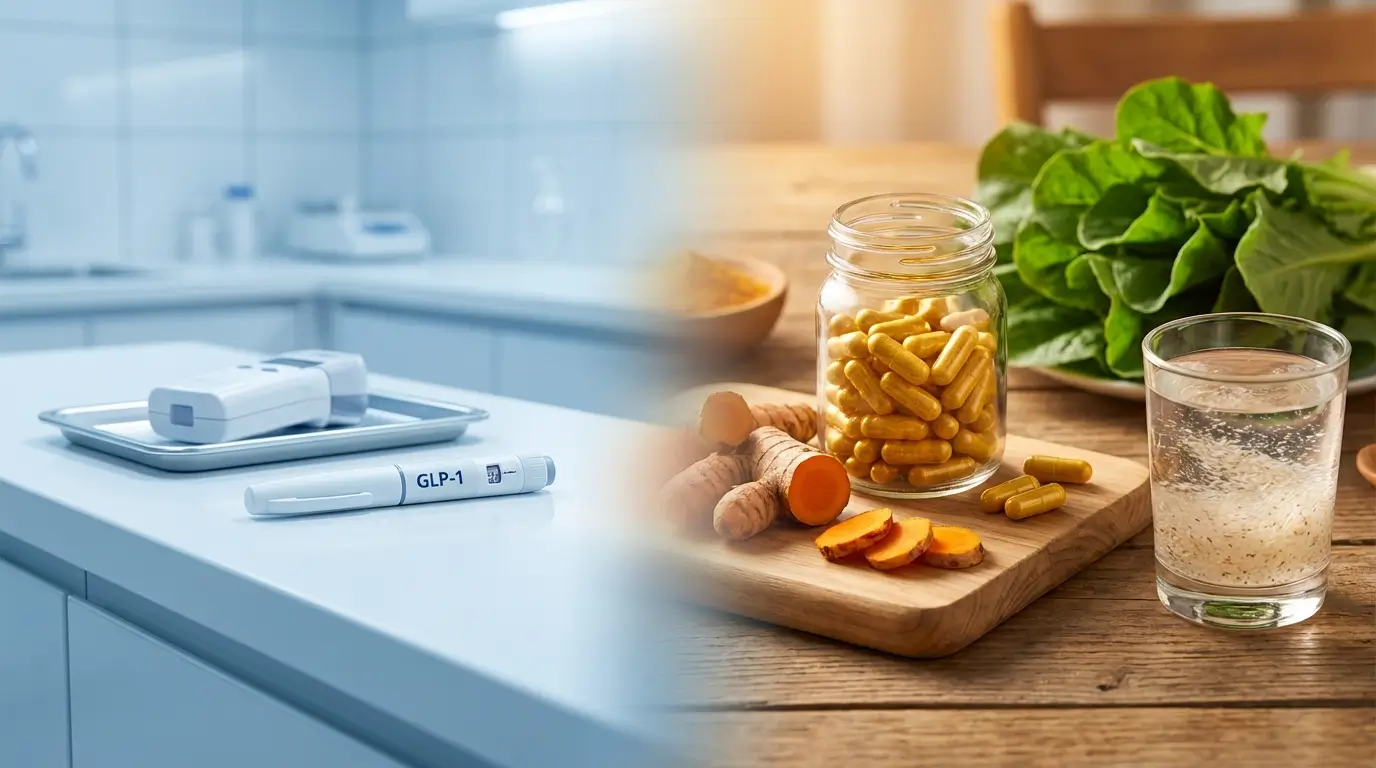
TikTok exploded with “Natural Ozempic” claims in 2023. Millions of views. Influencers holding berberine bottles. The promise? Pharmaceutical-grade weight loss without the prescription.
The truth is simpler.
No natural substance replicates semaglutide’s potency. Your body cannot produce anything that works like a lab-engineered hormone designed to last days in your bloodstream.
But you CAN mimic the results. Satiety. Blood sugar control. Reduced cravings.
You achieve these by targeting three biological pathways simultaneously:
- Berberine activates AMPK, the metabolic switch that shifts cells from storage to burning mode.
- Soluble fibers like psyllium husk physically expand in your gut, triggering fullness signals.
- Specific foods and eating patterns trigger natural GLP-1 release.
Can these replace Ozempic? No. Supplement it? Yes. Prevent the need for pharmaceutical intervention? Possibly.
What Does “Ozempic” Actually Do?
Before you attempt to mimic something, you need to understand how it works.
Semaglutide belongs to a class of drugs called GLP-1 receptor agonists.
GLP-1 = Glucagon-Like Peptide-1, a hormone your gut releases naturally after eating.
This hormone signals your brain to stop eating. It slows down digestion. It tells your pancreas to release insulin at the right time.
Your body already produces GLP-1. So why take a drug?
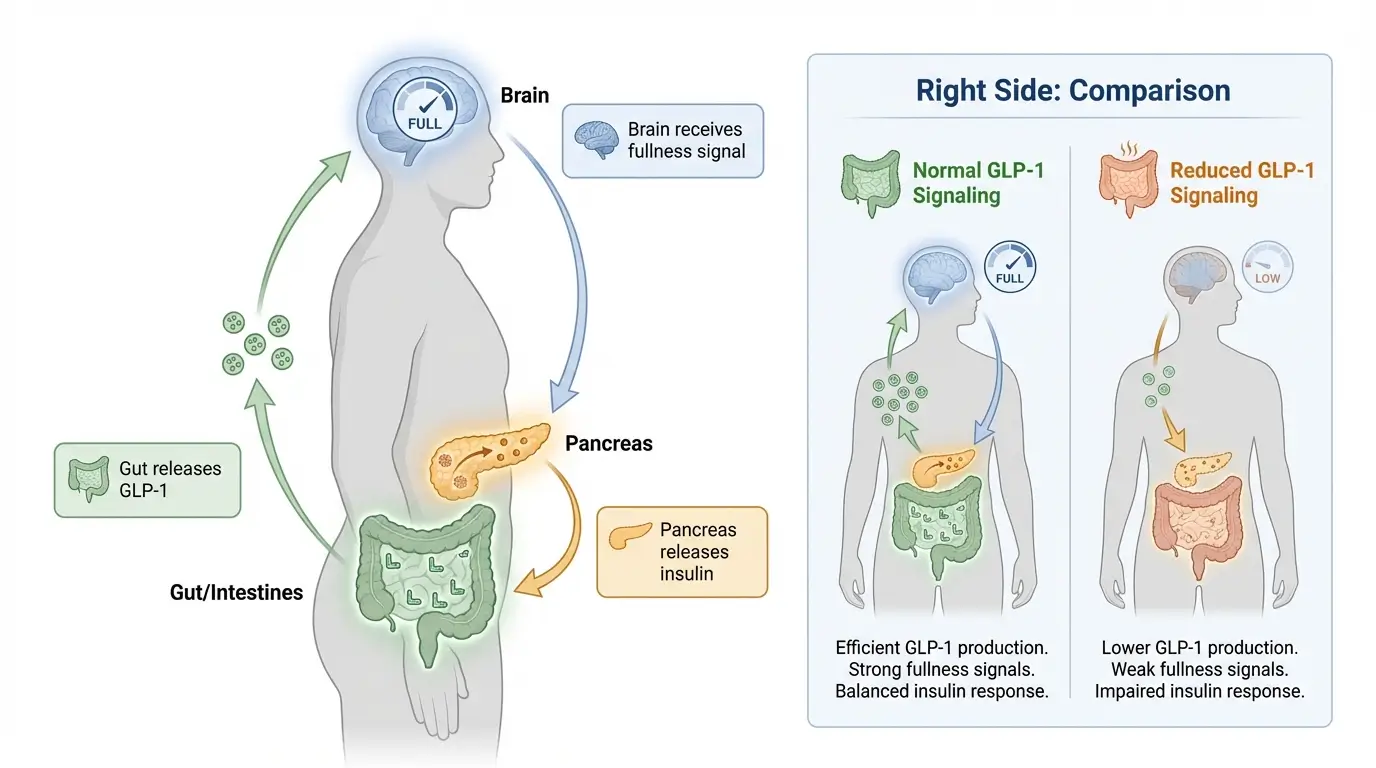
Natural GLP-1 lasts only 2-3 minutes in your bloodstream before enzymes degrade it [1]. Semaglutide is engineered to resist those enzymes. One injection keeps GLP-1 receptor activity elevated for approximately 7 days [2].
The STEP 1 clinical trial demonstrated that participants taking semaglutide 2.4mg weekly lost an average of 14.9% of their body weight over 68 weeks, compared to 2.4% in the placebo group [3].
That sustained, week-long suppression of appetite and enhancement of insulin sensitivity cannot be replicated by any supplement. Period.
So what IS the goal with natural approaches?
Your objective is to trigger your body to produce more GLP-1, increase your sensitivity to it, and activate parallel pathways (like AMPK) that achieve similar metabolic outcomes through different mechanisms.
You are working WITH your biology, not overriding it.
Berberine
Berberine dominates the “Natural Ozempic” conversation. This yellow compound has legitimate science behind it, and also significant limitations you should understand.
Berberine is a bioactive alkaloid extracted from plants including Goldenseal (Hydrastis canadensis), Barberry (Berberis vulgaris), and Chinese Goldthread (Coptis chinensis) [4]. Traditional Chinese medicine has used berberine-containing plants for thousands of years, primarily for gastrointestinal infections.
How Berberine Works
Berberine works primarily through AMPK activation.
AMPK = AMP-activated protein kinase, which functions as your cellular “fuel gauge.” When AMPK activates, your cells shift from storage mode to burning mode [5].
A 2006 study in the journal Diabetes demonstrated that berberine activates AMPK in adipocytes and muscle cells, increasing glucose transporter (GLUT4) activity and improving glucose uptake independent of insulin [5].
This mechanism resembles metformin, the most prescribed diabetes medication worldwide.
Berberine is NOT a GLP-1 agonist. It does not mimic the GLP-1 hormone directly. It achieves similar end results (lowered blood sugar, improved insulin sensitivity) through the AMPK pathway [6].

Berberine vs. Metformin
A 2008 pilot study published in Metabolism directly compared berberine to metformin in 36 newly diagnosed type 2 diabetics [7].
Both groups took 500mg three times daily for 13 weeks. The results showed berberine matched or exceeded metformin across multiple markers.
For HbA1c (the gold-standard measure of long-term blood sugar control), berberine reduced levels from 9.5% to 7.5%, a 2.0 percentage point drop. Metformin reduced HbA1c from 9.15% to 7.72%, a 1.43 percentage point drop [7].
Both achieved clinically meaningful reductions, but berberine’s reduction was slightly larger.
Fasting blood glucose told a similar story. Berberine dropped fasting glucose from 10.6 mmol/L to 6.9 mmol/L. Metformin dropped it from 9.96 mmol/L to 7.16 mmol/L [7]. Both reached near-normal levels.
The lipid metabolism results separated the two compounds. Berberine significantly decreased triglycerides (from 1.13 to 0.89 mmol/L) and total cholesterol (from 4.40 to 3.83 mmol/L). Metformin showed minimal effects on either marker [7].
This lipid-lowering advantage makes berberine potentially more valuable for people with combined blood sugar and cholesterol concerns.
A larger 2023 meta-analysis in Biomedicine & Pharmacotherapy confirmed these findings across 28 clinical trials. Berberine demonstrated equivalent glucose-lowering efficacy to metformin with superior effects on triglycerides and total cholesterol [8].
“So berberine IS as good as metformin?”
For blood sugar control, the evidence suggests comparable efficacy. For lipid metabolism, berberine appears superior. However, metformin has decades more research, established safety profiles, pharmaceutical-grade quality control, and FDA approval. Berberine remains a supplement with variable quality between manufacturers and no regulatory oversight.
Will berberine make me lose weight like Ozempic?
No. The data show modest weight changes. A dose-response meta-analysis in Frontiers in Nutrition found berberine supplementation decreased BMI by approximately 0.25 kg/m² [9].
Some studies report 5-7% body weight loss after 8-12 weeks of consistent use [10]. Compare this to semaglutide’s 14.9% average loss [3].
Timeline matters. Berberine requires 2-3 months to show significant results, not 3 weeks [7].
Safety and Side Effects
Berberine causes gastrointestinal distress in approximately 34.5% of users, according to clinical trial data [7]. Symptoms include diarrhea (10.3%), constipation (6.9%), flatulence (19%), and abdominal cramping (3.4%). These effects typically occur in the first four weeks and diminish with continued use.
Berberine interacts with multiple medications. It affects cytochrome P450 enzyme activity, potentially altering blood levels of metformin, cyclosporine, statins, omeprazole, losartan, and blood thinners like warfarin [11].
Pregnant and breastfeeding women should avoid berberine entirely [11].
Recommended Berberine Supplements
- We recommend Double Wood Supplements Berberine for its transparent third-party testing, consistent 500mg dosing per capsule, and value pricing that makes the standard 1500mg daily protocol affordable. Their berberine uses the hydrochloride form (berberine HCl), which matches the formulation used in clinical trials.
- For enhanced absorption, consider Nootropics Depot Berberine, which offers a dihydroberberine option. Dihydroberberine converts to berberine in your gut with approximately 5x greater bioavailability, allowing lower doses (150-200mg) to achieve equivalent blood levels. This may reduce GI side effects for sensitive users.
- If you prefer a comprehensive metabolic support formula, DailyNutra Berberine combines berberine with Ceylon cinnamon and chromium, both of which support healthy blood sugar metabolism through complementary mechanisms.
Always start with a lower dose (300-500mg daily) and titrate up over 2-3 weeks to assess your tolerance.
Psyllium Husk & Glucomannan
Most “Natural Ozempic” articles focus exclusively on berberine. They miss the closest mechanical analog to semaglutide’s fullness effect. Soluble fiber.
The Gel Effect
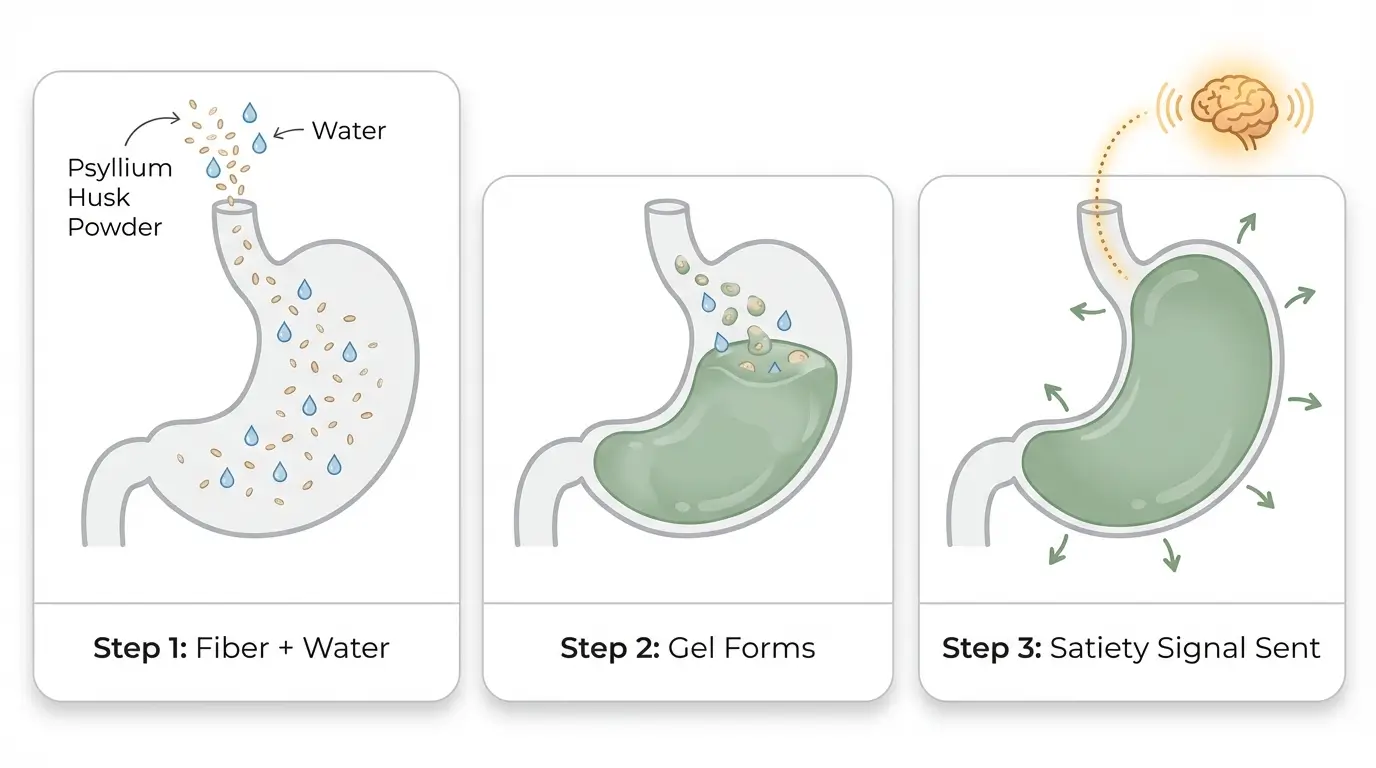
Psyllium husk and glucomannan (from konjac root) absorb water and form a viscous gel in your gastrointestinal tract [12]. This gel physically expands, stretching your stomach walls and triggering mechanical satiety signals.
How This Mimics Ozempic
One of semaglutide’s primary effects is delayed gastric emptying.
Food stays in your stomach longer, so you feel full longer [2]. Soluble fiber achieves a similar outcome through physical expansion rather than hormonal signaling.
A 1998 double-blind study in the European Journal of Clinical Nutrition found that 7.4g of psyllium reduced hunger feelings by 13% and energy intake by 17% compared to placebo [13].
The study noted that psyllium did not work by slowing gastric emptying directly, but by increasing the time for intestinal absorption and flattening postprandial glucose curves [13].
A separate 1992 study found psyllium significantly delayed gastric emptying starting from the third hour after a meal. It increased satiety sensation and decreased hunger at the sixth hour [14].
Blood Sugar Blunting
The viscous gel creates a physical barrier that slows glucose absorption. Your blood sugar rises more gradually after meals. This reduces the insulin spike, which reduces the subsequent crash, which reduces cravings.
Glucomannan has been approved by the European Food Safety Authority (EFSA) with the specific claim that it contributes to weight loss when taken before meals in the context of an energy-restricted diet [15].
Dosing Strategy
Titrate up gradually. Your gut needs time to adapt.
- Week 1: 2-3g psyllium or 1g glucomannan daily
- Week 2: 5g psyllium or 2g glucomannan daily
- Week 3+: 7-10g psyllium or 3-4g glucomannan daily
Take 20-30 minutes before meals with a FULL glass of water (at minimum 250ml). Inadequate water intake with glucomannan can cause esophageal obstruction [16].
Recommended Fiber Supplements
- We recommend NOW Foods Psyllium Husk Powder (available through iHerb). It provides pure, unflavored psyllium that mixes easily with water. The powder form allows precise dosing as you titrate up from 2-3g to the full 7-10g daily dose.
- For glucomannan, Nature Made Fiber Gummies offer a convenient option for those who struggle with powder supplements. The gummy format makes consistent daily use more sustainable, though you will need multiple gummies to reach effective doses.
- For maximum convenience and potency, consider Ascent Nutrition Konjac Root Fiber Capsules. Each capsule delivers 500mg glucomannan, making it simple to take 2-4 capsules with water before meals without mixing powders.
Remember: ALWAYS take fiber supplements with a full glass of water (minimum 250ml) to prevent choking hazard and ensure proper gel formation.
Foods That Spike GLP-1
You can increase your body’s natural GLP-1 production through strategic food choices. This approach works through your gut’s enteroendocrine L-cells, which sense nutrients and release satiety hormones in response.
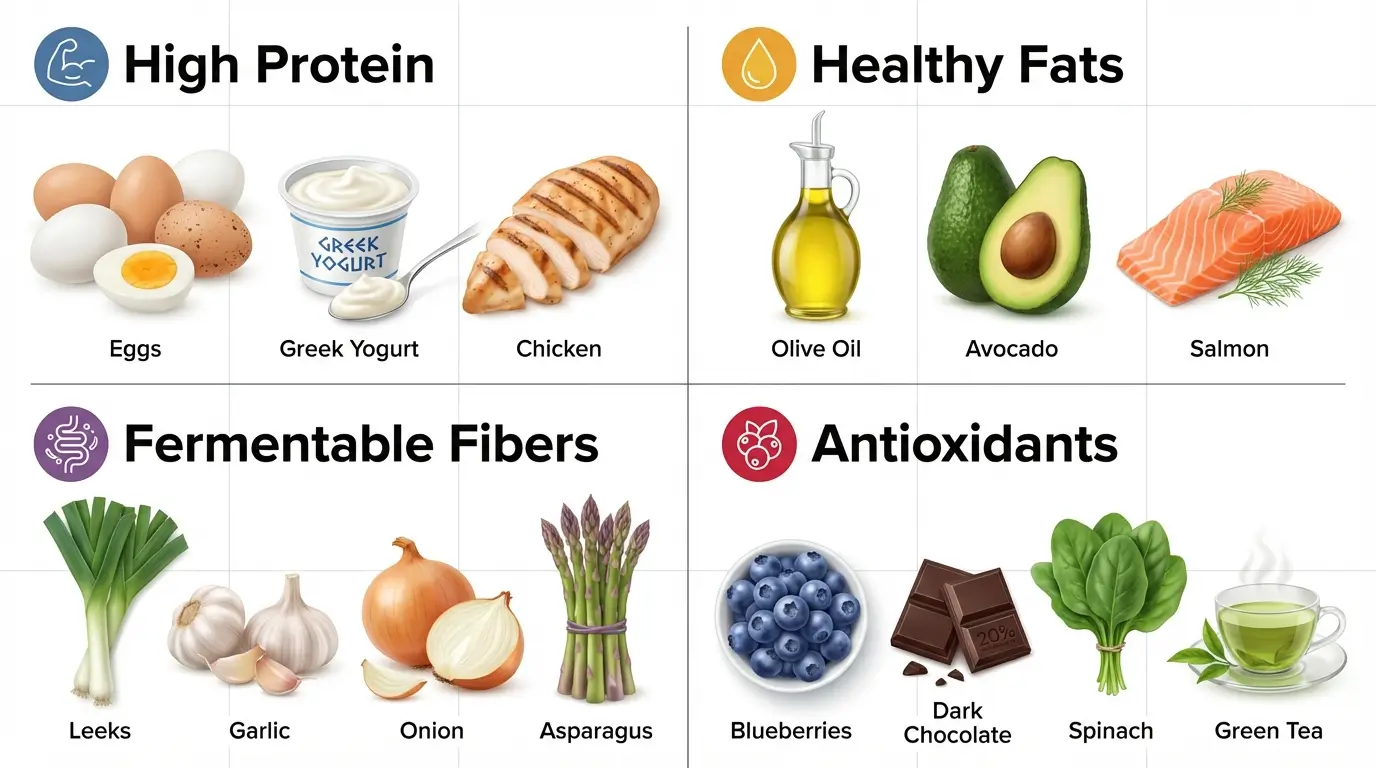
1. Protein: The Most Potent Natural Stimulator
High protein meals significantly increase circulating concentrations of both GLP-1 and peptide YY (PYY) [17]. A 2013 study in Obesity found that a high-protein meal resulted in increased secretion of PYY and GLP-1 compared to lower-protein alternatives [17].
The mechanism involves direct stimulation of L-cells by amino acids. Protein also triggers CCK (cholecystokinin) release, another satiety hormone. This triple-hormone response explains why protein keeps you fuller longer than equivalent calories from carbohydrates or fat.
Target: 25-40g protein per meal, prioritizing breakfast when satiety signals have the strongest metabolic impact.
2. Healthy Fats: MUFAs and Omega-3s
Monounsaturated fatty acids (MUFAs) from olive oil and avocados stimulate GLP-1 release and provide sustained satiety [18]. The fat slows gastric emptying independently, amplifying the effect.
Omega-3 fatty acids from fatty fish support GLP-1 production and reduce systemic inflammation that can blunt hormone sensitivity [18].
3. Fermentable Fibers: The Gut-Brain Connection
Your gut bacteria ferment certain fibers to produce Short-Chain Fatty Acids (SCFAs) including acetate, propionate, and butyrate. These SCFAs directly trigger GLP-1 secretion from L-cells.
A 2012 study in Diabetes demonstrated that SCFAs stimulate GLP-1 secretion via the G-protein-coupled receptor FFAR2 [19]. Mice lacking FFAR2 exhibited reduced SCFA-triggered GLP-1 secretion and impaired glucose tolerance [19].
Top fermentable fiber sources: leeks, onions, garlic, asparagus, Jerusalem artichokes, chicory root, and barley.
4. The “Bitter” Angle
Bitter taste receptors (T2Rs) exist not only on your tongue but throughout your gut. When bitter compounds activate intestinal T2Rs, they trigger release of GLP-1 and other satiety hormones [20].
Foods containing bitter compounds include arugula, dandelion greens, radicchio, endive, green tea, yerba mate, and dark chocolate (85%+ cacao).
“Should I drink bitter herbal teas before meals?
Some evidence supports this approach. Bitter compounds stimulate digestive secretions and may enhance the satiety response to subsequent food intake [20]. A cup of unsweetened green tea or yerba mate 15-20 minutes before eating provides both bitter compounds and caffeine, which independently supports metabolic rate.
Recommended GLP-1 Support Supplements
- For a comprehensive gut health formula that supports SCFA production, consider MegaFood Digestive Health Probiotic. It combines probiotic strains with prebiotic fiber to support the gut bacteria that produce GLP-1-stimulating short-chain fatty acids.
- For bitter compound supplementation, Life Cykel Reishi Mushroom Extract provides bitter beta-glucans that activate gut bitter taste receptors. The liquid tincture format allows easy pre-meal dosing.
- Goli Apple Cider Vinegar Gummies offer acetic acid, which some research suggests may enhance GLP-1 secretion and improve post-meal glucose response. The gummy format eliminates the taste barrier of liquid apple cider vinegar.
- For a protein-forward approach to GLP-1 stimulation, Perpetua Life Collagen Peptides provides amino acids that directly stimulate L-cell GLP-1 release. Adding a scoop to your morning coffee or smoothie supports the high-protein breakfast protocol.
Comparison Table: Natural vs. Pharma
This table provides a clear side-by-side comparison that helps you make informed decisions about which approach better aligns with your goals, budget, and lifestyle preferences.
| Criteria | Semaglutide (Ozempic) | Berberine | Psyllium Husk/Glucomannan | Lifestyle/Food Strategy |
|---|---|---|---|---|
| Mechanism | GLP-1 receptor agonist; sustained hormone mimicry for 7 days | AMPK activation; improved glucose uptake and lipid metabolism | Physical gel formation; mechanical satiety and glucose blunting | Multiple pathways; natural GLP-1 stimulation, SCFA production, insulin sensitivity |
| Approximate Cost (Monthly) | $900-1,000+ (without insurance) | $15-30 | $10-20 | Variable (potentially cost-neutral with meal planning) |
| Weight Loss Speed | 1-2% body weight per month; 14.9% average over 68 weeks | 5-7% body weight over 8-12 weeks (modest) | 0.5-1kg loss over 8 weeks in studies | Variable; dependent on caloric deficit |
| Safety Profile | Nausea, vomiting, diarrhea, constipation; rare thyroid concerns; requires prescription | GI distress in ~35% of users; drug interactions; not for pregnancy | Generally safe; requires adequate water; potential choking hazard with glucomannan | No adverse effects; sustainable long-term |
| Sustainability | Weight regain common after discontinuation; STEP 1 extension showed 2/3 of lost weight regained after stopping | Can maintain long-term with consistent use | Sustainable indefinitely as dietary habit | Highest sustainability; becomes automatic with habit formation |
The “Natural Ozempic” Protocol
You now understand the individual components. Here is how to stack them into a practical daily protocol.
Morning: High-Protein Breakfast + Bitter Stimulation
Consume 30-40g protein within 60-90 minutes of waking. Eggs, Greek yogurt, cottage cheese, or a protein shake all work. This stimulates GLP-1 and PYY to set your satiety baseline for the day.
Add a cup of green tea or yerba mate (unsweetened). The bitter compounds activate T2R receptors, and the caffeine provides a mild metabolic boost.
Pre-Meal: The “Pre-load”
20-30 minutes before lunch and dinner, take your fiber. Options include:
- 5g psyllium husk mixed into 250ml+ water
- 1-2g glucomannan capsules with a full glass of water
- A “vegetable starter” of raw or lightly steamed non-starchy vegetables
This initiates mechanical fullness before your meal even begins. Your stomach will be partially filled with expanding gel, reducing the volume of food required to trigger satiety.
During Meal: Strategic Supplementation
If you choose to use berberine, take 500mg with your largest meal of the day. This helps blunt the postprandial glucose spike. Some protocols recommend 500mg with each major meal (1500mg daily total), but start conservatively and assess your GI tolerance.
Meal composition matters. Prioritize protein (palm-sized portion), then vegetables/fiber, then healthy fats. Minimize refined carbohydrates that cause rapid glucose spikes.
Post-Meal: Movement
A 10-minute walk after eating significantly improves glucose disposal. A 2025 study in Scientific Reports found that a brief 10-minute walk immediately after a meal effectively manages hyperglycemia [22]. Even 2-5 minutes of walking shows measurable blood sugar benefits [23].
You do not need intense exercise. Light movement activates GLUT4 transporters in your muscles, pulling glucose from your bloodstream directly into cells for energy use rather than storage.
Building Your Natural Ozempic Stack
If you want to implement the full protocol, here is a practical purchasing guide based on our recommendations:
Tier 1 (Foundation):
- Psyllium husk or glucomannan for pre-meal fiber loading
- High-quality protein source (whole foods or Perpetua Life Collagen Peptides)
Tier 2 (Metabolic Support):
- Double Wood Supplements Berberine or Nootropics Depot Dihydroberberine for AMPK activation
- Green tea or yerba mate for bitter compound intake
Tier 3 (Optimization):
- MegaFood Digestive Health Probiotic for gut microbiome support
- Goli Apple Cider Vinegar Gummies for additional glucose support
Start with Tier 1 for 2-4 weeks before adding Tier 2 supplements. This allows you to isolate effects and identify what works best for your body. Add Tier 3 only after establishing consistent habits with the first two tiers.
The Verdict
Berberine is a metabolic health tool, not a miracle cure. The clinical data support modest improvements in blood sugar, lipid profiles, and insulin sensitivity comparable to metformin [7][8].
Weight loss effects exist but pale in comparison to pharmaceutical GLP-1 agonists [3][10].
Soluble fiber deserves far more attention than it receives. Psyllium and glucomannan physically replicate the fullness sensation that makes Ozempic so effective at reducing food intake [13][14]. They are inexpensive, widely available, and carry minimal risk when used properly.
Food strategy forms the foundation. High protein intake, fermentable fibers, and bitter compounds work synergistically to boost your natural GLP-1 production [17][19][20]. These are not temporary fixes. They become sustainable metabolic habits.
“Should I view these as replacements for Ozempic?”
No. View them as building blocks for metabolic health that may prevent you from ever needing pharmaceutical intervention. If you already use GLP-1 medications and want to transition off, work with your physician. The natural approaches can support the transition by maintaining some satiety and blood sugar control as you titrate down.
The metabolic lifestyle requires consistency, not perfection. You cannot take berberine for two weeks, expect pharmaceutical-grade results, and call the approach a failure. You build these habits over months. Your biology adapts. Results compound.
FAQ Section
References
- [1] Holst JJ. “The Physiology of Glucagon-Like Peptide 1.” Physiological Reviews. 2007. https://doi.org/10.1152/physrev.00034.2006
- [2] NCBI Bookshelf. “Semaglutide.” StatPearls. 2024.
- [3] Wilding JPH, et al. “Once-Weekly Semaglutide in Adults with Overweight or Obesity.” New England Journal of Medicine. 2021. https://doi.org/10.1056/NEJMoa2032183
- [4] NCCIH. “In the News: Berberine.” National Center for Complementary and Integrative Health. NIH.
- [5] Lee YS, et al. “Berberine, a Natural Plant Product, Activates AMP-Activated Protein Kinase.” Diabetes. 2006. https://doi.org/10.2337/db06-0006
- [6] Chimaeze MK, et al. “Targeting AMPK Signaling: The Therapeutic Potential of Berberine.” ScienceDirect. 2025.
- [7] Yin J, et al. “Efficacy of Berberine in Patients with Type 2 Diabetes.” Metabolism. 2008. https://doi.org/10.1016/j.metabol.2008.01.013
- [8] Guo HH, et al. “Berberine is a Potential Alternative for Metformin.” Biomedicine & Pharmacotherapy. 2023. https://doi.org/10.1016/j.biopha.2023.114720
- [9] Frontiers in Nutrition. “A Systematic Review and Dose-Response Meta-Analysis.” 2022. https://doi.org/10.3389/fnut.2022.1013055
- [10] Ohio State Health & Discovery. “Berberine for Weight Loss.” 2025.
- [11] Cleveland Clinic. “Berberine: What It Is, Benefits & Side Effects.” 2025.
- [12] Healthline. “Glucomannan: Is It an Effective Weight Loss Supplement?” 2023.
- [13] Rigaud D, et al. “Effect of Psyllium on Gastric Emptying, Hunger Feeling and Food Intake.” European Journal of Clinical Nutrition. 1998. https://doi.org/10.1038/sj.ejcn.1600518
- [14] Rigaud D, et al. “Correlation Between Echographic Gastric Emptying and Appetite.” American Journal of Clinical Nutrition. 1992.
- [15] EFSA Panel on Dietetic Products, Nutrition, and Allergies. Scientific Opinion on Glucomannan Claims.
- [16] PMC. “Safety and Efficacy of Glucomannan for Weight Loss.” Journal of Obesity. 2014.
- [17] Blom WA, et al. “High Protein Intake Stimulates Postprandial GLP-1 and PYY Release.” Obesity. 2013. https://doi.org/10.1002/oby.20154
- [18] Ohio State Health & Discovery. “How to Activate GLP-1 Naturally.” 2025.
- [19] Tolhurst G, et al. “Short-Chain Fatty Acids Stimulate Glucagon-Like Peptide-1 Secretion via the G-Protein-Coupled Receptor FFAR2.” Diabetes. 2012. https://doi.org/10.2337/db11-1019
- [20] Kok BP, et al. “Intestinal Bitter Taste Receptor Activation Alters Hormone Secretion.” 2018.
- [21] Wilding JPH, et al. “Weight Regain and Cardiometabolic Effects After Withdrawal of Semaglutide.” Diabetes, Obesity and Metabolism. 2022. https://doi.org/10.1111/dom.14725
- [22] Scientific Reports. “Positive Impact of a 10-min Walk Immediately After Glucose Intake.” 2025.
- [23] UCLA Health. “Taking a Walk After Eating Can Help With Blood Sugar Control.” 2024.
