
The 7 Best Chelation Supplements for Heavy Metal Detox (2025 Review)
Discover the top chelation supplements for safely removing heavy metals. Our evidence-based guide reviews chlorella, ALA, and more, with a focus on safety and effectiveness.
Heavy metals like lead, mercury, arsenic, and cadmium are unavoidable in our modern environment. They lurk in old paint, contaminated water, certain fish, industrial emissions, and even some cosmetics [1].
Chronic low-level exposure is linked to fatigue, neurological issues, and long-term organ damage [2]. This reality drives many to seek ways to reduce their body burden.
Chelation – the process where specific molecules bind to toxic metals for elimination – offers a scientifically grounded approach. But navigating chelation safely is complex.
This guide cuts through the noise. We review the most credible chelation supplements based on current research, prioritizing safety and realistic expectations.
Our goal is to equip you with evidence-based knowledge, NOT to replace professional medical advice. ALWAYS consult a qualified healthcare provider before starting any detox protocol. Self-treating heavy metal concerns can be dangerous.
What is Chelation and How Does It Work?
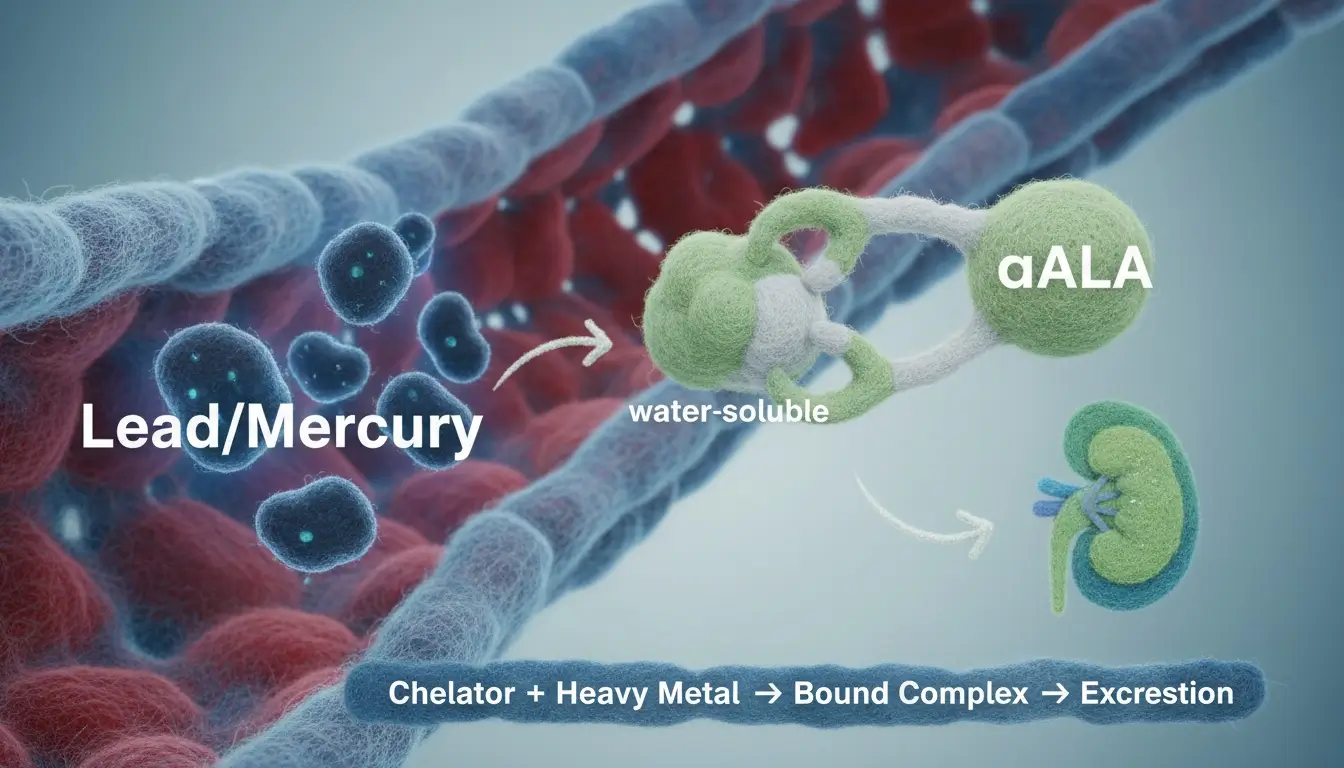
Chelation (pronounced “key-LAY-shun”) describes how certain molecules grab onto heavy metal ions. These molecules – chelating agents – have multiple binding sites that form stable, ring-like structures around metals like lead or mercury [3].
Think of it like a claw (the Greek word “chele” means claw) locking onto its target. Once bound, the metal-chelator complex is water-soluble and excreted primarily through urine or bile [4].
This process occurs naturally in your body via compounds like glutathione. Chelation therapy medically amplifies this using potent agents, often administered intravenously under strict supervision for diagnosed poisoning [5].
Oral supplements, however, typically use milder natural chelators designed to support your body’s innate detox systems, mainly in the gut or bloodstream.
So, in simple terms: Chelation = targeted binding for removal.
It’s not a vague “cleanse”; it’s biochemistry.
How strong is the binding? That depends entirely on the chelator and the specific metal.
This specificity is why professional guidance is non-negotiable. Could your morning smoothie really help? Some components might, but the science is nuanced – and often oversimplified online.
Medical Chelation vs. Dietary Supplements
This is where confusion and risk escalate.
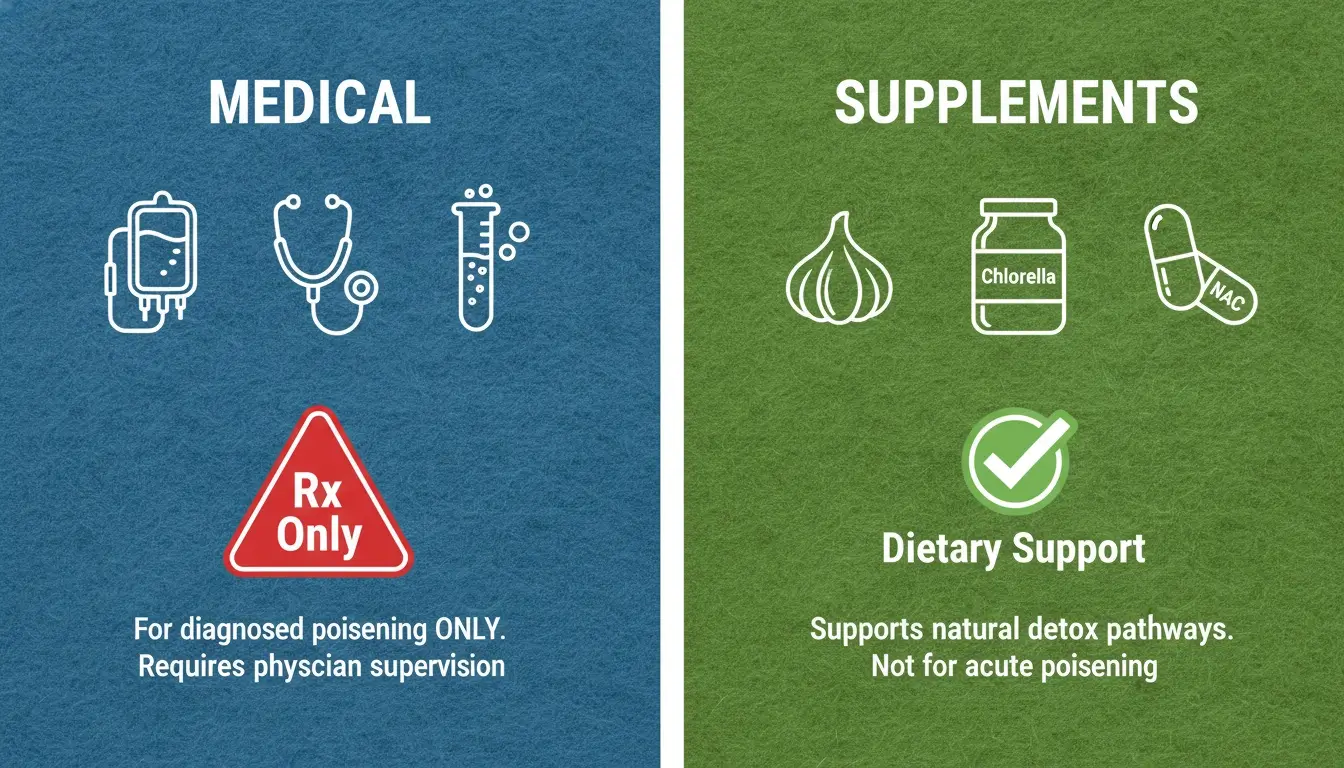
Medical chelation therapy uses prescription drugs like DMSA or IV EDTA. It’s reserved for confirmed, significant heavy metal poisoning (e.g., blood lead levels above 45 µg/dL) and is ALWAYS managed by physicians trained in toxicology [6].
Treatment involves rigorous testing, controlled dosing, and monitoring for side effects like kidney strain or mineral depletion. These drugs are powerful. They are NOT available over-the-counter as supplements.
Dietary supplements labeled as “chelation aids” or “detox support” contain naturally derived compounds like chlorella or cilantro extract.
Their role is fundamentally different; they aim to mildly enhance your body’s ongoing detoxification processes, primarily in the digestive tract, potentially reducing absorption of metals from food or water [7].
They are not proven to treat acute poisoning or significantly lower deeply stored metals like lead in bones. The FDA does not evaluate supplements for treating diseases like heavy metal toxicity.
Marketing claims can be misleading.
Ed. note: A 2023 FDA warning letter cited multiple supplement companies for illegally claiming their products treated lead poisoning [8]. If you suspect serious heavy metal exposure – “I work in construction with old pipes” or “I have neurological symptoms after handling mercury” – STOP. Seek immediate medical evaluation. Do not self-treat with supplements. Your safety depends on this distinction.
Given these risks, which natural supplements have the strongest evidence for supporting your body’s ongoing detoxification?
Top 7 Natural Chelation Supplements
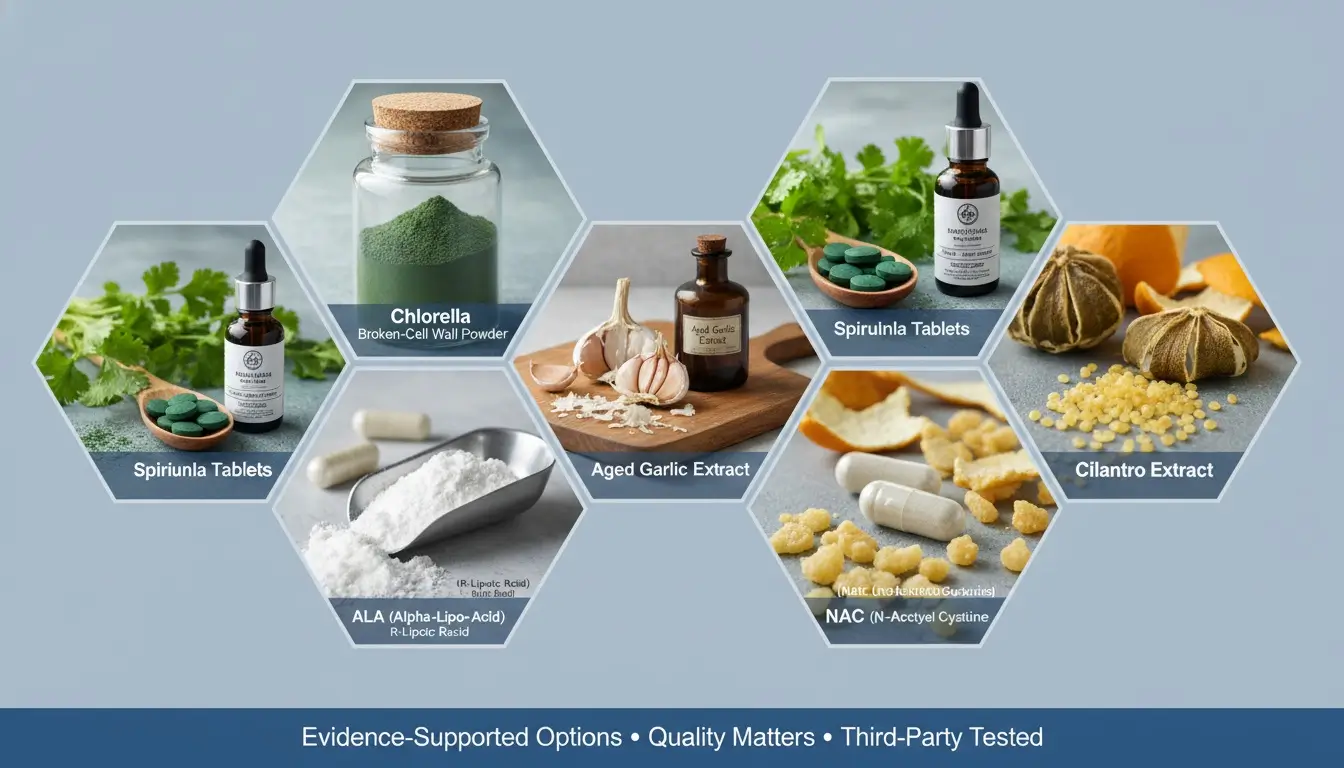
The following supplements show promise in research for supporting natural detox pathways. Effectiveness varies by individual, metal type, and exposure level. Quality matters immensely – look for third-party testing (NSF, USP, ConsumerLab) to avoid contaminated products.
1. Chlorella
This freshwater algae has a unique, indigestible cell wall that acts like a sponge in your digestive tract. Studies show it binds to mercury, lead, and cadmium within the gut, preventing reabsorption and promoting fecal excretion [9].
It doesn’t pull metals from deep tissues like medical chelators. Human trials are limited but promising; one study found chlorella supplementation reduced mercury levels in dentists exposed to amalgam vapors [9]. Start with 1-3 grams daily, ideally with meals.
Common side effects include green stools, gas, or mild nausea (usually temporary). Choose broken-cell wall chlorella – this is essential for how well your body can absorb and use it.
Avoid if you have iodine sensitivity or are on blood thinners (it’s high in vitamin K).
“Will chlorella alone detox my brain?” No. It primarily works in the gut. For systemic issues, professional guidance is mandatory.
2. Spirulina
Often paired with chlorella, spirulina (a blue-green algae) is less a direct chelator and more a detox supporter. It’s packed with antioxidants (phycocyanin) that combat oxidative stress caused by metals [11].
Animal studies show it can reduce lead accumulation in organs and improve antioxidant enzyme activity [12]. Human data is sparse, but its nutrient density (protein, B vitamins, iron) supports overall liver and kidney health – key detox organs.
Take 1-5 grams daily. Ensure it’s sourced from controlled environments; spirulina can absorb toxins from polluted water.
Side effects are rare but may include digestive upset. It’s not a standalone chelator; think of it as foundational support.
3. Cilantro (Coriander Leaf)
Cilantro’s reputation stems from rodent studies suggesting it mobilizes mercury and lead from tissues [13]. However, human evidence is weak.
Crucially, mobilization WITHOUT a binder can worsen symptoms by redistributing metals. This means metals can move to sensitive areas like the brain, worsening symptoms.
Proponents often recommend combining cilantro with chlorella or clay to “trap” released metals. Fresh cilantro in food is safe for most, but concentrated extracts (tinctures, capsules) used in detox protocols lack robust safety data (dosage isn’t standardized).
The American College of Medical Toxicology states there’s “no convincing evidence” cilantro effectively treats human heavy metal toxicity [14]. It’s intriguing but unproven and potentially risky without binders and supervision.
Caution: Cilantro can cause allergic reactions or interact with blood pressure meds.
4. Garlic
Garlic’s sulfur-containing compounds with detoxifying effects (allicin, diallyl sulfides) boost glutathione production—the body’s master antioxidant—and enhance liver processes that prepare toxins for removal [15].
Human studies confirm it reduces lead levels comparably to D-penicillamine (a prescription chelator) in battery factory workers, with fewer side effects [16]. It also shows protective effects against cadmium and arsenic toxicity in lab models [17].
For detox support, use fresh crushed garlic (let it sit 10 minutes after chopping to activate compounds) or aged garlic extract supplements (600-1,200 mg daily).
Raw garlic can irritate the gut; aged extract is gentler. Avoid high doses if on blood thinners. This is one of the best-studied dietary supports.
5. Alpha-Lipoic Acid (ALA)
ALA is unique: it’s both water- and fat-soluble, allowing it to cross the blood-brain barrier to chelate mercury and arsenic in neural tissue [18].
It also regenerates other antioxidants (vitamins C, E, glutathione). However, dosing is critical. HIGH single doses can REDISTRIBUTE mercury to the brain – a severe, potentially irreversible risk [19].
Frequent low doses (e.g., 100-300 mg 2-3x daily) are safer than megadoses. R-lipoic acid (the natural form) is better absorbed than synthetic ALA.
Side effects include skin rash or stomach upset. Contraindicated in thiamine deficiency or thyroid disorders.
“Can I just take ALA for mercury?”
Only under professional care. Its potency demands respect – and medical oversight.
6. N-Acetylcysteine (NAC): The Glutathione Builder
NAC is a precursor to glutathione, your primary intracellular antioxidant and detoxifier. It supports liver processes that prepare toxins for removal, helping conjugate metals for bile excretion [20].
Studies show NAC reduces oxidative damage from arsenic and cadmium and may lower lead absorption [21]. Typical doses range from 600-1,800 mg daily.
It’s well-tolerated but can cause nausea or, rarely, bronchospasm in asthmatics. Note: NAC’s regulatory status is evolving; the FDA recently questioned its use in supplements, though it remains widely available [22]. It’s a foundational support, not a direct chelator.
Think of it as equipping your body’s own detox machinery.
7. Modified Citrus Pectin (MCP)
MCP is derived from citrus peel but enzymatically broken down for absorption. Unlike regular pectin, it enters the bloodstream and binds to circulating heavy metals (especially lead, arsenic, cadmium) via special sugar molecules that grab onto metals, promoting urinary excretion [23].
Human trials show reduced lead levels in children and adults [24]. It’s gentle, with minimal side effects (mild bloating possible). Doses typically range from 5-15 grams daily, divided.
Choose products specifying low molecular weight (<10 kDa) for efficacy. MCP is one of the few natural binders with solid human data for systemic metals, but it won’t touch deeply stored deposits. It’s a maintenance tool, not a crisis solution.
Synthetic Chelators in Supplement Form
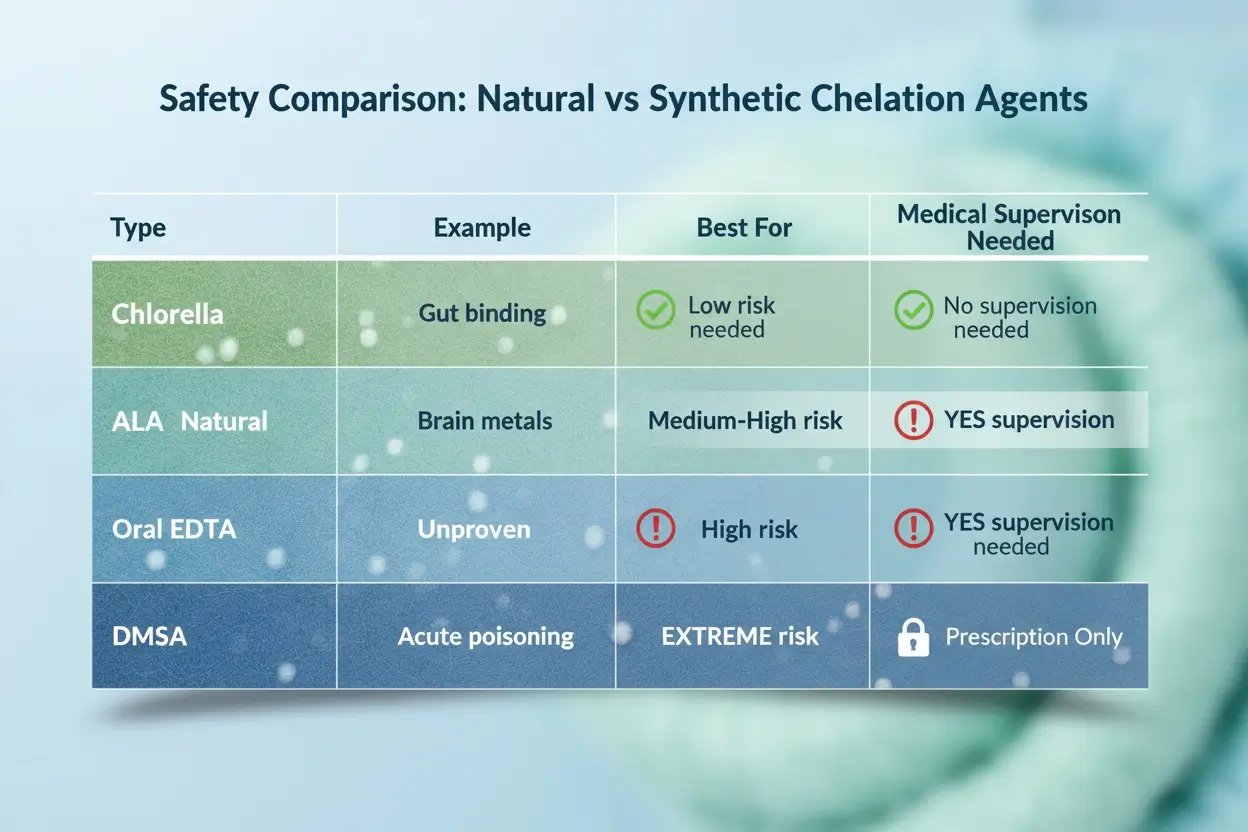
Some supplements contain synthetics like EDTA or DMSA. This is legally murky and medically risky. Let’s clarify:
- EDTA (Calcium Disodium EDTA): Used IV for lead poisoning under strict protocols. Oral EDTA has poor absorption (<5%) and is NOT FDA-approved for heavy metal detox [25]. Some supplements contain it in low doses, claiming cardiovascular benefits. Evidence is weak, and oral EDTA can deplete zinc, calcium, and other essential minerals [26]. The American Heart Association does not endorse EDTA for heart disease [27]. If found in a supplement, treat it as a red flag—consult your doctor before use.
- DMSA (Succimer): DMSA is prescription-only. Supplements containing it are illegal in the US/EU and unsafe. It is a prescription drug for lead/mercury poisoning. Self-administering DMSA risks severe side effects: liver toxicity, kidney damage, and dangerous mineral imbalances [28]. If a supplement mentions DMSA, avoid it. Report it to the FDA.
Your Practical Guide to Safe Chelation Support
If you and your healthcare provider decide a supplement is appropriate, these principles minimize risk:
- Start Low, Go Slow: Begin with ¼ to ½ the label dose. Increase gradually over weeks. Sudden mobilization can cause headaches, fatigue, or joint pain (a temporary worsening of symptoms when toxins release faster than your body can remove them).
- Binders are Non-Optional with Mobilizers: If using cilantro, ALA, or any agent that releases metals from tissues, pair it with a binder like chlorella, bentonite clay, or activated charcoal (taken 2 hours apart from other supplements/meds) to trap metals in the gut [29].
- Support Your Detox Organs: Chelation is futile without healthy liver, kidneys, and bowels. Prioritize hydration (2-3L water daily), fiber (30g+), cruciferous vegetables (sulforaphane supports liver enzymes), and adequate protein (provides amino acids for detox pathways). Consider milk thistle (silymarin) for liver support under guidance [30].
- Replenish Minerals: Chelators don’t distinguish perfectly between toxic and essential metals. Daily intake of zinc (15-30mg), magnesium (300-400mg), selenium (100-200mcg), and calcium (if not contraindicated) is often necessary [31]. Get levels checked annually. A high-quality multimineral is prudent during extended protocols.

Potential Risks and Side Effects
Chelation supplements are not harmless “natural” tonics. Risks include:
- Redistribution of Metals: Aggressive chelation without binders can move metals like mercury into the brain or fetus [32]. This is potentially catastrophic.
- Essential Mineral Depletion: Zinc deficiency from chelation causes immune dysfunction and hair loss. Copper imbalance affects nerves and heart rhythm [33]. Regular blood tests (zinc, copper, magnesium, kidney/liver panels) are essential during use.
- Herxheimer Reactions: Symptoms like fever, chills, or rash may occur if metals are mobilized faster than excreted. This requires stopping the chelator and supporting excretion (hydration, binders).
Who Should Avoid These Supplements Entirely?
Pregnant/breastfeeding women (metals can cross placenta/milk), individuals with kidney disease (reduced excretion capacity), those with mineral imbalances, or people on certain medications (blood thinners, chemotherapy).
The elderly and children require extreme caution and pediatric specialist oversight [34].
“Is this worth the risk for vague fatigue?”
Often, no. Heavy metal testing (urine provocation tests are controversial – discuss options with a specialist) should precede any protocol. When in doubt, pause and get professional input.
Frequently Asked Questions (FAQ)
Conclusion
Heavy metal exposure is a legitimate health concern, but the solution isn’t simplistic. Among natural options, chlorella, garlic, NAC, and modified citrus pectin show the most credible evidence for supporting your body’s detox processes when used appropriately.
ALA and cilantro require extreme caution and professional guidance due to redistribution risks. Synthetic chelators like DMSA or EDTA in supplements are unsafe for unsupervised use.
The “best” supplement is irrelevant without context. For example, your exposure level, health status, and concurrent support for liver, kidneys, and mineral balance. Safety isn’t optional – it’s the foundation.
Chelation can backfire without testing, monitoring, and expert oversight. If heavy metals worry you, the most powerful step is consulting a physician trained in environmental medicine or toxicology.
They can order proper tests and determine if detox support – even lifestyle changes alone – is truly needed. Your health is too important for guesswork. Get professional guidance before taking a single pill.
