
Respiratory Infection Natural Treatment: What Helps, What to Avoid, and When to Get Care
A clear home-care plan with red flags, safe dosing, and the fastest ways to ease symptoms.

You know the misery.
Your nose runs. Your throat burns.
A cough keeps you awake at night. Every year, adults average 2 to 3 upper respiratory infections, and children get 6 to 7 [1]. The congestion, fatigue, and general discomfort feel relentless.
Standard advice tells you to rest and drink fluids.
That advice is passive. It waits for your body to heal on its own. You can do more.
Respiratory infection natural treatment focuses on active support through three pillars, and the approach works whether you have a common cold, sinus infection, or acute bronchitis.
The three pillars are
- reducing viral load
- thinning mucus, and
- modulating inflammation.
This article covers upper respiratory tract infections (URTIs), which include colds, sinusitis, and sore throat. If your symptoms suggest a lower respiratory infection like pneumonia, you need professional care immediately.
Pillar 1: Targeted Supplementation
Your first line of action addresses the infection from inside your body. Specific nutrients disrupt viral replication and calm excess inflammation.
Zinc: The Gatekeeper
Zinc ions interfere with how viruses replicate inside your cells. When you dissolve a zinc lozenge in your mouth, you deliver zinc directly to your throat and nasal passages, the exact location where viruses multiply.
A 2021 meta-analysis of 28 randomized controlled trials with 5,446 participants found that zinc reduced the risk of developing a respiratory infection by 32% when used for prevention [1].
For treatment, symptoms resolved an average of 2 days earlier compared to placebo. On day 5, 70% of zinc users had recovered compared with only 27% of placebo users in a pooled analysis of zinc acetate lozenge trials [2].
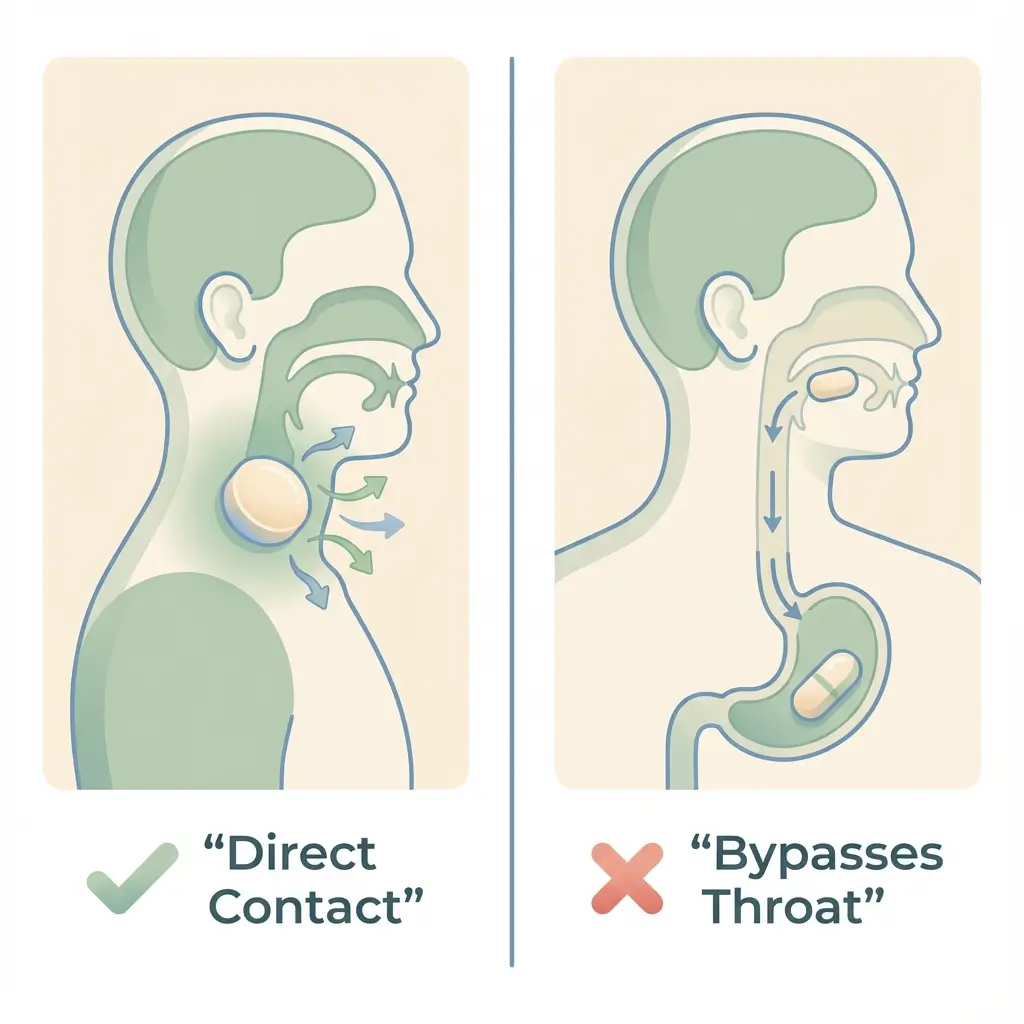
Form matters. Zinc lozenges (gluconate or acetate) outperform zinc pills because lozenges deliver the mineral directly to infected tissues. Swallowing a pill sends zinc to your stomach, bypassing the throat where viruses replicate.
Dosing for acute illness:
- Adults: 80 to 92 mg elemental zinc daily via lozenges, divided into doses every 2 to 3 hours while awake
- Start within 24 hours of symptom onset for best results
- Limit use to 7 to 14 days
“What about side effects?”
Zinc lozenges can cause temporary nausea and a metallic taste. In the 2021 meta-analysis, 14 more adults per 100 experienced non-serious side effects compared to placebo [1]. No serious adverse events were reported in any trial.
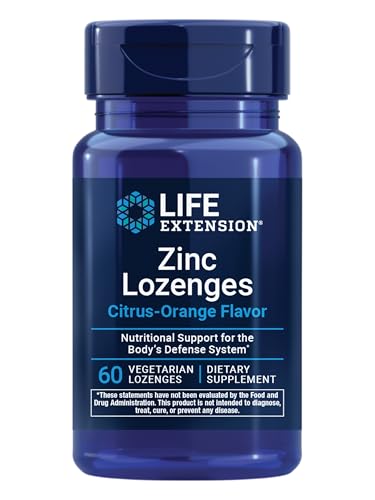
- Zinc for immune health – Keeping your natural defenses strong should be a priority. Zinc is an essential mineral that is…
- Necessary for activity of 300+ enzymes – Zinc is involved in the activity of over 300 enzymes that promote biochemical r…
- Two types of zinc – When it comes to zinc, there are multiple types. These lozenges contain 18.75 mg of zinc as zinc oxi…

Vitamin C and Quercetin: The Synergistic Duo
Quercetin acts as a zinc ionophore, meaning it helps push zinc into your cells where it can block viral replication. Vitamin C recycles quercetin, extending its activity. Together, they form a more potent defense than either alone.
A 2022 review of quercetin’s antiviral activity found it inhibits viral entry and replication in multiple stages of the coronavirus infection cycle [3].
Vitamin C supports this effect by maintaining quercetin in its active form and reducing oxidative stress caused by infection.
Dosing for acute illness:
- Quercetin: 500 to 1,000 mg daily in divided doses
- Vitamin C: 1,000 to 2,000 mg daily in divided doses
- Take with meals to improve absorption
The combination also reduces “sickness behavior,” the fatigue, brain fog, and body aches that accompany infection. Both nutrients dampen pro-inflammatory cytokines that cause these symptoms.
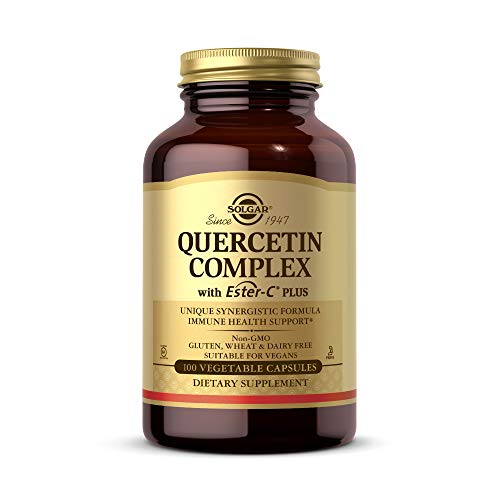
- Antioxidant; Quercetin is found in onions and other foods; It possesses antioxidant properties, which help to fight free…
- Immune Health Support; Solgar Quercetin Complex includes the important bioflavonoid Quercetin in a synergistic formula w…
- Gentle On The Stomach; Ester-C Plus provides a unique, pH neutral (non-acidic), form of vitamin C that is gentle on the …
Vitamin D3: The Immune Modulator
Low vitamin D levels increase your susceptibility to respiratory infections. A 2017 BMJ meta-analysis of 25 randomized controlled trials found that vitamin D supplementation reduced acute respiratory infection risk by 12% overall [4]. The benefit was strongest in people with baseline deficiency, where risk dropped by up to 70% [4].
Vitamin D helps your immune system respond appropriately without overshooting into dangerous inflammation. It modulates both the innate immune response and the production of antimicrobial peptides in respiratory tissues.
Dosing strategy:
- Maintenance: 2,000 to 4,000 IU daily (with vitamin K2 to support calcium metabolism)
- Acute “loading” dose: Some practitioners recommend 50,000 IU for 3 consecutive days at first sign of illness, then return to maintenance dosing
- Have your blood levels tested periodically; aim for 40 to 60 ng/mL (100 to 150 nmol/L)
(Ed. note: The “loading dose” approach lacks robust trial data. Use maintenance dosing if uncertain, and consult a practitioner before high-dose protocols.)
Now that you have started internal support, you must also clear the physical pathways.
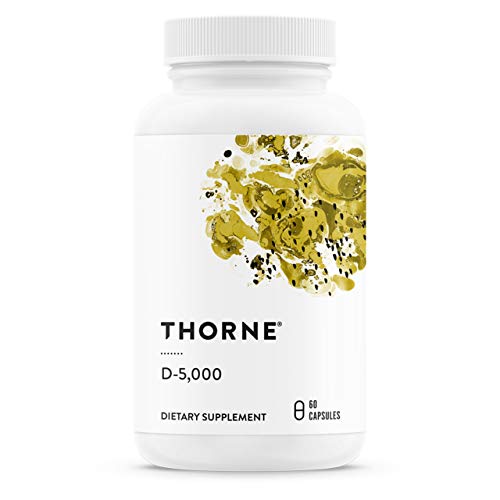
- Vitamin D3: Supports healthy teeth, bones, and muscles, as well as cardiovascular health and immune function*
- Optimal Absorption: Vitamin D3 is more potent and better absorbed than vitamin D2*
- NSF Certified: Supports high-performance nutrition programs and is NSF Certified for Sport
Pillar 2: Mucolytics and Lung Support
Supplements boost your immune function, but thick mucus traps pathogens and blocks drainage. Stagnant mucus creates an environment where secondary bacterial infections can develop. The goal here is to thin secretions and help your body expel them.
N-Acetylcysteine (NAC)
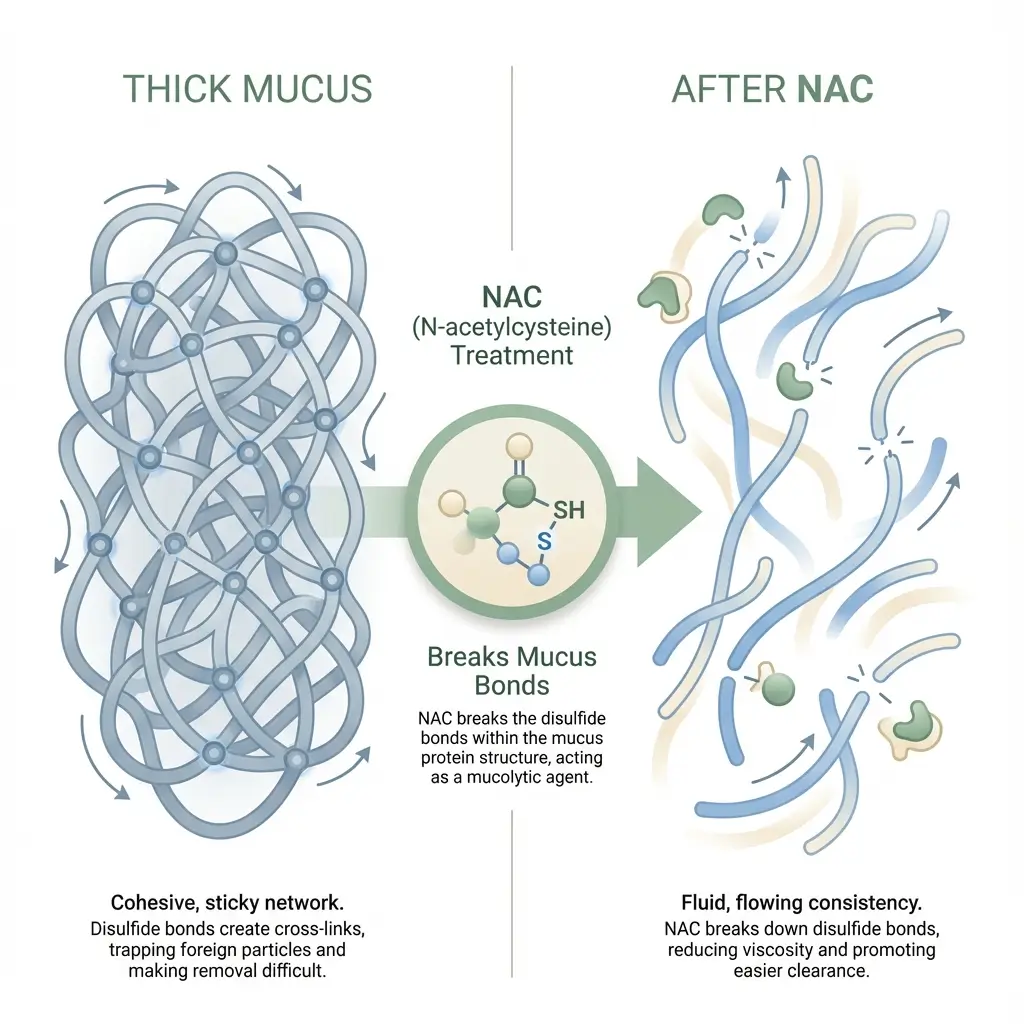
NAC is a precursor to glutathione, your body’s master antioxidant. It also breaks the sulfur bonds in mucus glycoproteins, physically thinning thick phlegm.
A 2024 systematic review confirmed that NAC acts as both a mucolytic and mucoregulator, directly inhibiting mucus secretion and reducing goblet cell hyperplasia [5].
Clinical trial data suggest prolonged NAC use can improve respiratory symptoms and decrease exacerbation frequency in chronic conditions [6].
For acute respiratory infections, NAC thins secretions faster than most over-the-counter cough syrups. It also replenishes glutathione, which infections rapidly deplete.
Dosing for acute illness:
- 600 to 1,200 mg daily in divided doses
- Take on an empty stomach for better absorption
- Continue for duration of illness
Why choose NAC over standard cough syrup? Many commercial cough products suppress the cough reflex without addressing the underlying cause. NAC helps your body clear mucus rather than just masking symptoms.

- 600mg of High Quality N-Acetyl L-Cysteine (NAC) Per Capsule
- 180 “Veggie” Capsules Per Bottle
- Vegan, Non-GMO & Gluten Free
Pelargonium Sidoides (Umckaloabo)
This South African geranium root has specific evidence for acute bronchitis. A systematic review found Pelargonium sidoides extract (EPs 7630) was superior to placebo for adults with acute bronchitis, reducing symptom severity and shortening duration of inability to work by nearly 2 days [7].
A 2023 meta-analysis confirmed that 7 days of treatment with the extract significantly reduces the average number of sick days [8]. The extract appears to work through immunomodulatory effects and mild antibacterial activity.
Dosing:
- Follow manufacturer dosing on standardized EPs 7630 extract (typically 30 drops 3 times daily for adults)
- Continue for 7 to 10 days
When did you last feel truly congested? If your nasal passages feel completely blocked, you need mechanical intervention.

- South African pelargonium or Umckaloaba (Pelargonium sidoides) root liquid extract or tincture concentrated 1:10. 100% n…
- A NATURAL AID: South African pelargonium or Umckaloaba liquid herbal supplement in drops. 40 drops (2 ml) contain 2.3 g …
- NATURALMA – A Natural Way of Life: We respect and love Nature, that’s why all our supplements are Vegan and contain no a…
Pillar 3: Mechanical and Topical Treatments
Internal support takes time to absorb and circulate. For immediate relief, physical interventions deliver results within minutes.
Hypertonic Saline Nasal Irrigation (Nasal Rinse)
Saline rinses physically wash out pathogens and thin mucus. Hypertonic saline = saltier than your body fluids. This concentration draws fluid out of swollen membranes through osmosis, opening blocked passages.
The ELVIS pilot trial found hypertonic saline nasal irrigation and gargling (HSNIG) reduced illness duration by 1.9 days (22%) compared to standard care. Over-the-counter medication use dropped by 36%, and illness transmission to household members decreased by 35% [9].
Researchers also measured viral shedding. 73% of participants using HSNIG showed a reduction in viral load of 0.5 log10 per day, compared to only 43% in the control group [9].
How to do it:
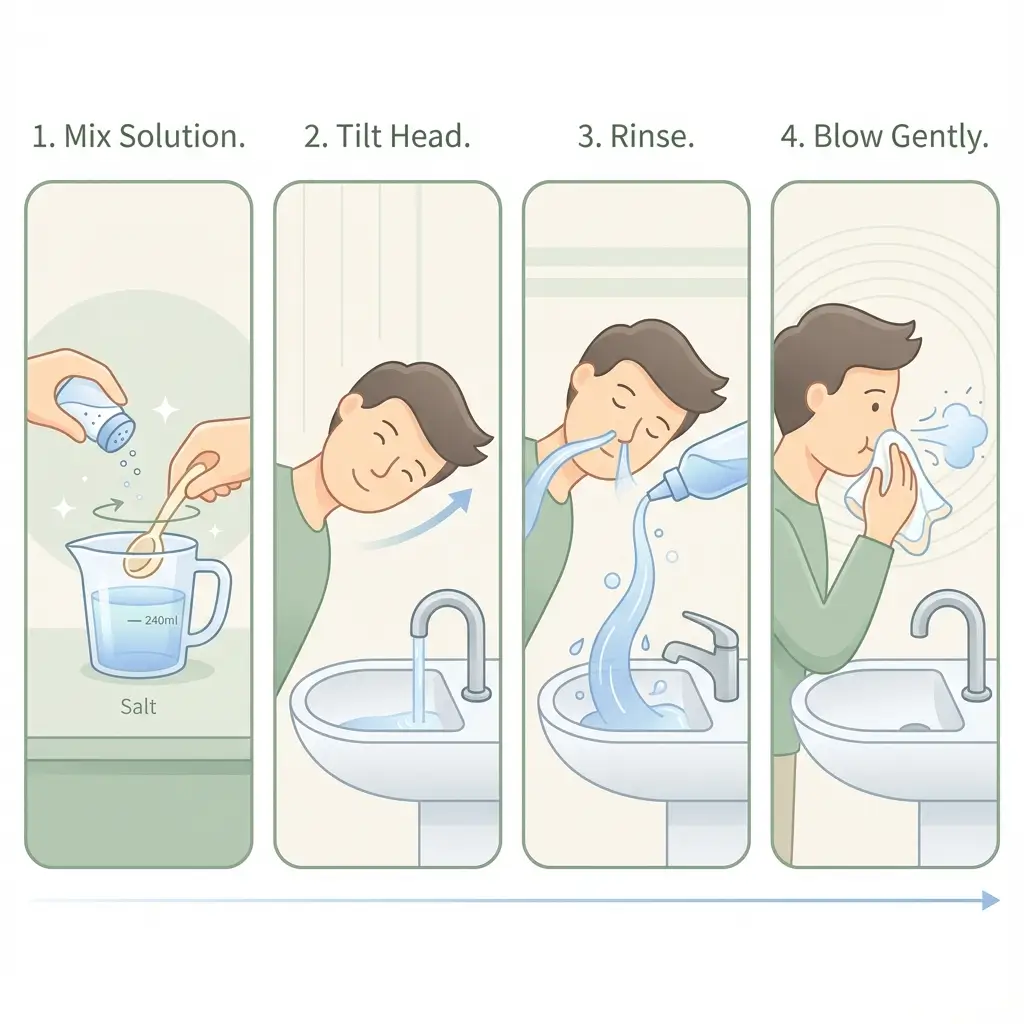
- Dissolve 1 to 2 teaspoons of sea salt or non-iodized salt in 1 cup (240 mL) of distilled or previously boiled water (cooled)
- Use a neti pot, squeeze bottle, or sinus rinse device
- Rinse each nostril 2 to 3 times daily during acute illness
- Use distilled or boiled water ONLY to avoid rare but serious infections
Isotonic rinses (0.9% salt, matching body fluids) soothe. Hypertonic rinses (2 to 3% salt) actively draw fluid from swollen tissues and improve clearance. Start with isotonic if you find hypertonic too uncomfortable.

- 4.5 oz (127 g) ARM & HAMMER Simply Saline Daily Care Nasal Mist saline nasal spray provides instant relief for everyday …
- Fast-acting saline nose spray works in seconds to help naturally moisturize dry nasal passages and clear congestion asso…
- Free from fragrances, dyes, artificial flavors and parabens; it’s made with 3 simple, pure ingredients: purified water, …
Steam Inhalation with Essential Oils
Steam moistens dried-out airways. Adding specific essential oils provides additional antimicrobial and anti-inflammatory benefits.
Eucalyptus oil contains 1,8-cineole (eucalyptol), which has documented mucolytic properties and reduces airway smooth muscle contractions [10]. Thyme oil adds complementary antimicrobial activity.
How to do it:
- Boil water and pour into a heat-safe bowl
- Add 2 to 3 drops of eucalyptus oil (optionally 1 drop of thyme oil)
- Drape a towel over your head and the bowl
- Breathe slowly through your nose with EYES CLOSED for 5 to 10 minutes
- Maintain 12 inches distance from hot water to avoid burns
- Repeat 2 to 3 times daily
Safety warning: Never place essential oils directly on skin or in nostrils. Keep eyes closed to prevent irritation. Children and those with asthma should use caution; some people find steam irritating to airways.
Honey: The Natural Cough Suppressant
Honey outperforms or matches dextromethorphan (the active ingredient in most OTC cough syrups) for nocturnal cough relief.
A 2007 study in Archives of Pediatrics and Adolescent Medicine found buckwheat honey was most effective for cough frequency, cough severity, and sleep quality. Dextromethorphan was no better than no treatment at all [11].
The World Health Organization recommends honey as a demulcent for cough in children [11]. Dark honeys like buckwheat and manuka contain higher phenolic compounds with antimicrobial and antioxidant properties.
Dosing:
- Adults and children over 1 year: 1 to 2 teaspoons (5 to 10 mL) before bed
- Raw, dark honey provides strongest antimicrobial activity
- DO NOT give honey to infants under 12 months (botulism risk)
A spoonful of honey before sleep coats the throat, reduces cough frequency, and helps you sleep through the night.


Now that you know what helps, learn what wastes your time and money.
What Does NOT Work
To save you effort, avoid these common but ineffective strategies.
Heavy Sweating or “Sweating Out a Fever”
The idea of “sweating out” illness is dangerous. Fever already dehydrates you. Adding excessive sweating through bundling up or hot baths further depletes fluids and electrolytes.
Your body raises its temperature deliberately to inhibit viral replication. Trying to force more sweating does not speed this process. Instead, stay comfortably warm, drink fluids, and let fever do its work naturally.
Use fever reducers only if temperature exceeds 103°F (39.4°C) or causes significant discomfort.
Antibiotics for Viral Infections
Antibiotics kill bacteria. Viruses cause colds, most sinusitis, acute bronchitis, and influenza. Taking antibiotics for these conditions provides zero benefit and causes real harm.
Antibiotics damage your gut microbiome, which houses 70% of your immune cells. Disrupting this ecosystem actually weakens your defense against future infections. Antibiotic-resistant bacteria also develop when these drugs are overused.
Reserve antibiotics for bacterial infections confirmed by a healthcare provider. Signs suggesting bacterial involvement include persistent fever over 10 days, green or yellow nasal discharge lasting more than 10 days, or worsening symptoms after initial improvement.
With myths cleared, here is how to structure your day for maximum recovery.
The 24-Hour “Get Better” Protocol
Putting it all together, follow this daily structure when you have a respiratory infection.
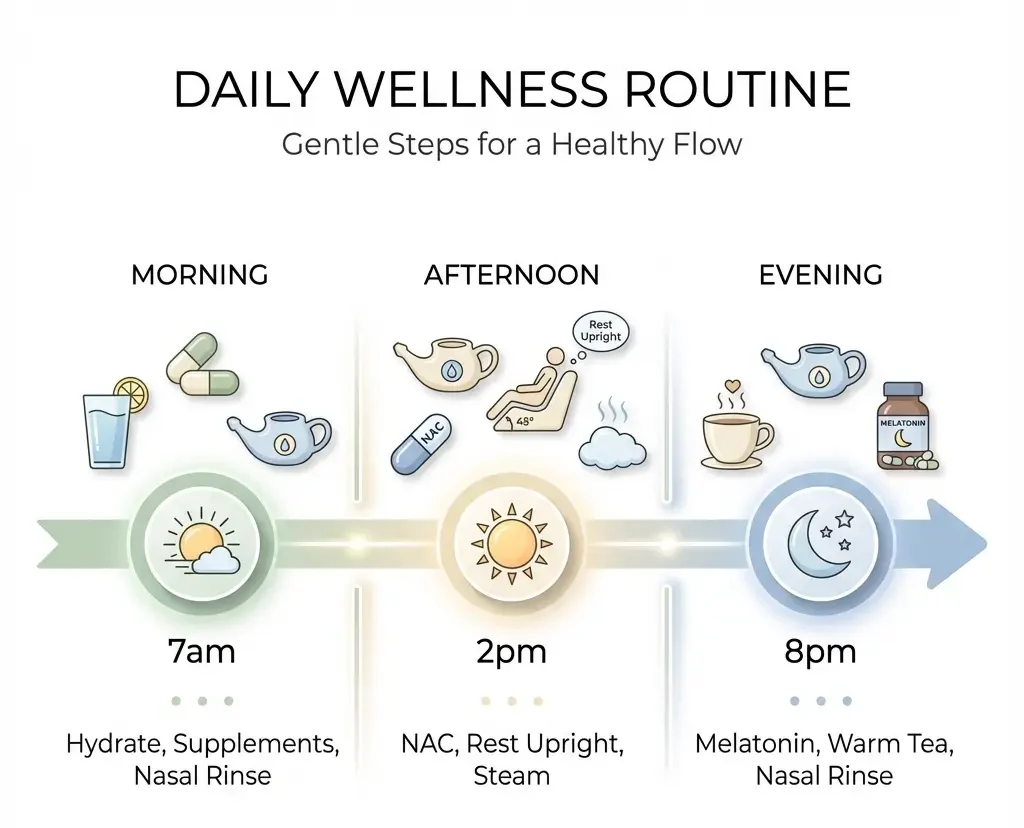
Morning (Upon Waking)
Hydration first. Drink 16 oz (500 mL) of warm water with lemon or herbal tea immediately. Overnight, your body lost fluids through breathing and sweating. Rehydrate before anything else.
Supplementation:
- Zinc lozenge (dissolve completely; do not chew)
- Vitamin D3: 2,000 to 4,000 IU (or higher loading dose if using that protocol)
- Vitamin C: 500 to 1,000 mg
- Quercetin: 500 mg with food
Nasal rinse: Perform hypertonic saline irrigation before eating breakfast.
Afternoon (Midday to Early Evening)
Second supplement round:
- NAC: 600 mg on empty stomach (at least 30 minutes before food)
- Additional vitamin C: 500 to 1,000 mg
- Another zinc lozenge if symptoms are severe
Nasal rinse: Repeat saline irrigation.
Rest position matters. Sit upright or recline at a 45-degree angle rather than lying flat. Upright positioning helps sinuses drain. Lying flat pools mucus in nasal passages and worsens congestion.
Steam inhalation: Do one session after the midday nasal rinse to loosen secretions.
Evening (Before Bed)
Third supplement round:
- Final zinc lozenge
- Quercetin: 500 mg with dinner
Honey for cough: Take 1 to 2 teaspoons of dark honey 30 minutes before sleep.
Humidifier setup: Place a cool-mist humidifier in your bedroom. Aim for 40 to 60% humidity. Dry air dries out mucous membranes and makes coughing worse. Clean the humidifier daily to prevent mold growth.
Sleep environment: Keep room slightly cool (65 to 68°F or 18 to 20°C). Elevate your head with an extra pillow to promote sinus drainage.
Repeat this protocol daily until symptoms resolve. Most viral respiratory infections improve within 7 to 10 days with active support.
Safety and Red Flags
Natural treatments have limits. You MUST recognize when professional care becomes necessary.
When to See a Doctor Immediately
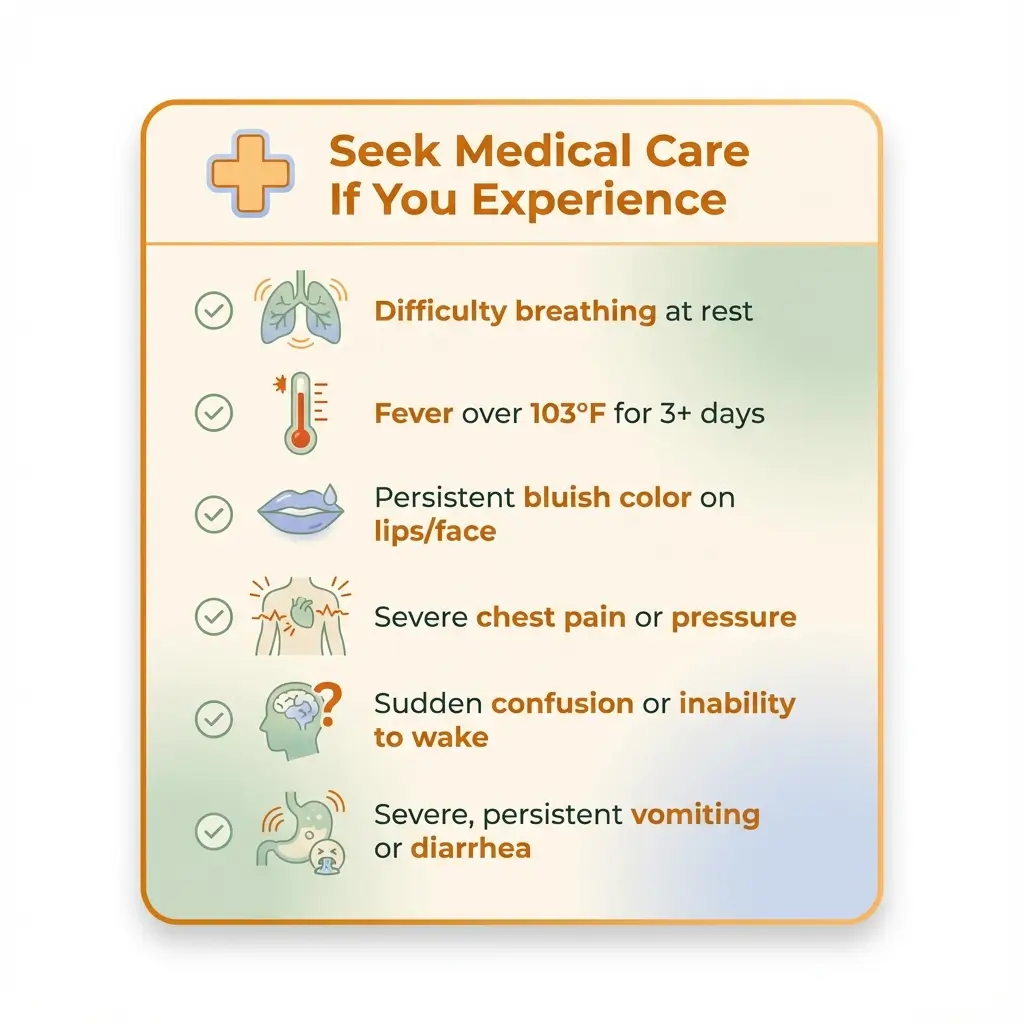
Seek medical attention if you experience any of these symptoms:
- Difficulty breathing or shortness of breath at rest
- Chest pain or pressure when breathing
- Blue or gray lips, nails, or skin (indicates low oxygen)
- High fever above 103°F (39.4°C) that does not respond to treatment
- Fever lasting more than 3 days without improvement
- Confusion or altered mental state
- Severe dehydration (no urination for 8+ hours, extreme thirst, dizziness)
- Symptoms lasting more than 10 days without improvement
- Symptoms that worsen after initial improvement (suggests secondary bacterial infection)
- Coughing up blood or rust-colored sputum
- Difficulty swallowing or drooling (especially in children)
Certain populations need earlier medical evaluation. These include adults over 65, infants and young children, pregnant women, and anyone with chronic conditions like asthma, COPD, diabetes, or immune suppression.
When in doubt, call your healthcare provider. Describe your symptoms clearly. A phone consultation can determine whether you need an in-person evaluation.
Medical Disclaimer: This content provides educational information, not medical advice. Every person responds differently to supplements and treatments. Interactions with medications are possible. Pregnant and nursing women should consult healthcare providers before using any supplements. Do not use this information to diagnose or treat any condition. When symptoms are severe or worsening, professional medical evaluation is required.
Your Respiratory First-Aid Kit (Stock It Before You Need It)
Do not wait until you are sick to gather supplies. Build your kit now so you can start treatment within hours of symptom onset.
Essential items to stock:
- Zinc lozenges (gluconate or acetate, 15 to 25 mg elemental zinc per lozenge)
- Vitamin D3 capsules (2,000 to 5,000 IU per capsule, with K2 if possible)
- Vitamin C (500 mg capsules or powder)
- Quercetin (500 mg capsules)
- NAC (600 mg capsules)
- Sea salt or non-iodized salt for nasal rinses
- Neti pot or sinus rinse bottle
- Eucalyptus essential oil
- Raw dark honey (buckwheat or manuka)
- Cool-mist humidifier
- Thermometer
With this kit ready, you can begin your protocol within the first 24 hours of symptoms. Early intervention produces the best outcomes.
The philosophy behind this approach is simple. Do not just suppress symptoms. Support your body’s clearance mechanisms. Reduce viral load, thin mucus, calm inflammation. Give your immune system every advantage while it does the real work of healing.
