Probiotics vs. Prebiotics vs. Postbiotics: The Complete Gut Health Triad Explained
Stop guessing with your gut. Here is exactly how the three "biotics" work together, why postbiotics are the new frontier, and how to fuel your microbiome for total health.
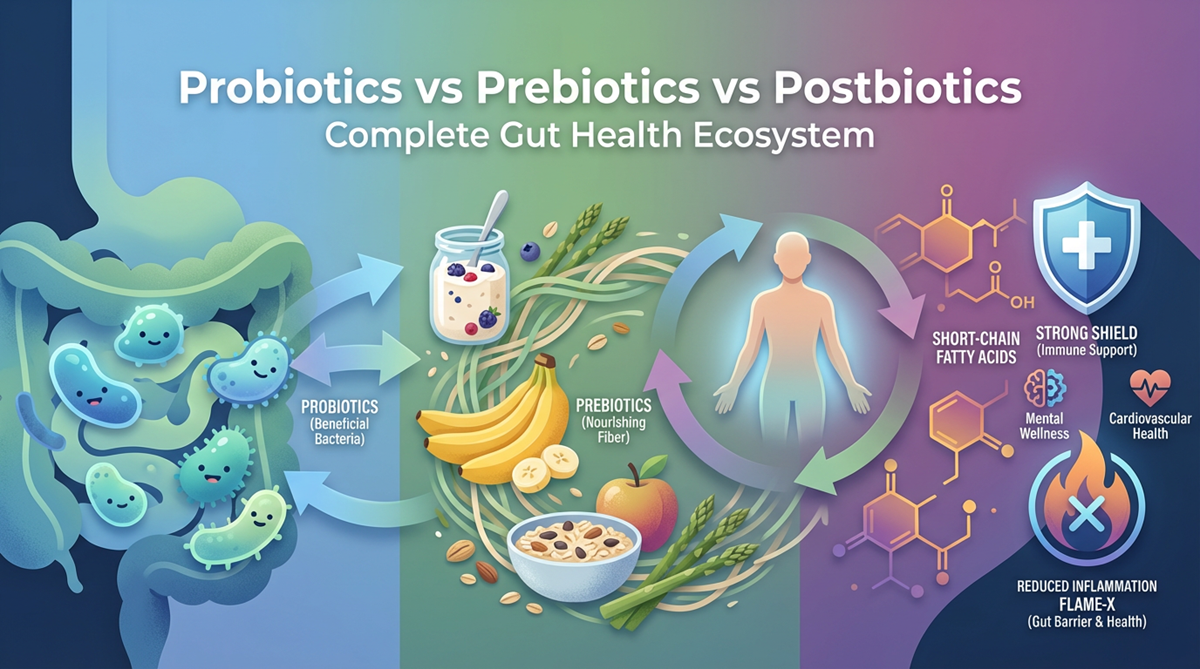
You walk down the supplement aisle. Probiotics promise better digestion. Prebiotics claim to feed your gut. Postbiotics advertise immune support. Which one do you buy?
The answer: you’re asking the wrong question.
These three “biotics” aren’t competing products. They’re three stages of a single biological process happening in your digestive tract right now. Understanding this process changes how you approach gut health completely.
Here’s what you need to know: Probiotics are the living bacteria. Prebiotics are the food those bacteria eat. Postbiotics are the beneficial compounds those bacteria produce after eating. You can’t optimize one without understanding all three.
This guide breaks down the science, cuts through the marketing noise, and tells you exactly what works.
Overview
| Feature | Probiotics | Prebiotics | Postbiotics |
|---|---|---|---|
| Nature | Live microorganisms | Non-digestible fibers | Bacterial metabolites |
| Primary Function | Introduce beneficial bacteria | Feed existing bacteria | Deliver ready-made benefits |
| Stability | Die easily (heat, acid, time) | Very stable | Moderately stable |
| Safety Concern | Infection risk in immunocompromised | Gas/bloating, SIBO worsening | Minimal (no live organisms) |
| Key Benefit | Rapid gut flora restoration | Sustained microbiome support | Direct anti-inflammatory effects |
| Best Use Case | Post-antibiotic recovery | Daily maintenance | Leaky gut, immune compromise |
How the Three Biotics Work Together
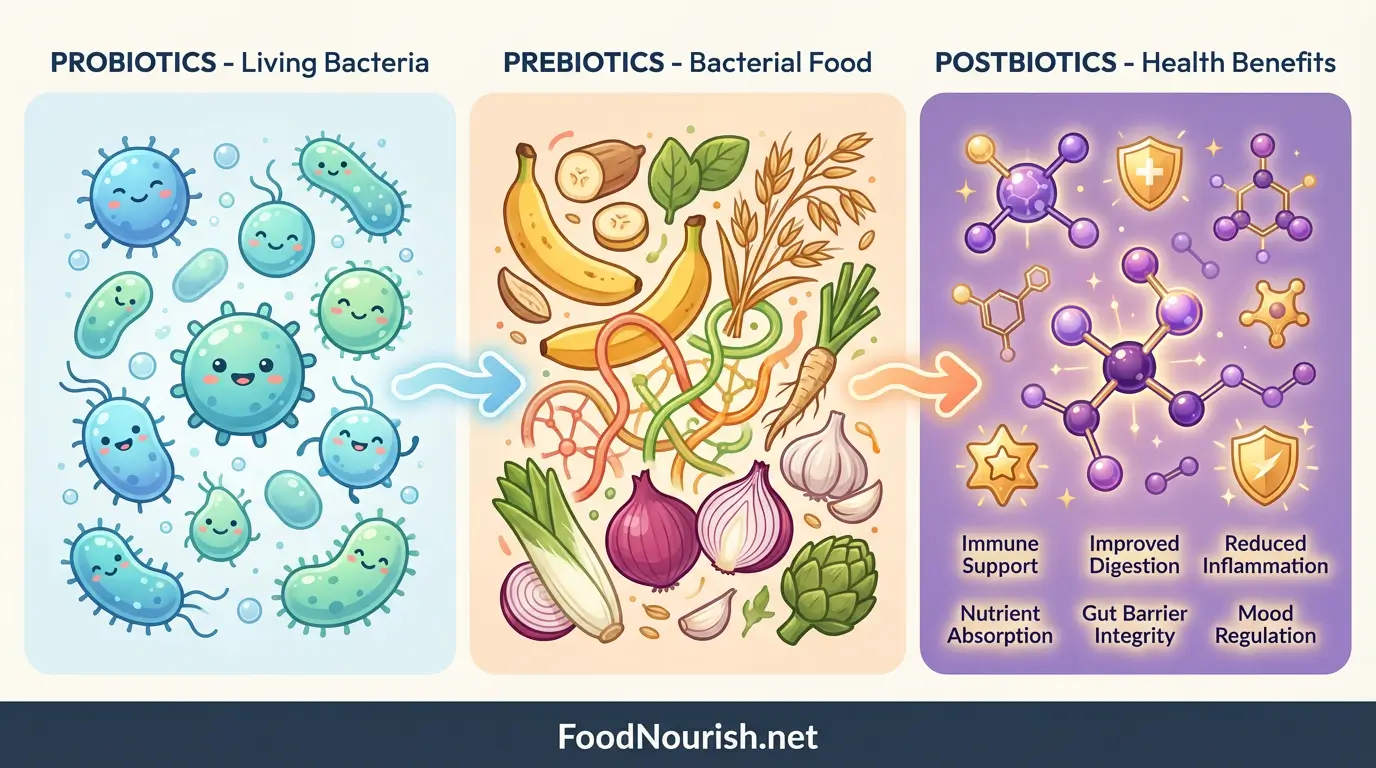
Think of your gut like a garden ecosystem. You need three things for a productive garden.
- Seeds (Probiotics): The living organisms you introduce to the soil. Without them, nothing grows.
- Fertilizer (Prebiotics): The nutrients that help those organisms thrive. Seeds without food die quickly.
- Harvest (Postbiotics): The beneficial outcome produced by healthy, well-fed organisms. This is what actually improves your health.
Most people focus on just one element.
- They take probiotic pills but eat zero fiber.
- They load up on vegetables but wonder why their digestion still suffers after antibiotics.
- They ignore postbiotics entirely because the supplement industry only recently discovered them.
Your microbiome contains trillions of bacteria, fungi, and other microorganisms [1]. These organisms form a complex ecosystem that influences everything from your immune system to your brain chemistry. Feeding this ecosystem properly requires understanding all three biotics.
Probiotics: The Living Workers
Probiotics are live microorganisms that provide health benefits when you consume them in adequate amounts [2]. These are actual living bacteria and yeasts, not compounds or extracts.
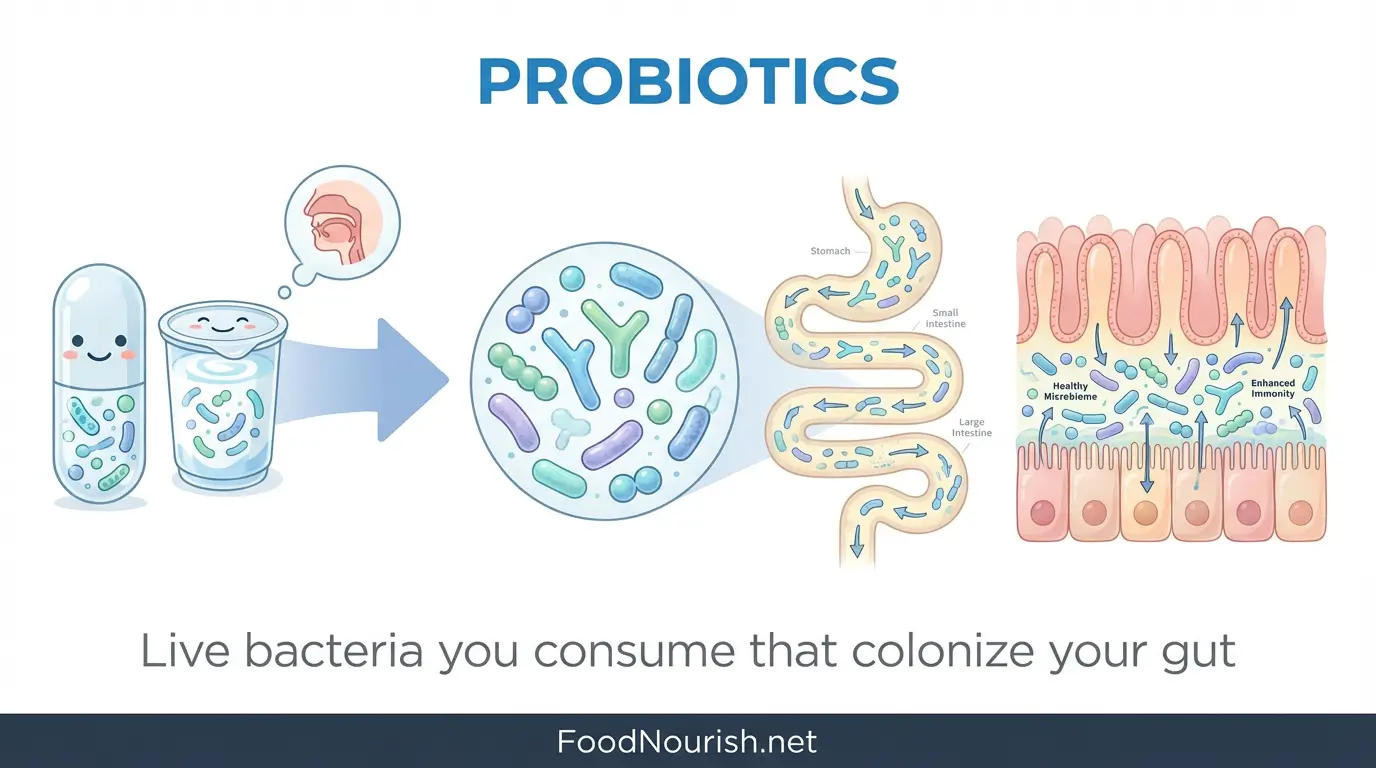
The Key Strains You Should Know:
Your gut contains hundreds of bacterial species. Four strains get the most research attention because they deliver measurable health benefits.
- Lactobacillus species break down lactose and produce lactic acid, which creates an acidic environment that harmful bacteria hate [3]. You’ll find these in yogurt, kefir, and most probiotic supplements. Lactobacillus rhamnosus GG specifically helps prevent and treat diarrhea in children [4].
- Bifidobacterium species dominate healthy infant guts and decline as you age [5]. They ferment dietary fiber into short-chain fatty acids, which fuel your colon cells. Bifidobacterium longum improves stress response and reduces cortisol levels [6].
- Saccharomyces boulardii is actually a beneficial yeast, not a bacteria. It survives stomach acid better than bacterial strains and helps treat antibiotic-associated diarrhea [7]. Doctors often recommend it alongside antibiotic prescriptions.
- Akkermansia muciniphila lives in your gut mucus layer and strengthens your intestinal barrier [8]. Lower levels correlate with obesity, diabetes, and inflammatory bowel disease. Researchers now consider it a next-generation probiotic.
What Probiotics Actually Do:
- Probiotics restore gut flora after antibiotics wipe out your bacterial population. One course of antibiotics can reduce gut diversity by 25% [9]. Taking probiotics during and after antibiotic treatment helps rebuild that diversity faster.
- They improve digestion by producing enzymes your body doesn’t make. Lactose intolerant? Lactobacillus bacteria produce lactase, the enzyme that breaks down milk sugar [10]. This is why some people tolerate yogurt better than milk.
- Probiotics defend against pathogens through competitive exclusion. They occupy binding sites on your intestinal wall, consume available nutrients, and produce antimicrobial compounds. Bad bacteria simply can’t find room to colonize [11].
- They also modulate your immune system. About 70% of your immune cells live in your gut [12]. Probiotics train these cells to distinguish between harmless food proteins and actual threats, potentially reducing allergies and autoimmune responses.
Top Food Sources:
- Yogurt with live active cultures provides multiple Lactobacillus and Bifidobacterium strains. Check labels for “live and active cultures” because pasteurized yogurt contains dead bacteria.
- Kefir contains 30-50 different probiotic strains, far more than yogurt [13]. The fermentation process also breaks down most lactose.
- Sauerkraut and kimchi offer probiotics plus prebiotics (from the cabbage fiber). One serving of unpasteurized sauerkraut contains billions of Lactobacillus bacteria [14].
- Miso provides probiotics along with beneficial compounds from fermented soybeans. The fermentation process increases protein digestibility by 30% [15].
Prebiotics: The Critical Fuel
Prebiotics are non-digestible fibers that serve as food for beneficial bacteria [16]. Your body can’t break them down, but your gut bacteria can. This fermentation process keeps your microbiome alive.
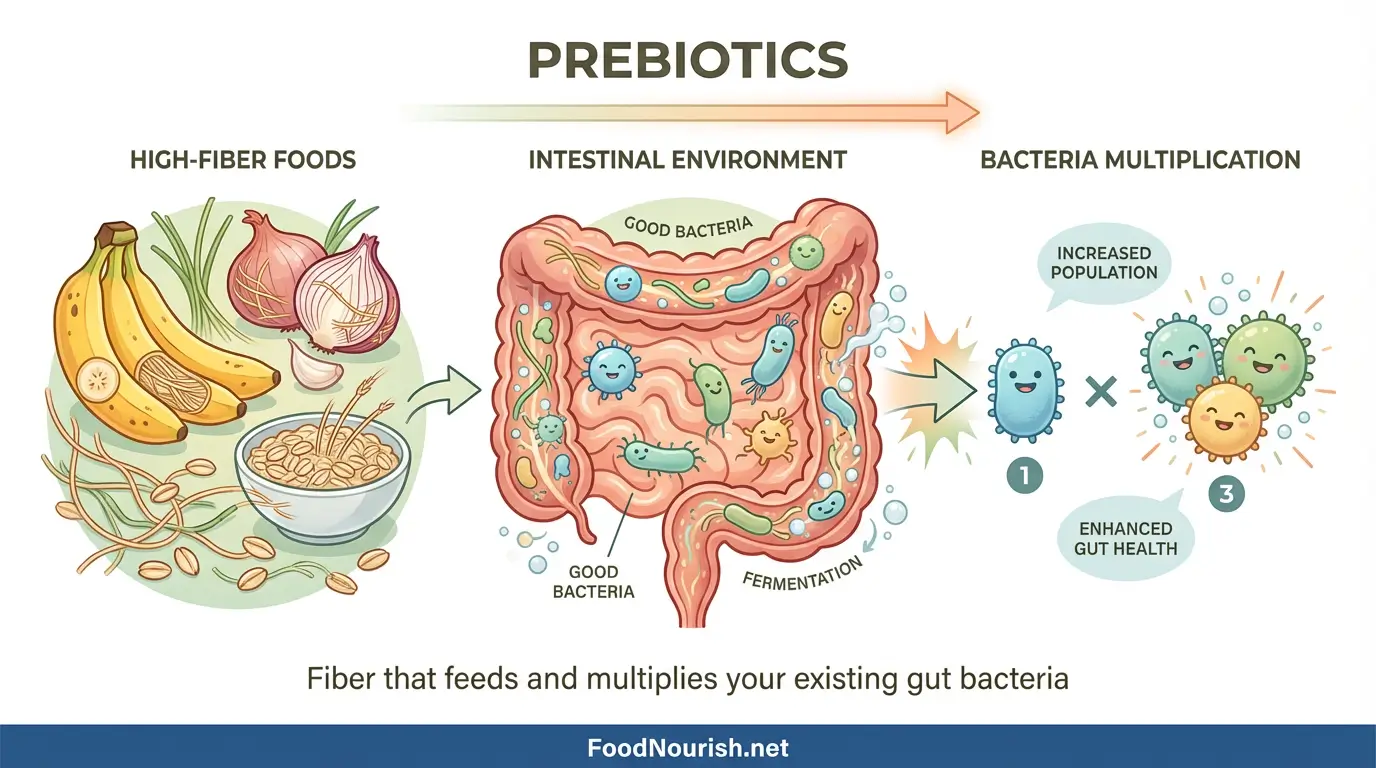
How Prebiotics Work:
When you eat prebiotic fiber, it travels undigested to your colon. Bacteria there ferment it through anaerobic metabolism. This fermentation produces gases (why beans cause bloating) and valuable metabolites (which we’ll discuss in the postbiotics section).
The process is selective. Prebiotics specifically feed beneficial bacteria, not harmful ones. This selectivity comes from the chemical structure of different fibers [17].
What Prebiotics Offer:
- Prebiotics increase microbiome diversity. A diverse microbiome correlates with better health outcomes across nearly every measure [18]. People with 10 different bacterial species absorb nutrients worse and get sick more often than people with 100 species.
- They improve bowel regularity by adding bulk to stool and increasing water retention. Inulin, a common prebiotic, increases stool frequency by 20% in people with constipation [19].
- Prebiotics enhance mineral absorption. The acidic environment created during fermentation increases calcium and magnesium absorption by up to 60% [20]. This matters for bone health, especially in postmenopausal women.
- They help regulate blood sugar. Resistant starch reduces post-meal glucose spikes by 30-50% [21]. The mechanism involves slower carbohydrate absorption and improved insulin sensitivity.
Top Food Sources:
- Chicory root contains 68% inulin by weight, making it the richest natural prebiotic source [22]. You’ll find it added to fiber supplements and some protein bars.
- Garlic and onions provide fructooligosaccharides (FOS), which Bifidobacteria particularly love. One medium onion contains about 5 grams of prebiotic fiber [23].
- Green (unripe) bananas contain resistant starch that escapes digestion in your small intestine. As bananas ripen, this resistant starch converts to regular starch [24]. Eat them slightly green for maximum prebiotic benefit.
- Oats contain beta-glucan, a soluble fiber that feeds Lactobacillus and Bifidobacterium species [25]. One cup of cooked oatmeal provides 4 grams of beta-glucan.
Postbiotics: The New Frontier
Postbiotics are bioactive compounds produced when probiotics ferment prebiotics [26]. This includes metabolites like short-chain fatty acids, plus inanimate bacterial cells and cell components.
(Ed. note: This is where the science gets exciting. Postbiotics might be more important than probiotics themselves.)
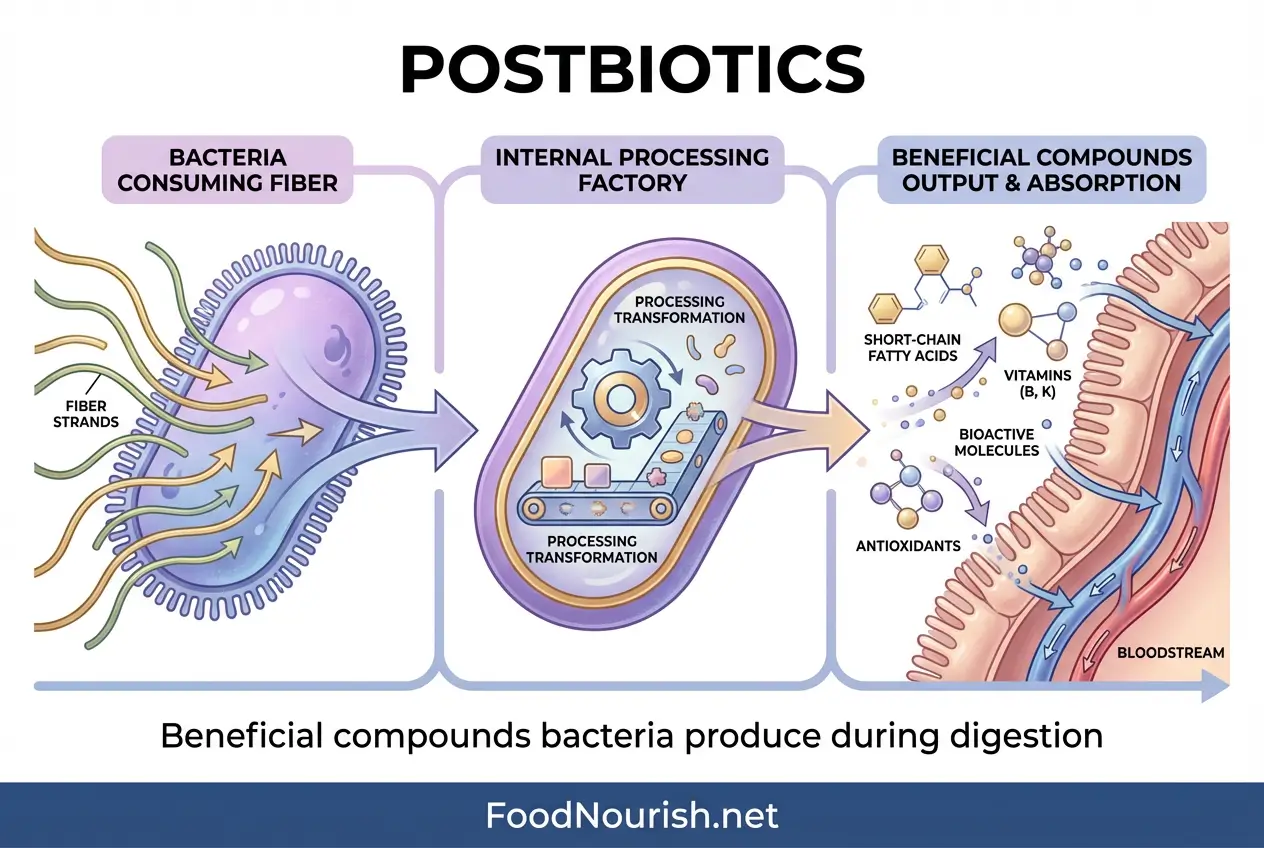
The Key Postbiotic Compounds:
- Butyrate is a short-chain fatty acid that serves as the primary fuel for your colon cells [27]. These cells prefer butyrate over glucose. Without adequate butyrate, colon cells starve and your intestinal barrier weakens. This leads to “leaky gut,” where partially digested food proteins leak into your bloodstream and trigger inflammation. Butyrate also regulates gene expression. It acts as a histone deacetylase inhibitor, which sounds complex but means it turns beneficial genes on and harmful genes off [28]. This mechanism helps prevent colon cancer.
- Acetate and propionate are other short-chain fatty acids with different roles. Acetate provides energy to peripheral tissues and helps synthesize cholesterol (the good kind your body needs). Propionate travels to your liver and helps regulate glucose production [29].
- Bacterial cell wall components like lipoteichoic acid and peptidoglycan train your immune system. They’re pattern recognition molecules that teach immune cells to respond appropriately to threats [30].
What Postbiotics Offer:
- Postbiotics strengthen your gut barrier. Butyrate tightens the junctions between intestinal cells, reducing permeability by up to 70% [31]. This prevents food proteins, bacteria, and toxins from entering your bloodstream.
- They reduce systemic inflammation. Short-chain fatty acids activate anti-inflammatory pathways and suppress pro-inflammatory cytokines [32]. People with higher butyrate levels have 40% lower markers of inflammation [33].
- Postbiotics communicate with your immune system directly. They don’t need living bacteria to deliver benefits. This makes them safer for immunocompromised individuals who risk bacterial infections from live probiotics [34].
- They influence the gut-brain axis. Butyrate crosses the blood-brain barrier and affects neurotransmitter production [35]. Low butyrate levels correlate with depression and anxiety disorders.
The Safety Advantage:
Postbiotics contain no live organisms. This matters for several groups: cancer patients undergoing chemotherapy, people with indwelling catheters, those with severely compromised immune systems, and infants in neonatal intensive care units.
Live probiotics can cause bacteremia (bacteria in the bloodstream) in these populations [36]. Postbiotics deliver the benefits without the infection risk.
What If You Could Only Choose Just One?
Imagine you’re stuck on a desert island with limited resources. You can focus on only one biotic. Which should it be?
The answer is prebiotics (fiber).
Most people already have beneficial bacteria in their gut. Those bacteria are just starving. Introducing more probiotics to a gut with no prebiotic fuel is like dropping seeds on concrete. They’ll die quickly.
Prebiotics feed and multiply the beneficial bacteria you already possess. One study found that increasing fiber intake from 10 to 30 grams daily doubled beneficial bacteria populations within three weeks [37]. No probiotic supplement needed.
Prebiotics also stimulate postbiotic production automatically. Feed your existing bacteria well, and they’ll produce butyrate, acetate, and all the other beneficial metabolites your body needs.
The Exception:
You just finished a course of antibiotics. Your gut flora is decimated. Now probiotics become the priority. You need to re-seed the bacterial colonies that antibiotics destroyed.
Take probiotics during antibiotic treatment and for at least two weeks after. Then shift focus back to prebiotic-rich foods to maintain those populations long-term [38].
Synbiotics: The Power of Pairing
Synbiotics combine probiotics and prebiotics in a single product or meal [39]. The prebiotic component specifically feeds the probiotic strains included, creating a synergistic effect.
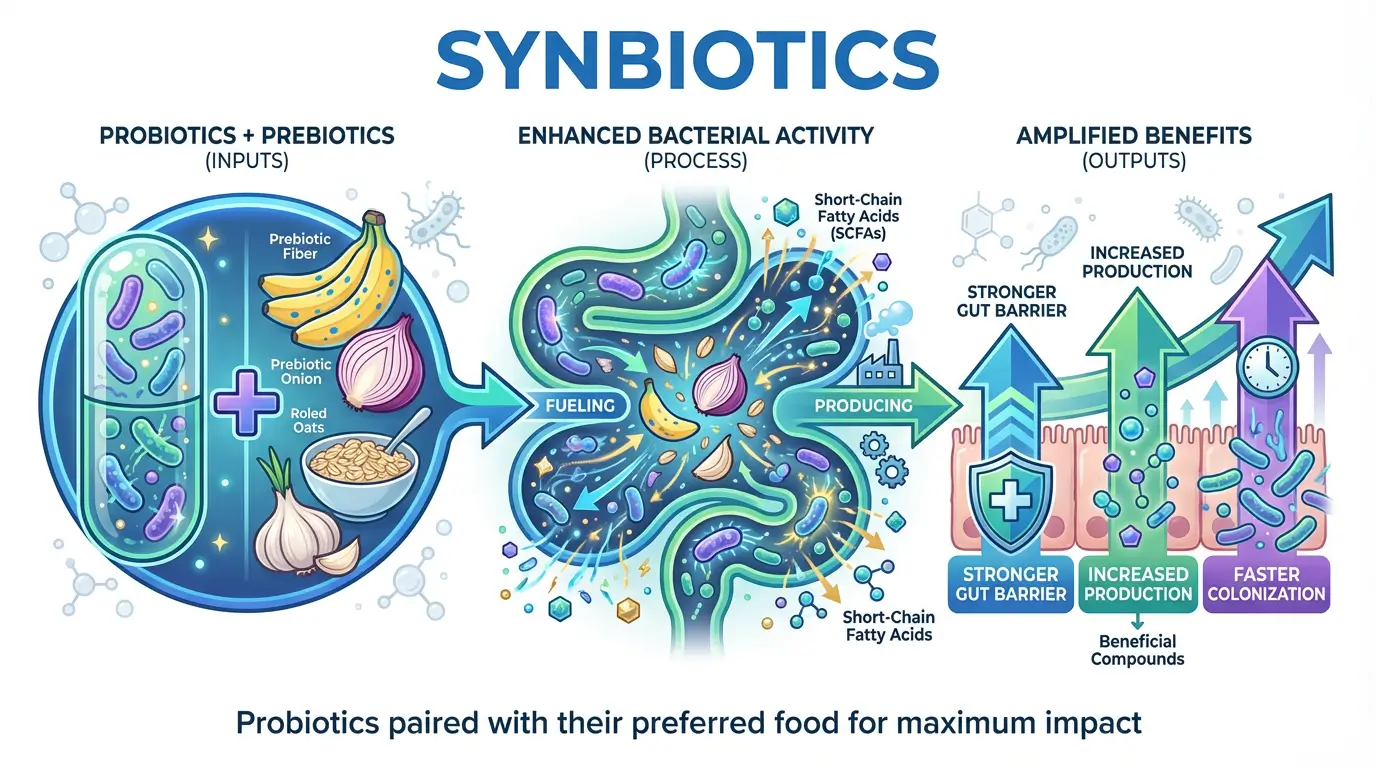
How to Build Synbiotic Meals:
- Greek yogurt (probiotic) plus sliced green bananas (prebiotic). The Lactobacillus bacteria in yogurt ferment the resistant starch in bananas, producing butyrate in your colon.
- Miso soup (probiotic) with scallions and seaweed (prebiotics). The fermented soybean bacteria get an immediate fuel source from the vegetable fibers.
- Kimchi (contains both) works as a complete synbiotic food. The cabbage provides prebiotic fiber while fermentation creates probiotic bacteria. They work together from the first bite.
- Tempeh with asparagus. The Rhizopus fungi in tempeh pairs perfectly with inulin from asparagus stalks.
Should You Take Supplements?
For general health, food wins. Fermented foods provide a complex matrix of nutrients, enzymes, and bacterial metabolites that supplements can’t replicate. One cup of kefir contains more bacterial diversity than most probiotic pills [40].
Supplements serve specific clinical purposes such as:
- Treating acute digestive issues,
- Preventing traveler’s diarrhea,
Recovering from antibiotic treatment, and - Managing diagnosed conditions like irritable bowel syndrome.
- People with IBS see measurable symptom reduction from specific probiotic strains. Bifidobacterium infantis reduces abdominal pain by 45% in IBS patients[41].
- Travelers to high-risk areas can prevent diarrhea by taking Saccharomyces boulardii or Lactobacillus GG before and during travel[42].
- Those on antibiotics should take probiotics to minimize dysbiosis (microbial imbalance). The data shows 42% reduction in antibiotic-associated diarrhea when taking probiotics concurrently[43].
- People with limited access to fermented foods need supplements to maintain adequate probiotic intake.
- People with Small Intestinal Bacterial Overgrowth (SIBO) should avoid prebiotics. Adding more bacterial fuel when bacteria are overgrowing in the wrong location makes symptoms worse[44].
- Immunocompromised individuals should skip live probiotics. The risk of bacteremia, though small, increases when immune defenses are down[45]. Choose postbiotics instead.
- Those with indwelling catheters or central lines face similar infection risks from live bacteria.
What Happens When You Take Supplements:
Most probiotic supplements create transient colonization [46]. The bacteria don't permanently move in. They're tourists, not residents. They do beneficial work while passing through your digestive tract, then disappear within 1-3 weeks after you stop taking them.
This isn't a failure. Transient bacteria still produce postbiotics, compete with pathogens, and modulate immune function during their stay. But consistent intake matters because benefits disappear when supplementation stops.
Some strains colonize better than others. Bifidobacterium and Lactobacillus typically don't establish permanent residence. Akkermansia muciniphila shows better colonization rates but remains in research phases [47].
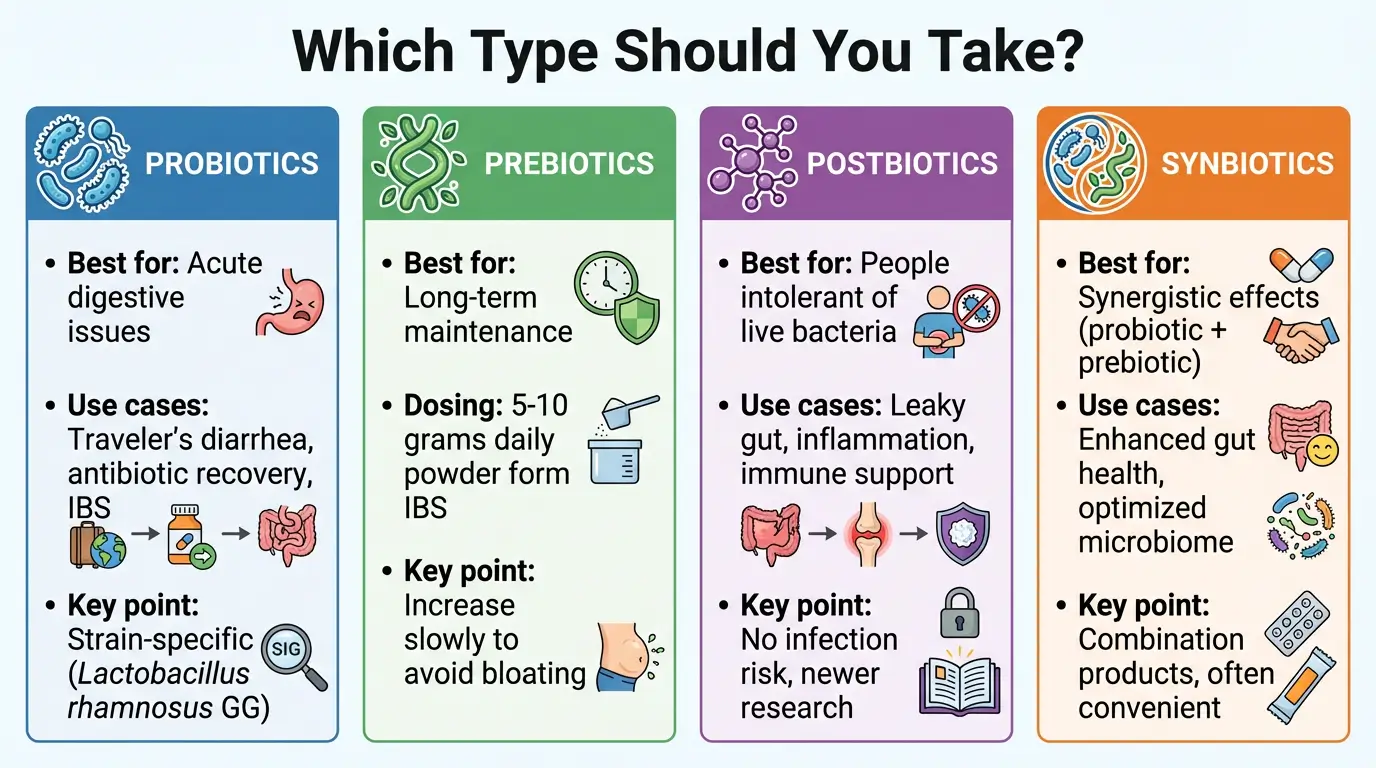
The Four Supplements Worth Your Money
You don't need a dozen bottles. Four products cover all three biotics if food sources fall short. These deliver clinical doses, verified strains, and third-party testing.
Best Synbiotic: Cognibiotics (BiOptimizers)
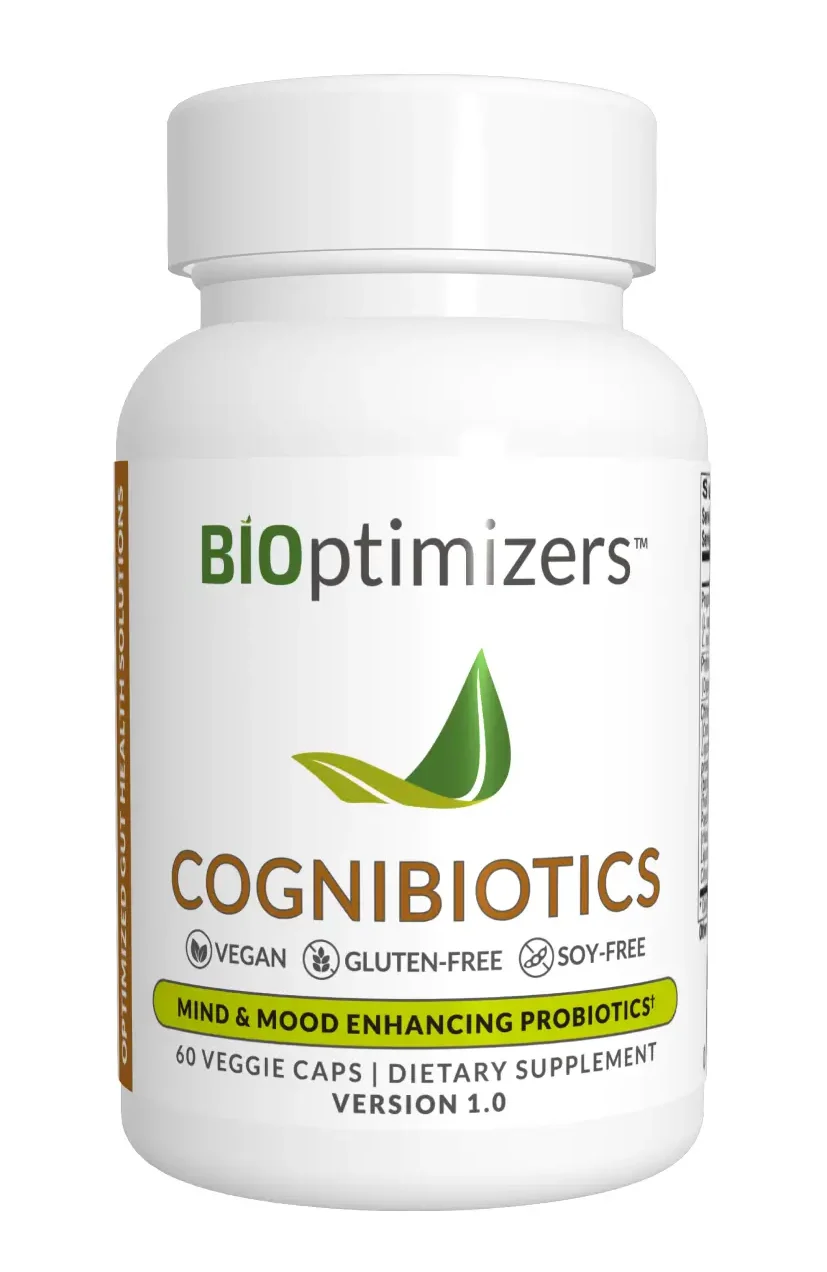
- What it is: A complete synbiotic combining 10 probiotic strains plus prebiotic fiber in therapeutic doses.
- Why it works: Each strain targets specific functions. Lactobacillus brevis reduces anxiety markers by 30% in clinical studies. Bifidobacterium longum improves stress response. The prebiotic blend feeds these strains immediately after you swallow them.
- Dosage: 10 billion CFU per serving across multiple strains, not mega-dosed into one species.
- Best for: People who want convenience without under-dosing either component. IBS patients who need strain diversity. Anyone recovering from antibiotic treatment.
- Key advantage: The prebiotic fiber is precisely calibrated to feed the included probiotic strains, creating genuine synbiotic action instead of just throwing two ingredients together.
- How To Take: Take one capsule daily with food. Results appear within 2-4 weeks for digestive symptoms.
→ Use Bioptimizers Discount Code FDN10 for 15% OFF storewide. Can be used my new and existing customers.
Best Probiotic: Probiotics Breakthrough (BiOptimizers)

- What it is: A targeted probiotic formula featuring Bifidobacterium and Lactobacillus strains at clinical strength.
- Why it works: Contains 40 billion CFU per serving across strains proven to colonize effectively. Includes proteolytic enzymes to enhance nutrient absorption and break down difficult proteins. The enteric coating protects bacteria from stomach acid, ensuring 70% survival to your colon compared to 10% for uncoated formulas.
- Strain specificity: Lists exact strain designations (not just "Lactobacillus blend"). You see Lactobacillus plantarum and Bifidobacterium lactis, which have documented effects on gut barrier function.
- Best for: Post-antibiotic gut restoration. Traveler's diarrhea prevention. People with protein digestion issues who also need probiotic support.
- Dosage: 40 billion CFU with enzyme complex. Take one capsule daily, preferably 30 minutes before meals.
The proteolytic enzyme component sets this apart from generic probiotics. Digestive enzymes work synergistically with bacteria to improve overall gut function.
→ Use Bioptimizers Discount Code FDN10 for 15% OFF storewide. Can be used my new and existing customers.
Best Prebiotic: Heather's Tummy Fiber (Acacia Senegal)
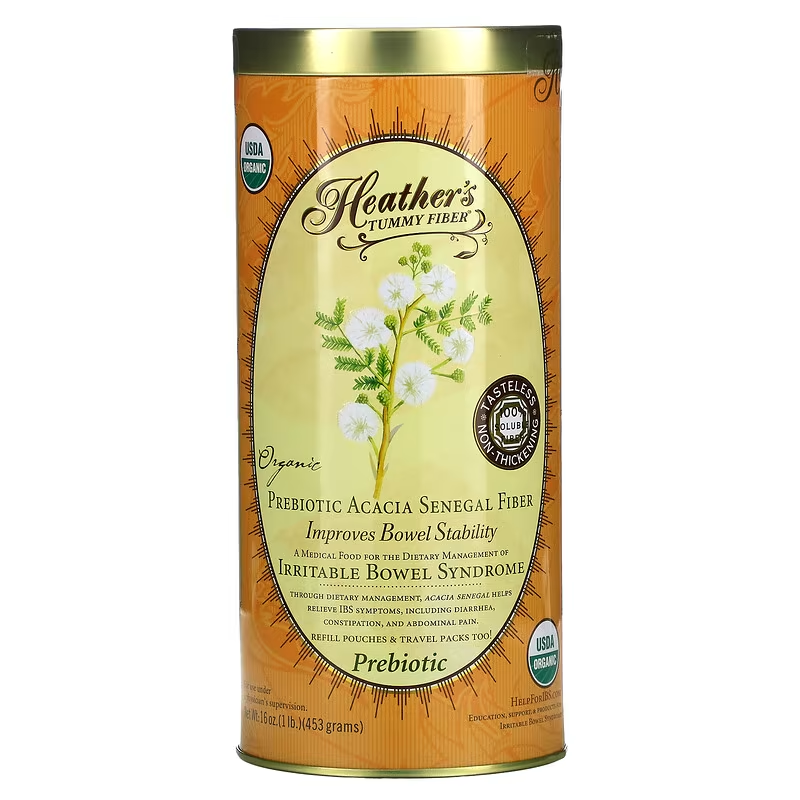
- What it is: Pure organic acacia fiber powder with zero additives. Acacia is a soluble fiber that Bifidobacteria specifically ferment into butyrate.
- Why it works: Provides 5 grams of prebiotic fiber per serving. Dissolves completely in liquid without thickening or clumping. Acacia fiber produces less gas than inulin or psyllium because fermentation occurs slowly throughout your colon rather than all at once in the proximal section.
- FODMAP status: Certified low-FODMAP at recommended doses, making it safe for IBS patients who react to other fibers.
- Clinical evidence: Studies show acacia fiber increases Bifidobacterium populations by 45% within three weeks. It improves bowel regularity in both constipation and diarrhea without causing the opposite problem.
- Best for: IBS patients who can't tolerate psyllium or inulin. People needing daily prebiotic maintenance without digestive distress. Anyone wanting pure fiber without added vitamins, minerals, or sweeteners.
- Dosage: Start with one teaspoon (2.5 grams) daily. Increase gradually to two tablespoons (10 grams) over two weeks. Mix into coffee, smoothies, or water. Has no taste or texture when dissolved.
This beats supplement capsules because fiber is bulky. You'd need 15-20 capsules to match one tablespoon of powder.
→ Use iHerb Discount Code GIX3955 for 10% OFF storewide. Can be used my new and existing customers.
Best Postbiotic: BodyBio Butyrate (Calcium-Magnesium Complex)
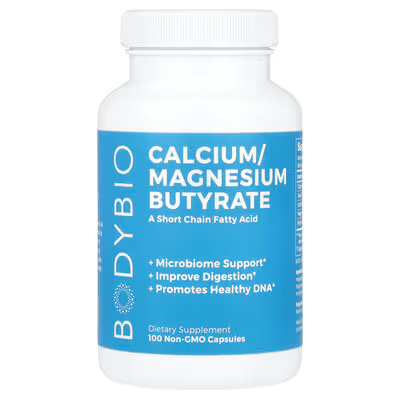
- What it is: Tributyrin formulated as calcium-magnesium butyrate. This complex survives stomach acid and releases butyrate directly in your colon where it's needed.
- Why it works: Delivers 600 mg of butyrate per serving in a form your body can actually use. Most butyrate supplements use sodium butyrate, which absorbs in your stomach before reaching colon cells. The calcium-magnesium complex releases 90% of its butyrate content in the lower intestine.
- What butyrate does: Serves as primary fuel for colonocytes (colon lining cells). Strengthens tight junctions between intestinal cells, reducing permeability by up to 70%. Activates anti-inflammatory pathways and suppresses pro-inflammatory cytokines.
- Clinical applications: Reduces markers of intestinal inflammation within four weeks. Improves symptoms in ulcerative colitis and Crohn's patients when used alongside standard treatment. Supports gut barrier repair in leaky gut syndrome.
- Best for: Anyone with diagnosed leaky gut or intestinal permeability issues. People with inflammatory bowel conditions. Immunocompromised individuals who can't take live probiotics safely. Those experiencing chronic low-grade inflammation.
- Dosage: Two capsules daily (600 mg total butyrate). Take with meals for best absorption. Results typically appear within 3-6 weeks.
- Safety profile: No live organisms means zero infection risk. Safe for cancer patients, people with central lines, and severely immunocompromised individuals where live probiotics pose danger.
BodyBio's formulation uses the calcium-magnesium complex instead of straight sodium butyrate. This matters because excess sodium affects blood pressure in sensitive individuals. The mineral complex avoids this issue while delivering superior colon-specific release.
→ Use iHerb Discount Code GIX3955 for 10% OFF storewide. Can be used my new and existing customers.
How to Use These Four Together
You don't need all four simultaneously unless recovering from severe gut damage.
For general maintenance:
- Prebiotic daily (Heather's Tummy Fiber): 5-10 grams
- Probiotic 2-3 times weekly (Probiotics Breakthrough): 40 billion CFU
Post-antibiotic recovery:
- Probiotic daily for 4 weeks (Probiotics Breakthrough): 40 billion CFU
- Synbiotic daily for 4 weeks (Cognibiotics): 10 billion CFU
- Prebiotic daily (Heather's Tummy Fiber): 10 grams
- Then transition to maintenance dosing
Leaky gut repair:
- Postbiotic daily (BodyBio Butyrate): 600 mg
- Prebiotic daily (Heather's Tummy Fiber): 10 grams
- Probiotic or synbiotic 3-4 times weekly
- Continue for 8-12 weeks minimum
IBS management:
- Synbiotic daily (Cognibiotics): provides both components IBS patients need
- Prebiotic daily at low dose (Heather's Tummy Fiber): start at 2.5 grams, increase slowly
- Add postbiotic if inflammation markers are elevated (BodyBio Butyrate): 600 mg
Timing matters: Take probiotics and synbiotics 30 minutes before meals when stomach acid is lowest. Take prebiotics with meals to slow transit time and reduce gas. Take postbiotics with food for better absorption.
Storage: Probiotics Breakthrough and Cognibiotics require refrigeration after opening. Heather's Tummy Fiber stays stable at room temperature. BodyBio Butyrate needs no special storage.
Cost reality: Quality supplements aren't cheap. Expect $40-60 monthly for one product at therapeutic doses. Generic drugstore probiotics under-dose CFU counts and skip strain verification, which is why they're $15.
The difference between working supplements and placebo pills is third-party testing, strain specificity, proper dosing, and delivery mechanisms that ensure survival to your colon. These four products meet all criteria.
Frequently Asked Questions
How to Start
- Begin with prebiotics. Increase your fiber intake gradually over two weeks. Target 25-35 grams daily [52]. Add one high-fiber food per day (beans, oats, garlic, onions, green bananas).
- Add fermented foods next. Eat one serving daily of yogurt, kefir, sauerkraut, kimchi, or miso. Start small if you're not used to fermented foods. Your taste preferences will adapt.
- Consider supplements only for specific issues. General wellness doesn't require them if your diet includes adequate fiber and fermented foods. But if you have IBS, recently took antibiotics, or travel frequently, targeted supplementation makes sense.
- Monitor your response. Track bowel movements, energy levels, and digestive comfort for two weeks. Your gut will signal what works. Regular bowel movements, reduced bloating, and stable energy indicate success.
Your gut functions as a metabolic organ that produces vitamins, neurotransmitters, and immune signals [53]. You just need to provide the raw materials through proper nutrition. The three biotics work together as stages in a single biological process, not as competing interventions.
Feed your microbiome. The harvest will follow.
CITATIONS
- [1] National Human Genome Research Institute - "The Human Microbiome" - 2023
- [2] World Health Organization - "Probiotics in Food: Health and Nutritional Properties" - 2006 - FAO/WHO Report
- [3] O'Toole PW, Marchesi JR, Hill C - "Next-generation probiotics: the spectrum from probiotics to live biotherapeutics" - Nature Microbiology - 2017 - DOI: 10.1038/nmicrobiol.2017.66
- [4] Szajewska H, Kołodziej M - "Systematic review with meta-analysis: Lactobacillus rhamnosus GG in the prevention of antibiotic-associated diarrhoea" - Alimentary Pharmacology & Therapeutics - 2015 - DOI: 10.1111/apt.13344
- [5] Turroni F, et al. - "Bifidobacteria and the infant gut: an example of co-evolution" - Nutrients - 2012 - DOI: 10.3390/nu4030457
- [6] Messaoudi M, et al. - "Assessment of psychotropic-like properties of a probiotic formulation" - British Journal of Nutrition - 2011 - DOI: 10.1017/S0007114510004319
- [7] McFarland LV - "Systematic review and meta-analysis of Saccharomyces boulardii in adult patients" - World Journal of Gastroenterology - 2010 - DOI: 10.3748/wjg.v16.i18.2202
- [8] Derrien M, et al. - "Akkermansia muciniphila and its role in regulating host functions" - Microbial Pathogenesis - 2017 - DOI: 10.1016/j.micpath.2016.02.005
- [9] Palleja A, et al. - "Recovery of gut microbiota of healthy adults following antibiotic exposure" - Nature Microbiology - 2018 - DOI: 10.1038/s41564-018-0257-9
- [10] Oak SJ, Jha R - "The effects of probiotics in lactose intolerance: A systematic review" - Critical Reviews in Food Science and Nutrition - 2019 - DOI: 10.1080/10408398.2018.1425977
- [11] Bermudez-Brito M, et al. - "Probiotic mechanisms of action" - Annals of Nutrition and Metabolism - 2012 - DOI: 10.1159/000342079
- [12] Wiertsema SP, et al. - "The Interplay between the Gut Microbiome and the Immune System" - Gut Microbes - 2021 - DOI: 10.1080/19490976.2021.1874024
- [13] Bourrie BC, et al. - "The Microbiota and Health Promoting Characteristics of the Fermented Beverage Kefir" - Frontiers in Microbiology - 2016 - DOI: 10.3389/fmicb.2016.00647
- [14] Chilton SN, et al. - "Inclusion of fermented foods in food guides around the world" - Nutrients - 2015 - DOI: 10.3390/nu7010390
- [15] Watanabe H - "Beneficial Biological Effects of Miso with Reference to Radiation Injury" - Journal of Toxicologic Pathology - 2013 - DOI: 10.1293/tox.2013-0018
- [16] Gibson GR, et al. - "Expert consensus document: The International Scientific Association for Probiotics and Prebiotics" - Nature Reviews Gastroenterology & Hepatology - 2017 - DOI: 10.1038/nrgastro.2017.75
- [17] Davani-Davari D, et al. - "Prebiotics: Definition, Types, Sources, Mechanisms, and Clinical Applications" - Foods - 2019 - DOI: 10.3390/foods8030092
- [18] Lozupone CA, et al. - "Diversity, stability and resilience of the human gut microbiota" - Nature - 2012 - DOI: 10.1038/nature11550
- [19] Micka A, et al. - "Effect of consumption of chicory inulin on bowel function" - British Journal of Nutrition - 2017 - DOI: 10.1017/S0007114516004554
- [20] Scholz-Ahrens KE, Schrezenmeir J - "Inulin and oligofructose and mineral metabolism" - Journal of Nutrition - 2007 - DOI: 10.1093/jn/137.11.2513S
- [21] Robertson MD, et al. - "Insulin-sensitizing effects of dietary resistant starch" - Proceedings of the Nutrition Society - 2003 - DOI: 10.1079/PNS2003286
- [22] Barclay T, et al. - "Inulin - a versatile polysaccharide with multiple pharmaceutical applications" - Journal of Excipients and Food Chemicals - 2010
- [23] Moshfegh AJ, et al. - "Presence of inulin and oligofructose in the diets" - Journal of Nutrition - 1999 - DOI: 10.1093/jn/129.7.1407S
- [24] Birt DF, et al. - "Resistant Starch: Promise for Improving Human Health" - Advances in Nutrition - 2013 - DOI: 10.3945/an.113.004325
- [25] Jayachandran M, et al. - "A critical review on the impacts of β-glucans on gut microbiota" - Nutrients - 2018 - DOI: 10.3390/nu10121530
- [26] Salminen S, et al. - "The International Scientific Association of Probiotics and Prebiotics (ISAPP) consensus statement on postbiotics" - Nature Reviews Gastroenterology & Hepatology - 2021 - DOI: 10.1038/s41575-021-00440-6
- [27] Donohoe DR, et al. - "The microbiome and butyrate regulate energy metabolism" - Cell Metabolism - 2011 - DOI: 10.1016/j.cmet.2011.08.018
- [28] Davie JR - "Inhibition of histone deacetylase activity by butyrate" - Journal of Nutrition - 2003 - DOI: 10.1093/jn/133.7.2485S
- [29] den Besten G, et al. - "The role of short-chain fatty acids in the interplay between diet, gut microbiota" - Journal of Lipid Research - 2013 - DOI: 10.1194/jlr.R036012
- [30] Zeuthen LH, et al. - "Lactobacillus acidophilus induces a slow but more sustained chemokine and cytokine response" - BMC Immunology - 2006 - DOI: 10.1186/1471-2172-7-21
- [31] Peng L, et al. - "Butyrate enhances the intestinal barrier" - Journal of Nutrition - 2009 - DOI: 10.3945/jn.108.103523
- [32] Vinolo MA, et al. - "Regulation of inflammation by short chain fatty acids" - Nutrients - 2011 - DOI: 10.3390/nu3100858
- [33] Kinross JM, et al. - "Gut microbiome-host interactions in health and disease" - Genome Medicine - 2011 - DOI: 10.1186/gm467
- [34] Taverniti V, Guglielmetti S - "Health-Promoting Properties of Lactobacillus helveticus" - Frontiers in Microbiology - 2012 - DOI: 10.3389/fmicb.2012.00392
- [35] Stilling RM, et al. - "The neuropharmacology of butyrate" - Neuropharmacology - 2016 - DOI: 10.1016/j.neuropharm.2015.09.002
- [36] Boyle RJ, et al. - "Probiotic use in clinical practice" - Gut - 2006 - DOI: 10.1136/gut.2006.093757
- [37] Sonnenburg ED, et al. - "Diet-induced extinctions in the gut microbiota compound over generations" - Nature - 2016 - DOI: 10.1038/nature16504
- [38] Goldenberg JZ, et al. - "Probiotics for the prevention of Clostridium difficile" - Cochrane Database of Systematic Reviews - 2017 - DOI: 10.1002/14651858.CD006095.pub4
- [39] Markowiak P, Śliżewska K - "Effects of Probiotics, Prebiotics, and Synbiotics on Human Health" - Nutrients - 2017 - DOI: 10.3390/nu9091021
- [40] Nielsen B, et al. - "Identification of lactic acid bacteria from traditional kefir" - Journal of Food Protection - 2014 - DOI: 10.4315/0362-028X.JFP-14-055
- [41] Whorwell PJ, et al. - "Efficacy of an encapsulated probiotic Bifidobacterium infantis 35624" - American Journal of Gastroenterology - 2006 - DOI: 10.1111/j.1572-0241.2006.00654.x
- [42] McFarland LV - "Meta-analysis of probiotics for the prevention of traveler's diarrhea" - Travel Medicine and Infectious Disease - 2007 - DOI: 10.1016/j.tmaid.2005.06.003
- [43] Hempel S, et al. - "Probiotics for the prevention and treatment of antibiotic-associated diarrhea" - JAMA - 2012 - DOI: 10.1001/jama.2012.2766
- [44] Ramirez J, et al. - "Antibiotics as Major Disruptors of Gut Microbiota" - Frontiers in Cellular and Infection Microbiology - 2020 - DOI: 10.3389/fcimb.2020.572912
- [45] Whelan K, Myers CE - "Safety of probiotics in patients receiving nutritional support" - American Journal of Clinical Nutrition - 2010 - DOI: 10.3945/ajcn.2009.28759B
- [46] Derrien M, van Hylckama Vlieg JE - "Fate, activity, and impact of ingested bacteria" - Trends in Microbiology - 2015 - DOI: 10.1016/j.tim.2015.03.002
- [47] Plovier H, et al. - "A purified membrane protein from Akkermansia muciniphila" - Nature Medicine - 2017 - DOI: 10.1038/nm.4236
- [48] Aguilar-Toalá JE, et al. - "Postbiotics: An evolving term within the functional foods field" - Trends in Food Science & Technology - 2018 - DOI: 10.1016/j.tifs.2018.07.009
- [49] Williams NT - "Probiotics" - American Journal of Health-System Pharmacy - 2010 - DOI: 10.2146/ajhp090168
- [50] Cohen PA - "Probiotic Safety" - JAMA Internal Medicine - 2018 - DOI: 10.1001/jamainternmed.2018.5403
- [51] Govender M, et al. - "A review of the advancements in probiotic delivery" - Probiotics and Antimicrobial Proteins - 2014 - DOI: 10.1007/s12602-013-9147-y
- [52] Institute of Medicine - "Dietary Reference Intakes for Energy, Carbohydrate, Fiber" - National Academies Press - 2005
- [53] Cryan JF, et al. - "The Microbiota-Gut-Brain Axis" - Physiological Reviews - 2019 - DOI: 10.1152/physrev.00018.2018