Hippophae Health Benefits: The Science of Sea Buckthorn for Skin, Heart & Immunity
Master the difference between seed and fruit oil to access the true therapeutic potential of the "Holy Fruit of the Himalayas."

You know those plants that somehow thrive in places where nothing else will grow? Hippophae rhamnoides – better known as sea buckthorn – is one of them.
This scrappy deciduous shrub survives Himalayan winters, European mountainsides, and Tibetan plateaus where temperatures plummet and oxygen thins. The plant has adapted to harsh conditions at high altitudes across Europe and Asia [1], and that survival instinct translates into a nutrient profile that puts most “superfoods” to shame.
But most people get sea buckthorn wrong. They chase the vitamin C content – yes, it contains about 14 times more vitamin C than oranges [1] – and miss the real story.
The true therapeutic power of Hippophae lies in a rare fatty acid called palmitoleic acid (Omega-7) and the synergy of over 190 bioactive nutrients working together [2].
This guide will show you:
- The critical difference between seed oil and fruit oil (most companies don’t tell you this)
- How Omega-7 repairs your body’s mucous membranes from the inside out
- Clinical dosing protocols for dry eyes, skin issues, and heart health
- How to avoid wasting money on low-quality products
Think you’re about to take the same supplement? Think again. Not all sea buckthorn oils are created equal, and choosing the wrong one means zero results.
What Makes Hippophae Unique?
The Omega-7 Powerhouse
Palmitoleic acid = Omega-7 fatty acid = the rarest and most underrated fat in nutrition.
Palmitoleic acid is a monounsaturated fatty acid that acts as a lipokine, modulating metabolic processes throughout the body’s tissues [3].
Sea buckthorn contains the highest concentration of Omega-7 in the plant kingdom [4], far surpassing macadamia nuts or any other botanical source.
What does Omega-7 actually do? It sends repair signals to your epithelial cells – the cells lining your skin, eyes, mouth, and mucous membranes.
When these tissues dry out or become inflamed, Omega-7 tells them to regenerate. Research shows palmitoleic acid enhances glucose disposal, reduces hepatic steatosis in diabetic animals, and attenuates insulin resistance [5].
This fatty acid is not abundant in the typical Western diet. You get tiny amounts from certain fish and macadamia nuts. Sea buckthorn seed oil contains high levels of Omega-3 and Omega-6 fatty acids, while pulp oils are rich in Omega-7 [3].
That distinction matters – keep reading.
The “Master” Vitamin Profile
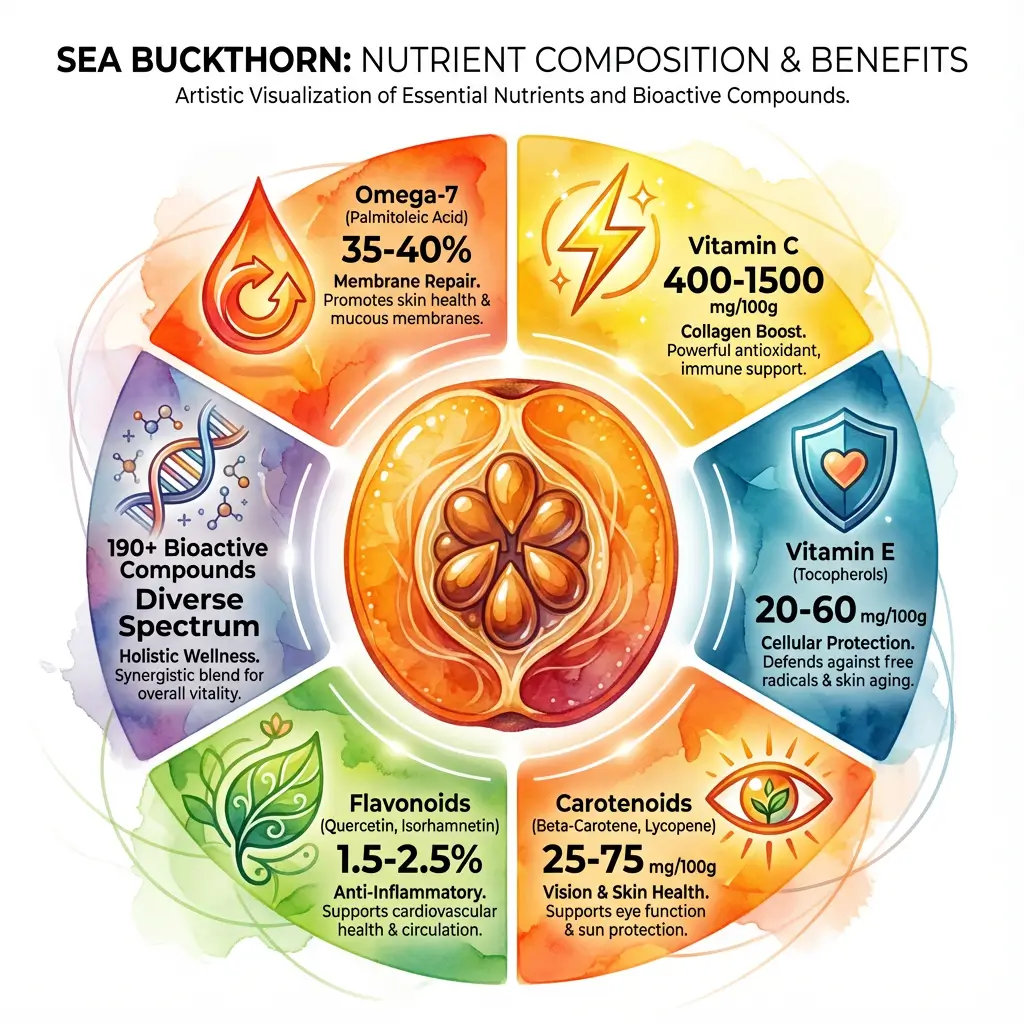
- Vitamin C: Sea buckthorn fruit provides 400-600 mg of vitamin C per 100 grams [6]. For context, an orange gives you about 53 mg per 100 grams. That’s 10-15x more. Vitamin C drives collagen synthesis, supports immune function, and acts as a potent antioxidant.
- Vitamin E (Tocopherols) & Vitamin A (Carotenoids): The plant contains phytosterols, palmitic acid, oleic acid, linoleic acid, and high levels of carotenoids [7]. Carotenoids in concentrations of 1-2.5% provide powerful brightening benefits and combat free radicals [8]. These fat-soluble vitamins protect cell membranes from oxidative damage and support skin barrier integrity.
Flavonoids & Phenolics
Hippophae contains flavonoids, minerals, monosaccharides, amino acids, and polyphenolic compounds [6]. Quercetin and kaempferol – two key flavonoids – reduce inflammatory cytokines and modulate immune responses. They’re the reason sea buckthorn shows promise for conditions driven by chronic inflammation.
Critical Distinction: Fruit Oil vs. Seed Oil
Now you understand the building blocks. But location matters. The nutrients concentrate differently depending on whether you’re using seed oil or fruit oil. This distinction separates effective supplementation from wasted money.
This section is worth your full attention. Most supplement companies blur the lines between these two oils, hoping you won’t notice.
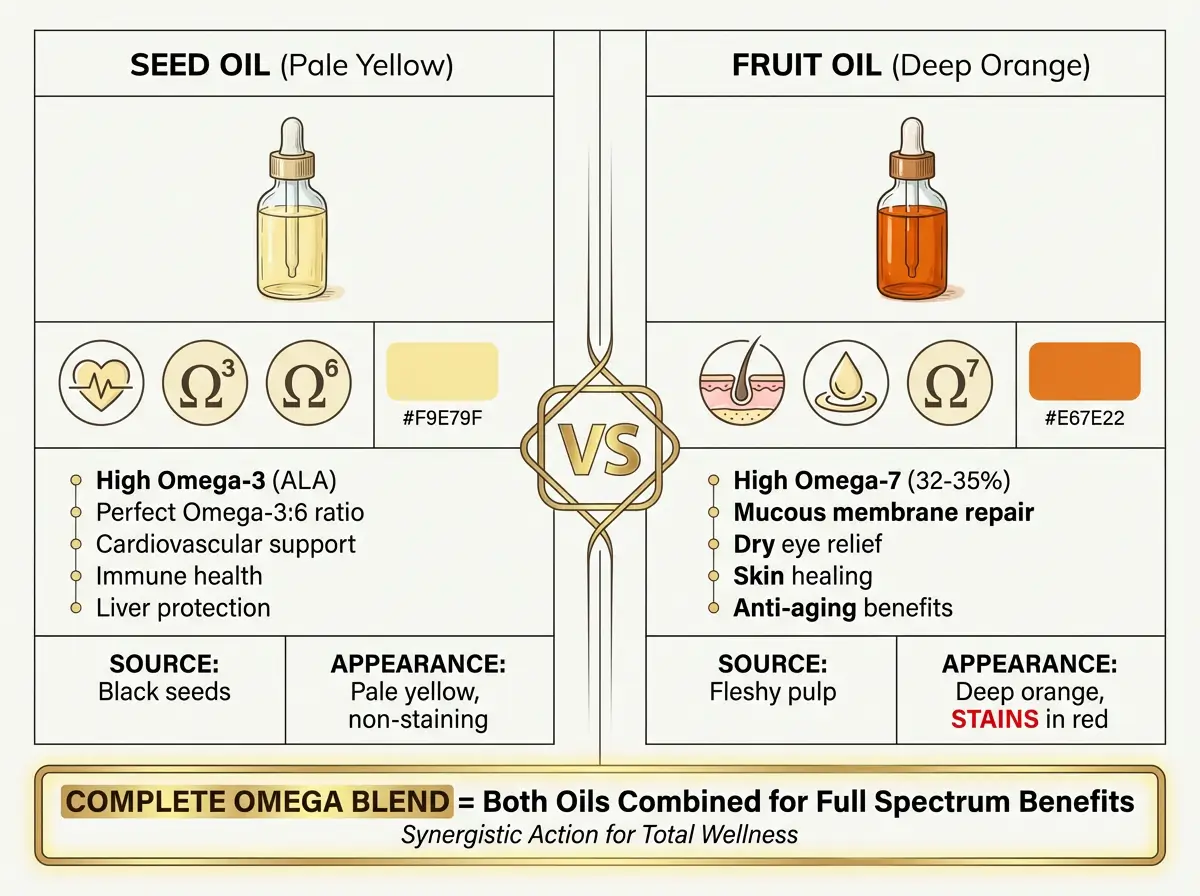
Sea Buckthorn Fruit Oil (Berry Oil)
Source: Extracted from the fleshy orange pulp surrounding the seed.
Key Nutrient: Berry oil contains more than 32% palmitoleic acid (Omega-7)[9]. Some high-quality sources reach up to 35% Omega-7 content.
Best For:
- Skin repair and anti-aging
- Mucous membrane health (dry eyes, vaginal dryness, dry mouth)
- Gastric ulcers and esophageal irritation
- Wound healing and burns
Appearance: Deep red-orange color. It WILL stain your skin and clothes.
Sea Buckthorn Seed Oil
Source: Extracted from the tiny black seeds inside the berry[6].
Key Nutrient: Seed oil increases alpha-linolenic acid (Omega-3) and eicosapentaenoic acids in plasma phospholipids[6]. The Omega-3 to Omega-6 ratio sits near 1:1—an ideal balance rarely found in nature.
Best For:
- Cardiovascular health and cholesterol management
- Immune support and anti-inflammatory effects
- Liver protection and fatty liver prevention
- Systemic inflammation reduction
Appearance: Pale yellow to light orange. Much lighter in color than fruit oil.
When to Use a Complete Omega Blend (Fruit + Seed)
If you want the full spectrum – Omega-3, 6, 7, and 9 – you need a blend of both oils. This gives you:
- The mucous membrane repair from Omega-7 (fruit oil)
- The cardiovascular and immune benefits from Omega-3/6 (seed oil)
- Synergistic antioxidant protection from both
Products that blend seed and fruit oil give you a “complete omega” profile. More on specific product recommendations later.
Now that you know what you’re actually buying, let’s look at what these oils do inside your body.
Top Evidence-Based Hippophae Rhamnoides Health Benefits
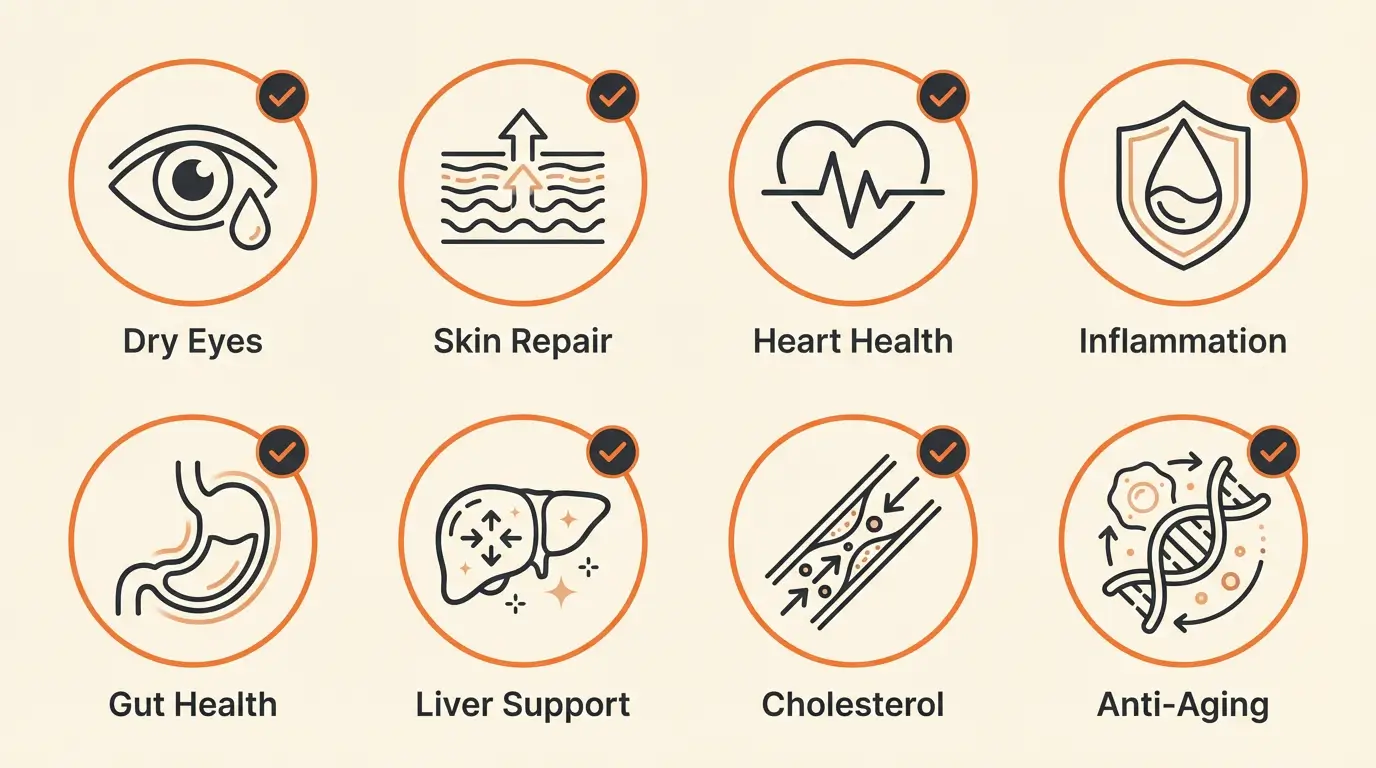
Your body has mucous membranes everywhere – lining your eyes, mouth, digestive tract, and reproductive organs. When these tissues lose moisture, you experience dryness, irritation, and inflammation. Omega-7 strengthens gastrointestinal mucosal barriers, reduces discomfort, and promotes healing [2].
Palmitoleic acid works by:
- Incorporating into cell membrane phospholipids
- Signaling epithelial cells to produce natural lubricants
- Reducing inflammatory mediators that damage tissues
1. Dry Eyes (Sjogren’s Syndrome)
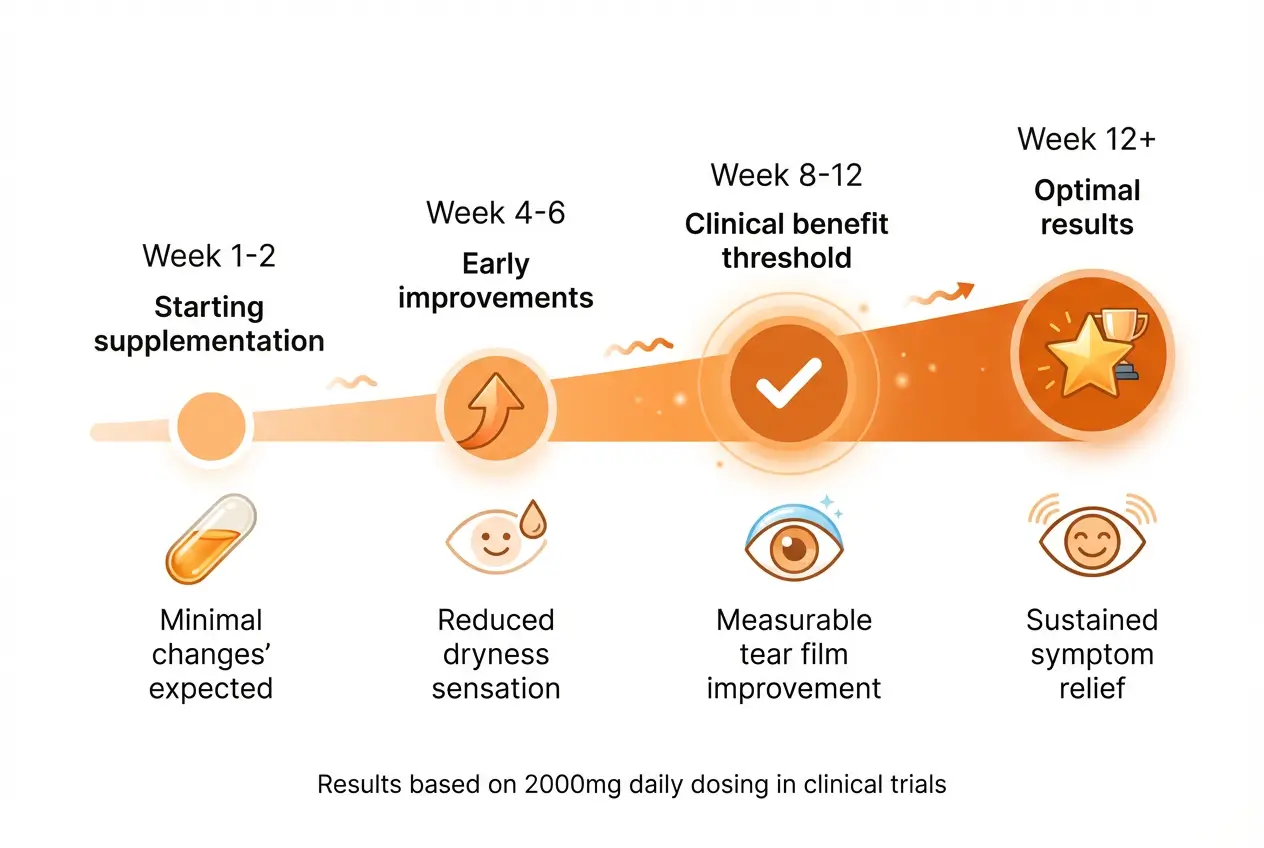
In a double-blind, randomized trial of 100 participants, consuming 2 grams of sea buckthorn oil daily for 3 months significantly reduced tear film osmolarity increases during cold season [10].
Results from a trial with Sjogren’s syndrome patients indicated alleviation of experienced dryness of the eyes [11].
“But how long before I see results?”
Most clinical studies show improvement within 4-12 weeks of consistent use. The study showed positive effects on osmolarity and symptoms of dry eye including burning and redness [12].
2. Vaginal Dryness (Post-Menopausal)
In a placebo-controlled study, there was a significantly better rate of improvement in the integrity of vaginal epithelium in the sea buckthorn group [13].
The mucous membranes of the reproductive tract respond to Omega-7 supplementation with improved hydration and reduced discomfort.
3. Acne & Rosacea
Sea buckthorn oil exhibits anti-inflammatory and antimicrobial properties, targeting pathogens like Staphylococcus aureus and Propionibacterium acnes [8].
The lipid profile regulates sebum production without clogging pores (comedogenic rating of 0-1 on a 0-5 scale). The high omega-3 content provides powerful anti-inflammatory benefits, making it ideal for inflammatory conditions like eczema, acne, and rosacea [14].
4. Wound Healing & Burns
Sea buckthorn promotes epidermal regeneration, maintains moisture, and aids in burn recovery by enhancing tissue repair [8].
Studies show that skin with third-degree burns healed much better when sea buckthorn oil was applied, proving just as effective as silver sulfadiazine without side effects [15].
5. Anti-Aging
The combination of tocopherols, carotenoids, and flavonoids supports collagen synthesis and defends against UV and oxidative damage [14].
Sea buckthorn oil increases collagen production, reduces fine lines and wrinkles, and helps repair sun-damaged skin [16].
6. Cholesterol Management
A clinical study of 19 women consuming 50 mL of sea buckthorn juice daily for 8 weeks showed significant decreases in LDL cholesterol and increases in HDL cholesterol [17].
A meta-analysis of 11 independent RCTs found that supplementation significantly reduced total cholesterol by 0.63 mmol/L, triglycerides by 0.46 mmol/L, and LDL cholesterol by 0.62 mmol/L in subjects with cardiovascular risks [18].
The mechanism? Phytosterols in sea buckthorn block cholesterol absorption in the intestines [6]. Beta-sitosterol – a plant sterol abundant in sea buckthorn – competes with dietary cholesterol for absorption, reducing circulating LDL levels.
7. Blood Sugar Regulation
Palmitoleic acid enhances whole-body glucose disposal in rodents and improves insulin function [5]. Supplementation with sea buckthorn seed oil at 0.75 mL daily for 30 days normalized blood pressure in hypertensive subjects and reduced cholesterol and triglycerides in hypercholesterolemic subjects [19].
8. C-Reactive Protein (CRP)
CRP = a biomarker of systemic inflammation linked to heart disease, diabetes, and autoimmune conditions.
After 8 weeks of sea buckthorn juice consumption, researchers observed a significant decrease in C-reactive protein [17].
A 12-week randomized trial showed a moderate decrease in high-sensitivity CRP concentrations in the palmitoleic acid group compared to placebo. [20]
9. Ulcer Repair
Sea buckthorn oil has been traditionally used to improve blood pressure and lipids, prevent cardiovascular symptoms, and reduce free radicals to prevent atheroma [6].
Oral application is adjuvant in the treatment of gastric, duodenal, and intestinal ulcers by reducing inflammation processes [1].
The oil coats the stomach lining, reduces oxidative stress, and accelerates epithelial regeneration. This makes it useful for gastritis, GERD, and esophageal irritation caused by acid reflux.
10. Hepatoprotection
In a study of 50 cirrhotic patients, those given 15 grams of sea buckthorn extract three times daily for six months showed decreased values of laminin, hyaluronic acid, collagen III and IV, and total bile acids compared to the control group [6].
11. Fatty Liver
Research supports palmitoleic acid’s ability to attenuate hepatic steatosis in high-fat-fed and diabetic animals [5]. The healthy fats in sea buckthorn seed oil protect hepatocytes from alcohol, aflatoxins, and other toxins while preventing fat accumulation.
How to Use Hippophae: Dosage & Protocols
You’ve seen what Hippophae can do. Now let’s talk about how to actually use it.
Oral Supplementation
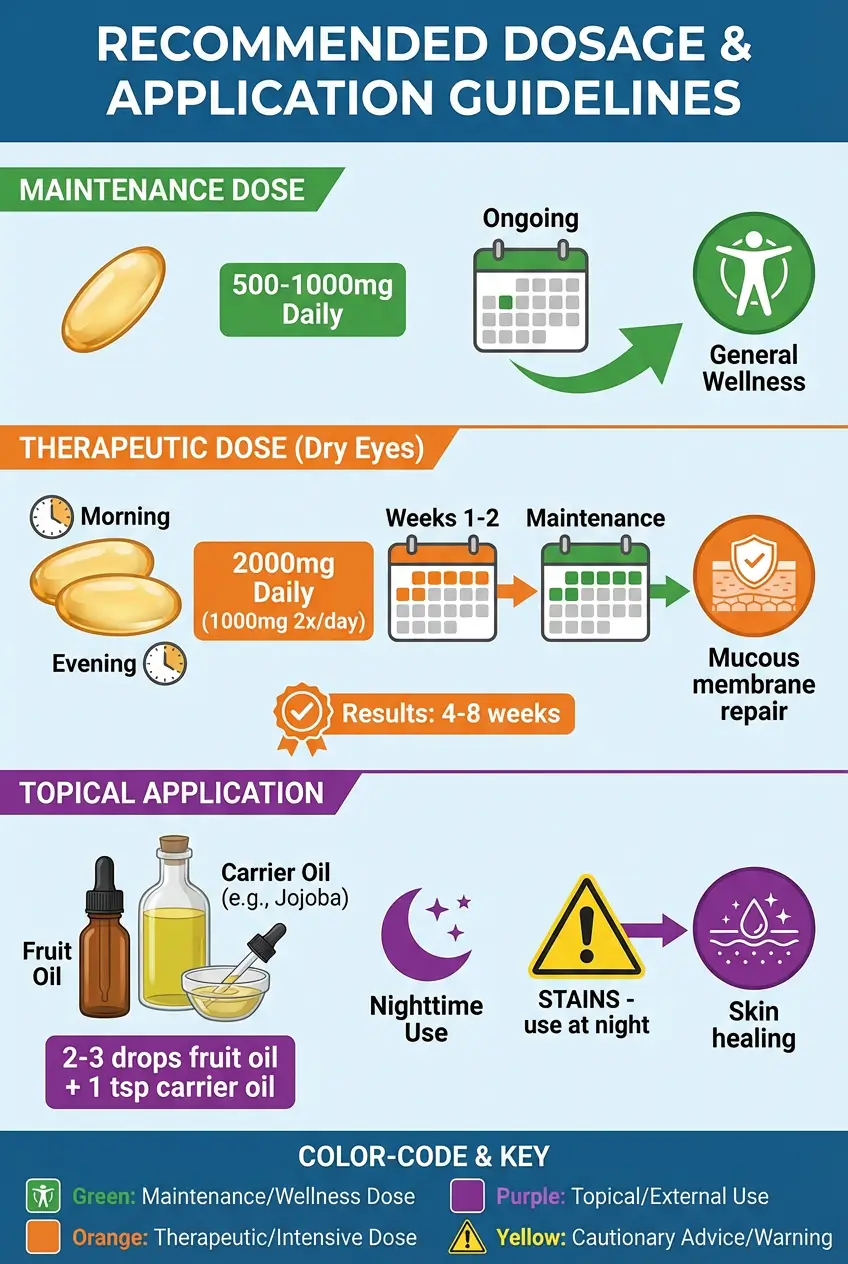
Standard Dosage: 500mg–1000mg daily (look for products standardized to Omega-7 content).
For Dry Eyes/Mucous Membrane Dryness:
The clinical study used 2 grams per day of sea buckthorn oil for 3 months [12]. Most practitioners recommend:
- Week 1-2: 2 capsules (1000mg) twice daily
- Maintenance: 2 capsules (1000mg) once daily
Results typically appear within 4-8 weeks. If you stop taking it, symptoms may return.
For Cardiovascular Support:
Studies used 0.75 mL of seed oil daily for 30 days[19]. Most softgels contain 500mg per capsule, so 2-4 capsules daily covers therapeutic ranges.
Topical Application
The “Stain” Warning:
Sea buckthorn fruit oil has a deep orange color from its carotenoid content. If you apply it directly to your face, you WILL turn orange. Here’s how to avoid that:
- Mix 2-3 drops of sea buckthorn fruit oil with 1 teaspoon of carrier oil (jojoba, squalane, rosehip)
- Apply at night so the color fades by morning
- Use a dark-colored pillowcase if you’re prone to staining
Night Routine Protocol:
- Cleanse face
- Apply hydrating toner
- Mix sea buckthorn blend
- Apply to face and neck
- Follow with moisturizer if needed
Sea buckthorn oil applied topically helps ease acne, dermatitis, rosacea, eczema, and heals cuts, surgical scars, rashes, and minor burns including sunburn and radiation treatment burns[21].
Juice & Tea
Juice:
Pros: You get the water-soluble vitamin C and the whole food matrix.
Cons: High natural sugar content (tartness often masked with sweeteners), less concentrated than oil.
Clinical studies used 50 mL of 100% sea buckthorn juice daily for 8 weeks[17].
Tea (Leaves):
Sea buckthorn leaf tea provides gentle antioxidant support. It’s caffeine-free and milder than the berry juice. Use it for maintenance rather than therapeutic intervention.
Now for the safety profile. What you need to know before starting.
Safety, Side Effects & Contraindications
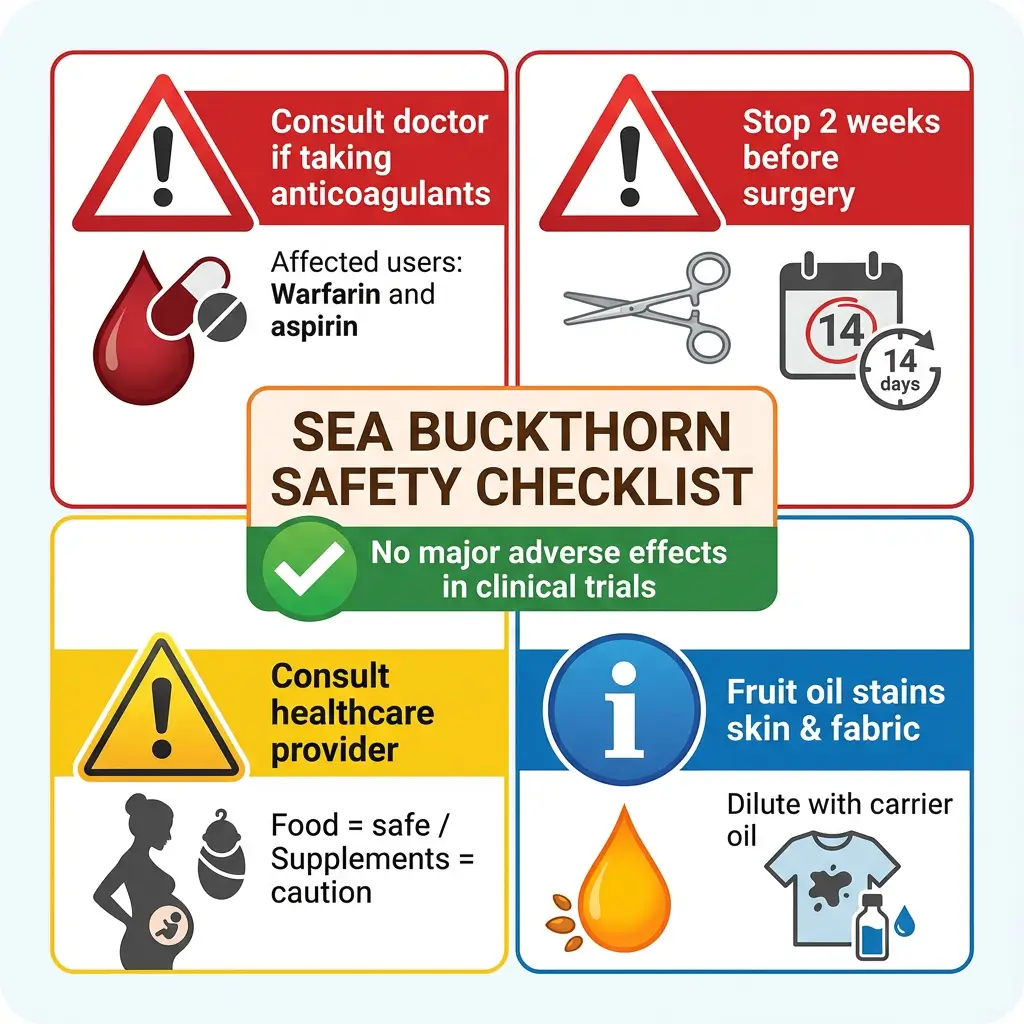
- Blood Thinning: Sea buckthorn berry oil inhibits platelet aggregation [6]. If you’re taking warfarin, aspirin, or other anticoagulants, consult your doctor before supplementing. The anti-platelet activity could amplify bleeding risk.
- Surgery: Stop sea buckthorn supplementation 2 weeks before any scheduled surgery. The anticoagulant effects could complicate clotting during and after procedures.
- Pregnancy/Breastfeeding: As a traditional food, sea buckthorn is generally considered safe, but caution is advised with concentrated supplements during pregnancy [6]. Always consult your healthcare provider.
- Staining: This is not a “side effect” in the medical sense, but it’s real. The carotenoid pigments in fruit oil will stain skin, clothing, and countertops. Handle with care.
No significant adverse effects have been reported in clinical trials. No significant adverse effects have been reported for Omega-7 fatty acids [22].
Buying Guide: Quality Markers
Extraction Method
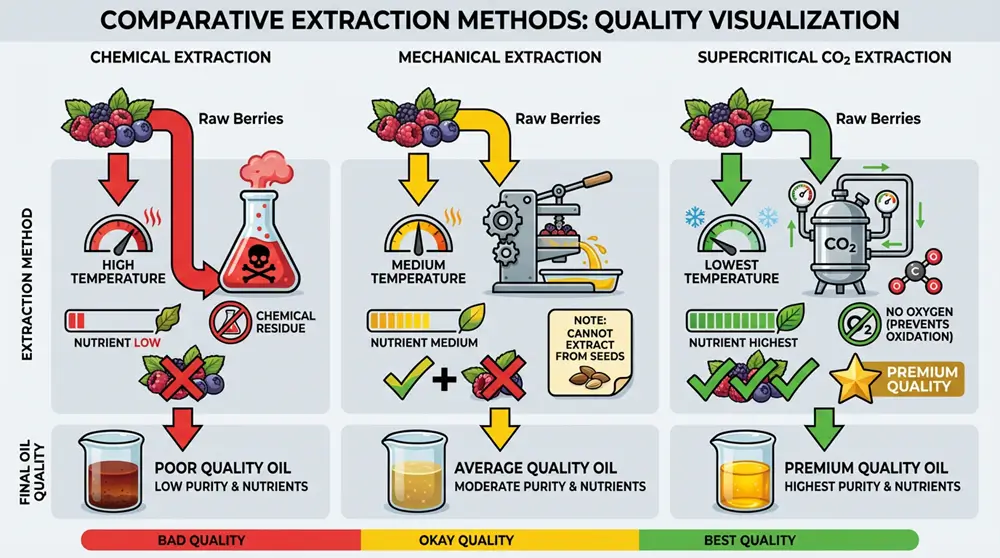
Supercritical CO2 Extraction = Non-negotiable.
CO2 supercritical extraction preserves the Omega-7 content and ensures the oils are shelf stable, while other methods damage complex nutrition and leave oils at risk of becoming rancid [23].
This method uses the lowest temperature of any extraction process—even lower than cold pressing—and leaves no oxygen, meaning no risk of oxidation [24].
Cold pressing cannot extract oil from sea buckthorn seeds. The seeds are too small. Hexane solvent extraction leaves chemical residues and destroys heat-sensitive nutrients.
Red flag: If a product doesn’t specify CO2 extraction, assume it’s inferior quality.
Origin
Himalayan vs. European vs. Chinese:
Sea buckthorn grown at high altitudes in its native Himalayan environment produces the richest oils with the highest nutrient content[23]. Tibetan Plateau sources consistently show superior Omega-7 concentrations.
European varieties (H. rhamnoides subsp. rhamnoides) are also high-quality but may have slightly lower palmitoleic acid levels.
Label Check
Verify the label specifies:
- Seed oil, fruit oil, or a blend
- Percentage of Omega-7 (look for 30%+ in fruit oil)
- Organic certification (USDA Organic)
- CO2 extraction method
- No filler oils (some brands dilute with cheaper oils)
Some products labeled as pure sea buckthorn oil contain no sea buckthorn at all – counterfeit oils are pale and dingy compared to vibrant, authentic sea buckthorn oil [25].
Trusted Brands & Products
These recommendations are based on CO2 extraction quality, sourcing transparency, and clinical potency. No company paid for placement.
Best Overall: SeabuckWonders Omega-7 Complete

- MADE WITH PURE USDA-Certified Organic sea buckthorn oil. We harvest berries from our own organic farm located on the pri…
- THE WAY NATURE INTENDED. Sea buckthorn berry oil is the best source for omega 7. It has the highest concentration of ome…
- SUPPORTS skin, immunity, digestive and liver health, and dry cell conditions.

- Why: This blend combines organic sea buckthorn seed and berry oil, giving you all the benefits – Omega-3, 6, 7, and 9—in one softgel [26]. SeabuckWonders harvests berries from their private organic farm on the Tibetan Plateau, overseeing every step from seed to shelf [23].
- Omega-7 Content: Berry oil contains more than 32% palmitoleic acid [9].
- Dosage: 2-4 softgels daily (500mg per softgel).
- Best For: Anyone who wants systemic benefits – skin, heart, eyes, and mucous membranes.
Best for Sjogren’s/Dryness: SIBU Omega-7 Support

- EXCLUSIVE HIMALAYAN SOURCE – Sibu’s Organic Sea Buckthorn Oil (Sea Berry oil) is exclusively harvested by indigenous peo…
- 365mg OMEGA 7 – Sibu’s sea buckthorn superfruit supplement guarantees 365mg Omega-7 and is loaded with Omega 3, 6, and 9…
- SEA BUCKTHORN BENEFITS – Sea Buckthorn oil is the richest source of Omega-7 in nature, which is a key building block for…
- Why: SIBU focuses exclusively on the Turkestanica berry variety, which has the highest natural concentration of Omega-7 and is sourced through fair-trade agreements with indigenous harvesters in the Himalayas [27][28].
- Omega 7 Content: SIBU guarantees 365mg of Omega-7 per serving and uses supercritical CO2 extraction [29].
- Dosage: 2 softgels daily.
- Best For: Targeted mucous membrane repair—dry eyes, vaginal dryness, dry mouth.
Best Topical Skincare: US Organic 100% Organic Sea Buckthorn Oil
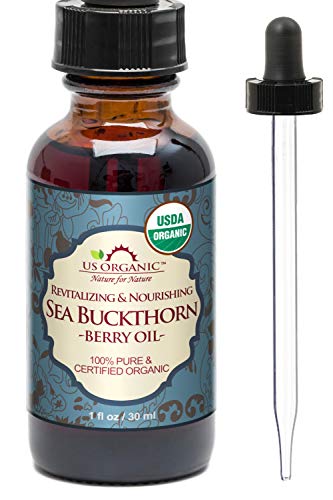
- Sea Buckthorn Tree is widely known as Vitamin Tree and its berries contain 200~800 times more of Vitamin C than Apples, …
- Rich in fatty acids, amino acids, vitamins and minerals, it is an excellent moisturizer for skin & scalp and promotes fa…
- Seabuckthorn Berry (fruit) oil is produced from the fruit of the Hippophae rhamnoides shrub. This ancient fruit contains…
Budget Option: The Ordinary offers pure sea buckthorn fruit oil at an accessible price point. It’s organic, cold-pressed, and contains high carotenoid levels.
Application: Mix 2-3 drops with your regular facial oil or moisturizer. Apply at night.
Warning: This WILL stain. Do not apply undiluted.
The Functional Future of Hippophae
Sea buckthorn is not a vitamin supplement. It’s a structural repair tool for your body’s linings and membranes. The Omega-7 fatty acid profile addresses dryness at the cellular level, the flavonoids modulate inflammation, and the vitamin content supports antioxidant defense systems.
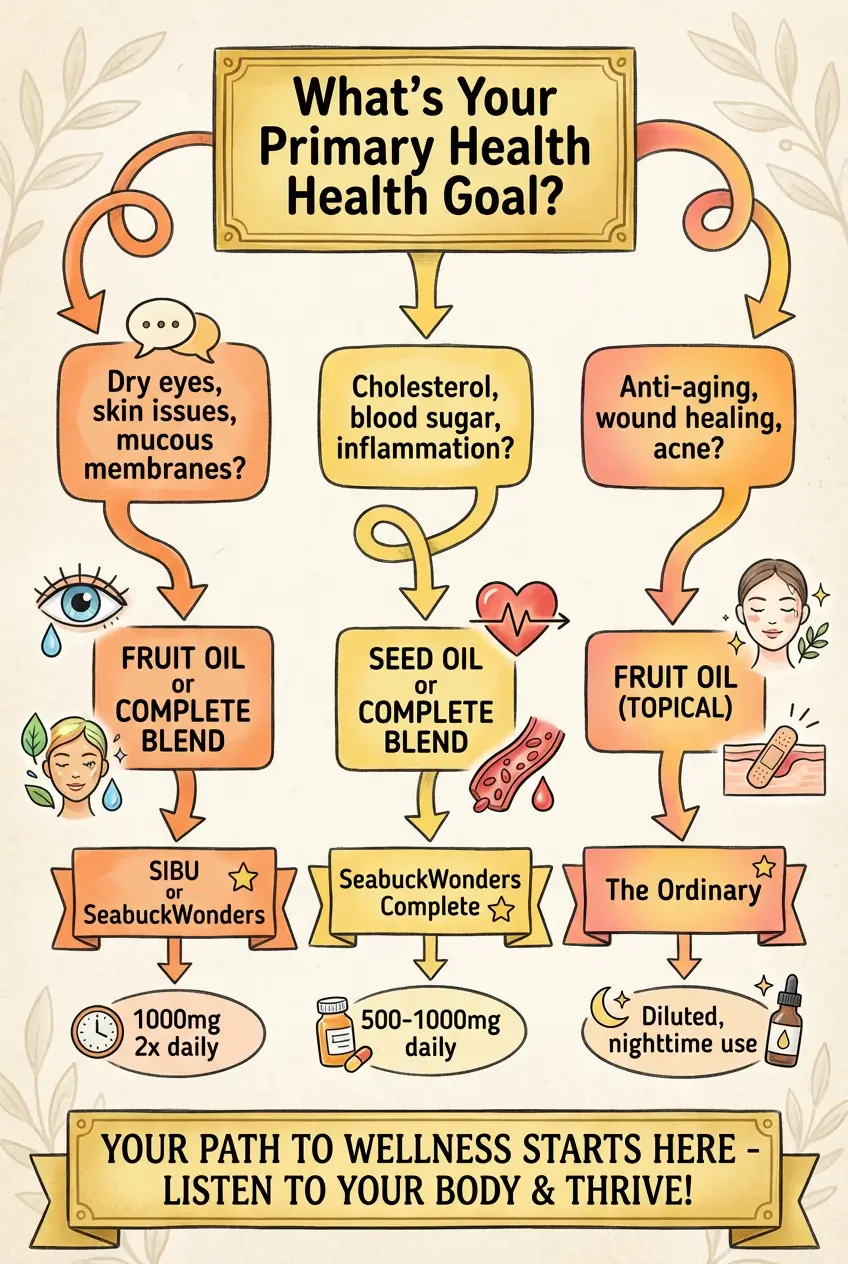
The key is specificity: seed oil for heart and immune health, fruit oil for skin and mucous membranes, or a complete blend for systemic coverage.
Your next step? Identify your primary need:
- Dry eyes, mouth, or vaginal tissue? → Fruit oil or complete blend
- Cardiovascular risk factors? → Seed oil or complete blend
- Skin healing and anti-aging? → Fruit oil (topical and internal)
Choose a product with verified CO2 extraction, Himalayan sourcing, and transparent labeling. Then commit to 8-12 weeks of consistent use before assessing results.
You now understand more about Hippophae than 99% of people buying “sea buckthorn supplements.” Use that knowledge wisely.
FAQ Section
References
- [1] Cell. Mol. Biomed. Rep. – “Therapeutic potential of Seabuckthorn (Hippophae rhamnoides)” – 2022
- [2] Puredia – “Omega 7 and Mucous Membrane Health: Enhancing Wellness through Barrier Integrity” – June 3, 2025
- [3] Lipids in Health and Disease – “The impact of sea buckthorn oil fatty acids on human health” – June 22, 2019
- [4] PMC – “The impact of sea buckthorn oil fatty acids on human health” – 2019
- [5] Nutritional Outlook – “Omega-7 Fatty Acid Anti-Inflammatory, Metabolic-Health Benefits Explored in Newly Published Review” – November 26, 2025
- [6] Food and Nutrition Journal – “Hippophae rhamnoides: safety and nutrition” – August 17, 2015
- [7] PMC – “Pharmacological Potential of Hippophae rhamnoides L. Nano-Emulsion for Management of Polycystic Ovarian Syndrome” – 2023
- [8] Kansas City Digital Commons – “Use of Sea Buckthorn Oil in the Treatment of Skin Disease” – 2025
- [9] iHerb – “SeaBuckWonders, Sea Buckthorn Oil Blend, Omega-7 Complete” – Product Information
- [10] PubMed – “Oral sea buckthorn oil attenuates tear film osmolarity and symptoms in individuals with dry eye” – August 2010
- [11] ScienceDirect – “Sea Buckthorn, Dry Eye, and Vision” – April 15, 2014
- [12] Dr. Tori Hudson, N.D. – “Oral sea buckthorn oil and dry eye syndrome” – Clinical Commentary
- [13] ResearchGate – “Sea buckthorn oils, mucous membranes and Sjögren’s syndrome with special reference to latest studies” – January 2008
- [14] Nature Coast Apothecary – “Sea Buckthorn Oil Benefits: Omega-Rich Healing, Barrier Repair & Brightening” – 2025
- [15] Sibu Seaberry – “How to Heal Your Skin Faster With Sea Buckthorn” – May 12, 2019
- [16] CLEARSTEM – “Omega-7 in Sea Buckthorn Oil Skin Benefits” – February 19, 2025
- [17] PubMed – “Benefits of sea buckthorn juice consumption in women of productive age with hypercholesterolemia” – 2023
- [18] ScienceDirect – “Effect of sea buckthorn (Hippophae rhamnoides L.) on blood lipid profiles: A systematic review and meta-analysis from 11 independent randomized controlled trials” – December 28, 2016
- [19] PubMed – “Effect of seabuckthorn seed oil in reducing cardiovascular risk factors: A longitudinal controlled trial on hypertensive subjects” – 2016
- [20] ScienceDirect – “Effects of a Palmitoleic Acid Concentrated Oil on C-Reactive Protein Levels in Adults: A Randomized Double-Blind Placebo Controlled Clinical Trial” – May 31, 2025
- [21] Chagrin Valley Soap & Salve – “Sea Buckthorn Oil: Skin Care Benefits” – April 2, 2025
- [22] ResearchGate – “Fact Sheet on Palmitoleic Acid (Omega-7)” – July 17, 2015
- [23] SeabuckWonders – “Supplement Quality: How we Make Premium Sea Buckthorn Oils” – June 5, 2017
- [24] SeabuckWonders – “Best Omega 7 Sources and Extraction Process Explained” – May 3, 2017
- [25] SeabuckWonders – “Why We’re Better: Sea Buckthorn Oil” – May 3, 2017
- [26] SeabuckWonders – “Omega-7 Complete – Pure Sea Buckthorn Oil” – Product Page
- [27] Sibu Seaberry – “Sea Buckthorn Softgels | Omega 7 Supplement” – Product Page
- [28] VictoriaHealth – “Sibu Omega 7 Sea Buckthorn Oil” – Product Information
- [29] Amazon – “sibu Sea Buckthorn Omega-7 Softgels” – Product Information