
10 Surprising Carob Health Benefits You Need to Know About
Unlock the nutritional powerhouse of this ancient superfood and discover how it can benefit your health, from improving digestion to supporting your heart.
You’ve probably seen carob chips at the grocery store or noticed carob powder tucked away on health food shelves. Maybe you dismissed it as just another chocolate substitute for people who can’t eat the real thing.
That’s where most people get it wrong.
Carob stands on its own as a nutrient-dense food with serious health benefits that have nothing to do with chocolate. This naturally sweet pod from the Mediterranean has supported human health for over 4,000 years. Historical records suggest ancient Egyptians and Greeks used carob extensively, with singers consuming it to soothe their throats.[1]
Today, science backs up what traditional cultures knew all along.
Let me show you why carob deserves a permanent spot in your kitchen.
What Exactly is Carob?
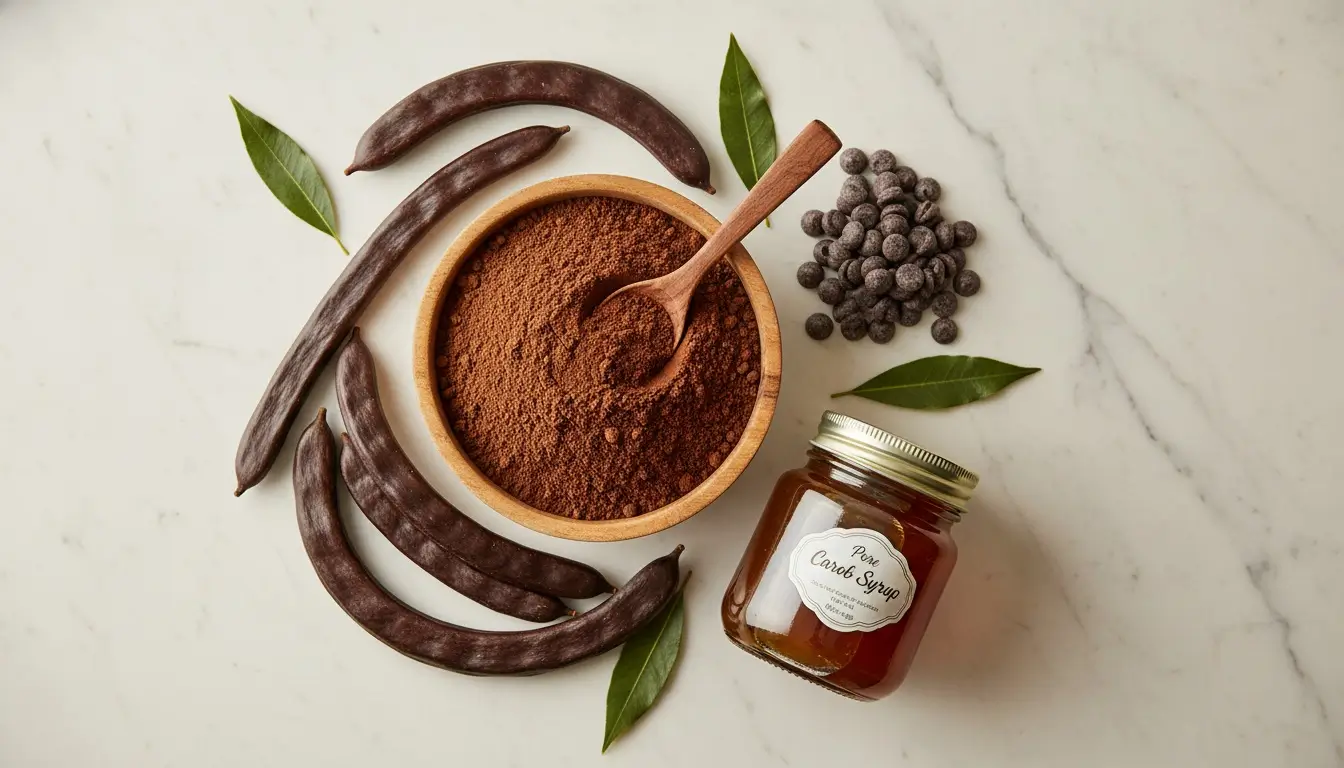
Carob comes from the pods of the carob tree (Ceratonia siliqua), an evergreen that thrives in Mediterranean climates. The tree produces long, dark brown pods filled with sweet pulp and hard seeds. After harvesting, producers dry and roast the pods, then grind them into powder or process them into chips and syrup.

The carob tree has fed humans since ancient times. Romans carried carob pods as portable snacks. The word “carat” (the unit for weighing gems) comes from carob seeds because they were so uniform in weight that jewelers used them as natural measuring tools. [1]
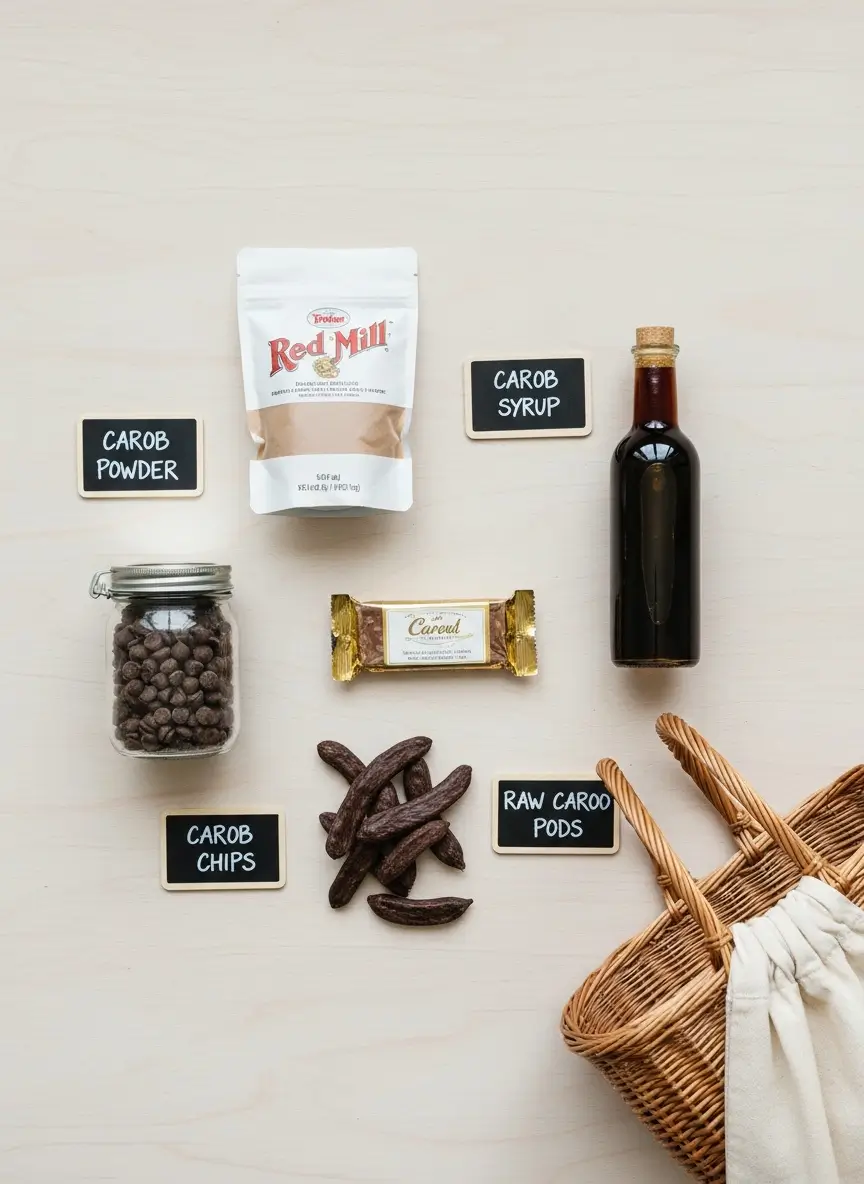
Today, you’ll find carob in three main forms:
- Carob powder (roasted or raw)
- Carob chips (similar to chocolate chips)
- Carob syrup (a thick, sweet liquid)
A Nutritional Powerhouse: The Impressive Profile of Carob
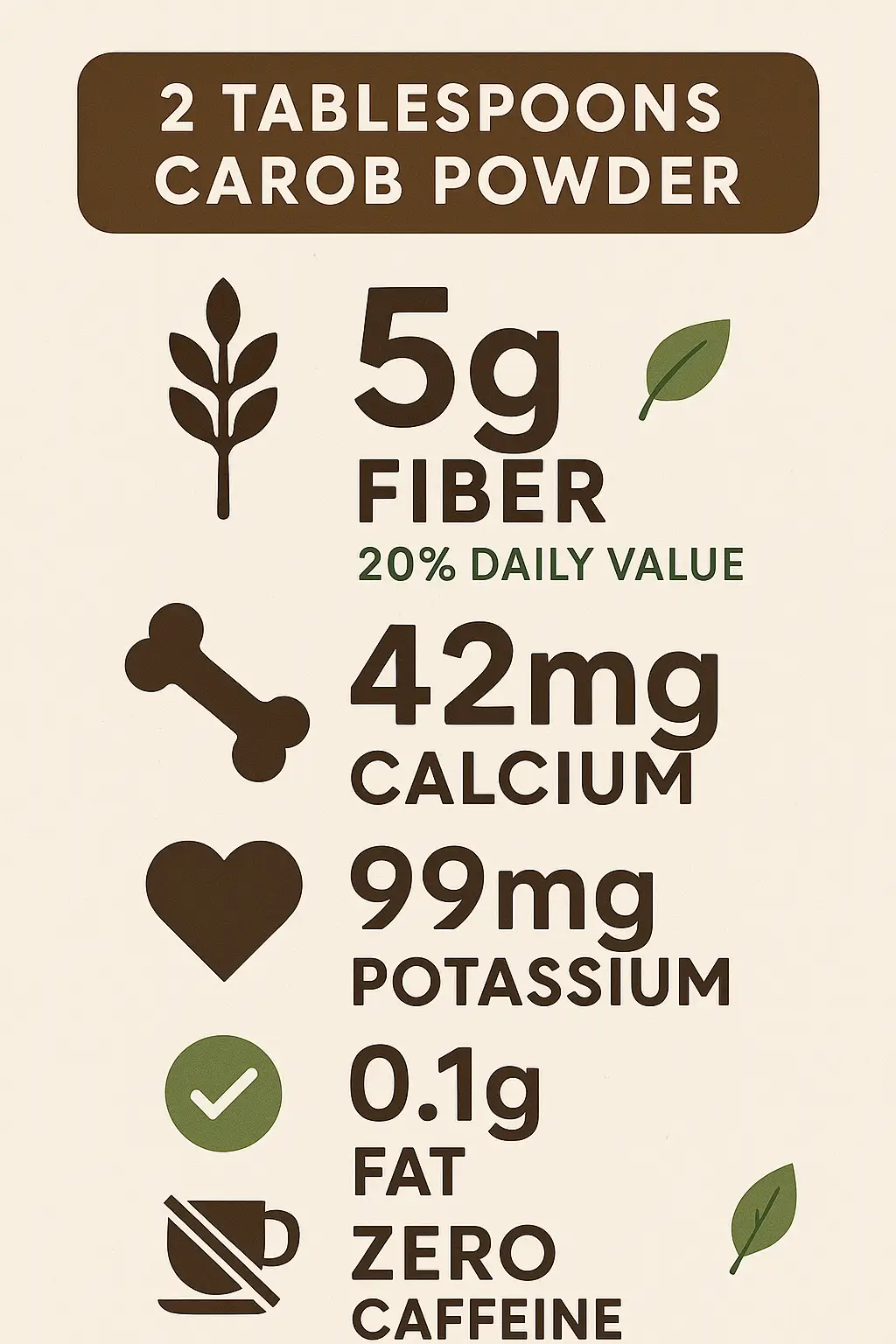
Before we get into specific health benefits, you need to see what you’re actually getting in a typical serving. Here’s the nutritional breakdown for 2 tablespoons (about 11 grams) of carob powder: [2]
Macronutrients:
- Calories: 25-30
- Protein: 0.5g
- Carbohydrates: 11g
- Fat: 0.1g
- Fiber: 5g
Key Vitamins:
- Vitamin B2 (Riboflavin)
- Vitamin B3 (Niacin)
- Vitamin B6
- Folate
Essential Minerals:
- Calcium: 42mg (4% daily value)
- Potassium: 99mg
- Magnesium: 6mg
- Phosphorus: 8mg
- Iron: 0.4mg
That fiber content stands out. Five grams in just two tablespoons = 20% of your daily fiber needs.[2]
Most Americans get only half the fiber they need each day, so this matters.
The mineral profile tells an interesting story too. Carob delivers calcium without the oxalates found in cocoa (more on this later). It provides potassium with almost no sodium. This combination supports multiple body systems at once.
Top 10 Health Benefits of Carob (and the Science Behind Them)
1. Packed with Powerful Antioxidants
Your body faces constant attacks from free radicals. These unstable molecules damage your cells through oxidative stress, contributing to aging and disease. Antioxidants neutralize free radicals before they cause harm.
Carob contains impressive levels of polyphenols, particularly gallic acid and various flavonoids. [3]
Research shows the unique polyphenol profile in carob provides broad-spectrum antioxidant protection, with antioxidant activity comparable to or exceeding that of many fruits and vegetables. [3][4]
These powerful antioxidants lead to our next benefit.
2. A Champion for Digestive Health
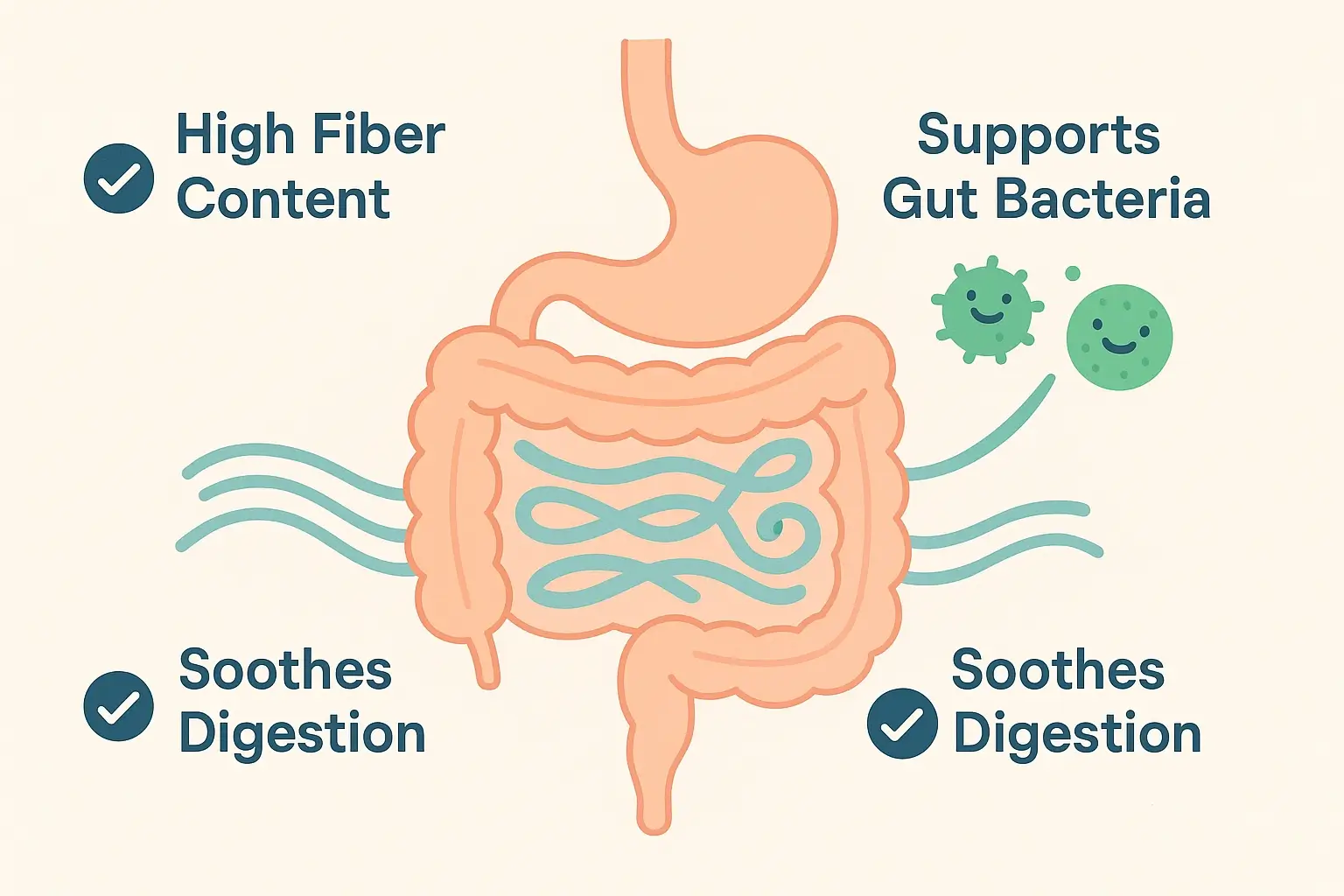
Carob has been used for centuries to treat digestive issues, and modern science confirms why it works. The high fiber content (both soluble and insoluble) promotes healthy bowel movements and feeds beneficial gut bacteria.
But here’s what makes carob special for digestion: the tannins. These natural compounds have astringent properties that can help firm up loose stools and reduce diarrhea. [3]
A study in the Journal of Pediatric Gastroenterology and Nutrition showed that carob powder effectively reduced the duration of acute diarrhea in infants and children. [5]
The fiber in carob also acts as a prebiotic, feeding the good bacteria in your gut. A healthy microbiome = better immunity, improved mood, and enhanced nutrient absorption.
(Ed. note: This makes carob particularly valuable during travel or when digestive issues strike.)
3. A Heart-Healthy Choice for Lowering Cholesterol
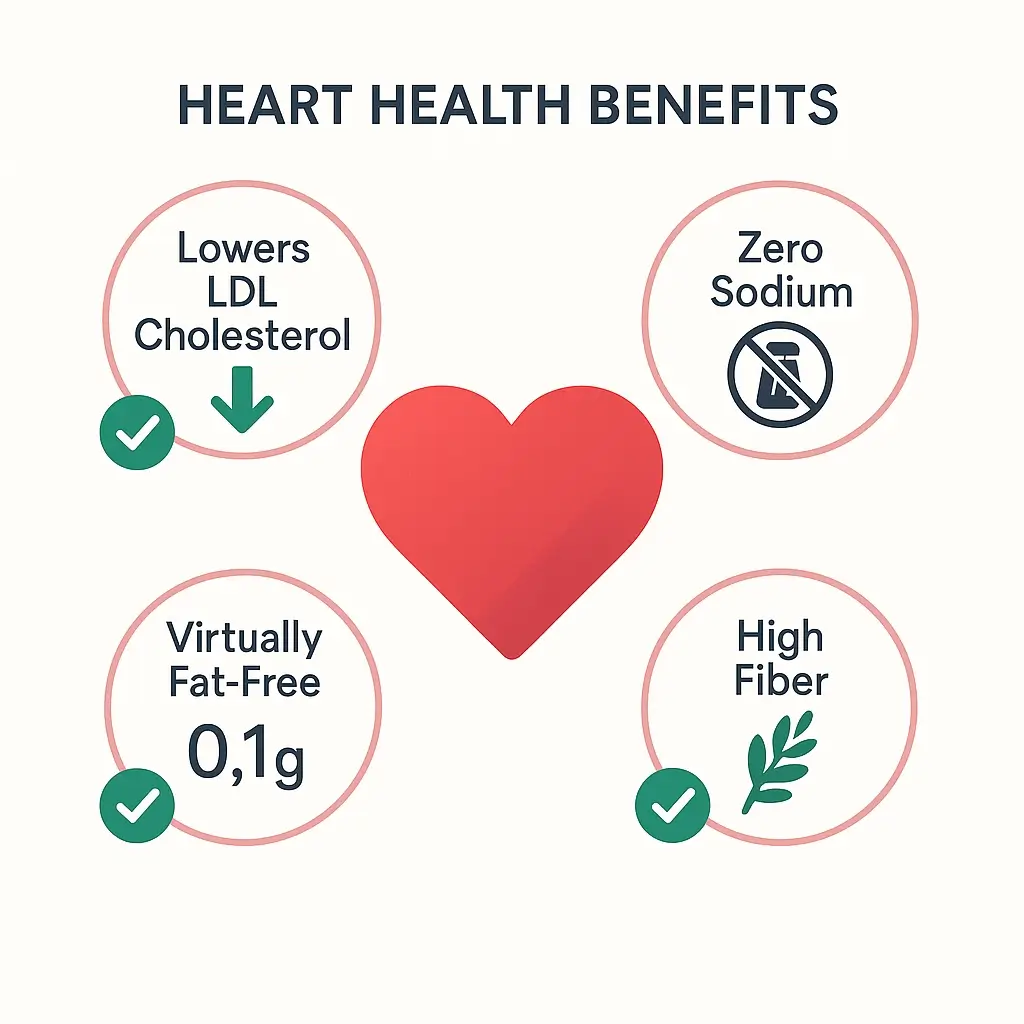
Your heart will thank you for adding carob to your routine. The insoluble fiber in carob binds to cholesterol in your digestive tract and helps remove it from your body before it enters your bloodstream. [3]
A study published in the European Journal of Nutrition found that regular consumption of carob fiber products led to significant reductions in LDL (“bad”) cholesterol levels without affecting HDL (“good”) cholesterol. [6]
Participants saw their LDL levels drop by an average of 18% over eight weeks, a clinically meaningful reduction that can lower cardiovascular disease risk.
Carob also contains virtually no fat and zero sodium, two factors that support cardiovascular health. Compare that to many chocolate products loaded with saturated fat and you’ll see the difference.
4. Excellent for Blood Sugar Management
If you’re watching your blood sugar, carob is your friend. It ranks low on the glycemic index (GI), meaning it causes a slower, more gradual rise in blood sugar compared to high-GI foods. [7]
Why does this matter? Foods that spike your blood sugar trigger insulin surges, which over time can lead to insulin resistance and type 2 diabetes. Low-GI foods like carob help maintain stable blood sugar levels throughout the day.
The fiber content plays a role here too. Fiber slows down the absorption of sugar into your bloodstream, preventing those energy crashes that send you running for another snack. [3]
“Can I use carob if I have diabetes?” Yes. Research suggests carob can be part of a diabetes-friendly diet. Just remember that carob contains natural sugars, so you still need to account for total carbohydrate intake. [7]
5. A Naturally Caffeine-Free Energy Boost
Here’s where carob really separates itself from cocoa. Chocolate contains caffeine and theobromine, two stimulants that can cause jitters, anxiety, sleep disruption, and heart palpitations in sensitive people.
Carob contains ZERO caffeine and ZERO theobromine. [3]
This makes it perfect for:
- People sensitive to stimulants
- Children
- Anyone avoiding caffeine
- Evening snacks that won’t disrupt sleep
- Pregnant and breastfeeding women
You still get an energy lift from carob, but it comes from natural sugars and complex carbohydrates that provide sustained energy without the crash.
6. Supports Strong Bones with a Good Dose of Calcium
Your bones need calcium. Everyone knows this. What fewer people know is that not all calcium sources work equally well.
Carob provides about 42mg of calcium per two tablespoons. That’s decent, but here’s the key advantage: unlike cocoa, carob contains no oxalates. [3]
Oxalates are natural compounds found in many foods (spinach, cocoa, nuts) that bind to minerals like calcium and prevent your body from absorbing them. Cocoa is particularly high in oxalates, which means much of its calcium never makes it into your bones. [8]
The calcium in carob is bioavailable = your body can actually use it. This matters especially for postmenopausal women, growing children, and anyone at risk for osteoporosis.
7. May Possess Anti-Inflammatory Properties
Chronic inflammation underlies many diseases, from arthritis to heart disease to autoimmune conditions. The polyphenols in carob, particularly the flavonoids, show promise as anti-inflammatory agents. [4]
Research indicates that carob extracts reduced inflammatory markers in laboratory studies, suggesting potential therapeutic applications. [9] While we need more human studies to confirm these effects, the initial research looks encouraging.
The antioxidants we discussed earlier also combat inflammation indirectly by reducing oxidative stress, which triggers inflammatory responses in your body.
8. A Safe and Delicious Option for Those with Gluten Sensitivities
If you’re avoiding gluten due to celiac disease or gluten sensitivity, carob is completely safe. It’s naturally gluten-free and doesn’t undergo processing that would introduce gluten contamination. [10]
This makes carob powder a reliable ingredient for gluten-free baking. You can use it in brownies, cookies, cakes, and other treats without worry.
Always check labels on carob chips and processed carob products to ensure they haven’t been manufactured in facilities that process gluten-containing ingredients.
9. A Friend to Your Blood Pressure
Blood pressure management requires attention to two minerals: sodium and potassium. You want less of the first and more of the second.
Carob delivers almost no sodium while providing a good dose of potassium. [2] This ratio helps your body maintain healthy blood pressure levels. Potassium helps your blood vessels relax and counteracts the effects of sodium.
The magnesium in carob also contributes to blood pressure regulation. Studies show that adequate magnesium intake correlates with lower blood pressure readings. [11]
10. Aids in Weight Management
“Will carob help me lose weight?” It won’t magically melt pounds away, but it can support your weight management efforts in practical ways.
The high fiber content promotes satiety = you feel fuller longer after eating. [3] When you feel satisfied, you’re less likely to overeat or reach for unhealthy snacks between meals.
Carob also satisfies sweet cravings with fewer calories than chocolate. Two tablespoons of carob powder contain about 25-30 calories. Compare that to the same amount of cocoa powder with added sugar, which can easily hit 80-100 calories.
The natural sweetness means you can use less added sugar in recipes, cutting calories without sacrificing flavor.
Carob vs. Cocoa: A Head-to-Head Comparison
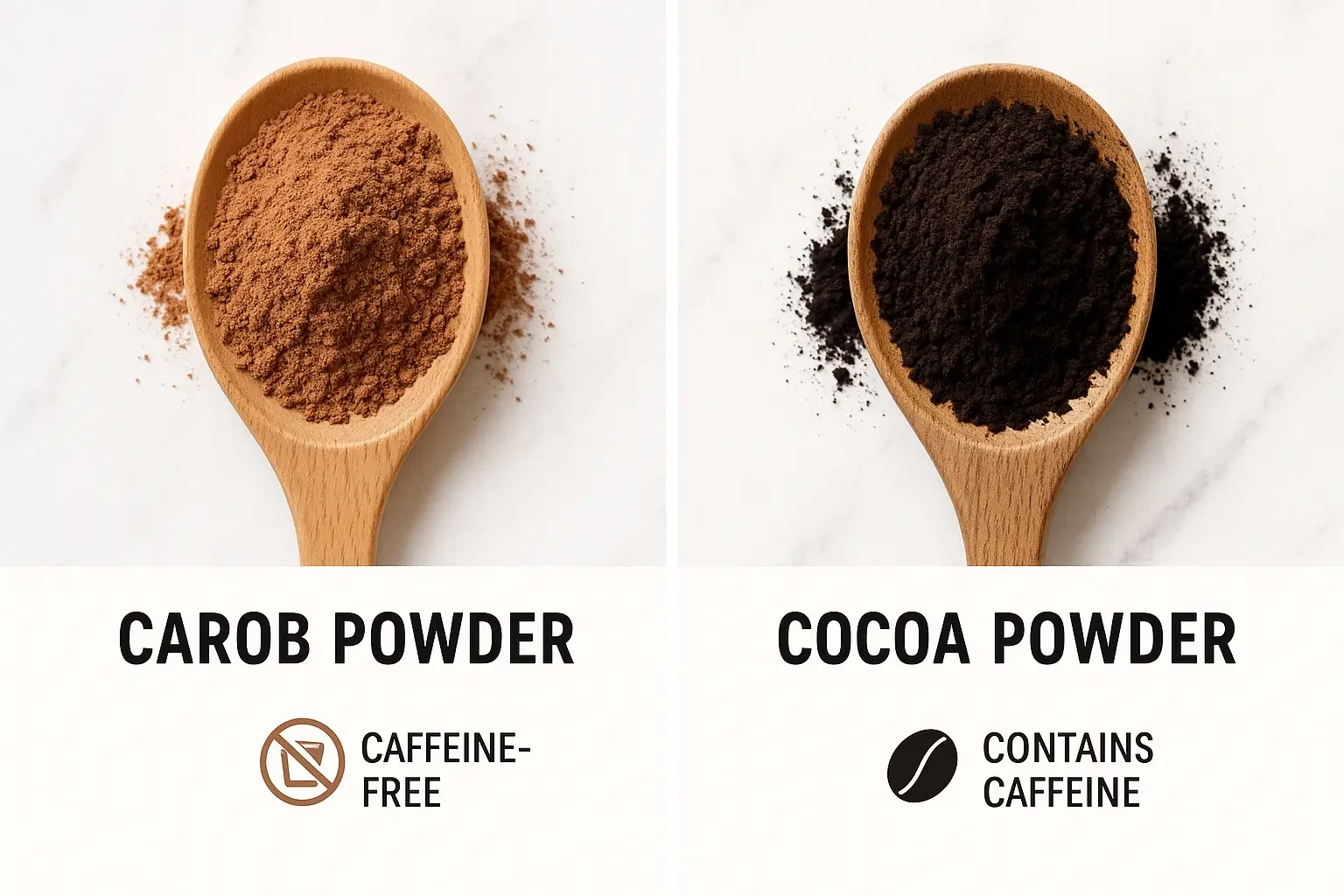
Let’s settle this once and for all. Here’s how carob and cocoa stack up against each other (per 2 tablespoons):
| Factor | Carob Powder | Cocoa Powder |
|---|---|---|
| Caffeine & Theobromine | None | 25-30mg caffeine, 200mg theobromine |
| Fat Content | 0.1g | 2-3g |
| Natural Sugars | 7g | 0-1g |
| Calcium | 42mg | 14mg |
| Oxalates | None | High levels |
| Fiber | 5g | 4g |
Neither one is “better” than the other. They’re different foods with different nutritional profiles. Carob offers advantages if you’re avoiding stimulants, watching fat intake, or maximizing calcium absorption. Cocoa provides more intense chocolate flavor and different antioxidants.
You can enjoy both as part of a balanced diet.
What Does Carob Actually Taste Like?
Carob doesn’t taste exactly like chocolate. If you expect it to be a perfect chocolate replica, you’ll be disappointed.
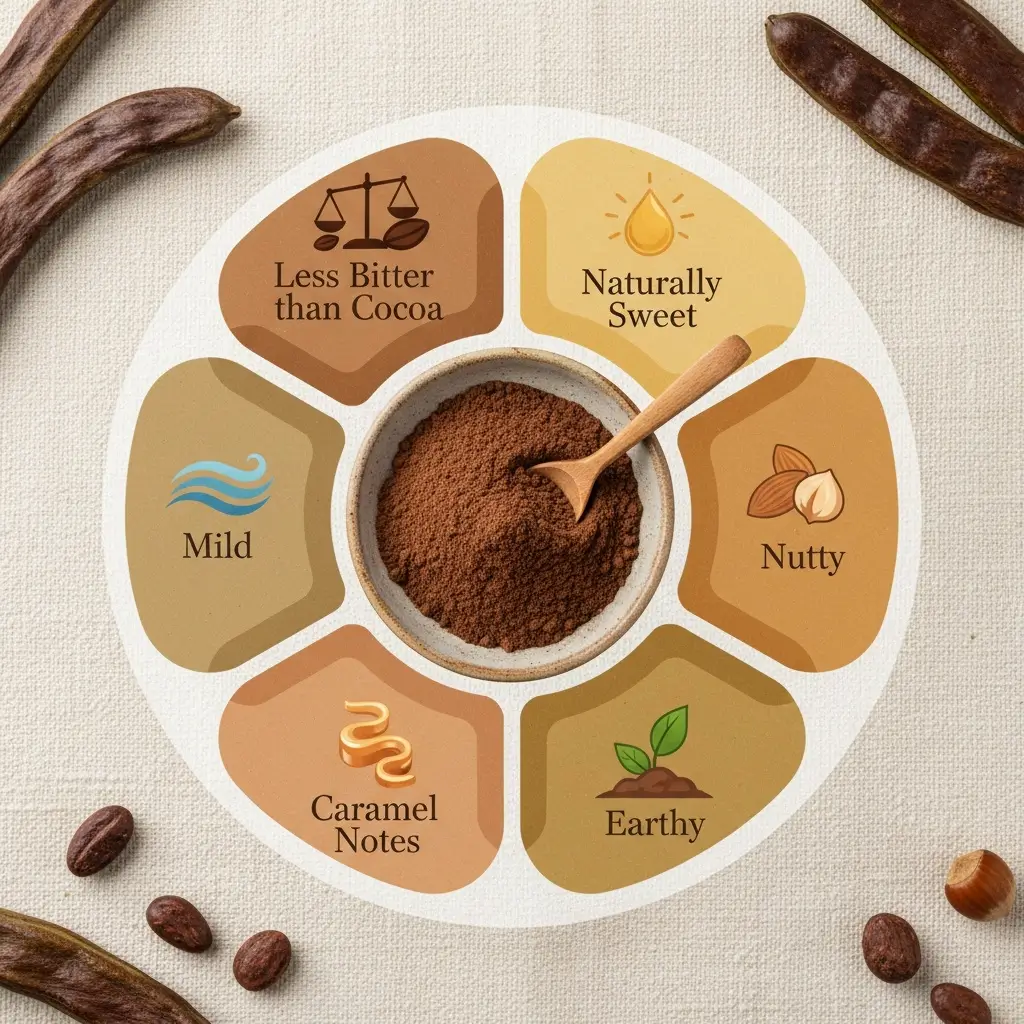
Carob has its own distinct flavor profile:
- Naturally sweet (it contains about 40-50% natural sugars)
- Slightly nutty undertones
- Earthy, almost caramel-like notes
- Less bitter than cocoa
- Milder overall flavor
Some people describe it as having hints of coffee or malted milk. The roasting process intensifies the flavor, so darker roasted carob powder tastes richer than raw or lightly roasted versions.
Here’s my advice: stop comparing it to chocolate. Appreciate carob for what it is – a unique, naturally sweet ingredient with its own character. When you approach it this way, you’ll enjoy it much more.
If you’ve tried carob once and didn’t like it, give it another chance. Quality varies significantly between brands. Look for darker roasted varieties for a richer taste.
Where to Buy Carob and in What Form?
You have several options for purchasing carob:
Carob Powder: This is the most versatile form. You’ll find it in health food stores, large grocery chains (often in the natural foods section), and online retailers. Look for organic, dark roasted powder for the best flavor. Brands like Bob’s Red Mill, Chatfield’s, and NOW Foods consistently deliver quality products.

- DRY ROASTED: NOW Real Food Carob Powder is a flavorful and versatile substitute for chocolate
- NO ADDITIVES: Use in place of cocoa powder in your favorite recipes for delicious natural chocolate flavor without the f…
- NUTRITIOUS SUBSTITUTE FOR CHOCOLATE: Carob isn’t as rich as chocolate, but it is sweeter; for substitution, use 1.5 to 2…

“What if my local store doesn’t carry it?” Most major retailers now stock carob powder, but you can always order online from Amazon, Thrive Market, or directly from health food retailers like Vitacost.
Carob Chips: These work like chocolate chips in baking. They melt reasonably well and add sweetness to recipes. Check ingredient labels carefully. Some brands add palm oil, sugar, or other ingredients you might want to avoid.

- 𝐂𝐀𝐑𝐎𝐁 𝐂𝐇𝐈𝐏𝐒: These Organic Carob baking chips have a thin round button shape. It provides perfect melting while maintain…
- 𝐇𝐄𝐀𝐋𝐓𝐇𝐘 𝐋𝐈𝐅𝐄𝐒𝐓𝐘𝐋𝐄: Carob is a sweet and healthy alternative to chocolate that has been used for health benefits for over…
- 𝐏𝐑𝐄𝐌𝐈𝐔𝐌 𝐈𝐍𝐆𝐑𝐄𝐃𝐈𝐄𝐍𝐓𝐒: All Organic, Non-dairy, Non-GMO, Gluten-Free, Caffeine-Free. We use Australian carob powder, Sustai…
Carob Syrup: This thick, molasses-like sweetener works well in beverages and as a topping. Middle Eastern markets often carry high-quality carob syrup.

- Premium Quality Pure Carob Molasses
- Product of Lebanon
- Rich in calcium, potassium and phosphorous, and a significant source of iron
Carob Bars: Several companies make carob candy bars. These vary widely in quality and nutritional value, so read labels.

- 𝐂𝐀𝐑𝐎𝐁 𝐁𝐀𝐑: Missy J’s Carob Dark Delights Unsweetened Plain Candy Bar is rich and surprisingly sweet for having no added …
- 𝐇𝐄𝐀𝐋𝐓𝐇𝐘 𝐋𝐈𝐅𝐄𝐒𝐓𝐘𝐋𝐄: Carob is a sweet and healthy alternative to chocolate that has been used for health benefits for over…
- 𝐏𝐑𝐄𝐌𝐈𝐔𝐌 𝐈𝐍𝐆𝐑𝐄𝐃𝐈𝐄𝐍𝐓𝐒: All Organic, Non-dairy, Non-GMO, Gluten-Free, Caffeine-Free. We use Sweet variety Australian carob …
Raw Carob Pods: Some specialty stores and online retailers sell whole dried carob pods. You can chew these like a sweet snack, though they’re quite fibrous.

- ⏭︎ – Ingredients : Pure Carob Pods 100% Natural . – Benefits Of Carob And Its Nutritional Value : Carob Has Excellent Nu…
- Pure Raw Pure Natural Food Carob Pods Whole ( 12 oz / 340 gm ) Ingredients Ceratonia Siliqua Caesalpinioideae Fabaceae N…
- New Generation True Raw Carob : Non Gmo Truly Raw Carob Has Been Milled Without Exposure To Heat , Giving It A Pure . Th…
Storage matters. Keep carob powder in an airtight container in a cool, dry place. It typically stays fresh for 12-18 months. Carob chips last about 6-12 months. Always check for any off smells or signs of moisture.
How to Easily Add Carob to Your Diet
Ready to start using carob? Here are practical ways to incorporate it into your daily routine:
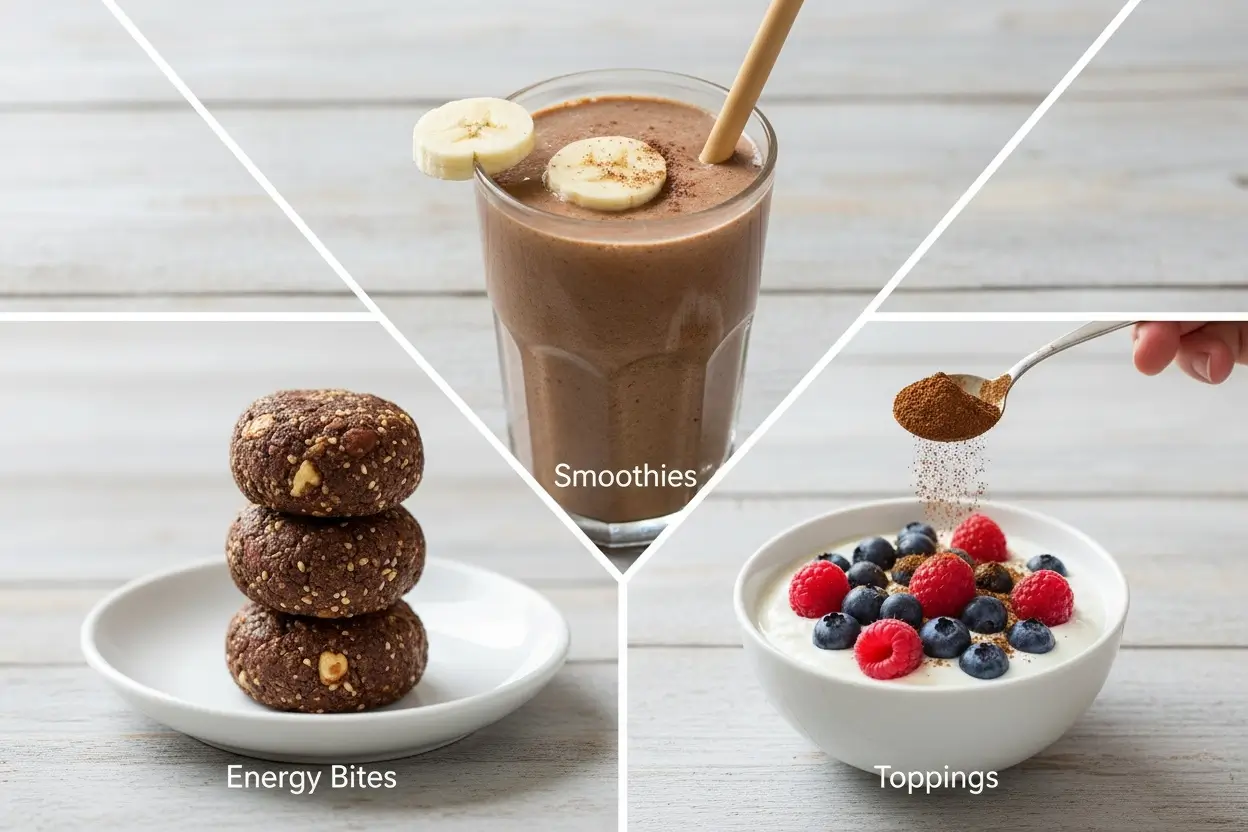
In Beverages:
- Blend carob powder into smoothies with banana and almond milk
- Mix it into hot milk for a caffeine-free “hot chocolate”
- Stir it into coffee alternatives like dandelion root tea
- Add it to protein shakes for extra flavor and fiber
In Baking:
- Replace cocoa powder 1:1 in most recipes (reduce sugar by 25% since carob is sweeter)
- Use carob chips instead of chocolate chips in cookies
- Add carob powder to brownie batters
- Mix it into muffin or pancake batter
As a Topping:
- Sprinkle carob powder over yogurt
- Dust it on oatmeal or overnight oats
- Mix with nut butter for a sweet spread
- Blend with coconut cream for a simple frosting
In No-Bake Treats:
- Roll energy balls with carob, dates, and nuts
- Make carob bark with coconut oil
- Stir into chia pudding
- Mix with tahini for a Middle Eastern-inspired spread
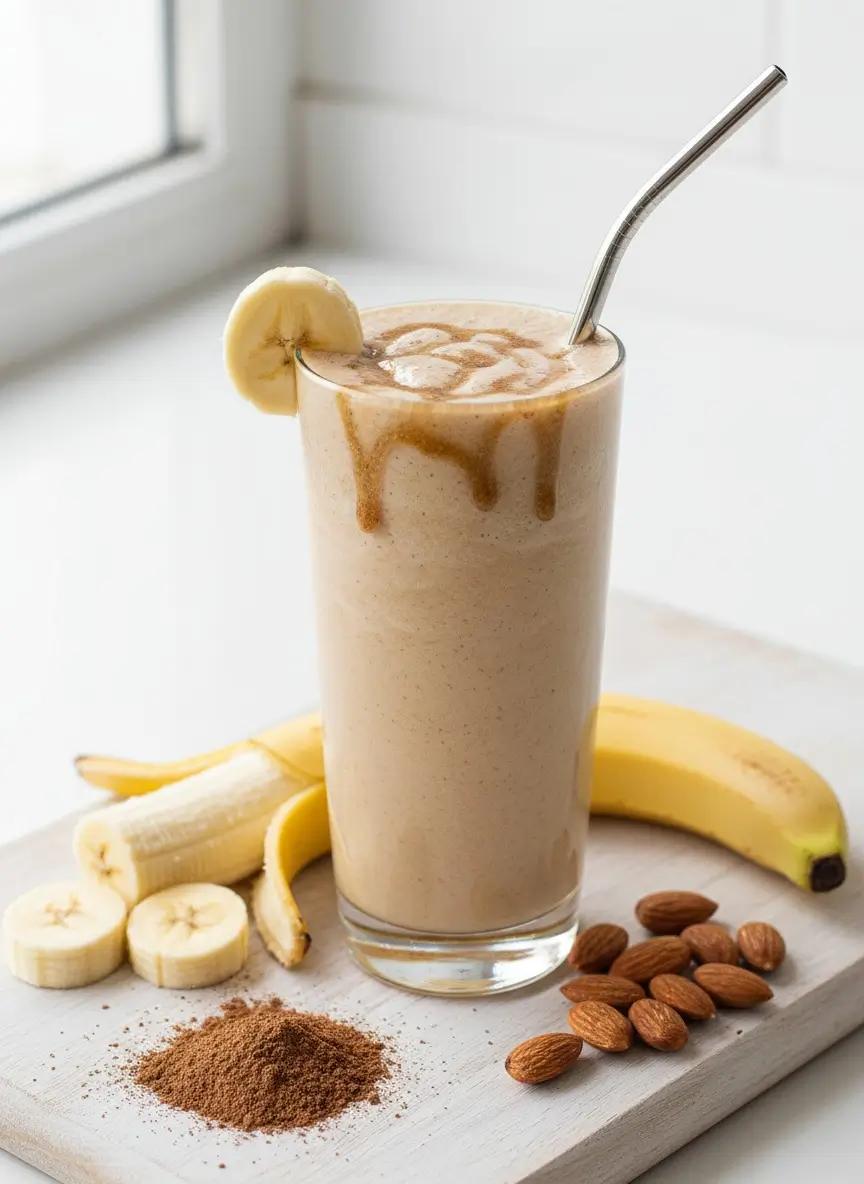
Simple Creamy Carob Smoothie Recipe
Ingredients:
- 1 frozen banana
- 2 tablespoons carob powder
- 1 cup almond milk (or milk of choice)
- 1 tablespoon almond butter
- 1 teaspoon vanilla extract
- 3-4 ice cubes
- Optional: 1 pitted date for extra sweetness
Instructions: Blend all ingredients until smooth and creamy. Adjust milk for desired thickness. Serves 1.
No-Bake Carob Energy Bites
Ingredients:
- 1 cup pitted Medjool dates (about 12-14 dates)
- 1/4 cup carob powder
- 1/2 cup raw almonds
- 1/4 cup unsweetened shredded coconut
- 1 tablespoon chia seeds
- Pinch of sea salt
- 1-2 tablespoons water (if needed)
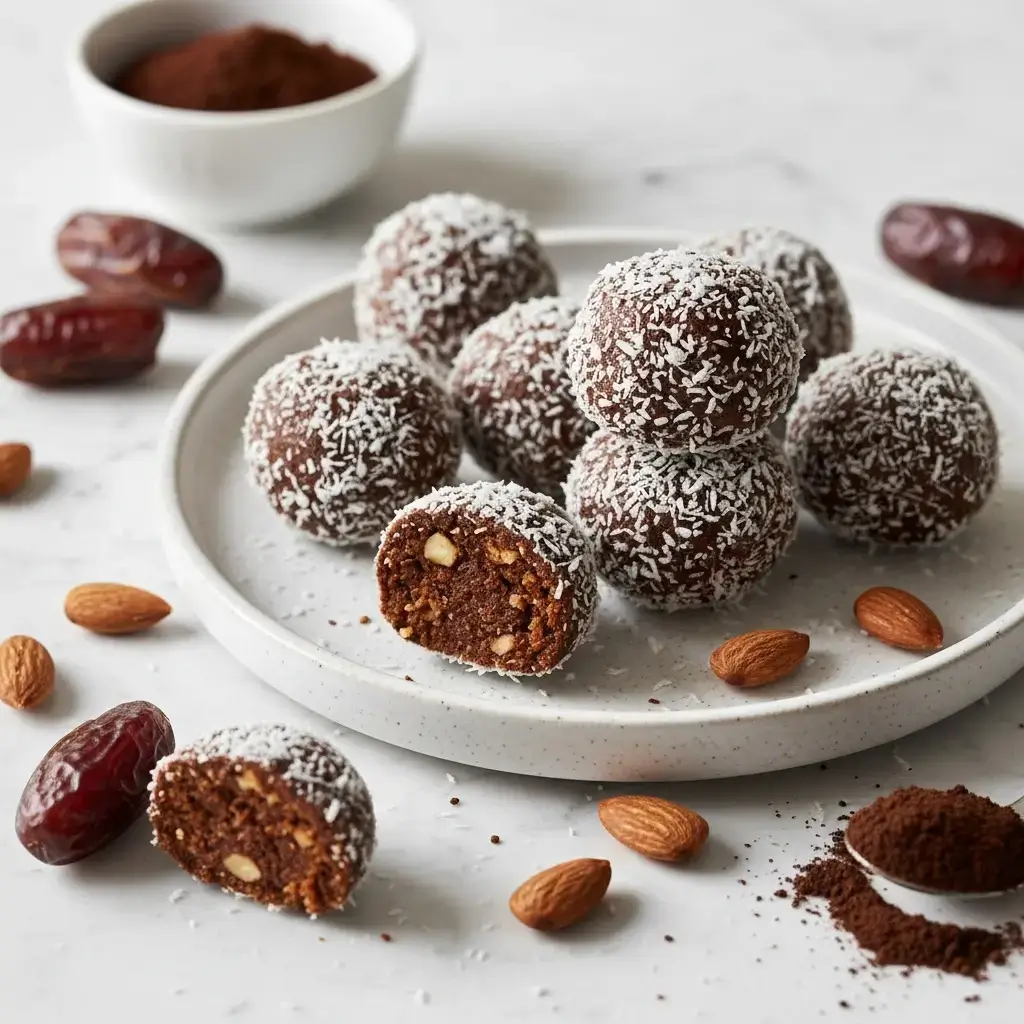
Instructions: Process dates and almonds in a food processor until finely chopped. Add carob powder, coconut, chia seeds, and salt. Process until mixture sticks together when pressed. Add water if too dry. Roll into 12 balls. Store in the refrigerator for up to two weeks. Makes 12 bites.
Simple Carob “Frosting”
Ingredients:
- 1/4 cup carob powder
- 1/4 cup coconut oil, softened
- 2-3 tablespoons maple syrup
- 1/2 teaspoon vanilla extract
- Pinch of sea salt
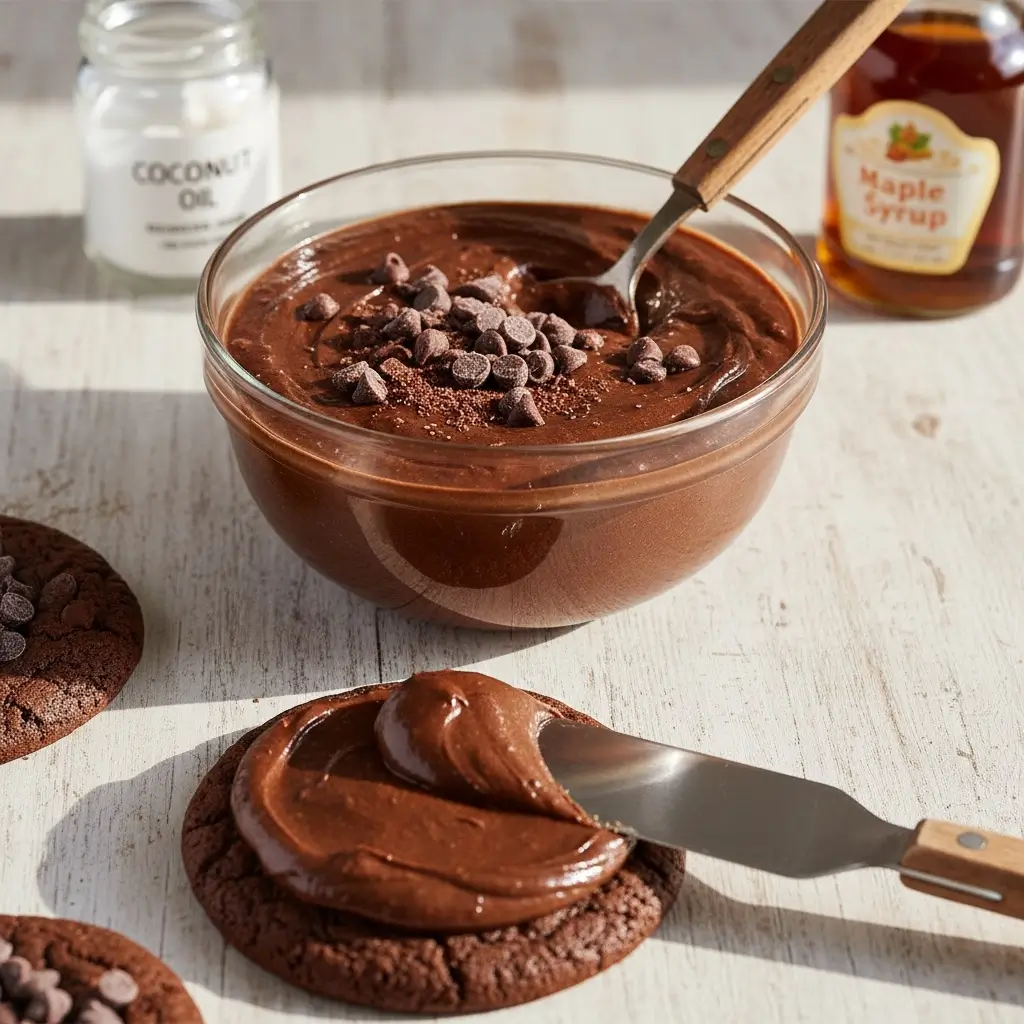
Instructions: Mix all ingredients until smooth and creamy. Adjust sweetness to taste. Use immediately as a spread or frosting for cakes and cookies. Store leftovers in the refrigerator. Makes about 1/2 cup.
Potential Side Effects and Considerations
Carob is generally very safe for most people. It has been used as food for thousands of years without significant problems.
That said, a few considerations exist:
- Allergies: Carob belongs to the legume family. If you have severe legume allergies (peanuts, soybeans, lentils), consult your doctor before trying carob. Allergic reactions are rare but possible. [12]
- Digestive adjustments: The high fiber content might cause gas or bloating if you’re not used to eating much fiber. Start with small amounts and gradually increase your intake. Drink plenty of water to help the fiber move through your system.
- Medication interactions: The tannins in carob might interfere with the absorption of certain medications. If you take prescription drugs, ask your pharmacist about potential interactions.
- Quality concerns: Some carob products contain added sugars, oils, or other ingredients that reduce the health benefits. Always read labels carefully.
Pregnant and breastfeeding women can safely consume carob in food amounts. No evidence suggests any risks during pregnancy or lactation. [10]
Is Carob a Worthy Addition to Your Pantry?
After reviewing the science and nutritional data, the answer is clear: yes, carob deserves space in your kitchen.
You get a naturally sweet, fiber-rich food that supports digestive health, heart health, and blood sugar management. You avoid caffeine and theobromine while still enjoying treats. You gain calcium without the oxalates that block absorption.
Carob works for people with dietary restrictions, from gluten-free to caffeine-free diets. It satisfies sweet cravings with fewer calories and more nutrients than many alternatives.
Will it replace chocolate for everyone? No. Should it? No. Carob stands on its own merits as a nutritious, versatile ingredient with a 4,000-year track record of supporting human health.
Try it in a smoothie this week. Bake a batch of carob energy bites. Make yourself a hot carob drink on a cold evening. Give your body the fiber, antioxidants, and minerals it provides.
Your taste buds might take a moment to adjust, but your body will thank you for making the addition.
