
Cistanche Tubulosa Benefits: Testosterone, Brain Fog & Dosage Guide
Beyond the libido hype—how standardized Phenylethanoid Glycosides drive testosterone synthesis, neuroprotection, and gut health.
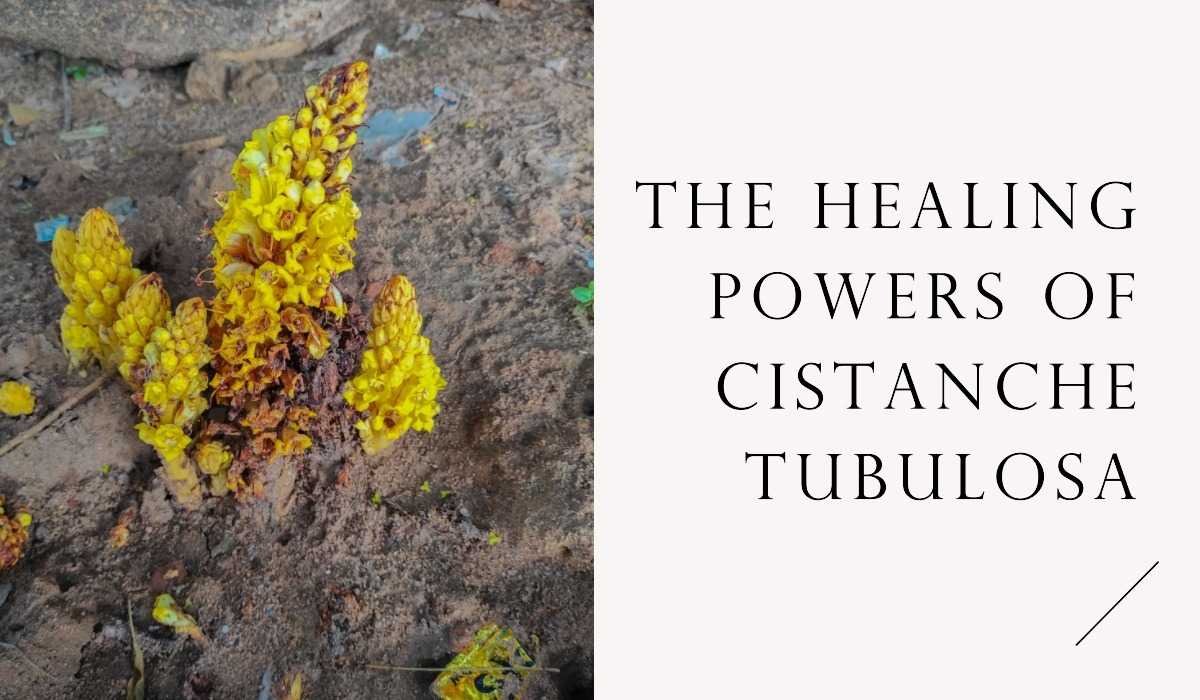
Cistanche tubulosa has been a staple in Traditional Chinese Medicine for over 1,800 years, listed in the Shennong Bencao Jing as a “superior herb” for kidney yang replenishment [1].
Western biohacking communities found it in the 2010s and reduced it to a libido supplement. That framing misses the bigger picture.
The real value of Cistanche tubulosa benefits sits in its Phenylethanoid Glycosides (PhGs) = a class of polyphenolic compounds that act on multiple biological systems at once.
PhGs account for over 80% of the bioactive content in quality Cistanche extracts [2]. Two compounds do the heavy lifting.
- Echinacoside targets neuronal signaling and hormonal pathways.
- Acteoside (also called verbascoside) drives potent antioxidant and anti-inflammatory activity.
Raw Cistanche powder from an unknown source delivers wildly inconsistent PhG content. A standardized extract with verified echinacoside concentrations is the only form worth taking.
Cistanche Tubulosa vs. Cistanche Deserticola: Which Species Should You Use?
Two species dominate the supplement market. They are not interchangeable.
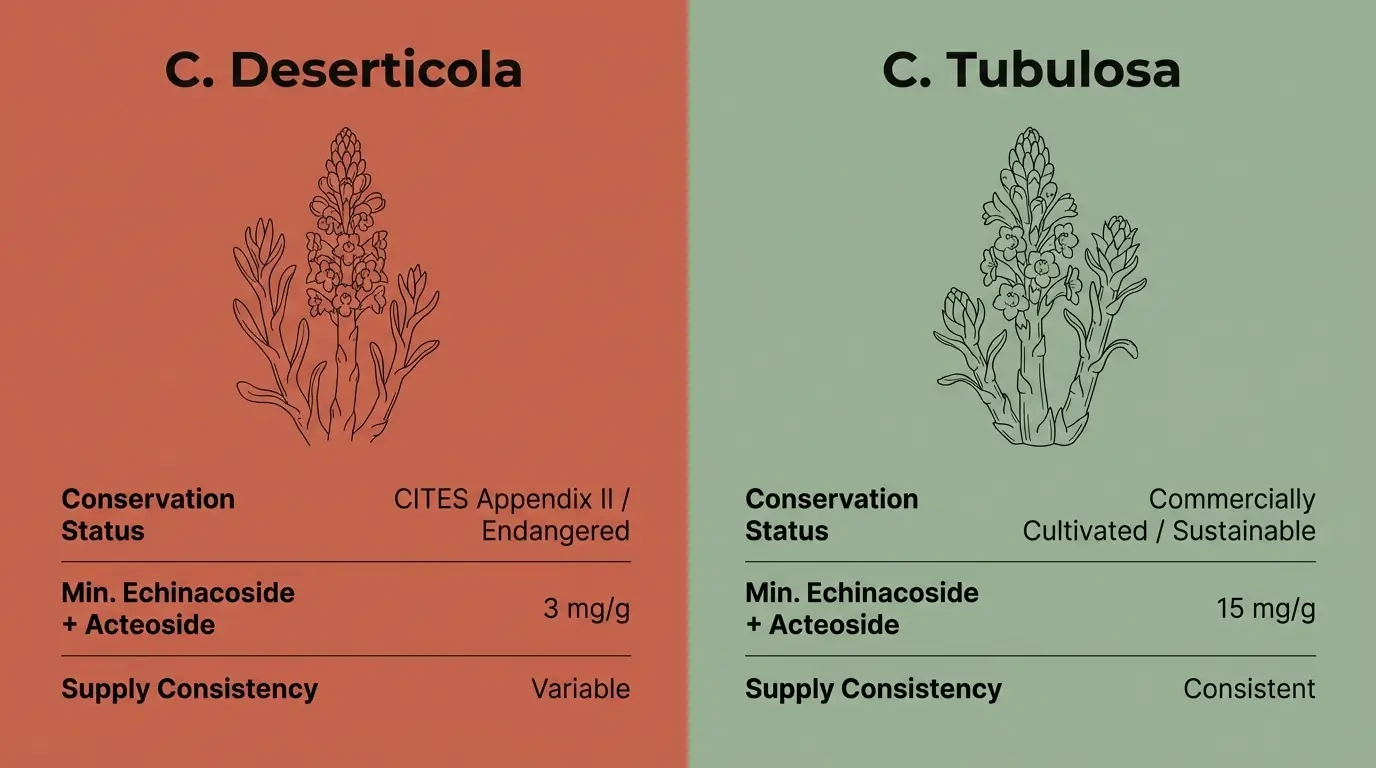
- C. deserticola grows wild in the deserts of Inner Mongolia and Xinjiang. Overharvesting pushed it onto CITES Appendix II, the international list of species whose trade requires monitoring because populations face decline [3]. China’s Red Data Book lists it as a protected species.
- C. tubulosa is successfully cultivated at scale across Xinjiang, where it parasitizes the roots of Tamarix and Haloxylon plants under controlled conditions [4]. The supply chain is consistent, the ecological impact is minimal, and the chemical output is predictable.
The chemistry favors tubulosa. A 2019 study in Scientific Reports found that the Chinese Pharmacopoeia requires combined echinacoside and acteoside concentrations to exceed 15 mg/g in C. tubulosa, compared to just 3 mg/g in C. deserticola [5].
C. tubulosa consistently delivers higher concentrations of the compounds that produce clinically studied effects.
“Does the species really matter that much?”
Yes. Higher active compound concentrations from a sustainable source. For supplementation, C. tubulosa is the obvious pick.
The Primary Active Compounds: How Cistanche Works
Over 120 compounds have been isolated from Cistanche species [2]. PhGs, iridoids, lignans, and polysaccharides all contribute. But PhGs are the primary drivers.
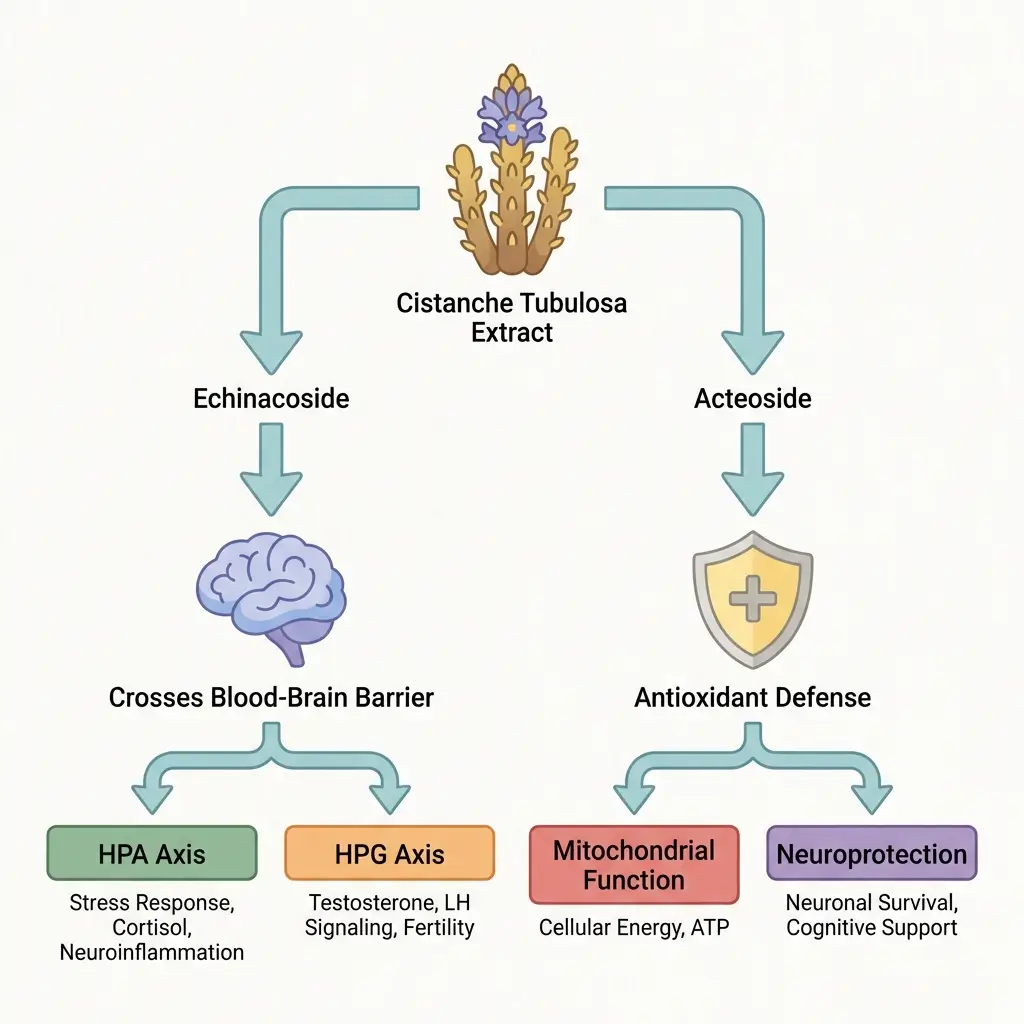
Echinacoside is the signature compound. It crosses the blood-brain barrier and acts on both the HPA (Hypothalamic-Pituitary-Adrenal) axis and the HPG (Hypothalamic-Pituitary-Gonadal) axis. The HPA axis regulates your stress response and cortisol output.
The HPG axis controls testosterone synthesis and reproductive function. Echinacoside influences both, which explains the compound’s broad effect profile across cognition, mood, and hormonal health [6][7].
Acteoside is the antioxidant engine. It scavenges free radicals, suppresses inflammatory cytokines, and reduces oxidative stress at the cellular level. Acteoside also dose-dependently inhibits tyrosinase activity, the primary enzyme that drives melanin synthesis [8].
(Ed. note: acteoside’s antioxidant capacity is frequently cited as substantially higher than vitamin C in DPPH radical scavenging assays, though direct comparisons depend on the assay method used.)
Both compounds show oral bioavailability and reach target tissues including brain, liver, and testes when taken in extract form [9].
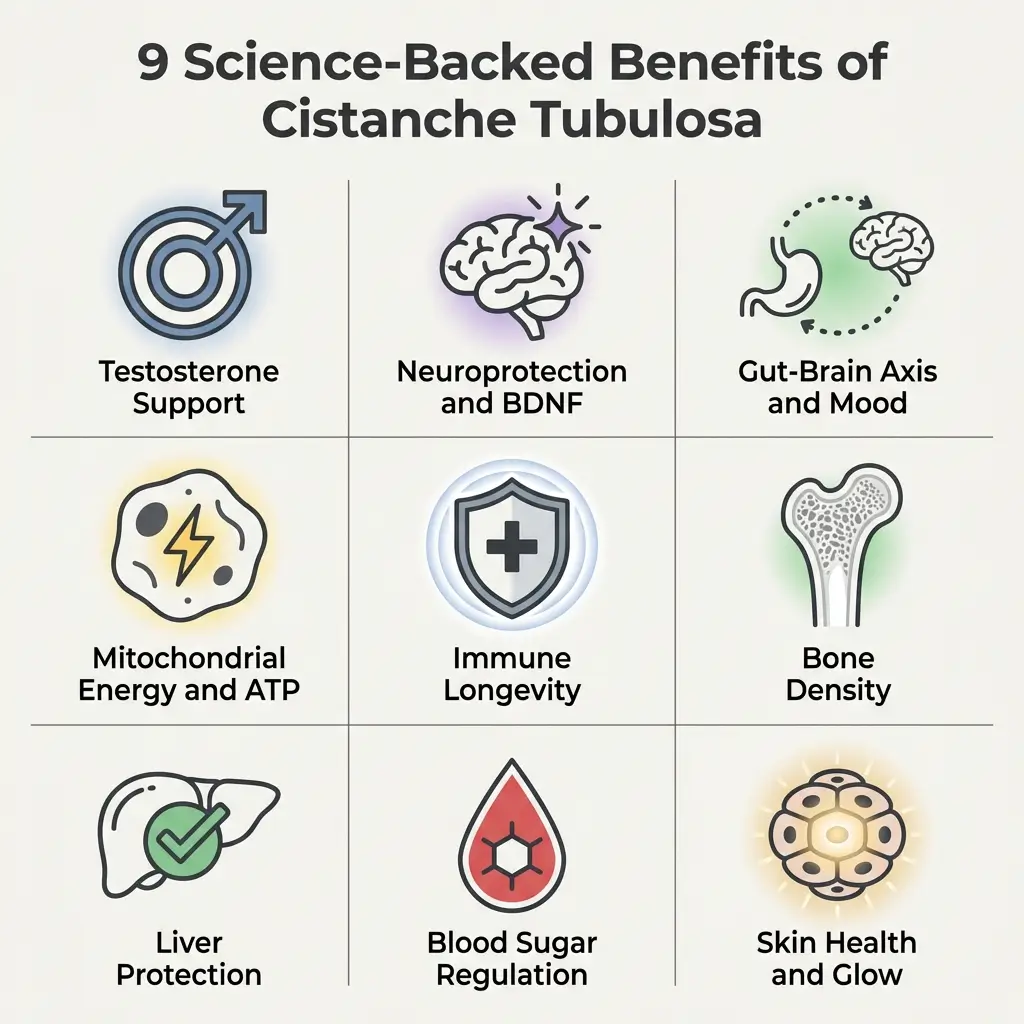
9 Science-Backed Cistanche Tubulosa Benefits
1. Hormonal Optimization and Testosterone Support
The testosterone story starts in the testes. Leydig cells produce testosterone through a cascade of enzymatic reactions that convert cholesterol into steroid hormones.
Two key enzymes are CYP11A1 (which initiates cholesterol conversion) and 3-beta-HSD (which converts pregnenolone toward testosterone).
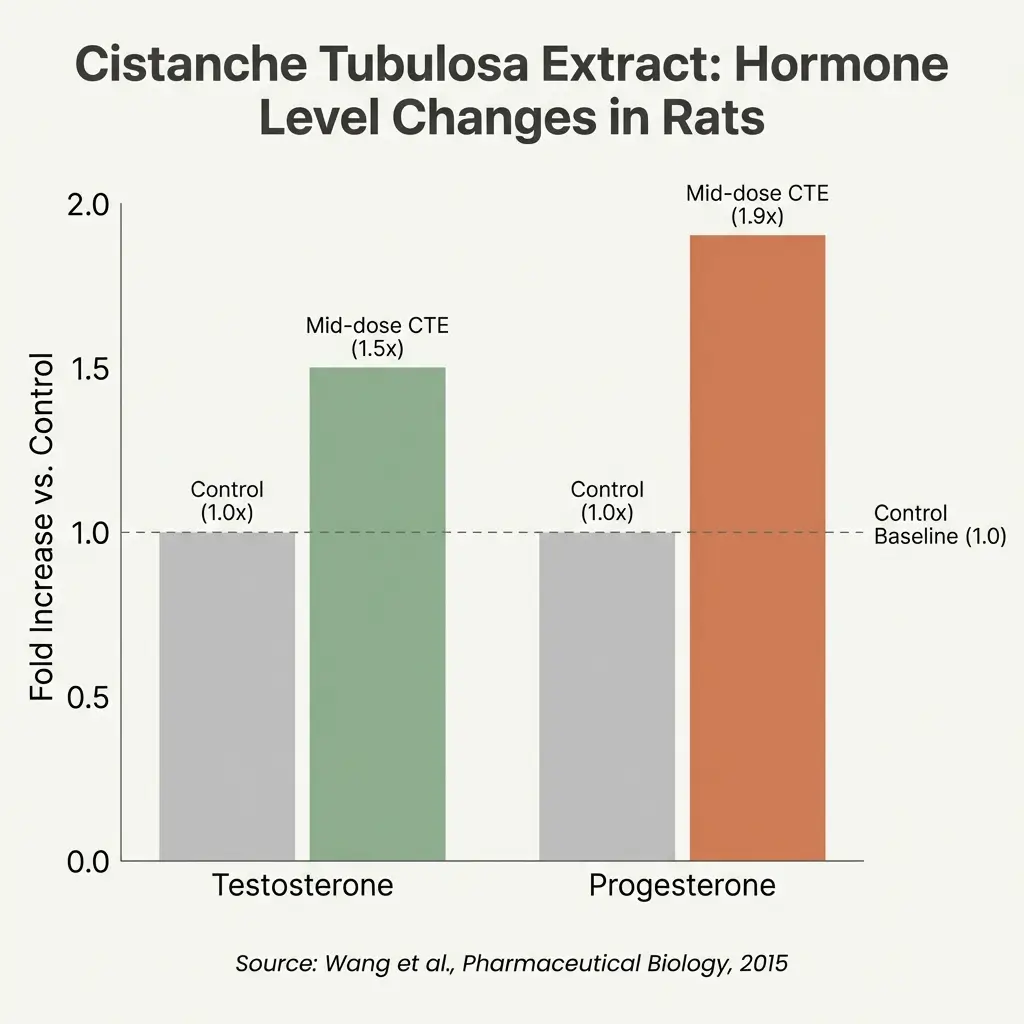
A 2015 study in Pharmaceutical Biology found that C. tubulosa ethanol extract increased testosterone levels by 1.5-fold and progesterone levels by 1.9-fold in rats, attributing this to upregulation of testicular steroidogenic enzymes [10].
A 2020 study in the Journal of Ethnopharmacology confirmed that Cistanche PhGs promoted reproductive function in mice through the CYP450-3-beta-HSD pathway of testosterone synthesis [11].
Echinacoside also protected sperm quality and testicular tissue from bisphenol A-induced toxicity in rats by upregulating steroidogenesis enzymes [12].
This positions Cistanche as both a testosterone-supportive and fertility-supportive compound.
Echinacoside may also work upstream. A 2019 study in Molecules showed it stimulates growth hormone secretion via activation of the ghrelin receptor (GHSR1a) in rat pituitary cells [13].
Cistanche’s hormonal effects likely extend beyond direct testicular stimulation to include pituitary-level signaling.
2. Cognitive Function and Neuroprotection
Cistanche has an approved clinical application for Alzheimer’s Disease in China. Memoregain, a capsule made from C. tubulosa glycosides, was studied in an open-label trial for moderate Alzheimer’s patients. After 48 weeks, patients showed no obvious worsening of cognitive function or independent living ability [14].
The neuroprotective mechanism involves multiple pathways. PhGs from Cistanche increased expression of Nerve Growth Factor (NGF), Brain-Derived Neurotrophic Factor (BDNF), and Glial cell-Derived Neurotrophic Factor (GDNF) in injured dopaminergic MES23.5 cells [15].
BDNF is the primary protein responsible for neuronal repair and synaptic plasticity. Low BDNF levels correlate with depression, cognitive decline, and neurodegeneration.
Total glycosides from Cistanche also inhibited MAO-B (monoamine oxidase-B) activity in MPTP-induced Parkinson’s models [16]. MAO-B breaks down dopamine in the brain. Inhibiting it raises dopamine levels.
This is the same mechanism targeted by pharmaceutical MAO-B inhibitors like selegiline, though Cistanche’s effect appears milder. The practical result for you is improved focus, motivation, and mood stability.
3. The Gut-Brain Axis and Mood
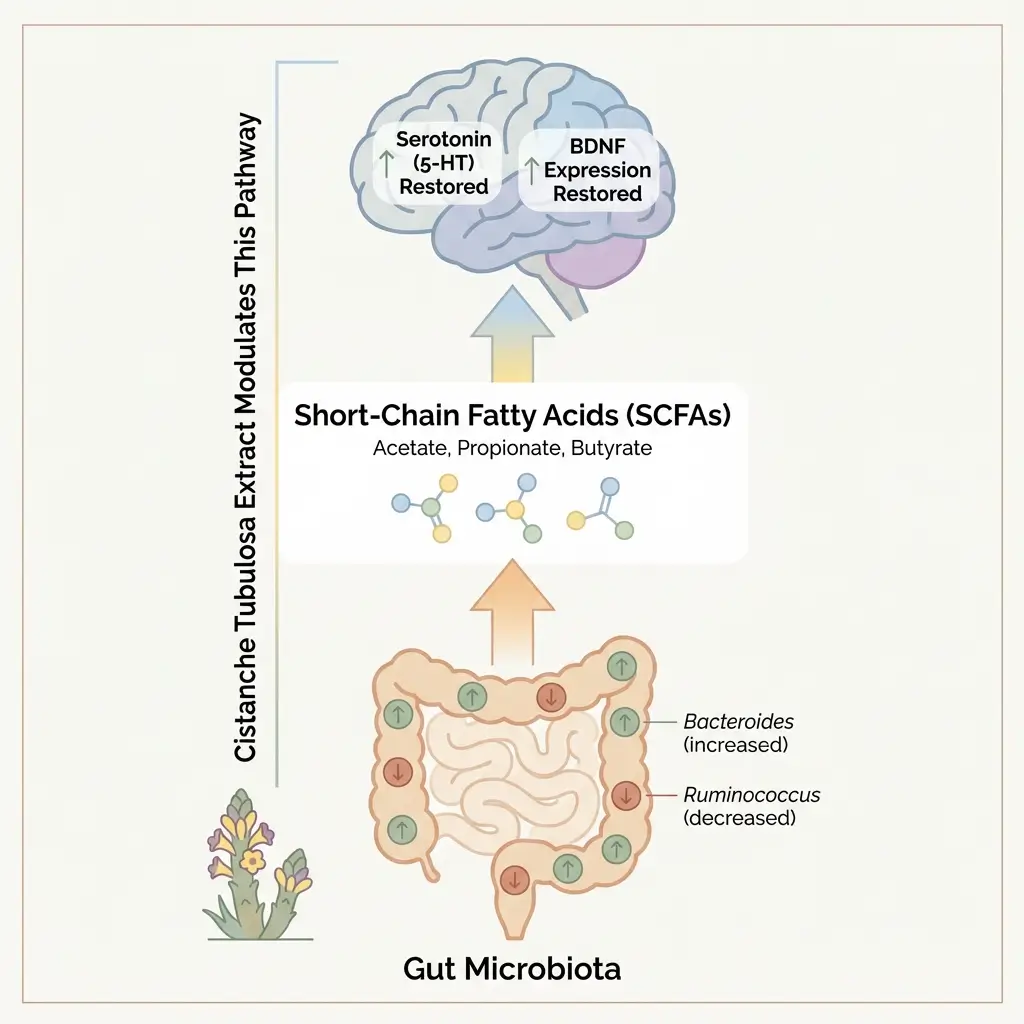
A 2018 study in Frontiers in Pharmacology demonstrated that C. tubulosa extract (CTE) produced antidepressant-like effects in chronically stressed rats by restoring gut microbiota homeostasis [17].
CTE increased the relative abundance of Bacteroides and decreased Ruminococcus, two genera strongly correlated with hippocampal serotonin levels. CTE also restored BDNF expression and 5-HT (serotonin) in both the hippocampus and colon.
The CTE used contained 48.6% PhGs. The high-dose group (400 mg/kg) showed results comparable to fluoxetine (Prozac) on behavioral measures including the sucrose preference test and forced swim test [17].
This makes Cistanche a gut-brain axis modulator. It shifts microbial populations that produce neuroactive metabolites like short-chain fatty acids (SCFAs), which then influence brain chemistry.
4. Physical Energy and Mitochondrial Function
A 2024 comparative study on C. tubulosa extracts found that treatment improved exercise capacity, learning, and memory in mice while lowering lactic acid and blood urea nitrogen (BUN) levels [18].
Both markers indicate improved metabolic clearance during physical exertion.
Acteoside targets mitochondrial function directly. As the site of ATP production (your cellular energy currency), mitochondria determine sustained energy output. Acteoside’s antioxidant properties protect mitochondrial membranes from oxidative damage, preserving ATP efficiency [2].
A human trial using a Cistanche-ginkgo blend showed significant reduction in physical and mental fatigue scores in adults with chronic fatigue syndrome [19]. While this was a combined formula, the researchers credited Cistanche’s PhGs as a primary contributor.
5. Longevity and Immune System Support (Immunosenescence)
Immunosenescence = the gradual decline of your immune system with age. Aging T-cells lose their ability to fight infections and respond to vaccines.
An ethanol extract of C. tubulosa showed significant effects in extending lifespan in animal models by antagonizing immunosenescence [20].
The extract promoted lymphocyte proliferation and increased phagocyte activity, two functions that decline sharply after age 50.
Cistanche polysaccharides activated dendritic cells through the TLR4 signaling pathway, triggering both humoral and cellular immune responses [21].
Dendritic cells detect threats and signal T-cells to act. Keeping them functional may help your aging immune system respond more like a younger one.
6. Bone Density and Skeletal Strength
Echinacoside promotes bone regeneration by increasing the OPG/RANKL ratio in osteoblastic MC3T3-E1 cells [22]. It stimulates osteoblasts (bone-building cells) while suppressing signaling that activates osteoclasts (bone-breakdown cells).
A rat osteopenia model showed echinacoside increased bone mineral density (BMD), bone mineral content (BMC), and maximum load strength in ovariectomized rats [23].
Acteoside from Cistanche also improved glucocorticoid-induced osteoporosis by activating the PI3K/AKT/mTOR signaling pathway [24].
For anyone over 40, bone density loss accelerates. Cistanche’s dual action of building bone while slowing breakdown gives it real relevance as a structural longevity tool.
7. Liver Protection and Alcohol Recovery
A 2023 study in The FASEB Journal found that echinacoside from C. tubulosa ameliorated alcohol-induced liver injury by targeting the Nrf2 pathway [25].
Nrf2 (Nuclear factor erythroid 2-related factor 2) is the master regulator of your body’s antioxidant defense. When activated, it upregulates glutathione, superoxide dismutase (SOD), and other protective enzymes.
Echinacoside reduced oxidative stress markers (MDA), increased antioxidant enzyme activity (SOD, GSH), and suppressed inflammatory cytokines in the alcohol-liver injury model [25].
Cistanche polysaccharides also restored alcohol-damaged liver tissue by increasing SOD and GST (glutathione S-transferase) levels [26].
If you drink socially and want to minimize hepatic damage, Cistanche’s Nrf2 activation offers a practical layer of protection.
8. Metabolic Regulation and Blood Sugar Control
C. tubulosa significantly suppressed elevated fasting blood glucose and postprandial blood glucose, improved insulin resistance, and corrected dyslipidemia in db/db mice (a standard model for type 2 diabetes) [27].
Total glycosides of C. tubulosa (TGCT) improved oral glucose tolerance, insulin sensitivity, glycogen content, and glucose-metabolizing enzyme activity in a follow-up study [28]. The researchers concluded TGCT has both lipid-lowering and glucose-lowering properties.
If you track metabolic markers like fasting glucose, HbA1c, or lipid panels, Cistanche may support improvements across multiple parameters simultaneously.
9. Skin Health and Anti-Aging
PhGs from Cistanche reduced tyrosinase activity in a dose-dependent manner in cultured human epidermal melanocytes, leading to decreased melanin content [29].
Tyrosinase is the rate-limiting enzyme in melanin synthesis. By inhibiting it, PhGs function similarly to arbutin and kojic acid.
A Chinese patent (CN102670436B) describes a skin-whitening anti-aging cosmetic using C. tubulosa extract, confirming antioxidant, brightening, and anti-aging effects through free radical scavenging and collagen preservation [30].
Acteoside protects against matrix metalloproteinases (MMPs), the enzymes that degrade collagen and elastin, leading to wrinkles and skin sagging.
Dosage Protocol and Standardization
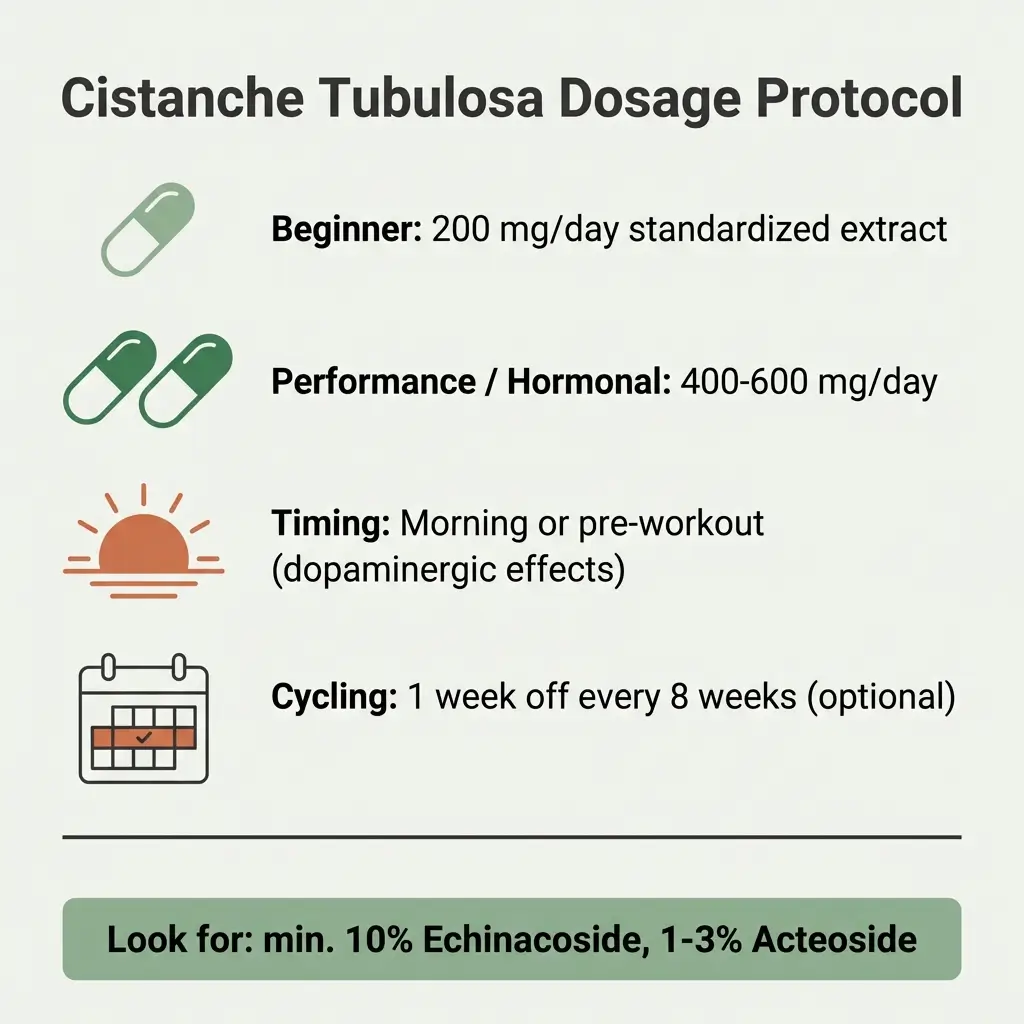
“What should I look for on the label?” Standardization matters more than total milligrams. Seek extracts standardized to at least 10% echinacoside and 1-3% acteoside. The Chinese Pharmacopoeia requires a minimum combined concentration of 15 mg/g in C. tubulosa [5].
If your supplement does not disclose active compound percentages, you are guessing.
Synergistic Stacks
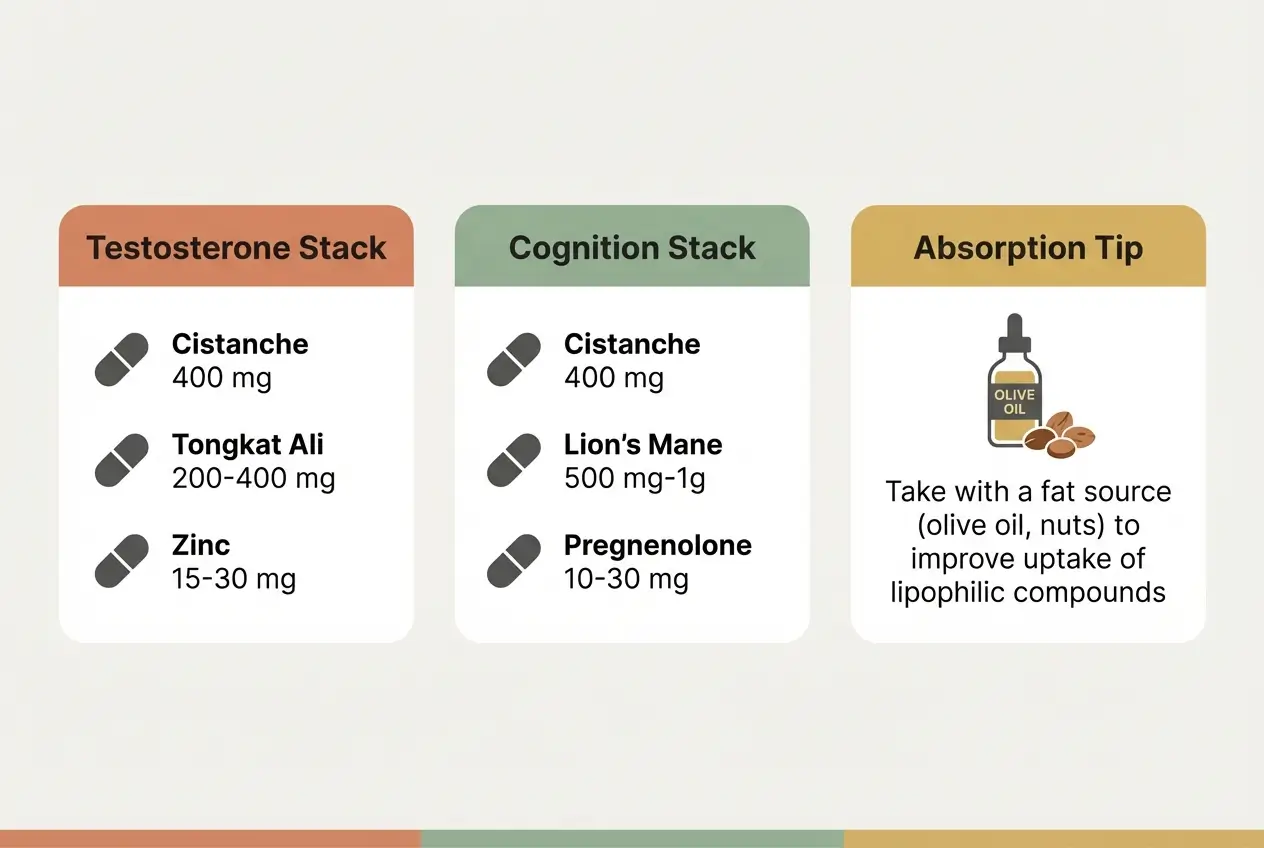
- For testosterone support, combine Cistanche (400 mg) with Tongkat Ali (200-400 mg standardized to 2% eurycomanone) and Zinc (15-30 mg). Cistanche targets steroidogenic enzyme expression. Tongkat Ali reduces SHBG and supports free testosterone. Zinc is a cofactor for aromatase regulation.
- For cognition and focus, combine Cistanche (400 mg) with Lion’s Mane (500 mg-1g standardized to hericenones/erinacines) and Pregnenolone (10-30 mg). Cistanche provides BDNF upregulation and MAO-B inhibition. Lion’s Mane promotes NGF synthesis. Pregnenolone is a neurosteroid precursor supporting memory consolidation.
- For absorption, take Cistanche with a fat source. While PhGs are water-soluble, accessory compounds (lignans, iridoids) are lipophilic. A tablespoon of olive oil or a handful of nuts improves overall compound uptake.
Side Effects and Safety
The most common side effect is mild digestive distress, particularly loose stools. Cistanche has been used in TCM for centuries as a gentle laxative. At standard doses (200-600 mg), this effect is typically mild.
Contraindications include pregnancy, breastfeeding, and concurrent use of strong blood pressure medications. Cistanche has vasorelaxation effects. If you take antihypertensives, consult your physician.
The safety profile is favorable. A genotoxicity and 28-day repeated dose toxicity test confirmed no harmful changes in rats at standard doses [31].
The European Food Safety Authority (EFSA) has reviewed Cistanche PhGs under Novel Food regulation (EU 2015/2283), signaling movement toward broader acceptance [2].
Where to Buy Cistanche Tubulosa
Most Cistanche products on the market fail the standardization test. They list total milligrams of raw powder with zero disclosure of active compound percentages.
The three options below all meet the baseline criteria outlined in this article. They use C. tubulosa (not C. deserticola), they disclose echinacoside and acteoside standardization percentages, and they come from manufacturers with third-party testing or GMP-certified facilities.
Click here for a more comprehensive article for the best cistanche tubulosa supplements.
1. Double Wood Supplements Cistanche Extract
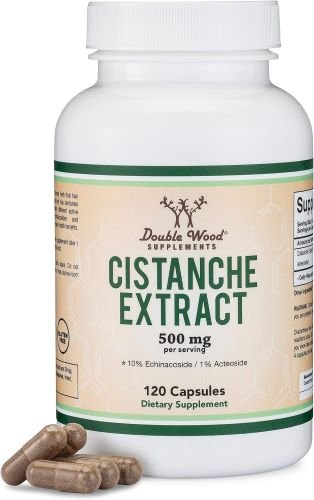
Double Wood delivers 500 mg of C. tubulosa extract per serving (2 capsules), standardized to 10% echinacoside and 1% acteoside.
Each bottle contains 120 capsules (60 servings). The product is third-party tested for microbes and heavy metals, manufactured in the USA, and carries non-GMO and gluten-free certifications.
At roughly $19.95 per bottle, this works out to approximately $0.33 per serving. That makes it one of the most cost-effective standardized Cistanche options available.
This is the best option if you want to follow the 400-600 mg/day performance protocol described in this article. The 500 mg serving size lands you right in the middle of that range, and the 60-serving bottle gives you a full two-month supply.
Where to buy: doublewoodsupplements.store
Use Double Wood Supplements Discount Code, “NewFN10” for 10% OFF your order.
2. Life Extension Standardized Cistanche
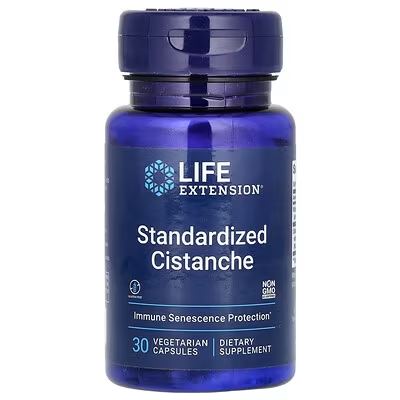
Life Extension takes a different approach. Their formula provides 210 mg of C. tubulosa extract per capsule, standardized to 22% echinacoside.
That higher standardization percentage means each capsule delivers approximately 46 mg of echinacoside, despite the lower total extract weight. The formula also includes 2 mg of vitamin C as ascorbyl palmitate.
Each bottle contains 30 vegetarian capsules (30 servings). Pricing sits around $13.50-$15.00 per bottle, or roughly $0.45-$0.50 per serving.
This is the best option if your primary goal is immune support and longevity rather than testosterone optimization. Life Extension specifically formulated this product around the echinacoside research on immunosenescence and T-cell development. The 210 mg dose aligns with their Immune Senescence Protection Formula.
Where to buy: iHerb.
Use iHerb discount code GIX3955 at checkout to get 10% OFF your entire order.
3. Nutricost Cistanche Tubulosa
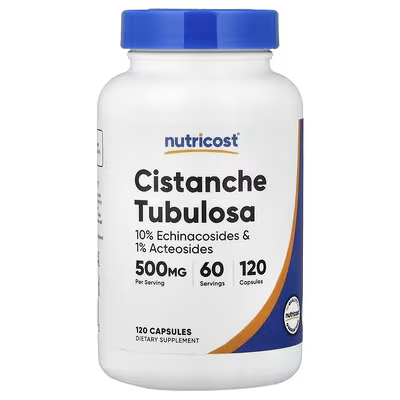
Nutricost matches Double Wood’s specs closely. Their product provides 500 mg per serving (2 capsules of 250 mg), standardized to 10% echinacoside and 1% acteoside.
The bottle contains 120 capsules (60 servings). It is produced in an NSF-certified and GMP-compliant facility, and the product is vegan and non-GMO.
Nutricost positions itself as a budget-friendly option with clean manufacturing standards. The product is widely available on iHerb, which makes it the easiest pick for international buyers who cannot easily order from US-only supplement retailers.
Where to buy: iHerb
Quick comparison at a glance:
| Spec | Double Wood Cistanche Extract | Life Extension Standardized Cistanche | Nutricost Cistanche Tubulosa |
|---|---|---|---|
| Dose per serving | 500 mg (2 capsules) | 210 mg (1 capsule) | 500 mg (2 capsules) |
| Echinacoside standardization | 10% | 22% | 10% |
| Acteoside standardization | 1% | Not listed separately | 1% |
| Capsules per bottle | 120 (60 servings) | 30 (30 servings) | 120 (60 servings) |
| Approximate price | $19.95 | $13.50-$15.00 | Comparable to Double Wood |
| Best for | Performance and hormonal protocol (400-600 mg range) | Immune longevity, lower-dose protocol, highest echinacoside concentration per mg | International buyers via iHerb, budget-conscious, clean GMP/NSF certification |
FAQ
Bottom Line
Cistanche tubulosa benefits span the HPG axis, HPA axis, gut-brain axis, and immune system simultaneously.
Your results depend on extract quality. Prioritize products that disclose echinacoside and acteoside percentages. If the label only says “Cistanche powder,” keep looking.
REFERENCES
- [1] Chinese Pharmacopoeia Commission, “Pharmacopoeia of the People’s Republic of China” (2015)
- [2] Zhang S. et al., Frontiers in Nutrition, “Analysis of the active ingredients and health applications of cistanche”, March 2023, doi: 10.3389/fnut.2023.1101182
- [3] CITES, “Inclusion of Cistanche deserticola in CITES Appendix II”, CoP11 Proposal
- [4] Li et al., “Cistanches Herba, from an endangered species to a big brand of bio-industry”, Medicinal Research Reviews, January 2021, doi: 10.1002/med.21768
- [5] Li J. et al., Scientific Reports, “Chemical Diversity and Prediction of Potential Cultivation Areas of Cistanche”, December 2019, doi: 10.1038/s41598-019-56379-x
- [6] Jiang Y. and Tu P., “Cistanches Herba: A Neuropharmacology Review”, Frontiers in Pharmacology, September 2016, doi: 10.3389/fphar.2016.00289
- [7] Fu Z. et al., “Cistanches Herba: an overview of its chemistry, pharmacology, and pharmacokinetics property”, Journal of Ethnopharmacology, 2017
- [8] Wang L. et al., “Inhibitory effects of phenylethanoid glycosides on melanin synthesis in cultured human epidermal melanocytes”, International Journal of Clinical and Experimental Medicine, 2016
- [9] Pei K. et al., “Acteoside and its analogs: a review of sources, biological activities and structure-activity relationships”, Phytotherapy Research, 2015, doi: 10.1002/ptr.5358
- [10] Wang X. et al., “Cistanche tubulosa ethanol extract mediates rat sex hormone levels by induction of testicular steroidogenic enzymes”, Pharmaceutical Biology, 2015, doi: 10.3109/13880209.2015.1050114
- [11] Zhang K. et al., “Phenylethanol glycosides from Cistanche tubulosa improved reproductive dysfunction via CYP450-3-beta-HSD pathway”, Journal of Ethnopharmacology, April 2020, doi: 10.1016/j.jep.2019.112388
- [12] Jiang Z. et al., “Echinacoside and Cistanche tubulosa ameliorate bisphenol A-induced testicular and sperm damage”, Journal of Ethnopharmacology, December 2016, doi: 10.1016/j.jep.2016.07.026
- [13] Wu Y. et al., “Echinacoside Isolated from Cistanche tubulosa Putatively Stimulates Growth Hormone Secretion via Activation of the Ghrelin Receptor”, Molecules, February 2019, doi: 10.3390/molecules24040720
- [14] Guo Q. et al., “An open-label, nonplacebo-controlled study on Cistanche tubulosa glycoside capsules (Memoregain) for treating moderate Alzheimer’s Disease”, American Journal of Alzheimer’s Disease and Other Dementias, 2013, doi: 10.1177/1533317513488907
- [15] Xu Q. et al., “Cistanche tubulosa Protects Dopaminergic Neurons through Regulation of Apoptosis and Neurotrophic Factors”, BioMed Research International, 2016, doi: 10.1155/2016/3659508
- [16] Zhai X. et al., “Evaluation of the Neuroprotective Effect of Total Glycosides of Cistanche deserticola and Investigation of Novel Brain-Targeting Natural MAO-B Inhibitors”, ACS Chemical Neuroscience, December 2024, doi: 10.1021/acschemneuro.4c00608
- [17] Li Y. et al., “Antidepressant-Like Effects of Cistanche tubulosa Extract on Chronic Unpredictable Stress Rats Through Restoration of Gut Microbiota Homeostasis”, Frontiers in Pharmacology, 2018, doi: 10.3389/fphar.2018.00967
- [18] Journal of Traditional Chinese Medical Sciences, “A comparative study of the anti-fatigue activity of extracts from Cistanche tubulosa”, March 2024, doi: 10.1016/j.jtcms.2024.03.011
- [19] Chen L. et al., “A Botanical Product Containing Cistanche and Ginkgo Extracts Potentially Improves Chronic Fatigue Syndrome Symptoms in Adults”, Frontiers in Pharmacology, November 2021
- [20] Li F. et al., “Herba Cistanches: Anti-aging”, Aging and Disease, December 2017, doi: 10.14336/AD.2017.0720
- [21] Zhang X. et al., as cited in [2], regarding dendritic cell activation via TLR4 pathway by Cistanche polysaccharides
- [22] Li F. et al., “Echinacoside promotes bone regeneration by increasing OPG/RANKL ratio in MC3T3-E1 cells”, Fitoterapia, 2012, doi: 10.1016/j.fitote.2012.08.019
- [23] Qi Y. et al., “Efficacy and Safety of Echinacoside in a Rat Osteopenia Model”, Evidence-Based Complementary and Alternative Medicine, 2013
- [24] Yuan B. et al., “Acteoside Derived from Cistanche Improves Glucocorticoid-Induced Osteoporosis”, International Journal of Surgery, 2022, doi: 10.1080/08941939.2022.2154578
- [25] Ding Y. et al., “Echinacoside from Cistanche tubulosa ameliorates alcohol-induced liver injury and oxidative stress by targeting Nrf2”, The FASEB Journal, 2023, doi: 10.1096/fj.202201430R
- [26] As cited in Zhang S. et al. [2], reference 95 in original paper, regarding Cistanche polysaccharide hepatoprotective effects
- [27] Li et al., “Anti-hyperglycemic and hypolipidemic effects of Cistanche tubulosa in type 2 diabetic db/db mice”, Journal of Ethnopharmacology, December 2013, doi: 10.1016/j.jep.2013.09.041
- [28] Zhu L. et al., “Hypoglycemic and hypolipidemic effects of total glycosides of Cistanche tubulosa”, Journal of Ethnopharmacology, August 2021, doi: 10.1016/j.jep.2021.114166
- [29] Same as [8]
- [30] Chinese Patent CN102670436B, “Skin-whitening anti-aging cosmetic containing Cistanche tubulosa extract”
- [31] Liao L. et al., as cited in Zhang S. et al. [2], reference 101, genotoxicity and 28-day repeated dose toxicity test
- [32] Tian S. et al., as cited in Zhang S. et al. [2], reference 78, regarding PhG effects on organ index, serum E2, and antioxidant enzyme activity in ovariectomized rats
