
The Carnivore Diet: The Ultimate Guide to Radical Health and Simplicity
How to reset your metabolism, eliminate inflammation, and simplify your life by eating the way humans were designed to eat.
Your doctor told you to eat more vegetables. You bought organic kale, quinoa, and chickpeas. You followed the food pyramid. You counted calories. You tracked macros.
And you still feel like garbage.
What if the problem isn’t what you’re eating, but what you’re NOT eating? What if those “healthy” plants are actively working against your biology?
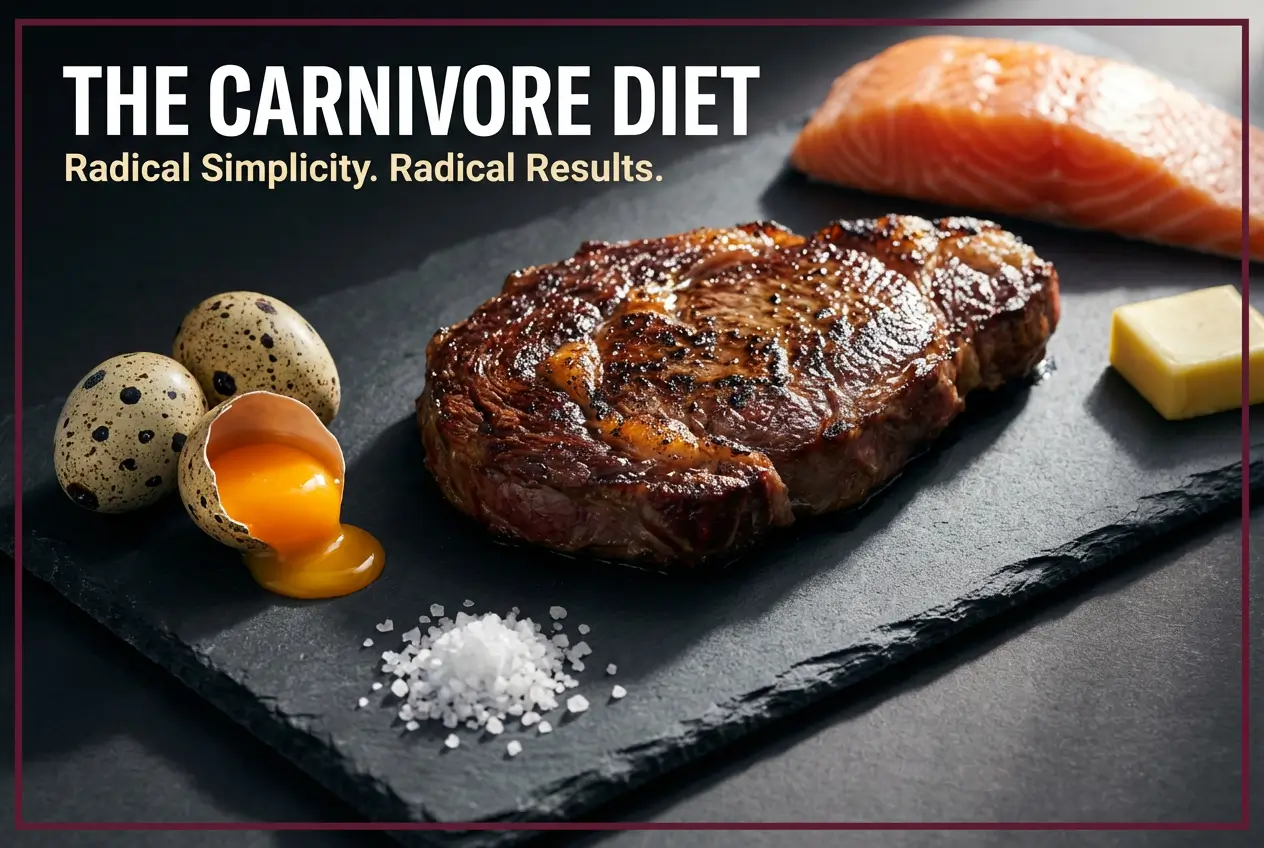
The Carnivore Diet strips nutrition down to its evolutionary roots. Animal products only. Zero plants.
This isn’t a fad, it’s an elimination protocol that removes every potential dietary irritant and lets your body function the way 2 million years of evolution designed it to.
For some people, it’s a temporary reset. For others, it becomes a permanent solution to chronic health problems that conventional medicine couldn’t touch.
What Is the Carnivore Diet?
The definition of the Carnivore diet is simple. You eat meat, fish, eggs, and animal products. You eliminate everything else.
❌ No vegetables.
❌ No fruits.
❌ No grains.
❌ No legumes.
❌ No seed oils.
❌ No processed foods.
❌ No supplements (except electrolytes during adaptation).
This is NOT keto with a steak. This is NOT paleo with more meat. This is an animal-based, zero-carb elimination diet that forces your body to run on fat and protein alone.
The diet operates by removing all plant defense chemicals, antinutrients, and inflammatory triggers. Let your gut heal. Let your immune system calm down. Then assess how you feel.
Why Your Gut Wasn’t Built for Modern Plants
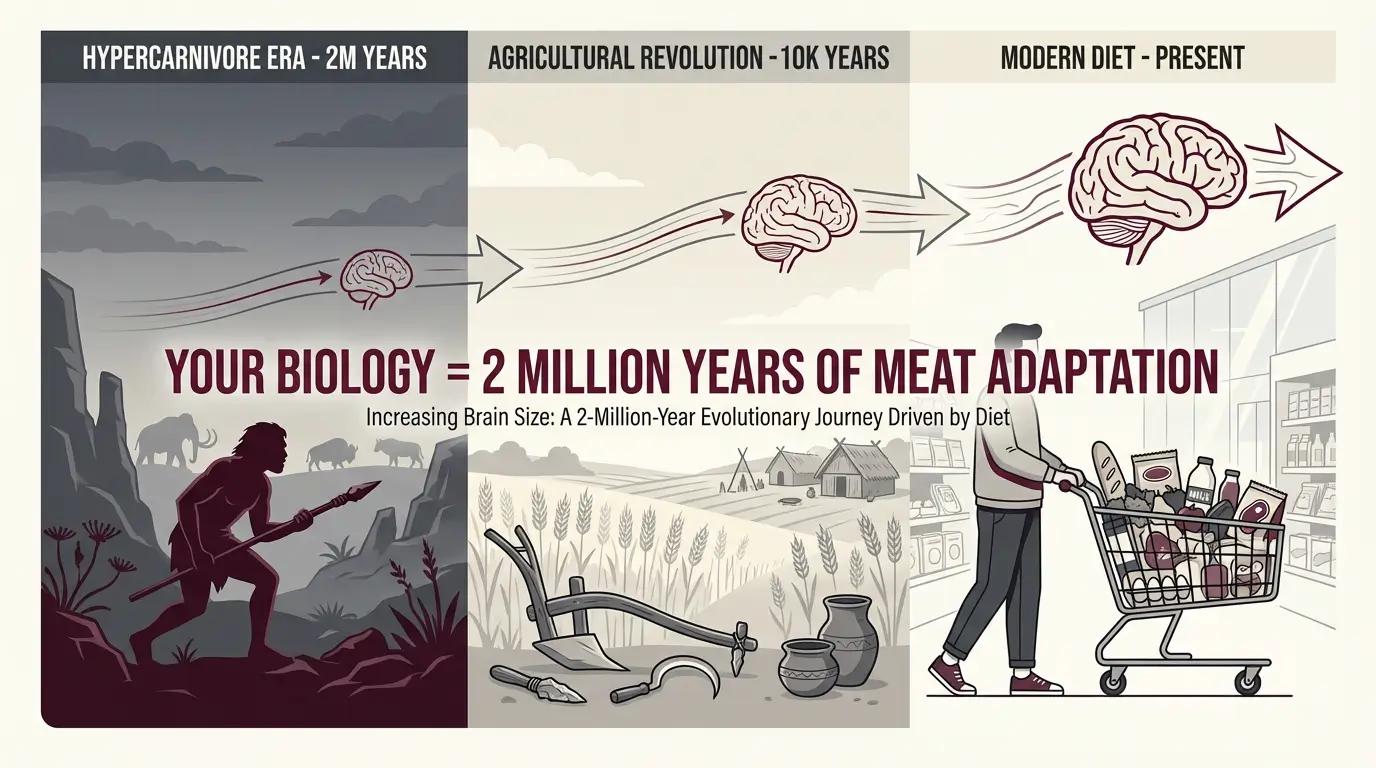
Humans evolved as hypercarnivores for roughly 2 million years [1].
Our brains tripled in size when we started eating energy-dense animal foods. Our digestive tracts shortened. Our stomachs became highly acidic (pH 1.5 to 3.5, similar to scavengers and carnivores) to break down meat and kill pathogens [2].
Our Stone Age biology is mismatched with our modern agricultural diet [3]. We’ve been eating cultivated plants for only 10,000 years (a blink in evolutionary time), and our guts haven’t adapted to handle the defensive compounds plants produce to avoid being eaten.
Plants can’t run. They can’t fight. So they evolved chemical warfare: Lectins, oxalates, phytates, saponins, tannins, and alkaloids. These compounds bind to nutrients, damage gut lining, and trigger immune responses in susceptible individuals.
Your ancestors ate these plants during times of scarcity. You eat them three times a day, every day, believing they’re “health foods.”
Who Is This Diet For?
Not everyone needs this level of intervention. But three groups consistently report dramatic improvements:
✅ The Autoimmune Sufferer: You’ve been diagnosed with Hashimoto’s, rheumatoid arthritis, Crohn’s disease, ulcerative colitis, or another autoimmune condition. You’ve tried elimination diets (AIP, low FODMAP, gluten-free) with minimal results. You’re desperate for remission.
✅ The Weight Loss Stalled: You’ve tried everything. Low-fat, low-carb, intermittent fasting, calorie restriction. The scale won’t budge. Your hormones are wrecked. Your hunger is never satisfied.
✅ The Mental Clarity Seeker: You battle brain fog, depression, or anxiety. You suspect your gut is connected to your mood, but no one can tell you why SSRIs aren’t working.
If you’re metabolically healthy, happy, and thriving on your current diet, you don’t need this. But if you’re reading this because nothing else has worked, pay attention.
The Science: Why It Works (Beyond “Calories In, Calories Out”)
Now that you understand who benefits most, let’s examine the biological mechanisms that make this diet so effective for these specific problems.
Antinutrients: Plant Defense Mechanisms
Plants don’t want to be eaten. They protect themselves with antinutrients, toxic compounds designed to deter predators and inhibit digestion.
Lectins are proteins that bind to carbohydrates on cell membranes, particularly in your gut lining. They increase intestinal permeability (leaky gut), allowing undigested food particles and bacterial endotoxins into your bloodstream [4]. This triggers systemic inflammation and immune activation.
Oxalates are sharp, crystalline compounds found in spinach, almonds, sweet potatoes, and other “superfoods.” They bind to calcium, forming kidney stones. They accumulate in joints, causing pain that mimics arthritis. High oxalate intake correlates with vulvodynia, interstitial cystitis, and fibromyalgia in sensitive individuals [5].
Phytates (phytic acid) bind to minerals like iron, zinc, magnesium, and calcium, preventing absorption. You can eat a spinach salad loaded with iron, but your body absorbs almost none of it because phytates block the pathway [6].
When you remove plants, you remove these chemical irritants. Your gut stops fighting a daily battle.
⚠️ PLANT DEFENSE CHEMICALS AT A GLANCE
- Lectins → Damage gut lining, trigger immune response
- Oxalates → Form kidney stones, accumulate in joints
- Phytates → Block mineral absorption (iron, zinc, magnesium)
- Saponins → Increase intestinal permeability
- Tannins → Inhibit digestive enzymes
Gut Rest & Repair: The Fiber Paradox
“You need fiber for gut health.”
Do you?
Fiber is indigestible plant material that ferments in your colon, feeding bacteria. For healthy people, this might be fine. For people with IBS, SIBO, or inflammatory bowel disease, fiber is gasoline on a fire.
A 2012 study published in the World Journal of Gastroenterology found that patients who STOPPED eating fiber experienced complete resolution of symptoms, while those who continued high-fiber diets saw no improvement [7]. Constipation, bloating, and pain disappeared when fiber was removed.
The carnivore diet eliminates fiber entirely. Your gut lining gets a break from constant mechanical irritation and bacterial fermentation. Intestinal permeability decreases. Inflammation drops.
Insulin & Gluconeogenesis
Carbohydrates spike insulin. Insulin stores fat and blocks fat burning. This is basic endocrinology.
When you eat zero carbs, your body shifts into gluconeogenesis (the creation of glucose from protein) and ketosis (the burning of fat for fuel). Your insulin levels plummet. Your body becomes metabolically flexible, switching easily between burning dietary fat and stored body fat [8].
You don’t need carbs to survive. Your liver produces exactly the amount of glucose your brain needs (around 120g per day) from amino acids. The rest of your body runs on ketones and fatty acids.
This metabolic state improves insulin sensitivity, stabilizes blood sugar, and eliminates the energy crashes that come from riding the glucose roller coaster.
Nutrient Bioavailability: Meat vs. Plants
Not all nutrients are created equal.
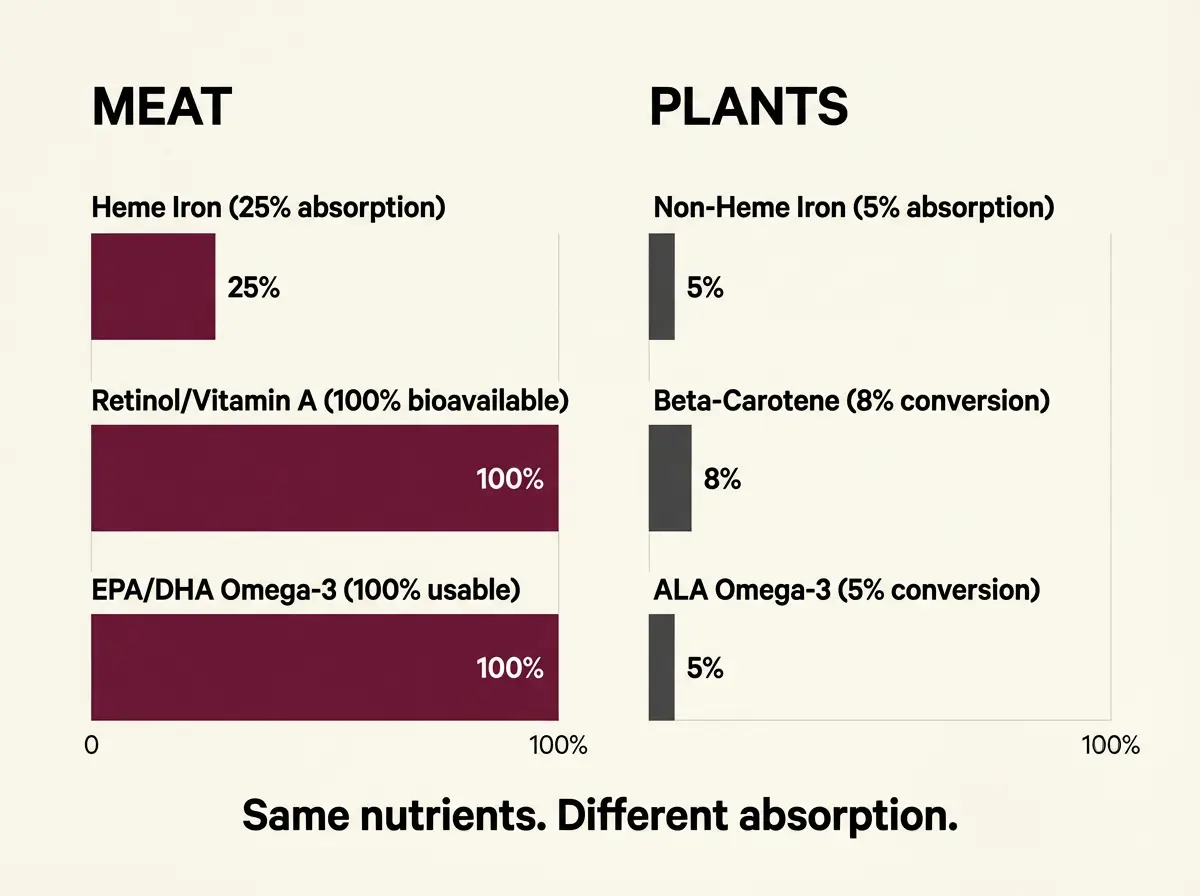
Heme iron (from meat) has an absorption rate of 15 to 35 percent. Non-heme iron (from plants) has an absorption rate of 2 to 20 percent, and it’s further reduced by phytates and polyphenols [9].
Vitamin A from plants (beta-carotene) must be converted to retinol in your body. The conversion rate is poor (around 3 to 12 percent), and many people have genetic variants that make this conversion nearly impossible [10]. Retinol from liver and egg yolks is immediately bioavailable.
Omega-3 fatty acids from plants (ALA) must be converted to EPA and DHA. The conversion rate is less than 5 percent [11]. EPA and DHA from fish are directly usable.
Meat delivers nutrients in their most bioavailable forms. You absorb more with less food.
The Benefits: What to Expect
The biochemistry makes sense. But what does this actually feel like in your body? Let’s look at the tangible benefits people report.
Simplicity & Freedom
Decision fatigue is real. Every meal requires planning, shopping, prepping, and cleanup. You calculate macros. You read labels. You stress about whether your salad dressing has hidden sugar.
The carnivore diet eliminates 90 percent of food decisions. You eat meat. You salt it. You’re done.
This psychological relief is underrated. You stop obsessing over food. You stop negotiating with yourself about whether you “deserve” a treat. You eat when you’re hungry. You stop when you’re full.
Radical Weight Loss
The carnivore diet regulates hunger hormones better than any other dietary intervention.
Leptin (the satiety hormone) signals your brain when you’ve had enough food. Ghrelin (the hunger hormone) tells you when to eat. In metabolically damaged individuals, these signals are broken. You’re always hungry, even after eating.
High-protein, high-fat meals suppress ghrelin and increase leptin sensitivity [12]. You feel satisfied after eating. You don’t crave snacks. You naturally eat less without counting calories.
People consistently report losing 10 to 30 pounds in the first month, then continuing to lose 1 to 2 pounds per week until they reach their natural set point.
Mental Health: The Brain Fog Lift
Your gut produces 90 percent of your body’s serotonin [13]. When your gut is inflamed, your neurotransmitter production suffers. Brain fog, depression, and anxiety often have roots in gut dysfunction.
Removing inflammatory foods allows your gut to heal. Serotonin production normalizes. People report clarity, focus, and mood stability they haven’t felt in years.
Dr. Georgia Ede, a Harvard-trained psychiatrist, states: “The brain is made mostly of fat and cholesterol. When we eat a diet rich in animal foods, we provide the brain with the raw materials it needs to function optimally” [14].
Lowering Systemic Inflammation
C-reactive protein (CRP) is a blood marker of systemic inflammation. Elevated CRP correlates with autoimmune disease, cardiovascular disease, and metabolic syndrome.
Case studies from carnivore practitioners show dramatic drops in CRP levels after 30 to 90 days on the diet [15]. Rheumatoid arthritis pain decreases. Psoriasis clears. Crohn’s disease goes into remission.
Orthopedic surgeon Dr. Shawn Baker, one of the most vocal carnivore advocates, has documented thousands of patient testimonials showing improvements in autoimmune conditions, joint pain, and chronic inflammation [16].
This isn’t a cure. It’s a management strategy. But for people who’ve exhausted every other option, it’s life-changing.
The Food List: What to Eat
You’re convinced the theory works. Now you need to know exactly what to put on your plate. Let’s break down the food list.
| TIER | FOODS | FREQUENCY | NOTES |
|---|---|---|---|
| Tier 1: Foundation | Beef, lamb, bison, venison, salt, water | Eat freely | Focus on fatty cuts (80/20). Use Redmond Real Salt. |
| Tier 2: Good | Pork, chicken, eggs, fish, seafood | Eat often | Watch omega-6 in poultry. Prioritize wild-caught fish. |
| Tier 3: Convenience | Beef sticks, biltong, pemmican | Emergency snacks | Zero sugar. No fillers. Read labels obsessively. |
| Tier 4: Gray Area | Butter, ghee, heavy cream, cheese, spices | Test tolerance | Eliminate first 30 days, then reintroduce. |
How to Start: The 30-Day Protocol
You know what to eat. Now let’s talk about execution. The first 30 days determine whether you succeed or quit.
Preparation: Setting Up for Success
Clean your pantry. Remove temptations. If you live with family, designate a carnivore shelf in the fridge.
Invest in resources. Don’t guess at meal times.
Get a cookbook: The Carnivore Cookbook by Maria Emmerich or The Carnivore Code Cookbook by Dr. Paul Saladino. These provide nose-to-tail variety and keep meals interesting.
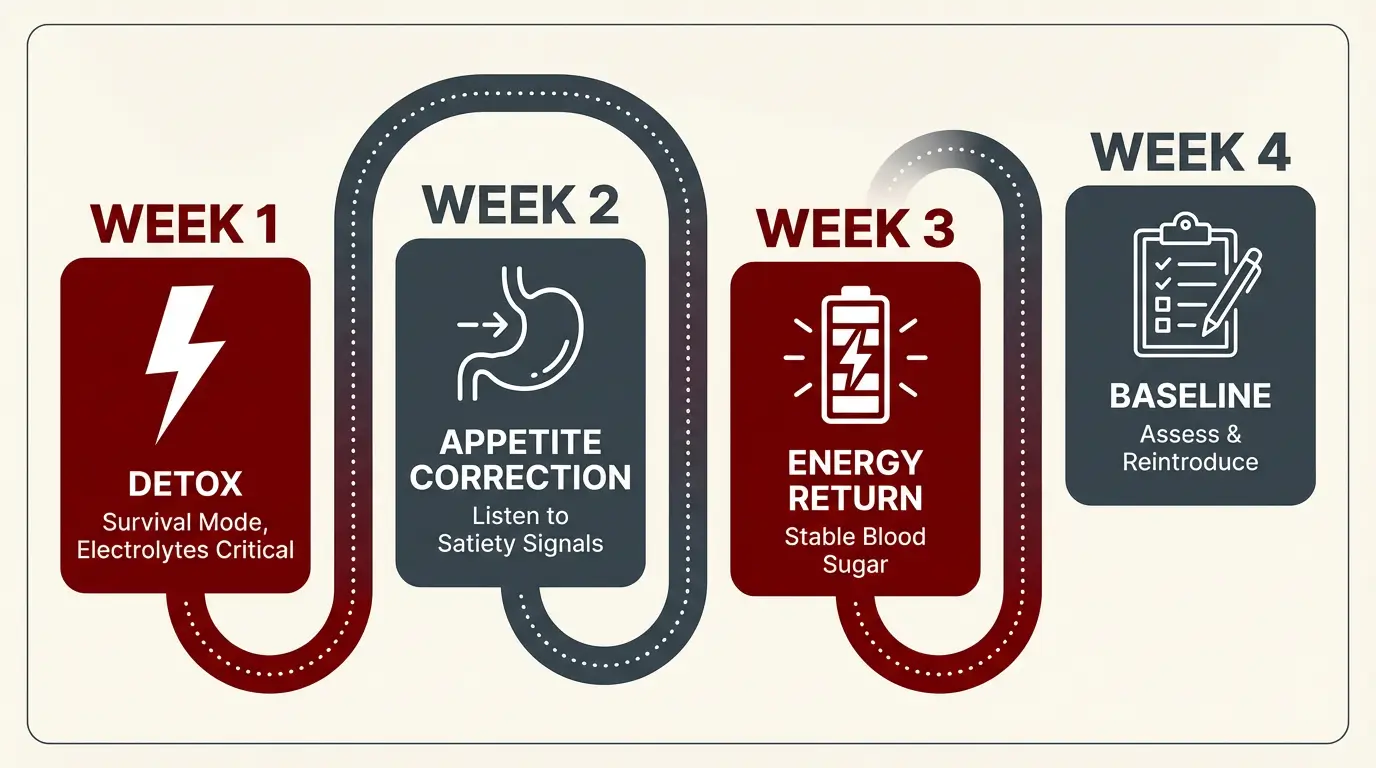
Week 1: The Detox (Survival Mode)
This week is brutal. Your body is withdrawing from carbohydrates. You’re flushing glycogen (stored glucose) and the water it holds. You’re losing electrolytes.
Expect headaches, fatigue, irritability, and muscle cramps. This is the “keto flu,” and it’s entirely preventable with proper electrolyte management.
The Electrolyte Imperative: Don’t rely solely on salting your food. You need targeted supplementation.
Use Dr. Berg’s Electrolyte Powder or LMNT (unsweetened/stevia-free if strict). These provide high potassium and magnesium ratios needed during glycogen dumping.
Why does this matter? When you deplete glycogen, you lose 3 to 4 grams of water per gram of glycogen [17]. That water carries sodium, potassium, and magnesium out of your body. If you don’t replace them, you feel like death.
Week 2: The Appetite Correction
Your hunger hormones are recalibrating. You’ll experience “meat aversion,” a natural satiety signal that tells you to stop eating. Listen to it.
DO NOT count calories. Eat until you’re full. Your body knows what it needs.
Some people eat twice a day. Some eat once. Some graze. There’s no rule.
Week 3: The Energy Return
Energy stabilizes. You stop crashing at 3 PM. You wake up without an alarm. Your sleep improves.
Bowel movements change. You’ll poop less frequently (every 2 to 3 days is normal). Your stool will be smaller and firmer. This is NOT constipation. You’re absorbing more nutrients and producing less waste.
Week 4: The Baseline
Assess how you feel. Take notes. Track your weight, energy, mood, and any symptom improvements.
If you want to reintroduce foods (dairy, eggs, or specific plants), do it one at a time, waiting 3 to 5 days between additions. This isolates reactions.
Troubleshooting & Common Mistakes
Even with perfect execution, you’ll hit obstacles. Let’s troubleshoot the most common mistakes before they derail you.
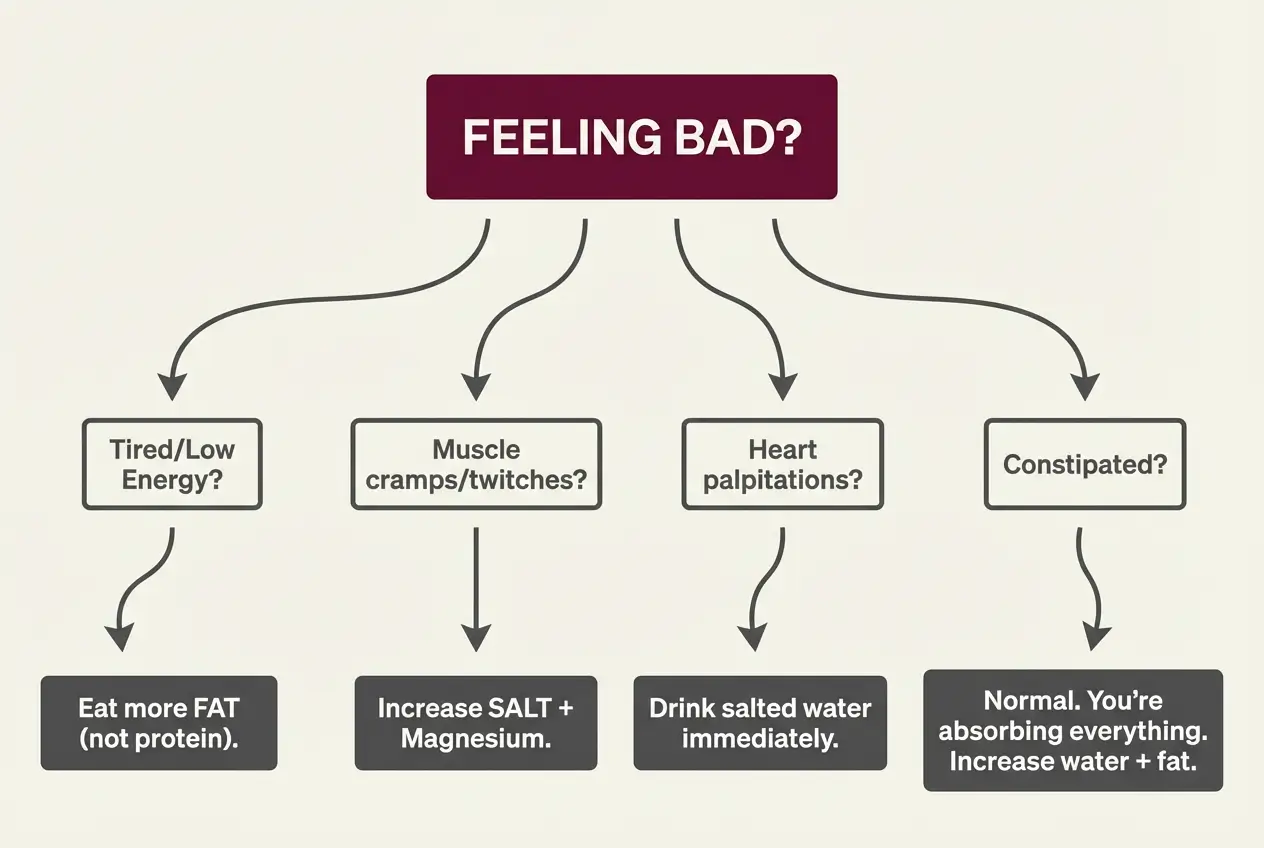
“I’m Tired”
You aren’t eating enough fat. The protein-to-fat ratio error is the number one mistake beginners make.
If you’re eating chicken breast and lean ground beef, you’re running on fumes. Your body needs fat for energy. Add butter, tallow, or fatty cuts like ribeye and pork belly.
“I Have Muscle Cramps”
You flushed your minerals. Increase salt intake immediately.
Supplement with Magnesium Glycinate (400mg before bed) or use the electrolyte powder mentioned in Week 1. Magnesium deficiency causes cramps, twitches, and insomnia.
“I Have Heart Palpitations”
Electrolyte imbalance, specifically low sodium. Sodium is your friend on this diet.
Drink a glass of water with half a teaspoon of salt. If palpitations stop within 15 minutes, you have your answer.
“It’s Too Expensive”
Ground beef is cheap. Eggs are cheap. Suet (beef fat trimmings) is often free at butcher shops.
Buy in bulk. Split a quarter cow with friends. Shop sales. Prioritize nutrition over convenience cuts.
Addressing the Risks & Controversies
You’re executing the protocol correctly. But your doctor is panicking about your cholesterol. Let’s address the controversies head-on.
Cholesterol & Heart Disease: The LDL Elephant
Your LDL cholesterol will likely increase on a high-fat, zero-carb diet. This terrifies doctors trained in the lipid hypothesis (the idea that high cholesterol causes heart disease).
But LDL is not a single entity. There are large, fluffy LDL particles (Pattern A) and small, dense LDL particles (Pattern B). Small, dense LDL is associated with cardiovascular risk. Large, fluffy LDL is not [18].
The carnivore diet typically increases large LDL particles while decreasing triglycerides and increasing HDL (the “good” cholesterol). This pattern is associated with LOWER cardiovascular risk, not higher [19].
If your doctor freaks out, ask for an advanced lipid panel (NMR or Cardio IQ). This breaks down particle size and number, giving a clearer picture of actual risk.
Vitamin C Deficiency: The Scurvy Myth
“You’ll get scurvy without plants.”
Scurvy is caused by severe, prolonged vitamin C deficiency. Sailors got scurvy after months at sea eating hardtack and salt pork with zero fresh food.
Fresh meat contains small amounts of vitamin C (10 to 30mg per pound, concentrated in organ meats). More importantly, glucose and vitamin C compete for the same cellular receptors [20]. When you eat zero carbs, your body needs far less vitamin C because glucose isn’t blocking absorption.
Inuit populations survived on all-meat diets for thousands of years without scurvy [21]. You will too.
Fiber & The Microbiome: Challenging the Dogma
“You need fiber to feed your gut bacteria.”
Do you need to feed the bacteria that are causing inflammation?
The gut microbiome adapts to your diet. When you eat plants, you cultivate fiber-fermenting bacteria. When you eat meat, you cultivate proteolytic (protein-digesting) bacteria [21].
Neither is inherently “better.” The question is: Which microbiome makes YOU feel better?
For people with SIBO, IBS, or IBD, reducing bacterial fermentation often improves symptoms dramatically.
You’re thriving at home. But what happens when you leave the house? Let’s talk real-world execution.
Carnivore Lifestyle: Social & Practical Tips
Dining Out
| RESTAURANT TYPE | ORDER THIS | AVOID THIS |
|---|---|---|
| Steakhouse | Ribeye cooked in butter, side of eggs | Baked potato, bread basket, salad |
| Burger Joint | 3 patties, no bun, no sauce, add cheese | Fries, ketchup, special sauce |
| Mexican | Carne asada or carnitas, extra meat | Rice, beans, tortillas, chips, salsa |
| Breakfast Diner | Steak and eggs, bacon, sausage | Pancakes, toast, hash browns, juice |
| BBQ Restaurant | Brisket, ribs (dry rub only), pulled pork | BBQ sauce (sugar), coleslaw, cornbread |
Travel Hacks
Airports and gas stations are nutritional wastelands. Plan ahead.
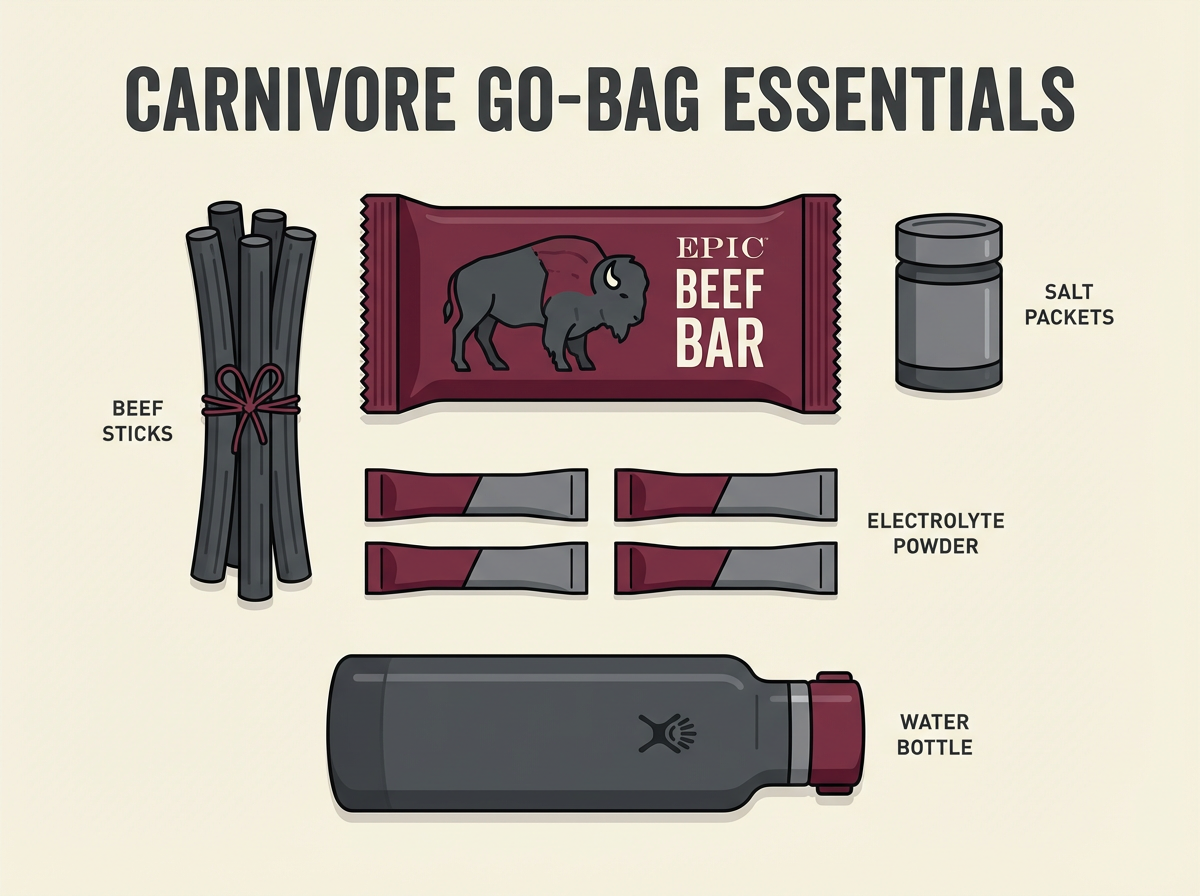
Pack Epic Bars (venison or beef), beef sticks, or pemmican (a shelf-stable mix of dried meat and fat). These survive long flights and road trips without refrigeration.
Bring salt packets. Bring electrolyte powder. Stay hydrated.
Dealing with Criticism
People will question you. They’ll call it extreme, dangerous, or “unbalanced.”
Don’t preach. Don’t argue. Keep it simple:
“I’m doing an elimination diet for health reasons. It’s working for me.”
If they push, redirect:
“My doctor is monitoring my labs. I appreciate your concern.”
You don’t owe anyone a dissertation on evolutionary biology at Thanksgiving dinner.
FAQ
The N=1 Experiment
This diet is not a religion. It’s a tool.
Some people use it as a 30-day reset. Some stay on it for years. Some add back select plants after identifying their triggers.
The only way to know if it works for YOU is to try it.
Commit to 30 days. Track your symptoms. Get baseline labs before you start (CRP, fasting insulin, lipid panel, thyroid markers). Retest at 90 days.
Your body will tell you the truth. Listen to it.
If you’re ready to start, assemble your starter bundle: Redmond Real Salt, an electrolyte powder (Dr. Berg’s or LMNT), and a carnivore cookbook (Maria Emmerich or Paul Saladino). These three resources will carry you through the first month.
The carnivore diet is not for everyone. But if you’re suffering, if conventional advice has failed you, if you’re willing to experiment with your own biology, this might be the intervention that changes everything.
Your body knows how to heal. You just need to stop poisoning it.
References
- American Journal of Physical Anthropology – “The evolution of the human trophic level during the Pleistocene” – 2021
- PLOS ONE – “The Evolution of Stomach Acidity and Its Relevance to the Human Microbiome” – July 2015
- American Journal of Clinical Nutrition – “Origins and evolution of the Western diet: health implications for the 21st century” – February 2005
- Liebert Pub – “Dietary Lectins: Gastrointestinal and Immune Effects” – August 2020
- Clinical Nutrition Research – “Dietary Oxalate and Kidney Stone Formation” – July 2013
- Nutrients – “Phytate in Foods and Significance for Humans: Food Sources, Intake, Processing, Bioavailability, Protective Role and Analysis” – October 2018
- World Journal of Gastroenterology – “Stopping or reducing dietary fiber intake reduces constipation and its associated symptoms” – September 2012
- Annual Reviews – “Metabolic Effects of Intermittent Fasting” – November 2017
- The American Journal of Clinical Nutrition – “Iron bioavailability and dietary reference values” – May 2010
- The Journal of Nutrition – “Conversion of β-carotene to vitamin A in humans” – September 2002
- Current Opinion in Clinical Nutrition and Metabolic Care – “Efficiency of conversion of α-linolenic acid to long chain n-3 fatty acids in man” – October 2002
- Obesity Reviews – “Protein, weight management, and satiety” – May 2008
- Annals of Gastroenterology – “The gut-brain axis: interactions between enteric microbiota, central and enteric nervous systems” – April 2015
- Dr. Georgia Ede – Quote on brain composition and animal foods
- Discoveries – “Role of C-reactive protein in disease progression, diagnosis and management” – 2023
- YouTube – Shawn Baker MD – The Joe Rogan Podcast
- American Journal of Clinical Nutrition – “Glycogen storage: illusions of easy weight loss, excessive weight regain, and distortions in estimates of body composition“ – July 2000
- Journal of Clinical Lipidology – “LDL Particle Number and Risk of Future Cardiovascular Disease” – December 2013
- Journal of Clinical Lipidology – “Low-carbohydrate diets and cardiometabolic health” – September 2019
- The American Journal of Clinical Nutrition – “Glucose and vitamin C competition for cellular uptake” – December 2007
- Discover Magazine – The Inuit Paradox
- Nature – “Diet rapidly and reproducibly alters the human gut microbiome” – December 2013
