
The 7 Best Astaxanthin Supplements Tested for Purity & Absorption
Stop wasting money on poorly absorbed synthetic formulas. We analyzed 42 brands based on microalgae sourcing, carrier oils, and clinical dosages to find the supplements that actually work.
To determine the best astaxanthin supplement, our editorial team spent 45 hours reviewing 42 different products currently available on the market. Our data collection covers products available and tested between January 2025 and March 2026. We applied strict elimination criteria. Any supplement using synthetic astaxanthin (derived from petrochemicals) or lacking a lipid-based carrier oil was immediately disqualified. We evaluated the remaining products on four dimensions. Clinical dosage accuracy (ranging from 4mg to 12mg), the transparency of the microalgae source (favoring patented, traceably cultivated ingredients like AstaReal®, BioAstin®, and AstaLif™), the quality of the carrier oil used for absorption, and verified third-party testing for heavy metals and biological contaminants. Limitations of this methodology include potential formulation changes by manufacturers after publication and the fact that individual physiological responses to astaxanthin dosage vary based on personal gut absorption rates and baseline diet.
If you are searching for the best astaxanthin supplement, prioritize products using natural Haematococcus pluvialis microalgae paired with a high-quality carrier oil like MCT (medium-chain triglycerides) or virgin olive oil.
Our top overall pick is Sports Research Triple Strength Astaxanthin (12mg) because it uses pure Icelandic AstaLif™, organic coconut oil for bioavailability, and rigorous third-party testing.
For targeted skin health, Doctor’s Best Astaxanthin (6mg) offers the ideal clinically backed low dose using the patented AstaReal® formula.
Comparison Table
| Brand / Product | Dosage per Softgel | Raw Ingredient Source | Carrier Oil | Price Per Serving | Best Use Case |
|---|---|---|---|---|---|
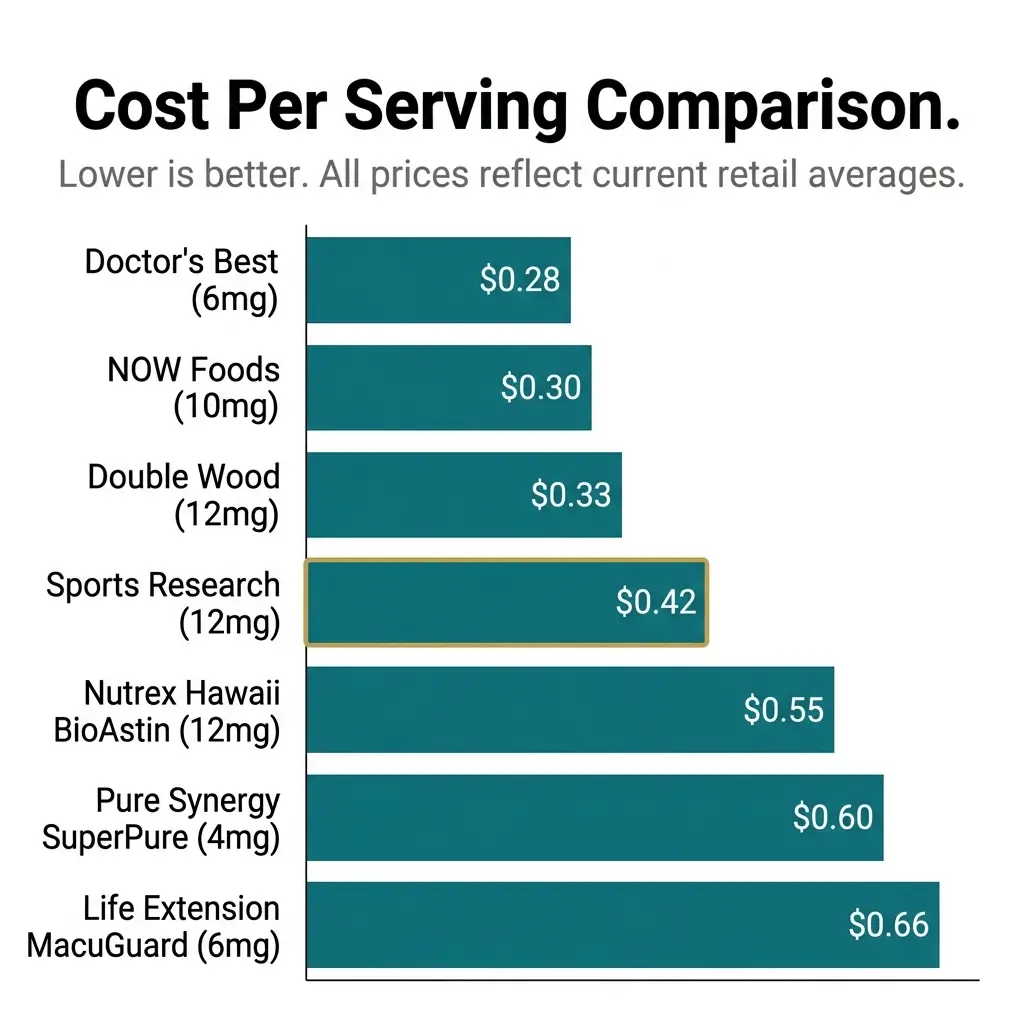
| Sports Research Triple Strength | 12mg | AstaLif™ (Iceland) | Organic Virgin Coconut Oil | ~$0.42 | Best Overall |
| Doctor’s Best Astaxanthin | 6mg | AstaReal® (Sweden) | Extra Virgin Olive Oil | ~$0.28 | Skin Health |
| Nutrex Hawaii BioAstin | 12mg | BioAstin® (Hawaii) | High Oleic Safflower Oil | ~$0.55 | Joint Recovery / Athletes |
| Double Wood Supplements | 12mg | AstaReal® (Sweden) | Olive Oil | ~$0.33 | Best Budget |
| Life Extension MacuGuard | 6mg | Natural H. pluvialis | Extra Virgin Olive Oil | ~$0.66 | Eye Health |
| The Synergy Company SuperPure | 4mg | Organic H. pluvialis | Organic Sunflower Lecithin | ~$0.60 | Best Vegan / Organic |
| NOW Foods Astaxanthin | 4mg | AstaReal® (Non-GMO H. pluvialis) | Organic Extra Virgin Olive Oil | ~$0.30 | Best Value High-Dose |
How We Evaluated the Supplements
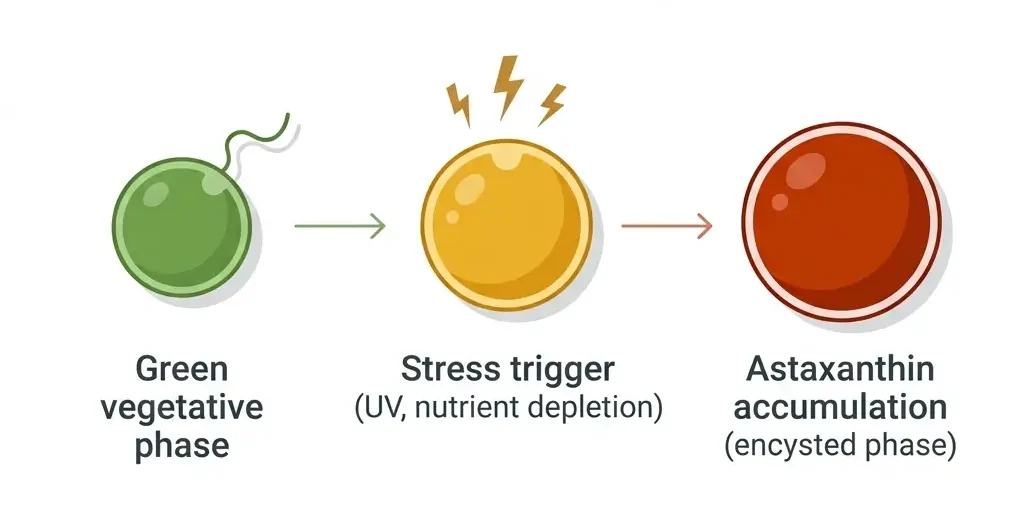
Every supplement we recommend uses astaxanthin derived from Haematococcus pluvialis, a freshwater microalgae. This is non-negotiable. H. pluvialis produces astaxanthin as a survival mechanism when exposed to environmental stress like UV radiation or nutrient deprivation [1].
The resulting pigment accumulates in esterified form, which your body absorbs far more efficiently than its synthetic counterpart [2].
If a label did not specify H. pluvialis as its source, we eliminated it immediately.
You will see three patented raw ingredient names appear repeatedly across premium brands.
- AstaReal® is produced in Sweden under indoor, pharmaceutical-grade conditions and carries the largest body of published clinical research on human health outcomes, with over 70 human clinical trials [3].
- BioAstin® is cultivated by Nutrex Hawaii in open-pond systems on the Kona Coast of Hawaii using natural sunlight and lava-filtered deep-sea water [4].
- AstaLif™ is an Icelandic extract produced using geothermal energy and a solvent-free CO2 extraction process [5].
When you see one of these three names on a label, you can trace the astaxanthin back to a verified, controlled cultivation system. Generic “natural astaxanthin” without a named source raised a red flag in our analysis.
Astaxanthin is lipid-soluble. Bioavailability = the degree your body absorbs and uses a nutrient. Without dietary fat present during digestion, your intestinal absorption drops significantly.
A 2003 study published in the European Journal of Pharmaceutical Sciences found that lipid-based formulations meaningfully increased oral bioavailability of astaxanthin in humans compared to formulations without a lipid carrier [6].
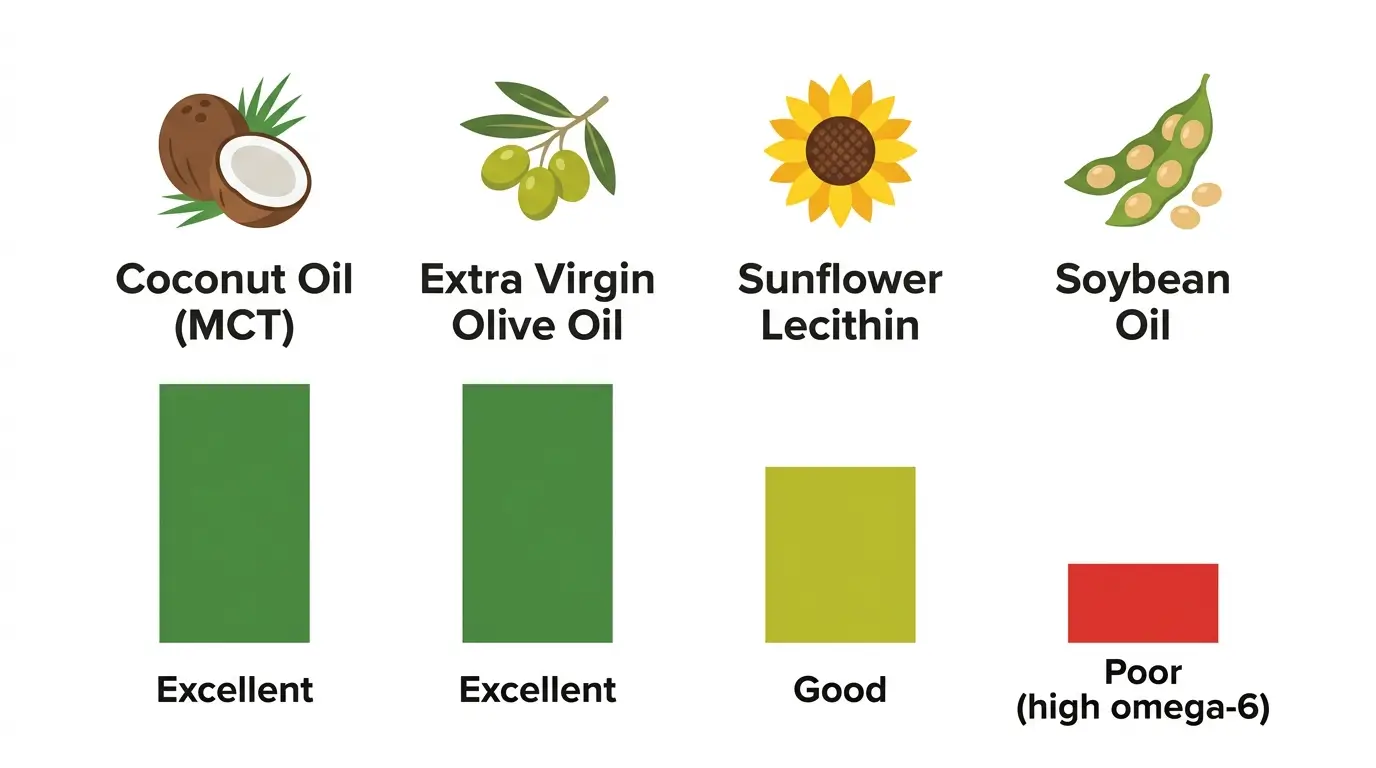
We heavily favored supplements suspended in organic virgin coconut oil (rich in MCTs), extra virgin olive oil, or sunflower lecithin.
We penalized any product using soybean oil as its primary carrier because of its high omega-6 content and inflammatory profile, which runs counter to the anti-inflammatory purpose of taking astaxanthin in the first place.
A supplement can claim 12mg on the label and deliver 7mg in reality.
We prioritized brands that publish certificates of analysis (CoAs) from independent labs verifying potency, and that test for heavy metals (arsenic, lead, cadmium, mercury), microbial contamination, and solvent residues.
Non-GMO Project Verification and NSF certification added further credibility in our scoring.
The 7 Best Astaxanthin Supplements (Detailed Reviews)
Our Top Pick
If you want the best astaxanthin supplement overall, go with Sports Research Triple Strength Astaxanthin (12mg). It uses Icelandic AstaLif™ in organic coconut oil for maximum absorption, carries Non-GMO Project Verification, and publishes third-party test results. Cost per serving: ~$0.42.
For targeted skin health at a lower clinical dose, Doctor’s Best Astaxanthin (6mg) uses AstaReal® in extra virgin olive oil at the exact dosage used in skin elasticity and moisture trials. Cost per serving: ~$0.28.
1. Best Overall: Sports Research Triple Strength Astaxanthin (12mg)
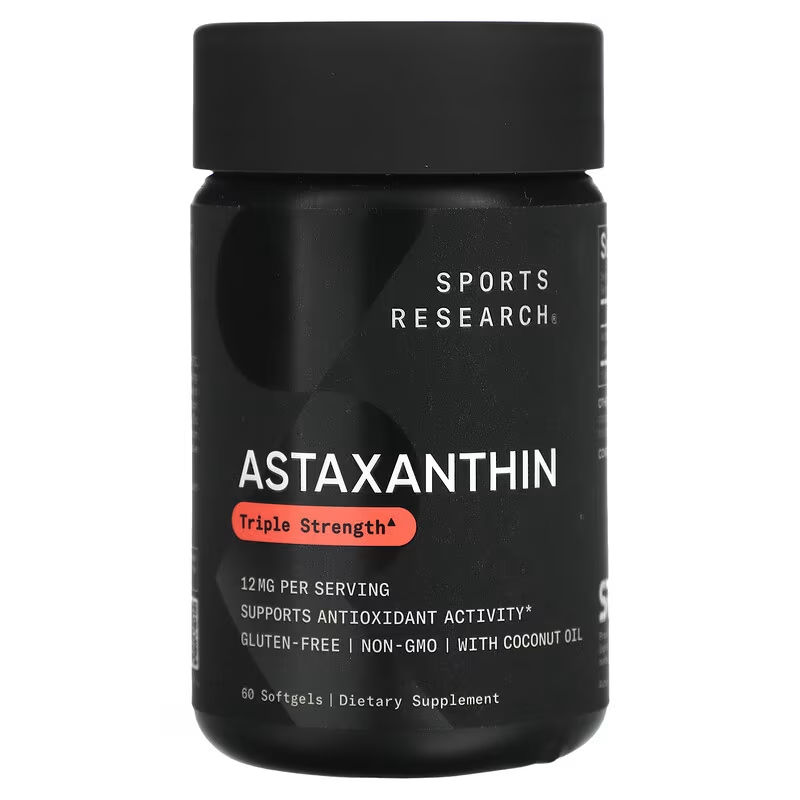
Sports Research wins our top spot because it hits every metric we evaluate.
- It uses AstaLif™, a pure, cold-pressed astaxanthin sourced from Haematococcus pluvialis cultivated using geothermal energy in Iceland [5].
- The extraction uses supercritical CO2 extraction (a clean method that uses pressurized carbon dioxide instead of chemical solvents), which preserves the esterified structure of the carotenoid [5].
- The astaxanthin sits in organic virgin coconut oil, rich in MCTs, maximizing lipid-soluble absorption [5][6].
- It carries Non-GMO Project Verification, and Sports Research publishes third-party testing results for heavy metals and potency [5].
The 12mg dose targets the upper end of the clinical range used in studies on joint health, exercise recovery, and systemic antioxidant protection. At approximately $0.42 per serving for 60 softgels, the cost per serving sits in the mid-range for premium astaxanthin.
“Is there any downside?” The softgel uses bovine gelatin, so it is not suitable for vegans. If that matters to you, skip down to pick #6.
Cost per serving: ~$0.42
*Use iHerb discount code → GIX3955 for 10% OFF on your first order or 5% OFF if you’re an existing customer.
2. Best for Skin Health (Low-Dose): Doctor’s Best Astaxanthin (6mg)
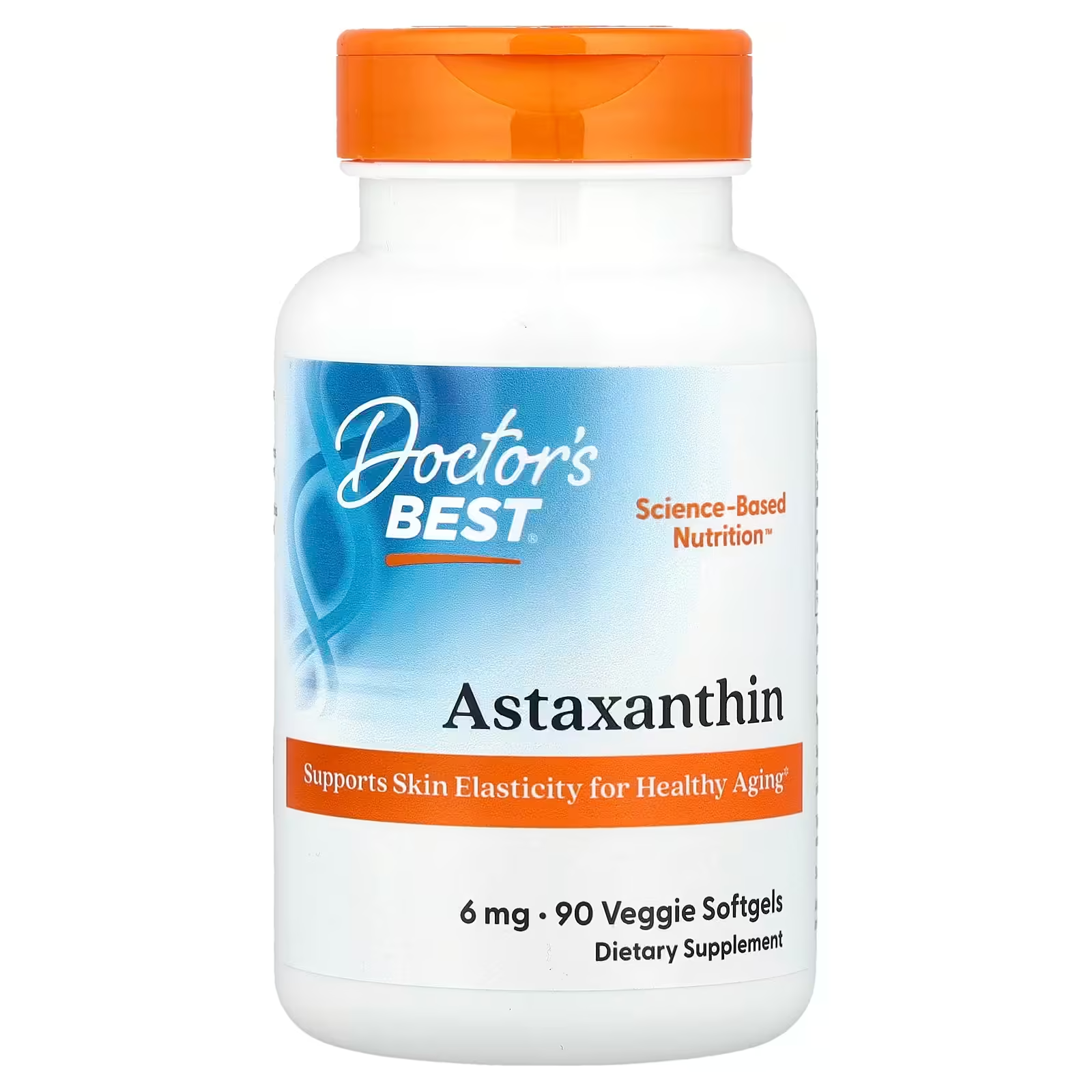
Clinical trials examining skin elasticity, moisture, and wrinkle depth have primarily used daily doses in the 4mg to 6mg range [7].
A 16-week randomized, double-blind, placebo-controlled study by Tominaga et al. (2017) found that 6mg and 12mg daily doses prevented worsening of moisture content and wrinkle parameters that were observed in the placebo group [7].
Doctor’s Best perfectly matches this clinical sweet spot using AstaReal®, the most studied astaxanthin raw material in the world [3].
The carrier is extra virgin olive oil, a clean lipid source that avoids inflammatory industrial seed oils. The capsule itself is vegetarian, using modified food starch instead of bovine gelatin [8].
At ~$0.28 per serving for 90 softgels, this is the best value pick for anyone focused on UV protection and skin aging.
(Ed. note: If you are targeting anti-aging skin benefits specifically, a lower dose of 4-6mg taken consistently for 8-16 weeks is better supported by clinical data than jumping straight to 12mg.)
Cost per serving: ~$0.28
3. Best for Joint Recovery and Athletes: Nutrex Hawaii BioAstin (12mg)
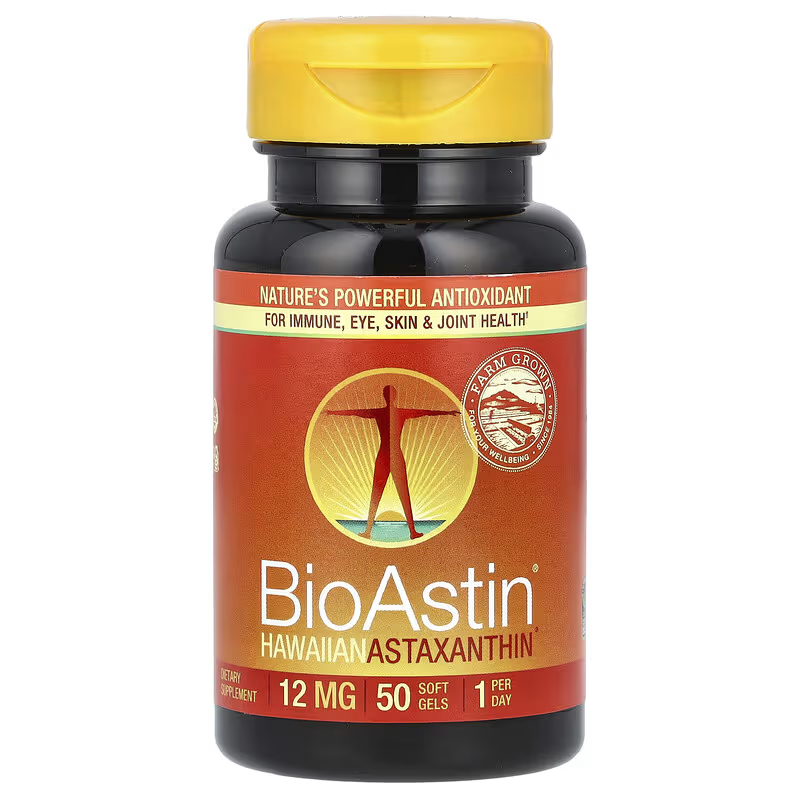
Nutrex Hawaii is the legacy brand in this category. They cultivate their own Haematococcus pluvialis in controlled, open-pond systems under the Hawaiian sun, using natural lava-filtered water from the Kona Coast [4].
This vertical integration means they control the entire supply chain from algae cultivation to finished softgel.
The 12mg high-dose formulation aligns with the dosing used in exercise and inflammation studies. A 2023 study published in Sports found that 4 weeks of supplementation at 12mg per day reduced subjective markers of delayed-onset muscle soreness in active individuals [9].
Endurance athletes have widely adopted BioAstin for this reason.
The carrier oil is high oleic safflower oil [4], which is not our top choice (we prefer MCT or olive oil), but it is a clean, non-GMO option with a favorable fatty acid profile. The softgel uses bovine gelatin.
At ~$0.55 per serving, it carries a premium price, but you are paying for Hawaiian provenance and decades of brand trust.
Cost per serving: ~$0.55
4. Best Budget / Cost-Per-Serving: Double Wood Supplements Astaxanthin (12mg)
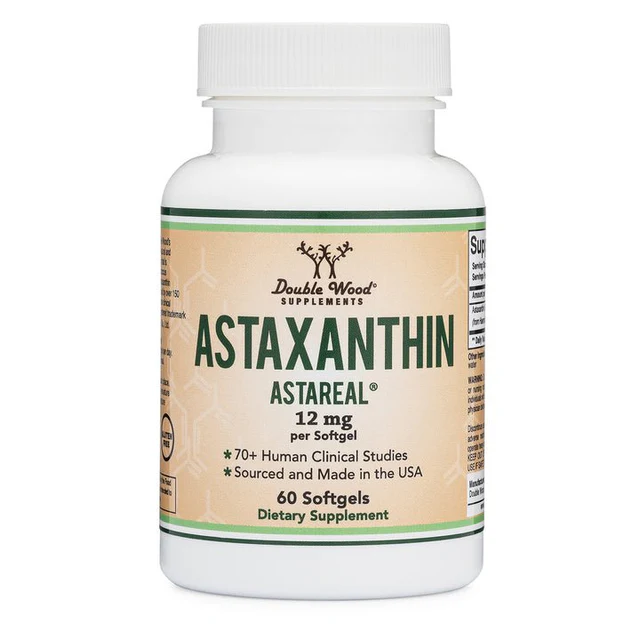
High-dose natural astaxanthin is expensive. Double Wood bridges the gap between premium sourcing and affordability.
Despite the low price point, they use patented AstaReal® as the raw ingredient, which means you get the same Swedish-cultivated, clinically studied astaxanthin found in much pricier products. [3][10]
The carrier oil is olive oil [10]. Double Wood publishes third-party certificates of analysis (CoAs) for heavy metals and potency on their website, which adds a layer of transparency that many budget brands skip. The product is manufactured in the USA.
At ~$0.33 per serving for 60 softgels, Double Wood offers the lowest cost per milligram of clinical-grade astaxanthin on our list. If you want a 12mg dose without paying a premium for brand heritage, this is the pick.
Cost per serving: ~$0.33
*Use Double Wood Supplements discount code → NEWFN10 for 10% OFF on your first order or FN5 for 5% OFF if you’re an existing customer.
5. Best for Eye Health: Life Extension MacuGuard Ocular Support
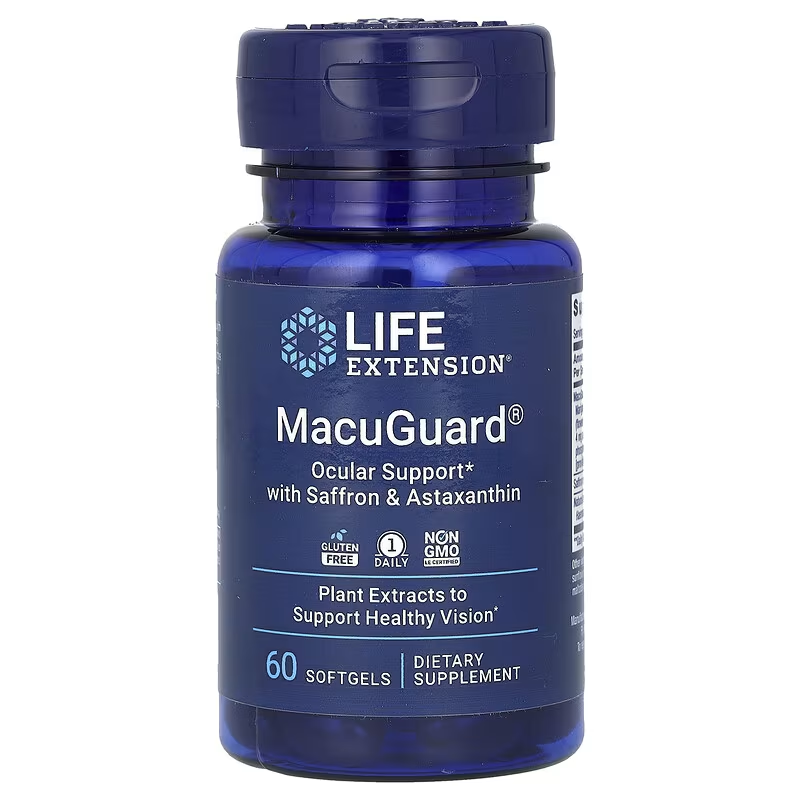
Astaxanthin can cross the blood-retinal barrier (a protective filter that controls which substances from your bloodstream reach the retina) [11], which makes it uniquely useful for ocular health among carotenoids.
But it works best for eye strain and macular support when paired with other ocular-specific compounds. Life Extension combines 6mg of natural astaxanthin (from H. pluvialis CO2 extract) with 10mg of lutein, 4mg of meso-zeaxanthin (a form of zeaxanthin concentrated in the center of the macula), and 20mg of saffron extract in a single daily softgel [12].
This multi-carotenoid approach targets the macular pigment layer directly. Lutein and zeaxanthin accumulate in the macula and act as a natural blue-light filter, while astaxanthin provides systemic antioxidant support to the retinal ganglion cells [11][12].
The carrier is extra virgin olive oil [12].
At ~$0.66 per serving, this is the most expensive pick on our list. You are paying for a multi-ingredient formula backed by Life Extension’s internal research team.
If your primary concern is digital eye strain, age-related macular changes, or general ocular protection, this formulation is difficult to match.
Cost per serving: ~$0.66
6. Best Vegan/Organic: The Synergy Company SuperPure Astaxanthin
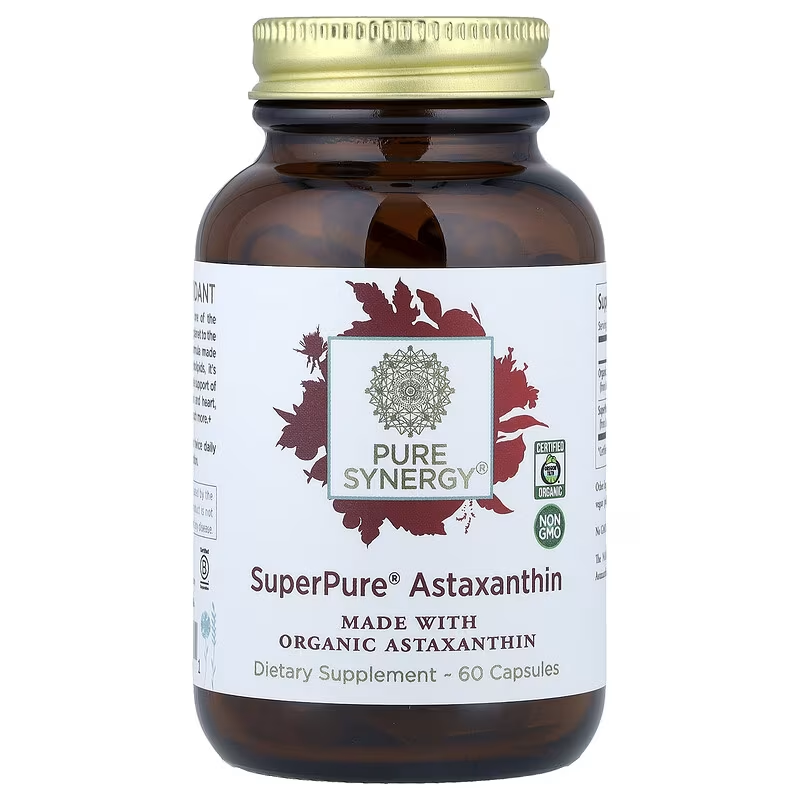
Most astaxanthin supplements use bovine gelatin for their softgels. The Synergy Company (now Pure Synergy) solved this problem by using a 100% vegan pullulan capsule (a plant-derived, water-soluble fiber used as an alternative to gelatin). More importantly, SuperPure is the first certified organic astaxanthin extract on the market [13].
The dosage is 4mg per capsule from certified organic Haematococcus pluvialis. To solve the bioavailability problem without relying on animal-derived fats, they pair the astaxanthin with organic sunflower lecithin, which consists of phospholipids (fat molecules that form the outer shell of every cell in your body), and organic whole grape pomace [13].
Phospholipid binding increases cellular uptake of lipid-soluble nutrients because it mimics the body’s natural transport mechanism.
The trade-off is dose. At 4mg per capsule, you would need to take two capsules daily to reach the 8mg range used in higher-dose clinical applications.
The label suggests 1-2 capsules per day.
At ~$0.60 per capsule, doubling up raises your daily cost to ~$1.20, which is steep. For a maintenance dose or skin-focused protocol, a single 4mg capsule is clinically supported [7].
Cost per serving: ~$0.60
7. Best Value High-Dose: NOW Foods Astaxanthin (10mg)
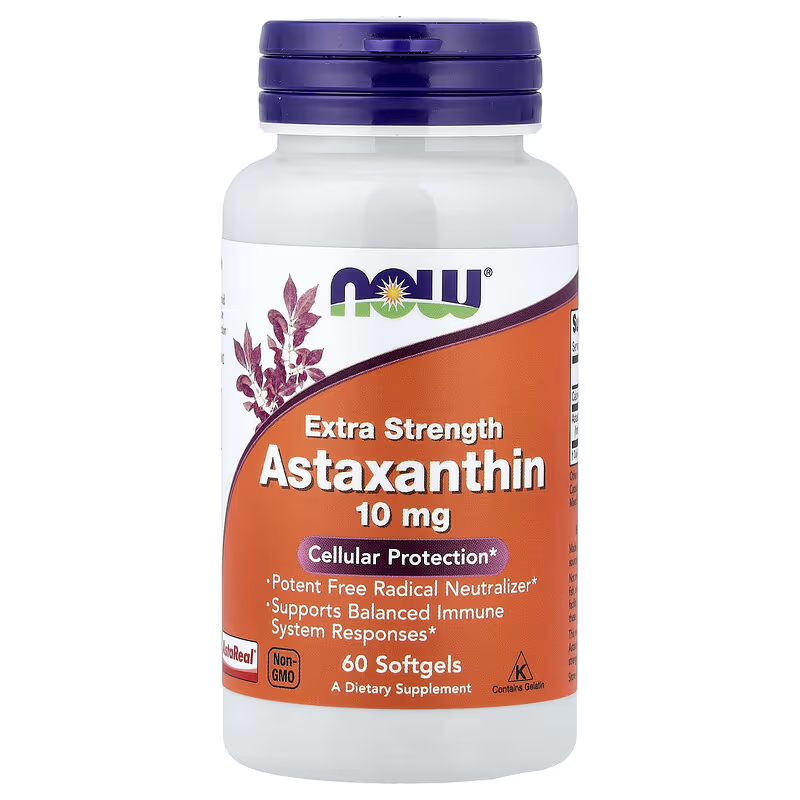
NOW Foods is one of the most established supplement manufacturers in the United States, operating NPA A-rated GMP-certified facilities and partnering with third-party labs for independent verification [22].
Their Extra Strength Astaxanthin delivers 10mg per softgel using AstaReal® sourced from non-GMO Haematococcus pluvialis microalgae [22][3].
The 10mg dose lands between the 6mg skin-focused protocols and the 12mg joint/athletic protocols, making it a versatile option for general antioxidant support. The carrier is organic extra virgin olive oil, which is one of the cleanest lipid vehicles on the market for astaxanthin absorption. [22]
Each softgel also naturally contains small amounts of lutein, canthaxanthin, and beta-carotene from the whole algae extract [22].
In August 2023, NOW Foods independently tested 22 astaxanthin products from competing brands sold on Amazon and Walmart. They found that 64% of lesser-known brands failed potency tests, meaning the actual astaxanthin content did not match the label claim [23].
NOW published these results publicly, which gives you a clear picture of their stance on transparency and testing integrity.
“Why not rank it higher?” The 10mg dose is slightly off the two most studied clinical thresholds (6mg for skin, 12mg for joints). It also uses bovine gelatin softgels, ruling it out for vegans.
But at ~$0.30 per serving for 60 softgels, the cost per milligram of AstaReal® astaxanthin is among the lowest on the market. For the price-conscious buyer who wants a strong dose from a trusted brand, this is the pick.
Cost per serving: ~$0.30
What Is Astaxanthin? (The Science)
Astaxanthin is a xanthophyll carotenoid (a specific subclass of plant pigments), a red-orange compound produced naturally by microalgae, bacteria, and yeast [1].
It belongs to the same family as beta-carotene, lutein, and zeaxanthin, but it outperforms all of them in antioxidant activity.
In lab tests measuring the ability to neutralize a specific type of free radical called singlet oxygen, natural astaxanthin demonstrated 6,000 times greater free radical scavenging activity than vitamin C, 550 times greater than vitamin E, and 40 times greater than beta-carotene [15].
What makes astaxanthin structurally different from other carotenoids is the presence of both a keto group and a hydroxyl group on each end of its molecule [1].
These polar end groups quench free radicals, while the conjugated double bonds (a chain of alternating single and double chemical bonds) across the middle segment neutralize high-energy electrons.
This dual mechanism allows astaxanthin to span the full width of a cell membrane bilayer, protecting both the interior and exterior of the cell simultaneously [1][16].
Your body produces free radicals constantly through metabolism, stress, and UV exposure. Oxidative stress = the imbalance between free radical production and your body’s antioxidant defenses.
Astaxanthin directly scavenges these free radicals AND activates your body’s internal antioxidant defense system through the Nrf2/HO-1 pathway, one of your cells’ built-in mechanisms for producing protective antioxidant enzymes [1].
Unlike beta-carotene, astaxanthin does NOT convert to vitamin A in the body, which eliminates the risk of vitamin A toxicity at high doses [1].
Natural vs. Synthetic Astaxanthin: A Warning
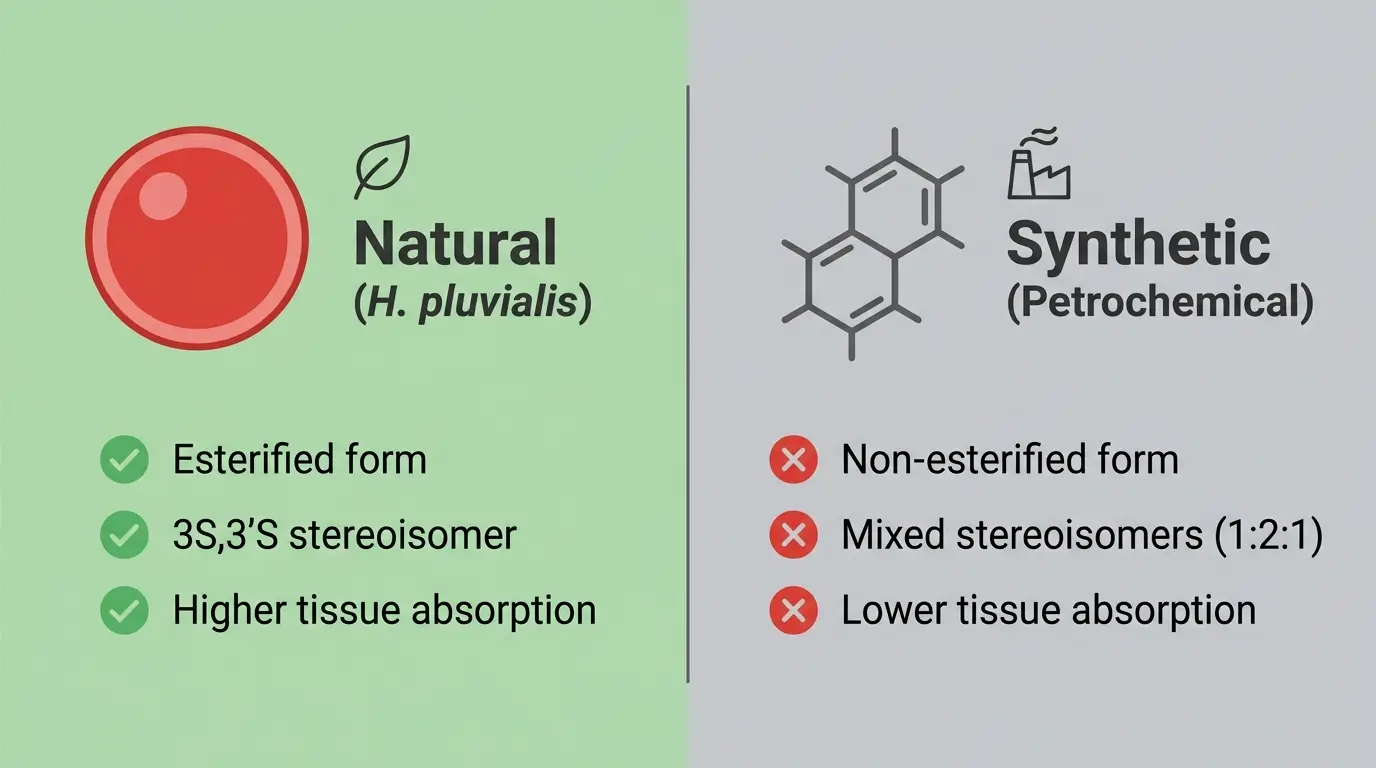
Approximately 95% of astaxanthin currently on the global market is produced synthetically from petrochemicals [1].
Manufacturers produce this synthetic version primarily for aquaculture feed, specifically to turn farmed salmon flesh pink. Manufacturers never designed it for human supplementation.
The structural differences are significant. Natural astaxanthin from H. pluvialis exists predominantly in the esterified form (monoester and diester), with the 3S,3’S stereoisomer configuration (molecules with the same atoms arranged in a specific 3D shape) [2].
Synthetic astaxanthin exists exclusively in the free (non-esterified) form and contains a mixture of stereoisomers in a 1:2:1 ratio [2].
Why does this matter to you? A 2018 study compared esterified astaxanthin from Haematococcus pluvialis against non-esterified synthetic astaxanthin in mice. The esterified form produced significantly higher plasma and tissue concentrations of astaxanthin and extended running time to exhaustion [2].
The researchers concluded that esterified astaxanthin had superior absorption properties, leading to greater tissue accumulation and more pronounced antioxidant protection [2].
If a supplement label says “astaxanthin” without specifying H. pluvialis or one of the Big Three patented ingredients (AstaReal, BioAstin, AstaLif), it may contain synthetic astaxanthin. We disqualified every product in our analysis that could not verify a natural microalgae source.
Proven Health Benefits (Clinical Dosages)
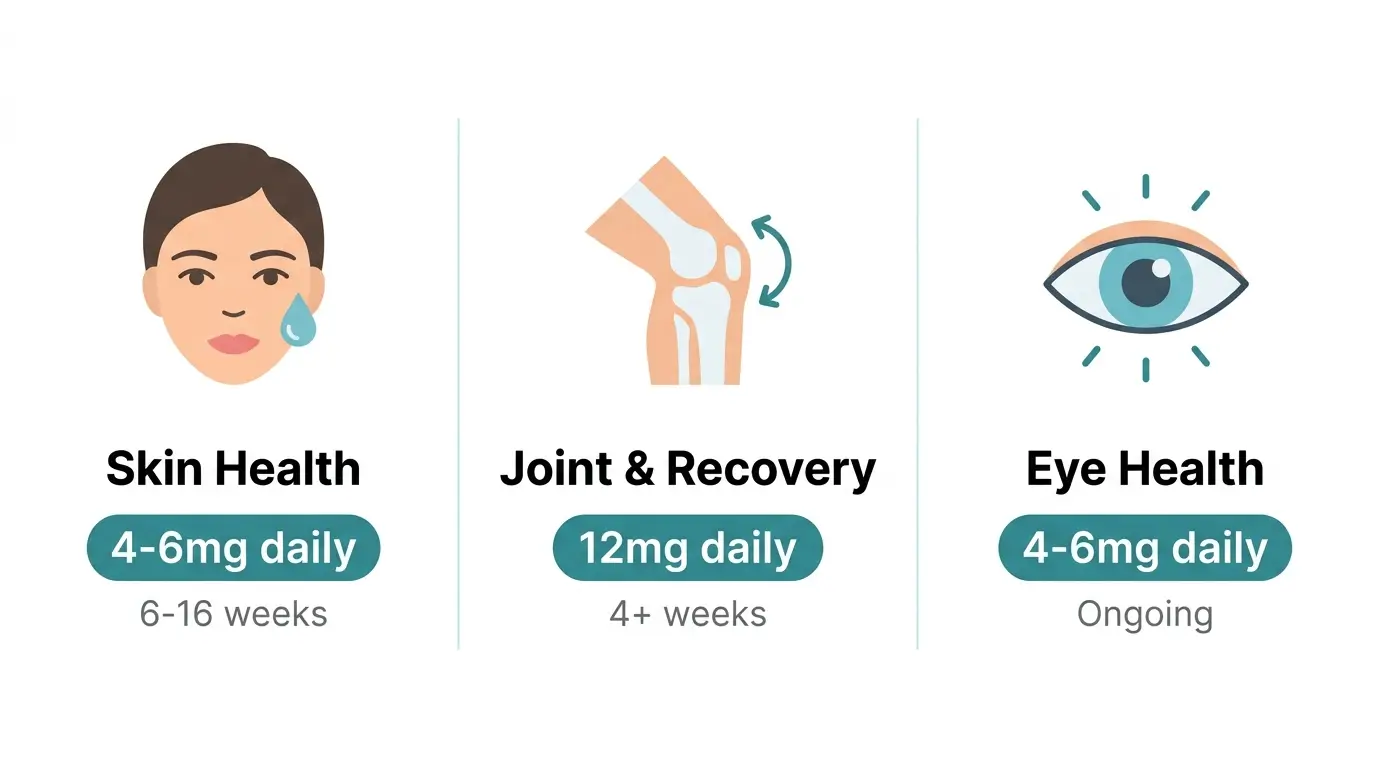
Skin Hydration and UV Protection (4-6mg)
A 2012 open-label study by Tominaga et al. found that 6mg of oral astaxanthin combined with topical application for 8 weeks produced significant improvements in wrinkle depth, age spot size, skin elasticity, and texture in 30 healthy female subjects [17].
A separate randomized, double-blind, placebo-controlled study by the same research group found that 6mg daily for 6 weeks improved wrinkles, elasticity, transepidermal water loss (moisture escaping through the skin surface), and moisture content in 36 healthy male subjects [17].
The consistent dose across skin trials falls in the 4-6mg range [7][17].
Joint Comfort and Inflammation (12mg)
A 2023 study on active individuals taking 12mg of astaxanthin daily for 4 weeks reported reduced subjective markers of delayed-onset muscle soreness after eccentric exercise [9].
A 2025 randomized, double-blind, placebo-controlled trial on young male taekwondo athletes found that 12mg per day for 4 weeks influenced body composition and athletic performance metrics [18].
The anti-inflammatory mechanism works through inhibition of the NF-kB pathway (a protein complex that controls inflammation at the cellular level) and suppression of pro-inflammatory cytokines like IL-6, IL-1B, and TNF-alpha [1].
Eye Strain and Cognitive Function
Astaxanthin crosses both the blood-brain barrier and the blood-retinal barrier, a property shared by very few dietary antioxidants [11].
Yeh et al. (2016) confirmed in a PLOS ONE study that astaxanthin, while not naturally present in the retina, easily crosses the blood-brain barrier and protects retinal ganglion cells from oxidative damage [11].
A clinical trial on children showed that AstaReal® improved both acute and chronic digital eye strain symptoms in a randomized, double-blind, placebo-controlled design [19].
How and When to Take Astaxanthin for Maximum Absorption
Potential Side Effects and Medication Interactions
Side Effects
Astaxanthin has a strong safety profile. The FDA has approved H. pluvialis-derived astaxanthin for direct human consumption at dosages up to 12mg per day, and up to 24mg per day for no more than 30 days [1]. Acute intake of 40mg has been reported as well-tolerated in healthy participants [1].
The most commonly reported side effect at higher doses is a mild reddish-orange tint to stool. This is harmless and results from the pigment passing through your digestive tract. At very high doses (above 24mg), some users report mild stomach discomfort.
Medication Interactions
If you take blood thinners (warfarin, heparin, or similar anticoagulants), use astaxanthin with caution. A published case report documented a potential interaction between warfarin and astaxanthin in a 69-year-old patient, resulting in elevated INR values (International Normalized Ratio, a measure of how long it takes your blood to clot) [20].
Astaxanthin has anticoagulant and antiplatelet properties that may amplify the effect of these medications.
Astaxanthin may also interact with 5-alpha-reductase inhibitors (medications used to treat hair loss and prostate enlargement) and hormone-based medications [21].
A combination of astaxanthin and saw palmetto has been shown to inhibit 5-alpha-reductase enzyme activity, potentially affecting DHT levels (dihydrotestosterone, a hormone linked to hair loss and prostate growth) [21].
Consult your doctor before combining astaxanthin with any prescription medication.
FAQ
Citations
- [1] Davinelli S, Nielsen ME, Scapagnini G. “Astaxanthin in Skin Health, Repair, and Disease: A Comprehensive Review.” Nutrients, 2018; 10(4): 522.
- [2] Aoi W, et al. “Comparison of the effect of non-esterified and esterified astaxanthins on endurance performance in mice.” Journal of Clinical Biochemistry and Nutrition, 2018; 62(2): 161-166.
- [3] AstaReal USA. “AstaReal Clinical Studies.” AstaReal USA, accessed March 2026.
- [4] Nutrex Hawaii. “BioAstin Hawaiian Astaxanthin.” Nutrex Hawaii, accessed March 2026.
- [5] Sports Research. “Triple Strength Astaxanthin 12mg.” Sports Research, accessed March 2026.
- [6] Mercke Odeberg J, et al. “Oral bioavailability of the antioxidant astaxanthin in humans is enhanced by incorporation of lipid based formulations.” European Journal of Pharmaceutical Sciences, 2003; 19(4): 299-304.
- [7] Tominaga K, et al. “Protective effects of astaxanthin on skin deterioration.” Journal of Clinical Biochemistry and Nutrition, 2017; 61(1): 33-39.
- [8] Doctor’s Best. “Astaxanthin with AstaReal 6mg.” Doctor’s Best, accessed March 2026.
- [9] Brown DR, et al. “Astaxanthin Supplementation Reduces Subjective Markers of Muscle Soreness following Eccentric Exercise in Resistance-Trained Men.” Sports, 2023; 2(2): 17.
- [10] Double Wood Supplements. “Astaxanthin (AstaReal) 12mg.” Double Wood Supplements, accessed March 2026.
- [11] Yeh PT, et al. “Astaxanthin Inhibits Expression of Retinal Oxidative Stress and Inflammatory Mediators in Streptozotocin-Induced Diabetic Rats.” PLOS ONE, 2016; 11(1): e0146438.
- [12] Life Extension. “MacuGuard Ocular Support with Saffron & Astaxanthin.” Life Extension, accessed March 2026.
- [13] Pure Synergy. “SuperPure Astaxanthin Extract.” Pure Synergy, accessed March 2026.
- [14] Cactus Botanics. “Top 10 Astaxanthin Supplements.” September 2025.
- [15] Nishida Y, Yamashita E, Miki W. “Quenching activities of common hydrophilic and lipophilic antioxidants against singlet oxygen using chemiluminescence detection system.” Carotenoid Science, 2007; 11: 16-20. Referenced via ScienceDirect topic overview.
- [16] Kidd P. “Astaxanthin, cell membrane nutrient with diverse clinical benefits and anti-aging potential.” Alternative Medicine Review, 2011; 16(4): 355-364.
- [17] Tominaga K, et al. “Cosmetic benefits of astaxanthin on human subjects.” Acta Biochimica Polonica, 2012; 59(1): 43-47.
- [18] Liu G, et al. “Effects of 4-week astaxanthin supplementation on athletic performance and body composition in young male taekwondo athletes: a randomized double-blind placebo-controlled trial.” Frontiers in Nutrition, 2025.
- [19] AstaReal USA / Macular Hope. “Astaxanthin (AstaReal) Improved Acute and Chronic Digital Eye Strain in Children.” March 2025.
- [20] Santiyanon N, Yeephu S. “Interaction between warfarin and astaxanthin: A case report.” Journal of Clinical Pharmacy and Therapeutics, 2019; 44(4): 668-671.
- [21] WebMD. “Astaxanthin: Health Benefits, Uses, Risks and Side Effects.” WebMD, accessed March 2026.
- [22] NOW Foods. “Astaxanthin, Extra Strength 10 mg Softgels.” NOW Foods, accessed March 2026.
- [23] NOW Foods. “NOW’s Testing Results of Astaxanthin Products August 2023.” August 22, 2023.
