
13 Science-Backed Benefits of Vegan Diet (And How to Maximize Them)
Learn how a plant-based lifestyle can improve your health, reduce your environmental impact, and increase your energy, plus the common mistakes to avoid.
In 2014, roughly 1% of Americans identified as vegan. By 2024, that number had grown to approximately 4-6%, depending on survey methodology, with plant-based food sales exceeding $8 billion annually in the United States alone [1].
Gallup polling from 2023 placed the figure at 4%, while other surveys using broader definitions reported higher numbers [2].
What was once considered fringe has become a legitimate dietary choice backed by major health organizations worldwide.
The reasons behind this shift extend far beyond animal welfare. A growing body of research points to measurable improvements in cardiovascular health, metabolic function, and even cognitive performance among those following well-planned plant-based diets.
The Academy of Nutrition and Dietetics has stated that “appropriately planned vegetarian, including vegan, diets are healthful, nutritionally adequate, and may provide health benefits for the prevention and treatment of certain diseases” [3].
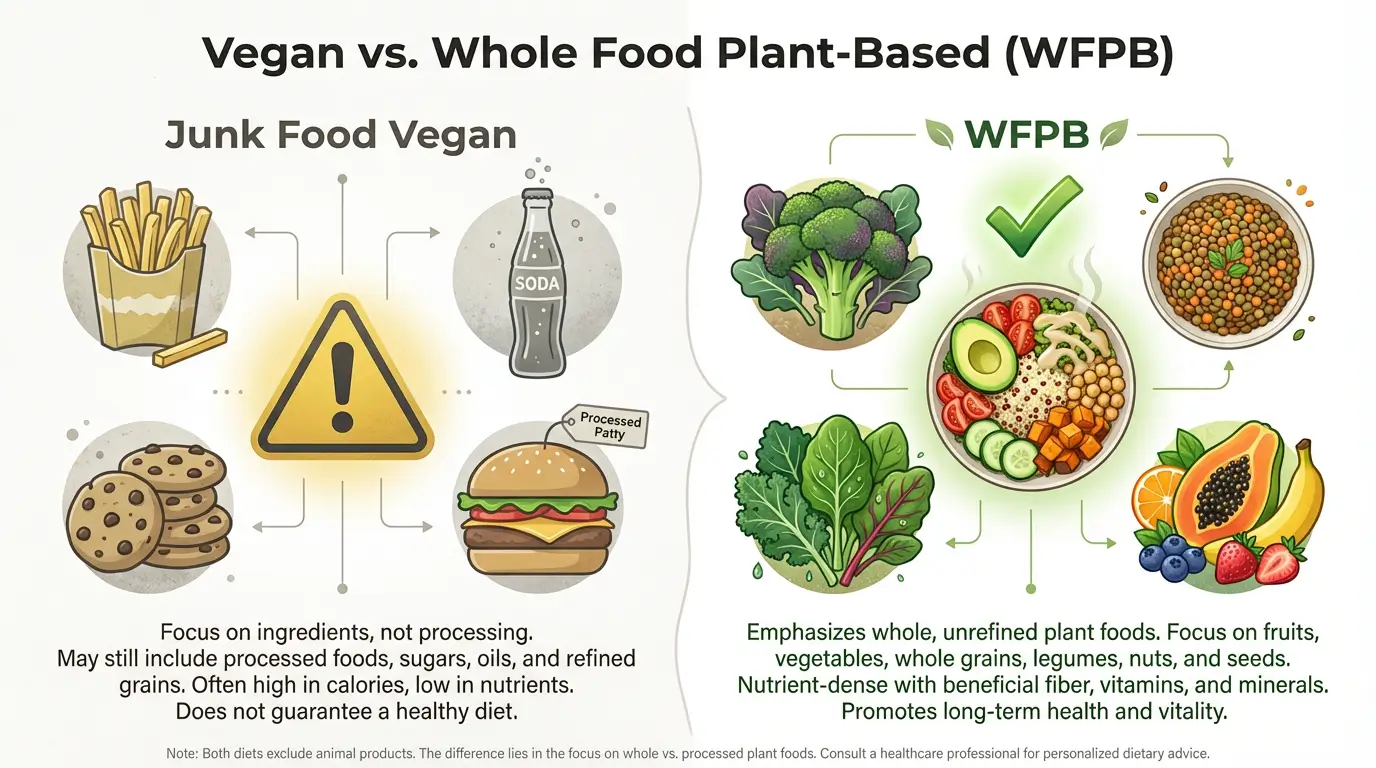
A CRITICAL DISTINCTION needs to be made here. “Vegan” simply means avoiding animal products. You could eat nothing but Oreos and french fries and technically qualify.
“Whole food plant-based” (WFPB) means building your diet around vegetables, fruits, legumes, whole grains, nuts, and seeds, with minimal processing.
The benefits outlined in this guide apply primarily to WFPB eating. If you’re living on vegan junk food, you’re missing the point entirely.
The Benefits of Vegan Diet
1. Sustainable Weight Loss (Without Calorie Counting)
Plant foods have a lower caloric density than animal products. This means you can eat larger volumes of food while consuming fewer calories. One cup of cooked lentils contains about 230 calories and 16 grams of fiber. One cup of ground beef contains roughly 340 calories and zero fiber [4].
That fiber difference matters. High fiber intake increases satiety = you feel full longer and naturally eat less. A 2015 study published in the Journal of General Internal Medicine compared weight loss across multiple diet types and found that participants following vegetarian diets lost significantly more weight than those on omnivorous diets, with vegan dieters losing the most [5].
“But won’t I be hungry all the time?”
No. The opposite tends to happen. When you fill your plate with fiber-rich legumes, leafy greens, and whole grains, you’re eating more food by volume. The stretch receptors in your stomach respond to volume, not calories. You feel satisfied while consuming less energy overall.
✅ Action Tip: Focus on “crowding out” rather than restriction. Add more lentils, chickpeas, and leafy greens to your meals. Processed foods naturally get displaced when your plate is already full of whole plants.
2. Reduced Risk of Type 2 Diabetes & Improved Kidney Function
Plant proteins appear to improve insulin sensitivity in ways animal proteins do not. A meta-analysis published in JAMA Internal Medicine found that individuals following vegetarian diets had a 27% lower risk of developing type 2 diabetes compared to non-vegetarians. [6]
For those following strictly vegan diets, risk reductions vary widely across studies. The Adventist Health Study-2 reported reductions as high as 78% in certain populations, though most meta-analyses report more conservative figures in the 23-50% range. [7]
The variation depends on factors like overall diet quality, body weight, and study methodology.
The mechanism involves multiple factors. Plant-based diets are typically higher in fiber, which slows glucose absorption. They’re also lower in saturated fat, which has been linked to impaired insulin function. Additionally, the absence of heme iron (found only in animal products) may reduce oxidative stress on pancreatic beta cells.
For those already diagnosed with type 2 diabetes, a WFPB diet can lower A1C levels. A 2018 study in Nutrients showed that participants following a low-fat vegan diet for 16 weeks experienced significant improvements in insulin sensitivity and glycemic control [8].
Kidney function also benefits. High animal protein intake increases the kidneys’ filtration burden. Plant proteins, particularly from legumes, appear to be gentler on renal function, making WFPB diets particularly valuable for those with early-stage kidney disease [9].
3. Lower Blood Pressure & Cholesterol
Dietary cholesterol exists only in animal products. When you stop eating them, you eliminate this external source entirely. Your body produces all the cholesterol it needs; you don’t require any from food.
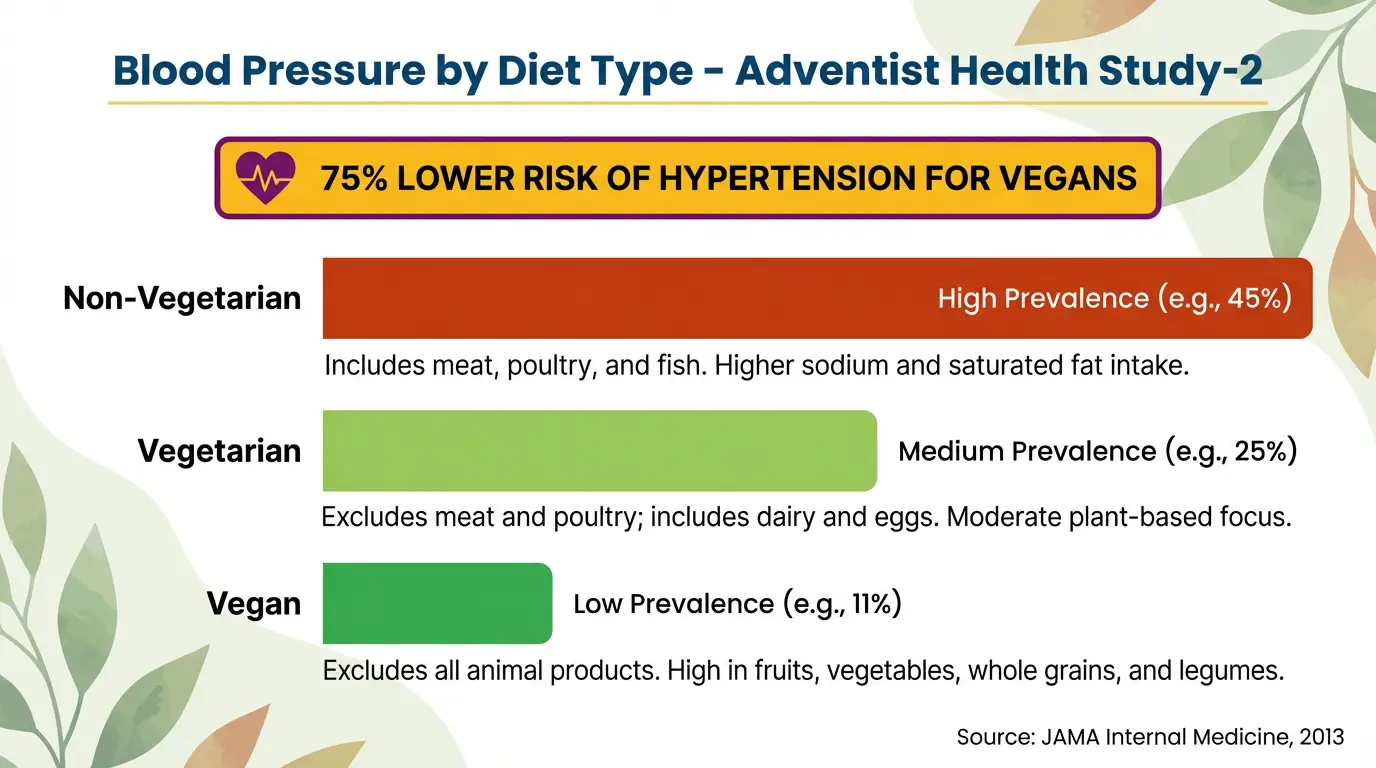
The Adventist Health Study-2, which followed over 73,000 participants, found that vegans had the lowest rates of hypertension compared to vegetarians and non-vegetarians [10]. Average blood pressure readings were significantly lower, with vegans showing a 75% reduced risk of developing high blood pressure.
Why does this happen?
Plant-based diets are naturally high in potassium (found in bananas, potatoes, and leafy greens) and magnesium (found in nuts, seeds, and whole grains). Both minerals help regulate blood pressure. Meanwhile, the saturated fat in red meat and dairy raises LDL cholesterol, the type associated with arterial plaque formation.
Consider the fat profiles: A serving of almonds contains mostly monounsaturated and polyunsaturated fats, which support cardiovascular health. A serving of ribeye steak contains predominantly saturated fat, which does the opposite.
(Ed. note: This isn’t about demonizing meat eaters. It’s about understanding biochemistry.)
Dr. Kim Williams, former president of the American College of Cardiology, has been publicly plant-based since 2003. His reasoning was the evidence linking saturated fat and cholesterol to heart disease was too strong to ignore in his own life [11].
4. Cancer Prevention Potential
In 2015, the World Health Organization classified processed meats (bacon, sausages, hot dogs) as Group 1 carcinogens, meaning there is sufficient evidence that they cause cancer in humans. Red meat was classified as Group 2A, meaning it probably causes cancer [12].
The link is strongest for colorectal cancer. A 2011 meta-analysis in PLOS Medicine found that each 50-gram daily serving of processed meat increased colorectal cancer risk by 18% [13].
Plant foods offer protective benefits that go beyond simply avoiding harmful compounds. Phytochemicals = plant compounds with biological activity, including antioxidants, work to neutralize free radicals before they can damage DNA. Cruciferous vegetables (broccoli, cauliflower, Brussels sprouts) contain sulforaphane, which has demonstrated anti-cancer properties in laboratory studies [14].
Fiber also plays a protective role, particularly for colon cancer. It speeds transit time through the digestive tract, reducing the contact time between potential carcinogens and the intestinal lining.
Research on breast and prostate cancer shows similar patterns. A 2017 study in the International Journal of Cancer found that high consumption of fruits and vegetables was associated with reduced breast cancer risk, while high consumption of red and processed meat was associated with increased risk [15].
| Food Category | Effect on Cancer Risk | Key Compounds |
|---|---|---|
| Processed Meats (bacon, sausage) | +18% colorectal cancer per 50g daily | Nitrates, heme iron, heterocyclic amines |
| Red Meat | Probable carcinogen (Group 2A) | Saturated fat, heme iron |
| Cruciferous Vegetables | Protective effect | Sulforaphane, indoles |
| Berries & Fruits | Reduced breast cancer risk | Anthocyanins, vitamin C |
| High-Fiber Foods | Lower colon cancer risk | Fiber (speeds transit time) |
5. Reduced Inflammation & Arthritis Pain
Chronic inflammation underlies many modern diseases, from heart disease to autoimmune conditions. Animal products, particularly red meat and dairy, contain arachidonic acid, a fatty acid that promotes inflammatory pathways in the body [16].
Plant foods work in the opposite direction. Many fruits, vegetables, and spices contain compounds with documented anti-inflammatory effects. Berries contain anthocyanins. Leafy greens contain quercetin. Turmeric contains curcumin. These compounds actively reduce inflammatory markers like C-reactive protein (CRP) and interleukin-6 (IL-6).
For those with rheumatoid arthritis, the effects can be tangible. A 2015 study in Complementary Therapies in Medicine found that participants following a vegan diet for four weeks experienced significant reductions in joint swelling, morning stiffness, and pain compared to a control group [17].
While the benefits for cardiovascular and metabolic health are substantial, the effects of plant-based eating extend into less obvious areas of your biology, starting with the trillions of microorganisms living in your gut.
6. Optimized Gut Microbiome
Your gut contains approximately 100 trillion bacteria. The composition of this microbial community affects far more than digestion. It influences immune function, hormone production, and even mental health through the gut-brain axis.
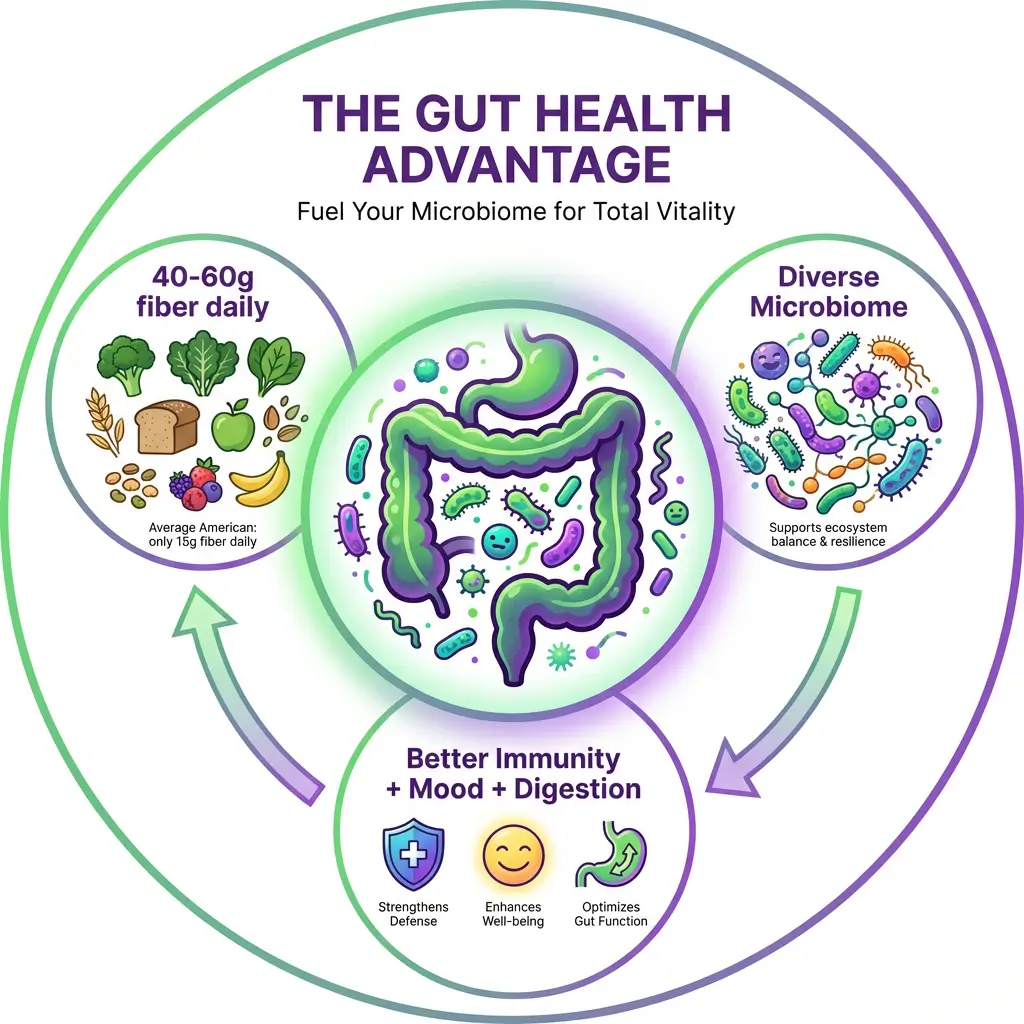
Fiber is the primary fuel source for beneficial gut bacteria. When these bacteria ferment fiber, they produce short-chain fatty acids (SCFAs) like butyrate, which nourish the intestinal lining and reduce inflammation [18].
The average American consumes about 15 grams of fiber daily. The recommended intake is 25-38 grams. Most WFPB eaters consume 40-60 grams without effort.
A 2019 study in Frontiers in Nutrition found that just 16 weeks on a plant-based diet significantly increased gut microbial diversity, which is associated with better overall health outcomes [19].
Greater diversity = more resilience against pathogens and better metabolic function.
The connection between gut health and immunity is direct. Approximately 70% of your immune cells reside in your gut. When your microbiome is healthy, your immune system functions more effectively.
7. Clearer, Glowing Skin
Dairy consumption has been repeatedly linked to acne in observational studies. A 2018 meta-analysis in Nutrients found that any dairy consumption was associated with increased odds of acne, with the strongest associations seen for skim milk [20].
The mechanism likely involves insulin-like growth factor 1 (IGF-1), which is present in milk and also stimulated by dairy consumption. IGF-1 increases sebum production and may promote the growth of skin cells that block pores.
High-glycemic foods (white bread, sugary snacks) also trigger acne through similar insulin-related pathways. A WFPB diet naturally emphasizes low-glycemic whole foods.
On the positive side, plant foods provide nutrients that actively support skin health. Vitamin C (abundant in citrus, bell peppers, and strawberries) is required for collagen synthesis. Vitamin E (found in nuts and seeds) protects against UV damage. Beta-carotene (in carrots, sweet potatoes, and leafy greens) can give skin a healthy glow that research suggests is perceived as more attractive than a tan [21].
8. Increased Energy & Athletic Recovery
“Won’t I feel weak without meat?”
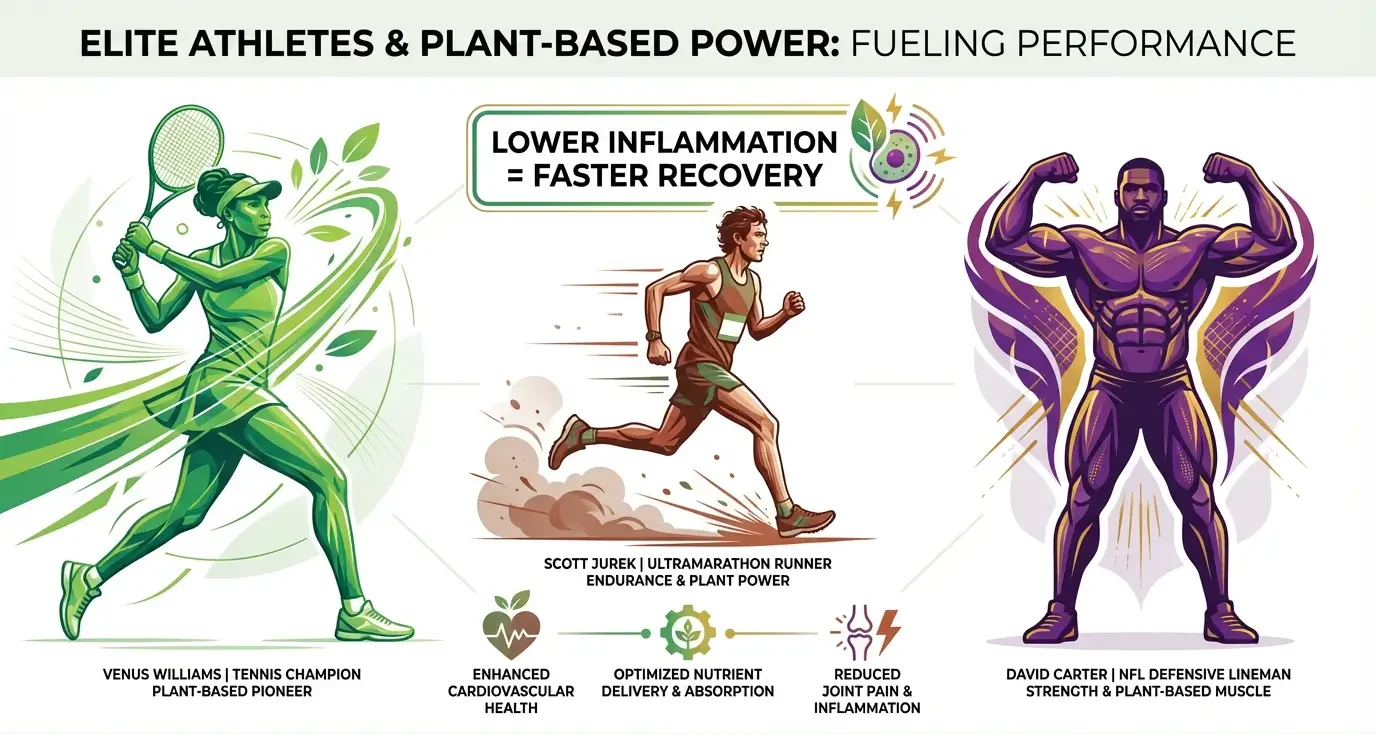
This concern is common but largely unfounded. Many world-class athletes have adopted plant-based diets and reported improved performance. Tennis champion Venus Williams, ultramarathoner Scott Jurek, and NFL defensive lineman David Carter all compete at elite levels without animal products.
The logic behind improved energy is straightforward. Digesting meat requires significant metabolic resources. The body must break down complex proteins and fats, a process that diverts blood flow to the digestive system. Plant foods, particularly fruits and easily digestible starches, require less digestive effort, leaving more energy available for activity.
Recovery benefits stem from reduced inflammation. A 2019 study in Nutrients found that plant-based diets were associated with lower inflammatory markers in athletes, which may translate to faster recovery between training sessions [22].
The 2018 documentary “The Game Changers,” which featured elite athletes thriving on plant-based diets, brought mainstream attention to this research. While the film faced some criticism for cherry-picking data, the underlying science on inflammation and recovery remains sound.
Nitrates in beets and leafy greens also improve exercise efficiency by enhancing blood flow and oxygen delivery to muscles. Multiple studies have shown that beetroot juice can improve endurance performance by 1-3%, a meaningful margin at competitive levels [23].
The benefits of plant-based eating extend beyond the body. Emerging research suggests that what you eat affects how you think and feel, sometimes in surprising ways.
9. Mood Regulation and Mental Clarity
The gut-brain axis is a bidirectional communication system linking your intestinal microbiome to your central nervous system. Approximately 95% of your body’s serotonin (the “feel-good” neurotransmitter) is produced in the gut, not the brain [24].
When your gut microbiome is healthy, serotonin production is optimized. When it’s disrupted (by low fiber intake, antibiotics, or stress), mood can suffer. This helps explain why dietary changes sometimes produce noticeable shifts in mental well-being.
Plant foods also provide nutrients directly linked to brain function. Magnesium, found abundantly in leafy greens, nuts, and seeds, plays a role in over 300 enzymatic reactions, including those involved in mood regulation. Folate, another nutrient concentrated in plant foods, is required for the synthesis of neurotransmitters like dopamine and serotonin [25].
A 2017 randomized controlled trial published in BMC Medicine found that participants with moderate to severe depression who followed a Mediterranean-style diet (heavy on plants, light on processed foods) experienced significant improvements in symptoms compared to a control group receiving social support [26].
The study, known as the SMILES trial, was one of the first to demonstrate that dietary intervention could be an effective adjunct treatment for depression.
10. Neuroprotective Effects (Alzheimer’s & Dementia)
Diets high in saturated fat and refined sugar have been associated with accelerated cognitive decline. A 2016 study in Alzheimer’s & Dementia found that adherence to the MIND diet (a plant-heavy eating pattern combining elements of Mediterranean and DASH diets) was associated with a 53% reduced risk of Alzheimer’s disease [27].
The protective mechanisms involve multiple factors. Polyphenols, found in berries, tea, and dark chocolate, have demonstrated neuroprotective properties in laboratory studies. They appear to reduce oxidative stress and inflammation in brain tissue [28].
Fiber’s role in blood sugar regulation also matters. Chronically elevated blood glucose damages blood vessels throughout the body, including those in the brain. Some researchers have begun referring to Alzheimer’s as “type 3 diabetes” due to the strong associations between insulin resistance and cognitive decline [29].
The benefits of plant-based eating aren’t limited to individual health. The choices you make at the grocery store ripple outward, affecting ecosystems, water supplies, and the global climate.
11. Drastically Lower Carbon Footprint
A 2018 study from the University of Oxford, the most detailed analysis of farming’s environmental impact to date, found that avoiding meat and dairy is the “single biggest way” to reduce your environmental impact on Earth [30].
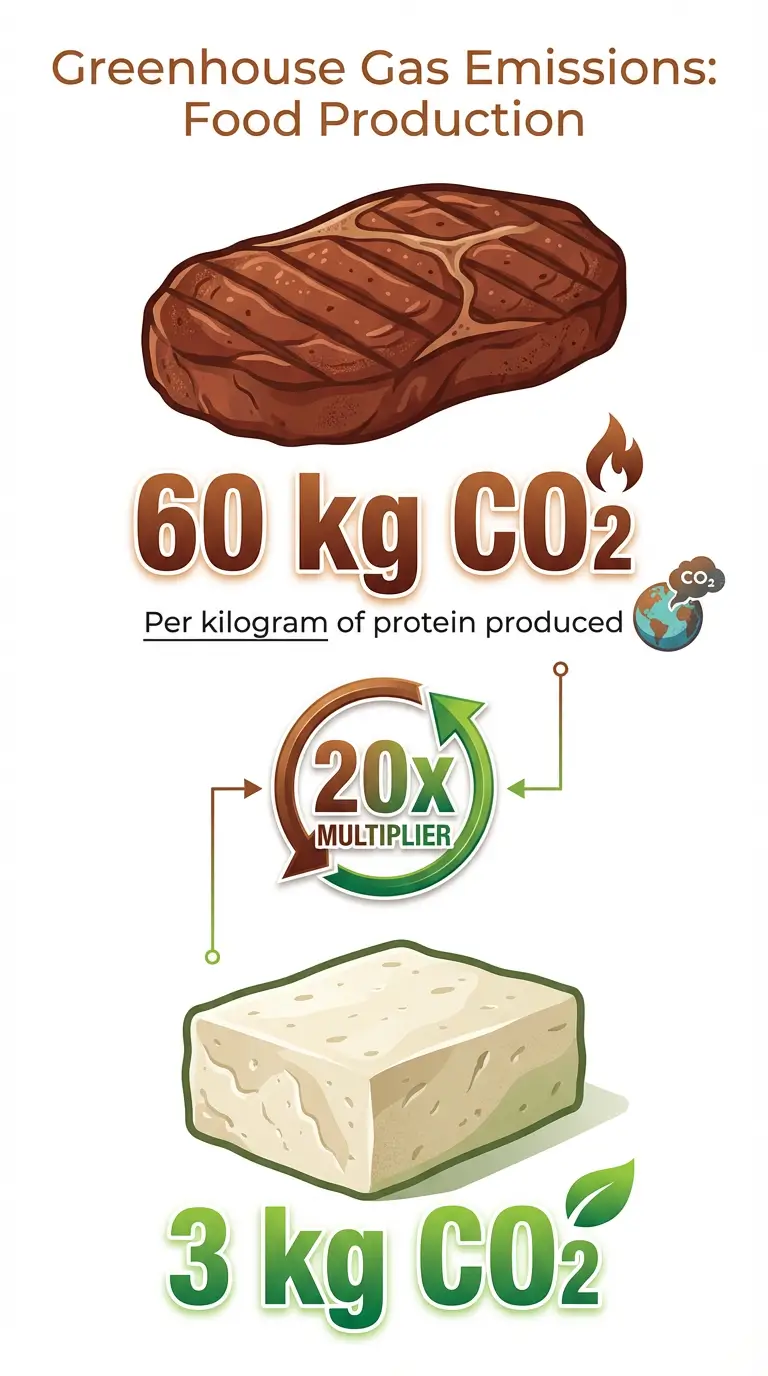
The numbers are stark. Producing one kilogram of beef generates approximately 60 kilograms of greenhouse gas emissions. Producing one kilogram of tofu generates approximately 3 kilograms [31].
Animal agriculture accounts for 14.5% of global greenhouse gas emissions, according to the Food and Agriculture Organization of the United Nations [32].
This figure is comparable to the entire transportation sector, which contributes approximately 14-16% depending on how emissions are calculated. Both sectors represent major opportunities for reduction.
The lead researcher on the Oxford study, Joseph Poore, stated: “A vegan diet is probably the single biggest way to reduce your impact on planet Earth, not just greenhouse gases, but global acidification, eutrophication, land use, and water use” [30].
Even if you’re skeptical about individual impact, the collective math is undeniable. If everyone in the U.S. replaced beef with beans, the country would immediately achieve 50-75% of its greenhouse gas reduction targets [33].
12. Water Conservation & Land Preservation
Producing one pound of beef requires approximately 1,800 gallons of water. Producing one pound of tofu requires approximately 302 gallons [34]. The difference is staggering.
Land use follows similar patterns. Approximately 77% of global agricultural land is used for livestock and feed crops, yet these provide only 18% of global calorie supply and 37% of protein supply [30]. This inefficiency drives deforestation, particularly in the Amazon, where cattle ranching is the leading cause of forest loss.
Biodiversity suffers as a result. When forests are cleared for grazing or feed crops, native species lose their habitats. A shift toward plant-based eating would allow vast areas of land to be rewilded or used for more efficient food production.
| Food Item | Water Required (gallons per lb) | Land Use Efficiency |
|---|---|---|
| Beef | 1,800 | 77% of agricultural land |
| Chicken | 518 | for 18% of calories |
| Pork | 576 | and 37% of protein |
| Tofu | 302 | Highly efficient |
| Lentils | 704 | Nitrogen-fixing |
| Chickpeas | 501 | Drought-resistant |
Ethical eating extends beyond environmental concerns. Many people adopt plant-based diets because they object to the treatment of animals in industrial farming operations. While this guide focuses primarily on health and environmental benefits, the ethical dimension remains a powerful motivator for millions worldwide.
13. Saving Money on Groceries
“Isn’t eating vegan expensive?”
This myth persists because people focus on specialty products: $8 vegan cheese, $12 plant-based burgers, $6 oat milk lattes. These are optional luxuries, not necessities.
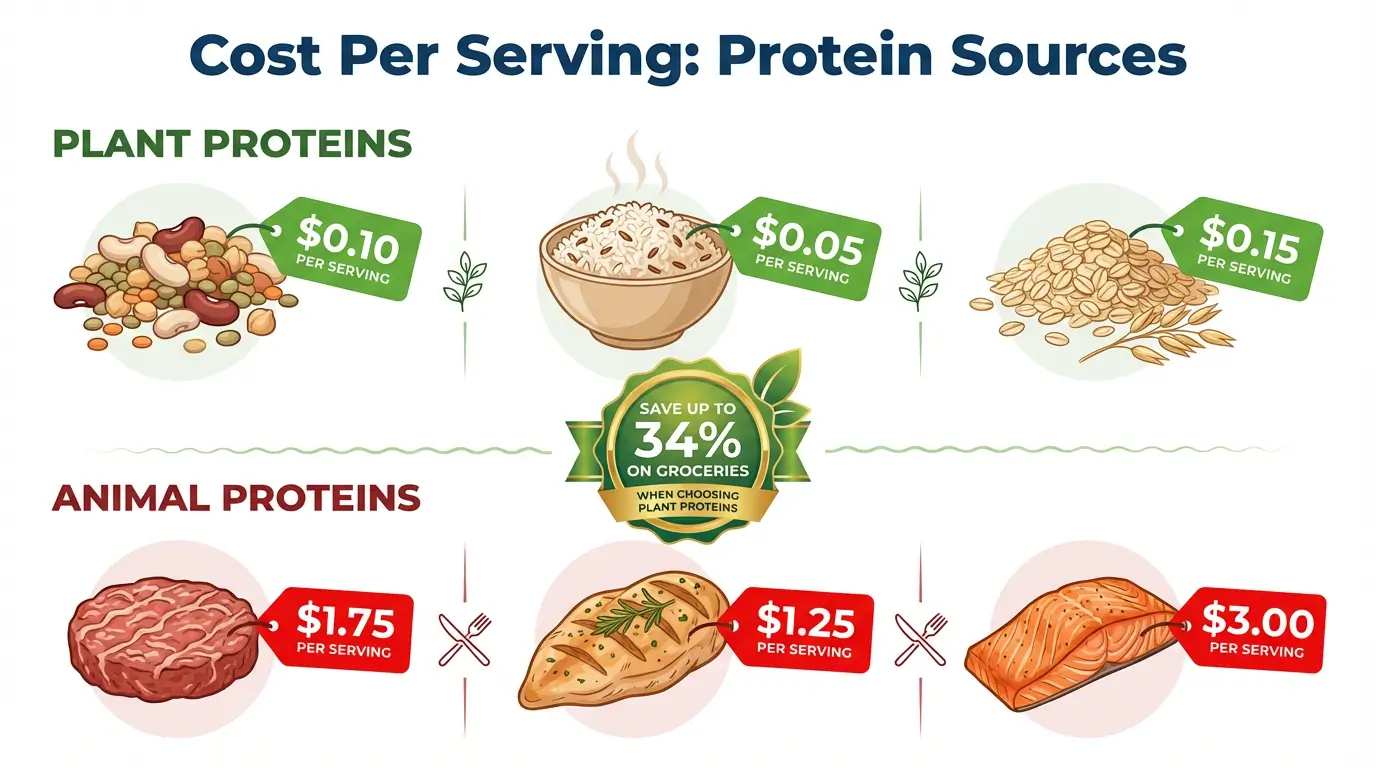
The actual staples of a WFPB diet are among the cheapest foods in any supermarket. Dried beans cost roughly $0.10 per serving. Rice costs about $0.05 per serving. Oats cost $0.15 per serving. Seasonal produce, particularly cabbage, carrots, bananas, and potatoes, is remarkably affordable.
Compare this to meat. Ground beef costs approximately $1.50-2.00 per serving. Chicken breast runs $1.00-1.50 per serving. Salmon can exceed $3.00 per serving.
A 2021 study published in The Lancet Planetary Health found that in high-income countries, vegan diets reduced food costs by up to 34% compared to current dietary patterns [39].
The savings compound when you consider healthcare costs. Chronic diseases related to diet (heart disease, type 2 diabetes, certain cancers) cost the U.S. healthcare system hundreds of billions annually. Preventing these conditions through dietary change represents significant long-term savings.
How to Maximize the Benefits
Eating vegan does not automatically equal eating healthy. A diet of potato chips, soda, and white bread is technically vegan. It’s also a recipe for nutrient deficiencies and metabolic dysfunction.
The key is intentionality. Successful vegan meal planning requires understanding which nutrients need attention and how to optimize absorption. Building weekly meal plans around variety, including different colored vegetables, multiple protein sources like legumes and tofu, and whole grains, helps prevent gaps before they occur.
The Nutrient Synergy Strategy
Some nutrients work better together. Understanding these interactions can significantly improve your nutritional status.
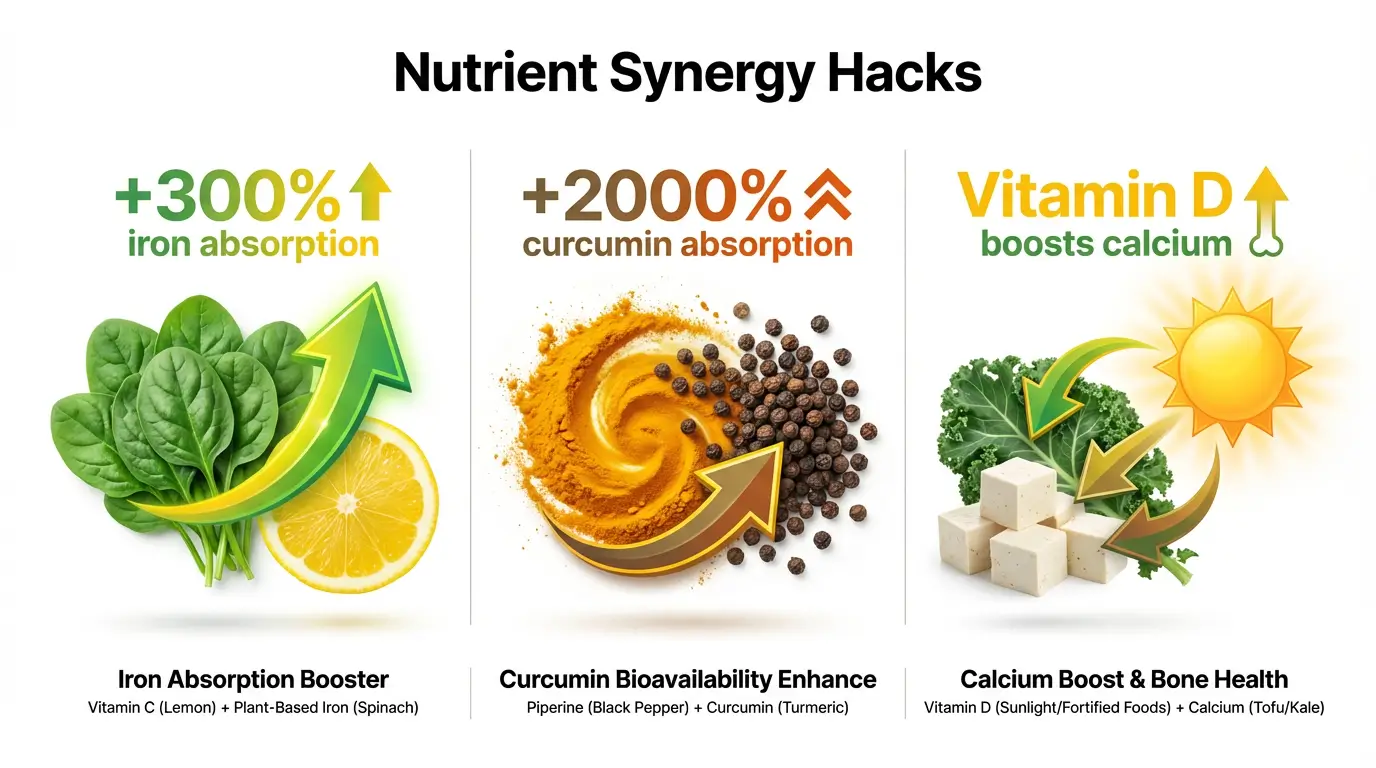
- Iron + Vitamin C: Plant-based iron (non-heme iron) has lower bioavailability, meaning your body absorbs a smaller percentage of it, compared to the heme iron found in meat. However, consuming vitamin C alongside iron-rich foods can increase absorption by up to 300% [35]. Squeeze lemon juice on your spinach. Add bell peppers to your lentil stew. Pair your morning oatmeal with strawberries.
- Turmeric + Black Pepper: Curcumin, the active compound in turmeric, has powerful anti-inflammatory properties but is poorly absorbed on its own. Piperine, found in black pepper, increases curcumin bioavailability by 2,000% [36]. Always add a pinch of black pepper when using turmeric.
- Calcium + Vitamin D: These two nutrients work synergistically for bone health. Vitamin D is required for calcium absorption. Without adequate D, even high calcium intake won’t protect your bones. Get your vitamin D from sun exposure, fortified foods, or supplements, and pair it with calcium-rich plant foods like fortified plant milks, tofu made with calcium sulfate, and leafy greens.
Essential Supplements (Don’t Skip These)
SOME SUPPLEMENTS ARE NON-NEGOTIABLE on a vegan diet. This isn’t a failure of plant-based eating; it’s simply a reality of modern food systems.
Vitamin B12: This is the one supplement every vegan must take. B12 is produced by bacteria and is not reliably found in plant foods. Deficiency can cause irreversible nerve damage. Take 250 mcg daily or 2,500 mcg weekly [37].

- Energy metabolism support supplement: contains one 160 count bottle of Nature Made Vitamin B12 1000 mcg Time Release Tab…
- Nature Made B12 1000 mcg are dietary supplements that help break down food into energy that your body can use all day lo…
- B-12 vitamin helps support brain cell function and mood health (2)

vitamin D3: Most people, regardless of diet, are deficient in vitamin D, particularly those living at northern latitudes. Vegan D3 derived from lichen is now widely available. Aim for 1,000-2,000 IU daily, or get your levels tested and adjust accordingly.

- A VITAL NUTRIENT: Vitamin D supports healthy bones, teeth, muscle function, and a strong immune system. Many people may …
- SUNSHINE IN A BOTTLE: The Vitamin D Council recommends daily vitamin D supplementation for most adults to achieve and ma…
- PURE & NATURAL: These Vitamin D3 immune support and bone health supplements are gluten-free and non-GMO. Third party tes…
Omega-3 (Algae-based): Fish get their omega-3s from algae. You can skip the middleman. Algae-based EPA and DHA supplements provide the same brain-supporting fatty acids without the mercury or environmental concerns. Aim for 250-500 mg of combined EPA/DHA daily [38].
Avoiding the “Junk Food Vegan” Trap
Vegan cheese, vegan burgers, vegan ice cream. 🤮
These products have made plant-based eating more accessible. They’ve also made it possible to eat terribly while avoiding animal products.
The 80/20 rule works well here. Aim for 80% of your calories to come from whole, unprocessed plant foods: vegetables, fruits, legumes, whole grains, nuts, and seeds. For example, if you eat 2,000 calories daily, roughly 1,600 should come from whole foods. The remaining 20% can include processed alternatives for convenience or enjoyment.
Read labels on mock meats. Many contain excessive sodium (some veggie burgers pack 500+ mg per serving) and questionable additives. Use them as occasional conveniences, not dietary staples.
Potential Risks & How to Mitigate Them
The “Detox” Phase (Gas & Bloating)
Many new vegans experience digestive discomfort in the first few weeks. This is normal and temporary.
The cause is because of sudden increase in fiber intake. Your gut bacteria need time to adapt to their new fuel source. As they adjust, gas production increases.
Increase fiber gradually over 2-3 weeks rather than overnight. Drink plenty of water, as fiber absorbs water and can cause constipation without adequate hydration.
Soak dried beans before cooking and discard the soaking water, which reduces oligosaccharides, the compounds responsible for gas. Chew thoroughly. Consider digestive enzymes temporarily if symptoms are severe.
Most people find that digestive issues resolve within 2-4 weeks as their microbiome adapts.
Nutrient Deficiencies to Watch
Beyond B12, D, and omega-3s (which require supplementation), several nutrients deserve attention:
Iodine: Seafood and dairy are primary sources in Western diets. Vegans should use iodized salt or take a supplement. Seaweed can provide iodine but levels vary wildly and can sometimes be excessive.

- Helps Reduce Thyroid Vascularity – This is used to help reduce loss in blood in the thyroid gland and helps with any oth…
- Consistent Metabolism & Energy – A healthy thyroid helps keep our metabolism stable & well-adjusted to maintain healthy …
- Cognitive Function Support – Clear out brain fog and maintain the concentration & focus you need to thrive at work or an…
Zinc: Found in legumes, nuts, seeds, and whole grains. Absorption is lower from plant sources due to phytates. Soaking and sprouting grains and legumes improves availability. Aim for 50% more than the RDA to compensate for lower bioavailability [40].
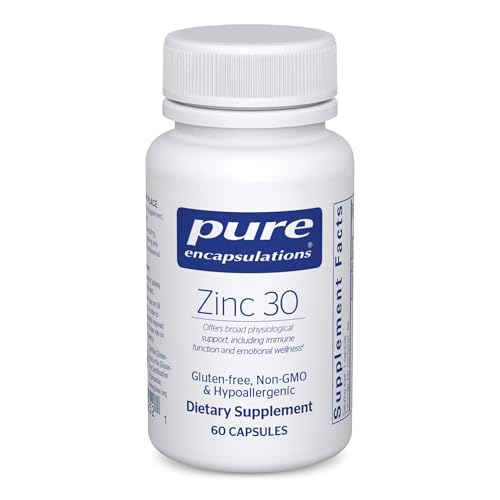
- Immune Support Supplement: Zinc supports the body’s natural defense system; aids immune system function, wound healing, …
- Metabolism Support: Zinc supports the digestion and metabolism of important vitamins, minerals, carbohydrates, and other…
- Zinc Picolinate Supplements: These zinc capsules support normal fetal and reproductive development*
Calcium: Available from fortified plant milks, tofu made with calcium sulfate, leafy greens (especially bok choy, kale, and collards), and almonds. Aim for 1,000 mg daily.

- These vitafusion vitamin gummies for teeth and bone support with Vitamin D, aid in Calcium absorption (1), ideal as dail…
- One 100 count bottle of vitafusion calcium gummy vitamins are fruit and cream flavored supplements, enough chewable calc…
- These delicious calcium gummies with natural fruit flavors and satisfying chewy texture offer a great alternative to tra…
Iron: Found in legumes, tofu, tempeh, dark leafy greens, and fortified cereals. Always pair with vitamin C for improved absorption. Avoid drinking tea or coffee with iron-rich meals, as tannins inhibit absorption.
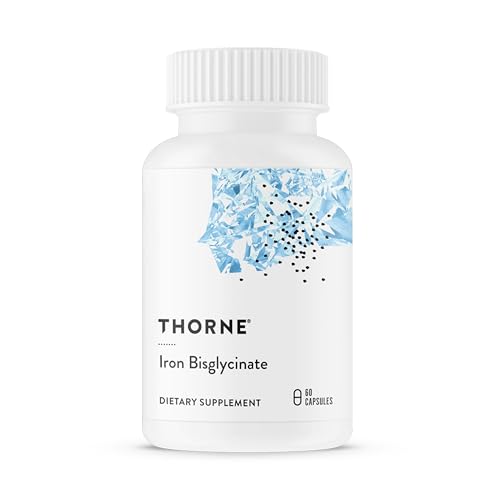
- Well-Absorbed Iron: Provides 25 mg of elemental iron per capsule in a non-constipating, well-absorbed form as iron bisgl…
- Symptoms of Low Iron: Nearly 1 in 3 adults in the U.S. may have low iron levels, which can manifest as weakness, fatigue…
- Blood Support: Dietary iron is essential for the formation of new red blood cells, especially important for women of chi…
☝️ Regular blood work (annually or biannually) can catch deficiencies before they become problematic. Work with a healthcare provider familiar with plant-based nutrition.
Putting It All Together
The evidence supporting plant-based eating is substantial and growing. Benefits span cardiovascular health, metabolic function, cancer prevention, cognitive performance, and environmental sustainability. These aren’t fringe claims; they’re positions supported by major health organizations and peer-reviewed research.
The path forward doesn’t require perfection. “Meatless Mondays” is a legitimate starting point. “Vegan before 6 PM” (eating plant-based until dinner) is another accessible approach. Any reduction in animal product consumption moves the needle on personal health and environmental impact.
Start where you are. Add more plants. Pay attention to how you feel. Get your B12. The rest will follow.
Your fork is the most powerful tool you have to change your health and the world. Use it wisely.
FAQ
References
- [1] Plant Based Foods Association – “U.S. Retail Sales Data for the Plant-Based Foods Industry” – 2024 (accessed December 2024)
- [2] Gallup – “What Percentage of Americans Are Vegetarian?” – July 2023
- [3] Academy of Nutrition and Dietetics – “Position of the Academy of Nutrition and Dietetics: Vegetarian Diets” – 2016
- [4] USDA FoodData Central – “Nutrient Database” – 2024
- [5] Journal of General Internal Medicine – “Vegetarian Diets and Weight Reduction: A Meta-Analysis of Randomized Controlled Trials” – 2015
- [6] JAMA Internal Medicine – “Vegetarian Dietary Patterns and the Risk of Type 2 Diabetes” – 2014
- [7] Nutrition, Metabolism and Cardiovascular Diseases – “Type of Vegetarian Diet, Body Weight, and Prevalence of Type 2 Diabetes” – 2009
- [8] Nutrients – “A Plant-Based Diet for the Prevention and Treatment of Type 2 Diabetes” – 2018
- [9] American Journal of Kidney Diseases – “Plant-Based Diets for Kidney Disease” – 2019
- [10] JAMA Internal Medicine – “Vegetarian Dietary Patterns and Mortality in Adventist Health Study 2” – 2013
- [11] HCP Live – “Vegan Diet: It’s Powerful Medicine Kim Williams, MD, says in Q&A” – 2016
- [12] World Health Organization – “IARC Monographs Evaluate Consumption of Red Meat and Processed Meat” – 2015
- [13] PLOS Medicine – “Red and Processed Meat Consumption and Risk of Incident Coronary Heart Disease, Stroke, and Diabetes Mellitus” – 2010
- [14] Cancer Prevention Research – “Sulforaphane and Its Role in Cancer Prevention” – 2015
- [15] International Journal of Cancer – “Food Groups and Risk of Breast Cancer” – 2017
- [16] Nutrition Journal – “Arachidonic Acid and Inflammation” – 2004
- [17] Complementary Therapies in Medicine – “A Vegan Diet Free of Gluten Improves the Signs and Symptoms of Rheumatoid Arthritis” – 2015
- [18] Gut Microbes – “Short-Chain Fatty Acids and Human Health” – 2019
- [19] Frontiers in Nutrition – “The Effects of Vegetarian and Vegan Diets on Gut Microbiota” – 2019
- [20] Nutrients – “Dairy Intake and Acne Vulgaris: A Systematic Review and Meta-Analysis” – 2018
- [21] Evolution and Human Behavior – “Carotenoid and Melanin Pigment Coloration Affect Perceived Human Health” – 2011
- [22] Nutrients – “Plant-Based Diets for Cardiovascular Safety and Performance in Endurance Sports” – 2019
- [23] Journal of Applied Physiology – “Dietary Nitrate Supplementation Improves Exercise Performance” – 2011
- [24] Cell – “Indigenous Bacteria from the Gut Microbiota Regulate Host Serotonin Biosynthesis” – 2015
- [25] Journal of Affective Disorders – “Folate and Depression” – 2007
- [26] BMC Medicine – “A Randomised Controlled Trial of Dietary Improvement for Adults with Major Depression (the ‘SMILES’ trial)” – 2017
- [27] Alzheimer’s & Dementia – “MIND Diet Associated with Reduced Incidence of Alzheimer’s Disease” – 2015
- [28] Current Neuropharmacology – “Polyphenols and Neuroprotection” – 2017
- [29] Journal of Diabetes Science and Technology – “Alzheimer’s Disease Is Type 3 Diabetes—Evidence Reviewed” – 2008
- [30] Science – “Reducing Food’s Environmental Impacts Through Producers and Consumers” – 2018 (DOI: 10.1126/science.aaq0216)
- [31] Our World in Data – “Environmental Impacts of Food Production” – 2022
- [32] Food and Agriculture Organization – “Tackling Climate Change Through Livestock” – 2013
- [33] Climatic Change – “Dietary Greenhouse Gas Emissions of Meat-Eaters, Fish-Eaters, Vegetarians and Vegans in the UK” – 2014
- [34] Water Footprint Network – “Product Water Footprints” – 2023 (accessed December 2024)
- [35] American Journal of Clinical Nutrition – “Iron Bioavailability and Dietary Reference Values” – 2010
- [36] Planta Medica – “Influence of Piperine on the Pharmacokinetics of Curcumin” – 1998
- [37] The Vegan Society – “What Every Vegan Should Know About Vitamin B12” – 2023
- [38] Journal of the American Heart Association – “Omega-3 Fatty Acids and Cardiovascular Disease” – 2019
- [39] The Lancet Planetary Health – “The Global and Regional Costs of Healthy and Sustainable Dietary Patterns” – 2021
- [40] American Journal of Clinical Nutrition – “Zinc Bioavailability and Homeostasis” – 1998
