
7 Proven Herbs That Relieve Stress & Restore Balance
A clinical guide to lowering cortisol, repairing the HPA axis, and choosing the right adaptogens for your specific stress type.
Modern stress operates differently than the stress your ancestors experienced. You are not running from predators. You are sitting in traffic, reading emails at 11 PM, and carrying financial pressure that never disappears.
This chronic, low-grade activation damages your body in ways acute stress never could.
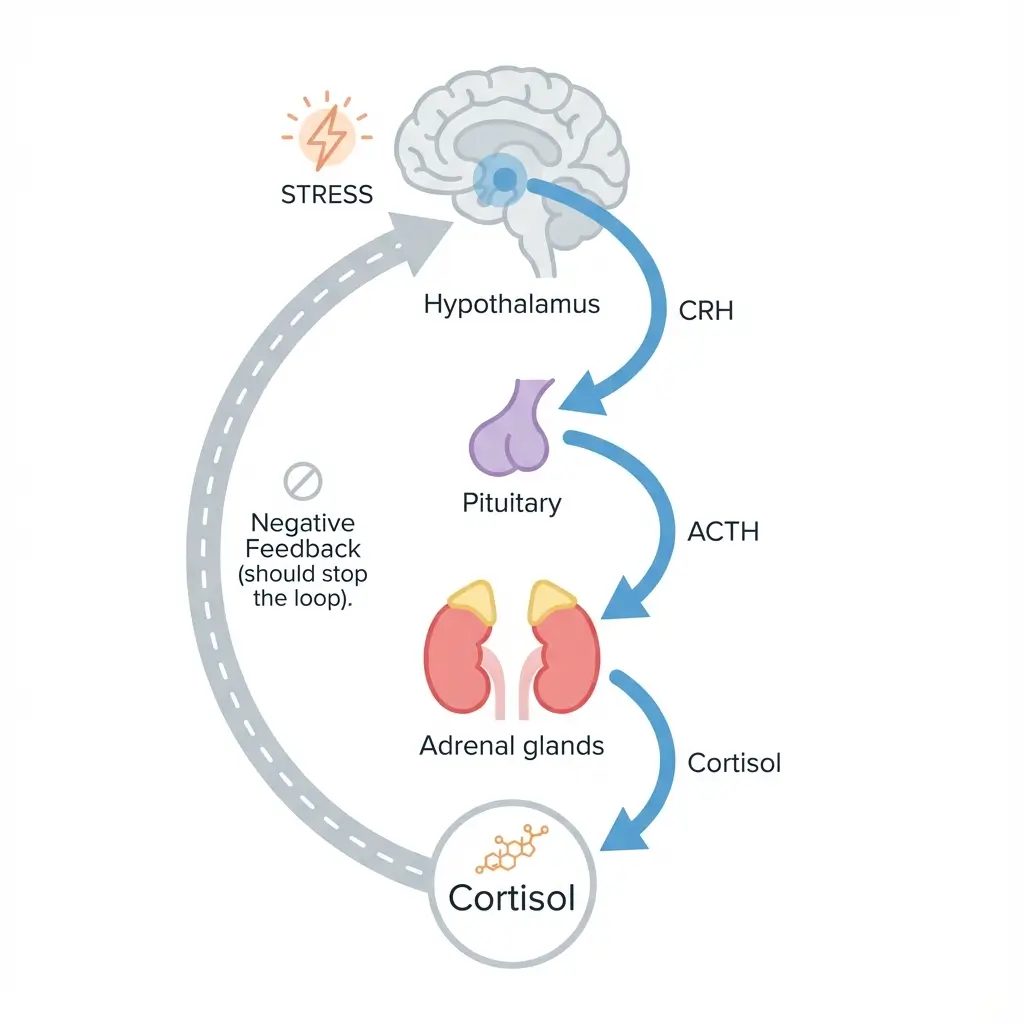
Herbs that relieve stress work because stress has biology. When you perceive a threat, your hypothalamus releases corticotropin-releasing hormone (CRH).
This triggers your pituitary gland to release adrenocorticotropic hormone (ACTH). ACTH then signals your adrenal glands to produce cortisol [1].
This three-organ communication loop is called the HPA axis = Hypothalamic-Pituitary-Adrenal axis. It regulates your entire stress response.
The problem emerges when this loop never closes.
Cortisol stays elevated. Your body remains in low-grade alert mode for months or years. The consequences include insomnia, weight gain, brain fog, weakened immunity, and accelerated aging [1].
This is where targeted botanical intervention becomes powerful. Certain herbs biochemically regulate this axis. They do not simply sedate you.
They restore homeostasis by modulating cortisol, supporting neurotransmitter balance, and calming overactive nervous system signaling.
You need to understand two categories of stress-relieving herbs.
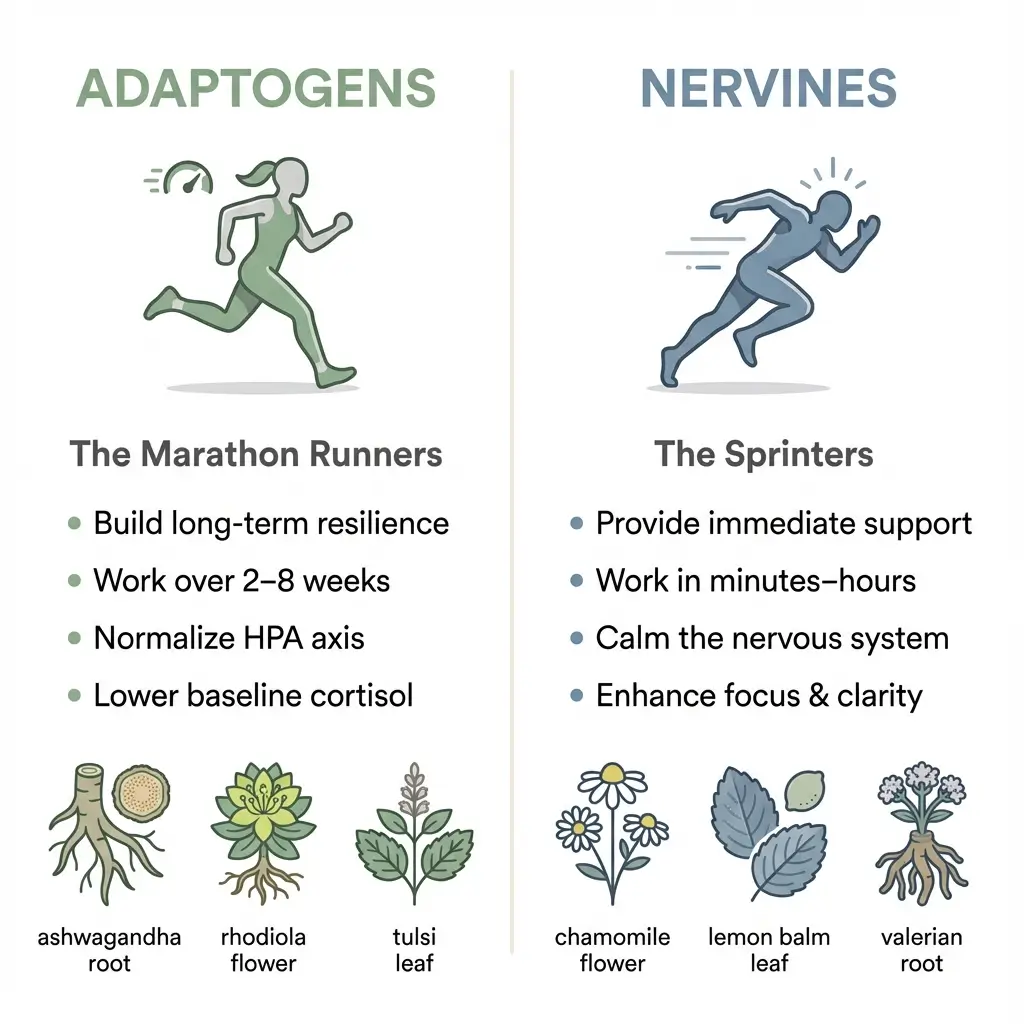
- Adaptogens build long-term resilience. They normalize HPA axis function over weeks and months. Think of them as the marathon runners.
- Nervines provide acute symptom relief. They calm immediate anxiety within 30 to 60 minutes. Think of them as the sprinters.
The herbs in this guide span both categories. Your job is to match the right herb to your specific stress pattern.
Understanding Your Stress Phenotype
“Which herb should I take?”
This question misses an important point. The correct answer depends on HOW stress manifests in your body. Stress affects people differently based on genetics, lifestyle, and nervous system wiring.
Identify your phenotype before choosing an herb.
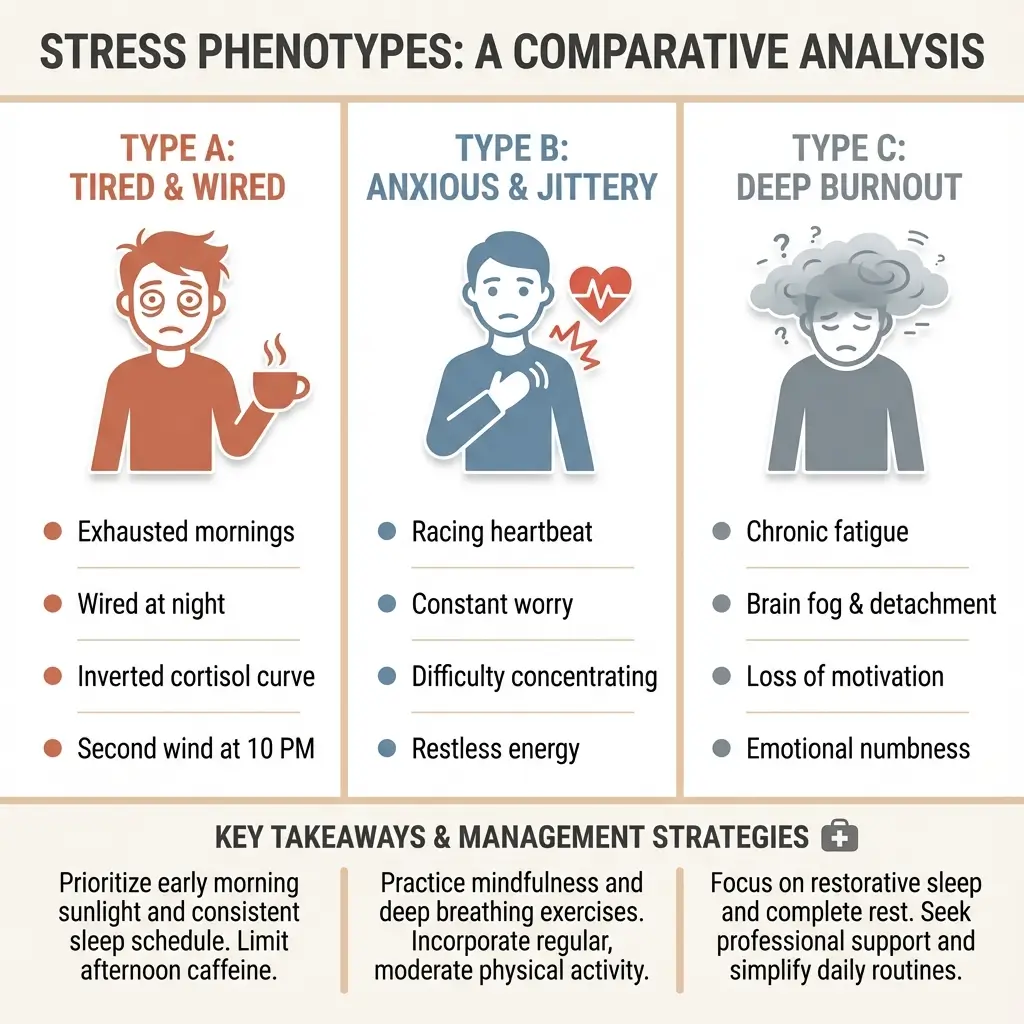
Type A: The “Tired and Wired”
You feel exhausted during the day but wired at night. Your cortisol curve is inverted. Normally, cortisol peaks in the morning and drops at night. Your pattern runs backward. You crash mid-afternoon and experience a second wind around 10 PM. Sleep quality suffers despite feeling depleted.
Type B: The “Anxious and Jittery”
Your stress presents physically. Racing heart. Tight chest. Shallow breathing. You experience anxious activation without obvious psychological triggers. Social situations may amplify symptoms. This pattern often correlates with elevated sympathetic nervous system activity and GABA deficiency.
Type C: The “Deep Burnout”
You feel flat. Motivation has evaporated. Brain fog persists regardless of sleep quality. Your stress response has essentially exhausted itself. Cortisol levels may test low rather than high. This represents HPA axis dysfunction in its advanced stages, sometimes called “adrenal fatigue” in clinical practice.
Adaptogens for Long-Term Resilience
Adaptogens work by normalizing your stress response over time. They require consistent daily use for 2 to 8 weeks before benefits fully emerge. The focus here is lowering baseline cortisol and restoring healthy HPA axis signaling.
1. Ashwagandha (Withania somnifera)
Best For: Type A, the “Tired and Wired” phenotype

Ashwagandha dominates adaptogen research for good reason.
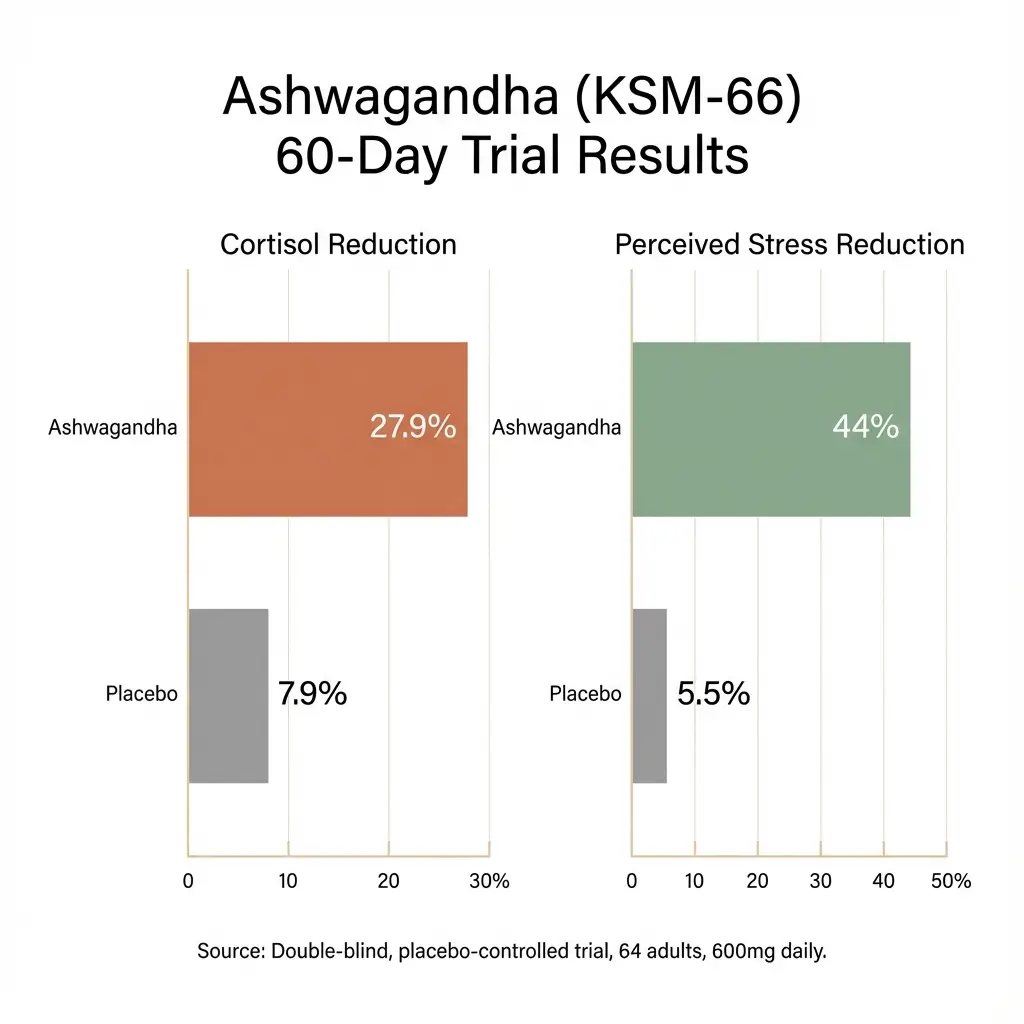
A double-blind, randomized, placebo-controlled trial involving 64 adults with chronic stress found that participants taking 600 mg daily of a high-concentration full-spectrum ashwagandha root extract (KSM-66) for 60 days showed a 27.9% reduction in serum cortisol levels compared to placebo [2].
The same study documented a 44% reduction in Perceived Stress Scale scores [2].
The Mechanism
Ashwagandha modulates GABA receptors = the primary inhibitory neurotransmitters in your brain that produce calming effects [2]. GABA activity increases relaxation and reduces hyperarousal. Ashwagandha also supports thyroid function, which influences energy metabolism and mood regulation [2].
Protocol: KSM-66 vs. Sensoril
Two standardized extracts dominate the market. KSM-66 is extracted from roots only and standardized to 5% withanolides. It tends to be more stimulating and supports both stress reduction and physical performance. Sensoril includes both roots and leaves and standardizes to higher withanolide glycoside content. It tends to be more sedating.
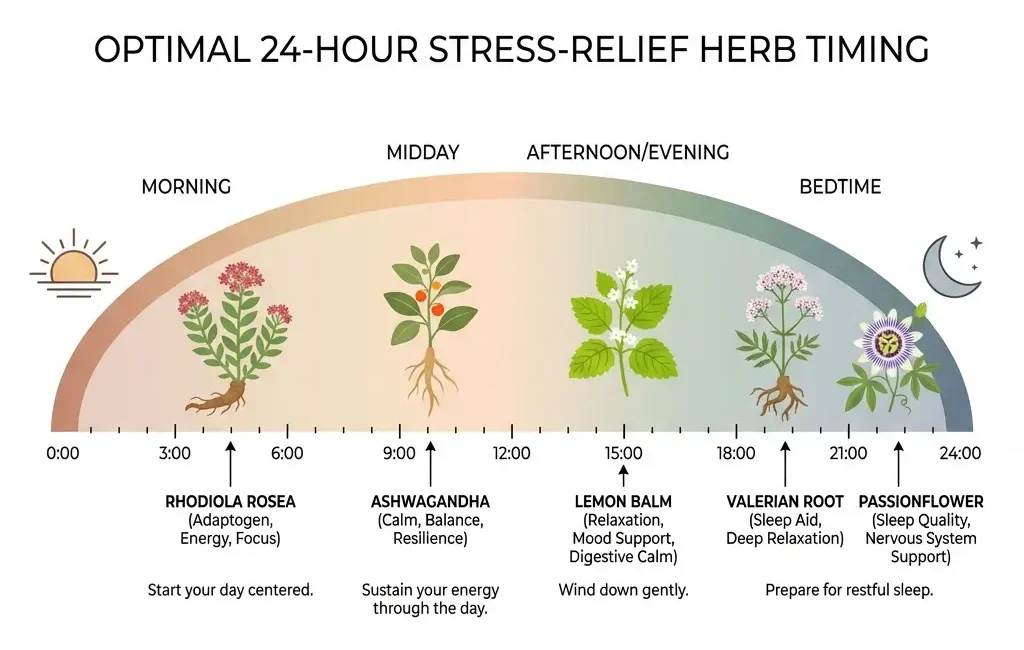
For Type A stress patterns, KSM-66 at 300 mg twice daily often works best. Take your first dose with breakfast and your second with lunch. Avoid evening dosing.
Warning: Do not use ashwagandha continuously for more than 12 weeks without a break. Cycle off for 2 to 4 weeks before resuming. This prevents receptor downregulation and maintains herb efficacy.
2. Rhodiola Rosea (Golden Root)
Best For: Type C, the “Deep Burnout” phenotype
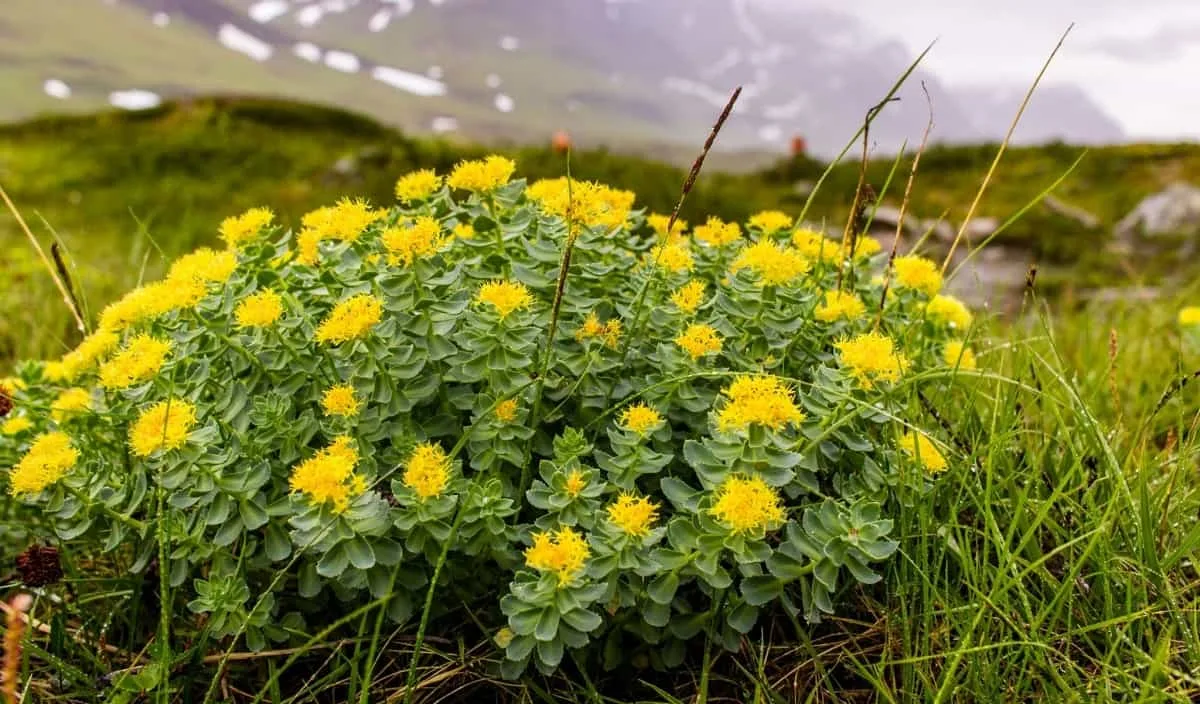
When burnout has progressed to the point where you feel flat, unmotivated, and mentally foggy, Rhodiola offers specific advantages.
A systematic review published in the journal Complementary Medicine Research analyzed clinical trials involving Rhodiola rosea extract (SHR-5) and found consistent improvements in stress symptoms, mental fatigue, and cognitive function under stressful conditions [3].
The Mechanism
Rhodiola operates differently than sedating herbs. It modulates neurotransmitters including serotonin, dopamine, and norepinephrine [4].
This explains its energizing rather than sedating quality. Rhodiola also supports ATP production = the cellular energy currency your mitochondria generate [4]. When burnout depletes cellular energy reserves, Rhodiola helps rebuild them.
Protocol
Rhodiola stimulates rather than sedates. Take it in the morning, never after 2 PM. Look for extracts standardized to 3% rosavins and 1% salidroside. Effective doses range from 200 to 600 mg daily, taken on an empty stomach.
(Ed. note: If you feel jittery on rhodiola, reduce your dose. Some individuals are highly responsive to its stimulating effects.)
3. Holy Basil (Tulsi)
Best For: Metabolic stress and mental clutter
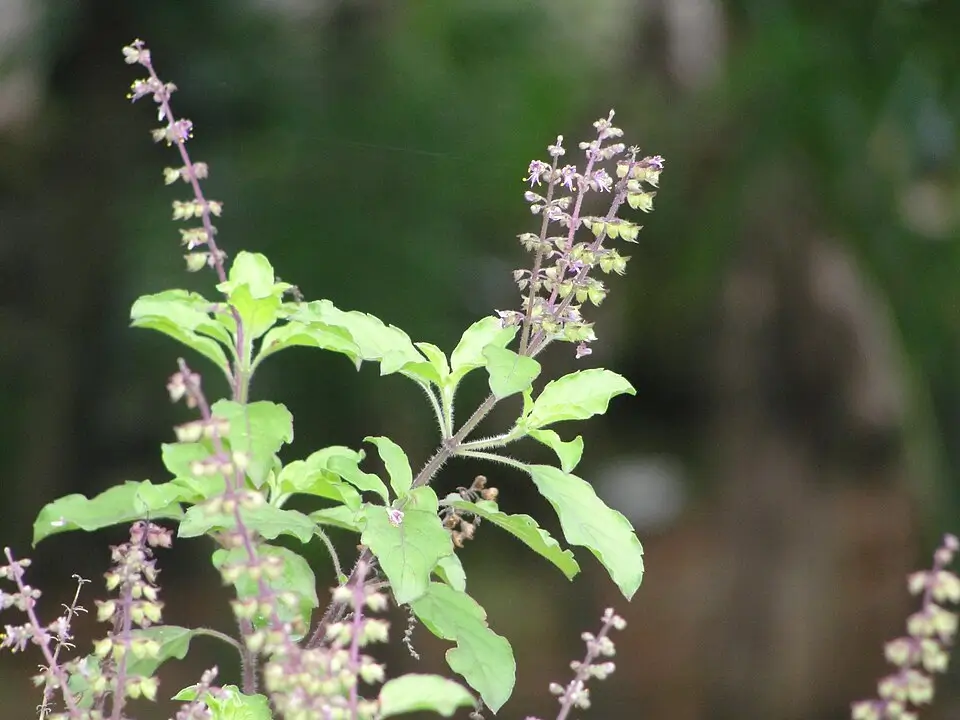
Holy Basil (Ocimum tenuiflorum) holds a unique position among adaptogens. A randomized, double-blind, placebo-controlled trial involving 100 adults experiencing stress found that 8 weeks of holy basil supplementation (250 mg daily of a standardized extract) reduced Perceived Stress Scale scores by 37% and Athens Insomnia Scale scores by 48% [5].
Hair cortisol concentrations, a measure of chronic cortisol output, were significantly lower in the holy basil group at week 8 [5].
The Mechanism
Holy basil lowers both cortisol and blood sugar, making it particularly relevant for metabolic stress [5].
Research shows it buffers stress responses during acute stress exposure, lowering salivary cortisol and salivary amylase compared to placebo [5].
Unlike some adaptogens, holy basil demonstrates anti-anxiety effects without significant sedation.
Protocol
Tea works here. Unlike ashwagandha, which requires concentrated extracts for therapeutic effects, holy basil tea delivers meaningful benefits.
Drink 1 to 2 cups daily. For stronger effects, standardized extracts at 250 to 500 mg daily provide more reliable dosing.
Nervines for Acute Relief
Adaptogens require weeks to work. Sometimes you need relief now. Nervines calm nervous system activation within 30 to 60 minutes. They work through different mechanisms than adaptogens and serve different purposes.
4. Lemon Balm (Melissa officinalis)
Best For: Nervous stomach and racing thoughts
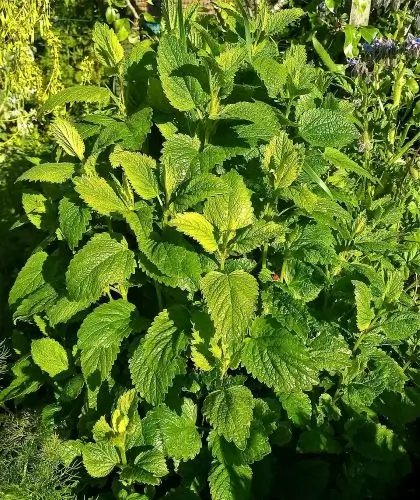
“My mind won’t stop.”
If this describes your anxiety pattern, lemon balm deserves attention. A systematic review and meta-analysis of clinical trials found that lemon balm significantly improves anxiety symptoms compared to placebo [6].
One study documented a 49% reduction in anxiety levels and a 54% improvement in sleep quality with lemon balm supplementation [6].
The Mechanism
Lemon balm inhibits GABA-transaminase, the enzyme that breaks down GABA in your brain [6]. When you inhibit this enzyme, GABA levels rise. More GABA means more inhibitory signaling. Your nervous system calms. This mechanism produces measurable effects within 1 to 2 hours of ingestion.
Bioavailability = the degree your body absorbs nutrients. Lemon balm has good bioavailability in both tea and tincture forms.
Protocol
For acute panic or anxiety, use a high-dose tincture. Standard dosing is 60 drops (approximately 3 mL) in water. Effects begin within 30 to 45 minutes. For daily maintenance, lemon balm tea provides gentler support. Drink 2 to 3 cups throughout the day.
5. Passionflower (Passiflora incarnata)
Best For: Circular thinking and stress-induced insomnia
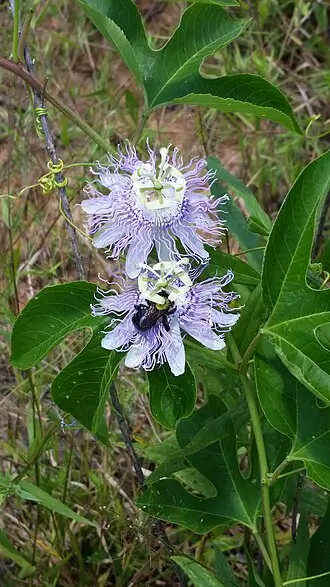
Passionflower has clinical trial data comparing it directly to pharmaceutical anxiolytics. A double-blind randomized controlled trial compared passionflower extract to oxazepam (a benzodiazepine) in patients with generalized anxiety disorder [7].
Both treatments effectively reduced anxiety symptoms. Passionflower matched oxazepam’s efficacy while producing significantly less impairment in job performance [7].
The Mechanism
Passionflower enhances GABA binding at receptor sites [7]. It also contains flavonoids that modulate monoamine oxidase activity, which influences serotonin and dopamine levels. The combination creates anxiolytic effects without the cognitive impairment associated with pharmaceutical sedatives.
Protocol
For insomnia, take passionflower 1 hour before bed. Effective forms include capsules (250 to 500 mg of standardized extract), tinctures (30 to 60 drops), or tea (1 to 2 cups). For daytime anxiety, lower doses prevent excessive sedation. Start with 125 to 250 mg and adjust based on your response.
6. Valerian Root
Best For: Sleep onset insomnia
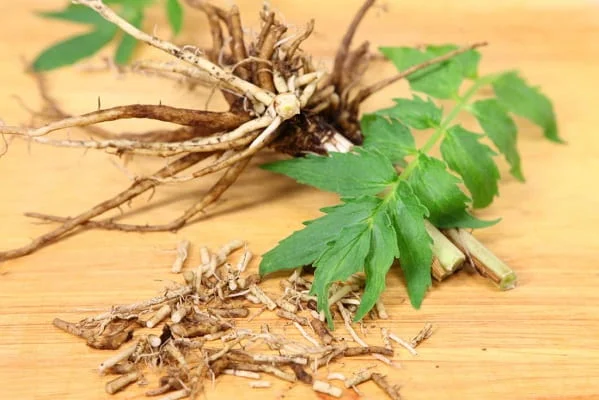
Valerian root sits in a unique category as both a nervine and mild sedative. A systematic review and meta-analysis in the American Journal of Medicine concluded that valerian may improve sleep quality without producing significant side effects [8].
Clinical studies show valerian reduces sleep latency = the time it takes to fall asleep [8].
The Mechanism
Valerian contains valerenic acid, which inhibits GABA breakdown and increases GABA availability [8]. It also binds to adenosine receptors, promoting drowsiness through the same pathway targeted by sleep medications. The sedative effect makes valerian unsuitable for daytime use but excellent for nighttime protocols.
Protocol
Take valerian 30 to 60 minutes before bed. Effective doses range from 300 to 600 mg of standardized extract. Valerian requires several days to reach full effectiveness. Do not expect dramatic results on day one. Consistent use over 2 to 4 weeks produces stronger effects.
7. L-Theanine (Honorable Mention Amino Acid)
Best For: Coffee jitters and focus under pressure
L-theanine is not technically an herb. It is an amino acid found primarily in tea leaves. However, its relevance to stress management warrants inclusion. A randomized controlled trial found that L-theanine administration reduces stress-related symptoms and improves sleep quality in adults experiencing stress [9].
The Synergy
L-theanine pairs exceptionally well with caffeine. Research shows that combining L-theanine with caffeine smooths out the cortisol spike and jittery sensation that caffeine alone produces [10]. The combination improves cognitive performance while reducing the negative effects of caffeine on anxiety.
Protocol
Standard dosing is 100 to 200 mg. For coffee drinkers, take L-theanine alongside your morning coffee. A 2:1 ratio of L-theanine to caffeine (e.g., 200 mg L-theanine with 100 mg caffeine) provides balanced stimulation without excess activation.
How to Combine Herbs for Maximum Effect
Single herbs work. Combinations often work better. Herbal synergy = when combined herbs produce effects greater than individual herbs alone.
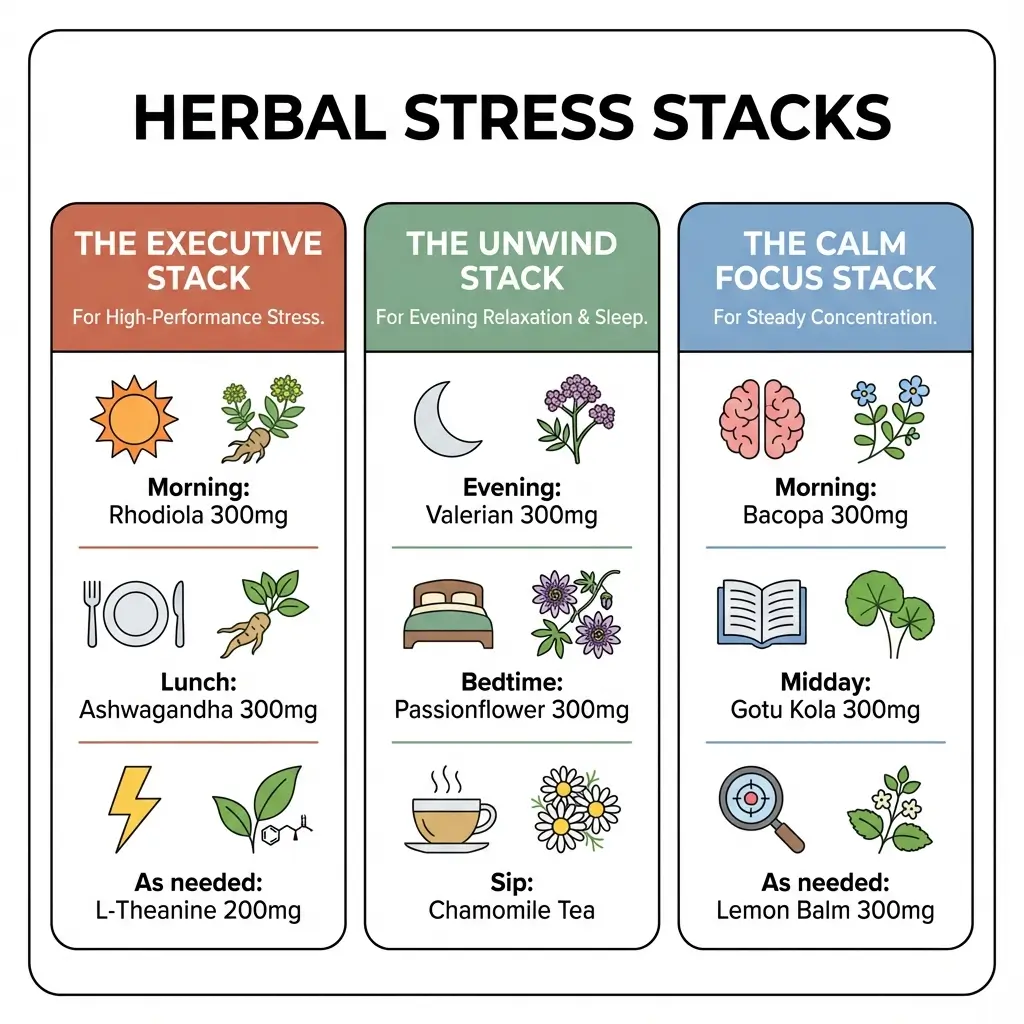
The Executive Stack (For High-Performance Stress)
Morning: Rhodiola 300 mg (empty stomach) Lunch: Ashwagandha (KSM-66) 300 mg As needed: L-theanine 200 mg
This stack supports mental clarity and sustained energy while progressively lowering cortisol. Rhodiola handles morning focus. Ashwagandha builds long-term resilience. L-theanine smooths anxiety spikes during high-pressure moments.
The Deep Sleep Stack (For Stress-Induced Insomnia)
1 hour before bed: Valerian 300 mg + Passionflower 250 mg + Magnesium glycinate 400 mg
This combination targets multiple sleep pathways simultaneously. Valerian and passionflower both enhance GABA signaling through different mechanisms. Magnesium glycinate supports muscle relaxation and crosses the blood-brain barrier more effectively than other magnesium forms.
The Social Anxiety Stack (For Acute Social Stress)
30 to 45 minutes before social events: Lemon balm tincture (60 drops) + Kava (optional, see warning)
Lemon balm calms racing thoughts quickly. Kava produces stronger anxiolytic effects but carries liver safety considerations that require caution.
WARNING: Kava has been associated with liver toxicity in rare cases. The estimated frequency of clinically apparent liver injury is less than 1 in 1,000,000 daily doses according to LiverTox data [11]. However, individuals with pre-existing liver conditions, those taking hepatotoxic medications, or those consuming alcohol regularly should avoid kava entirely. If you use kava, choose products made from noble kava varieties extracted with water-based methods, and limit use to short durations.
Forms Matter: Tea vs. Tincture vs. Capsule
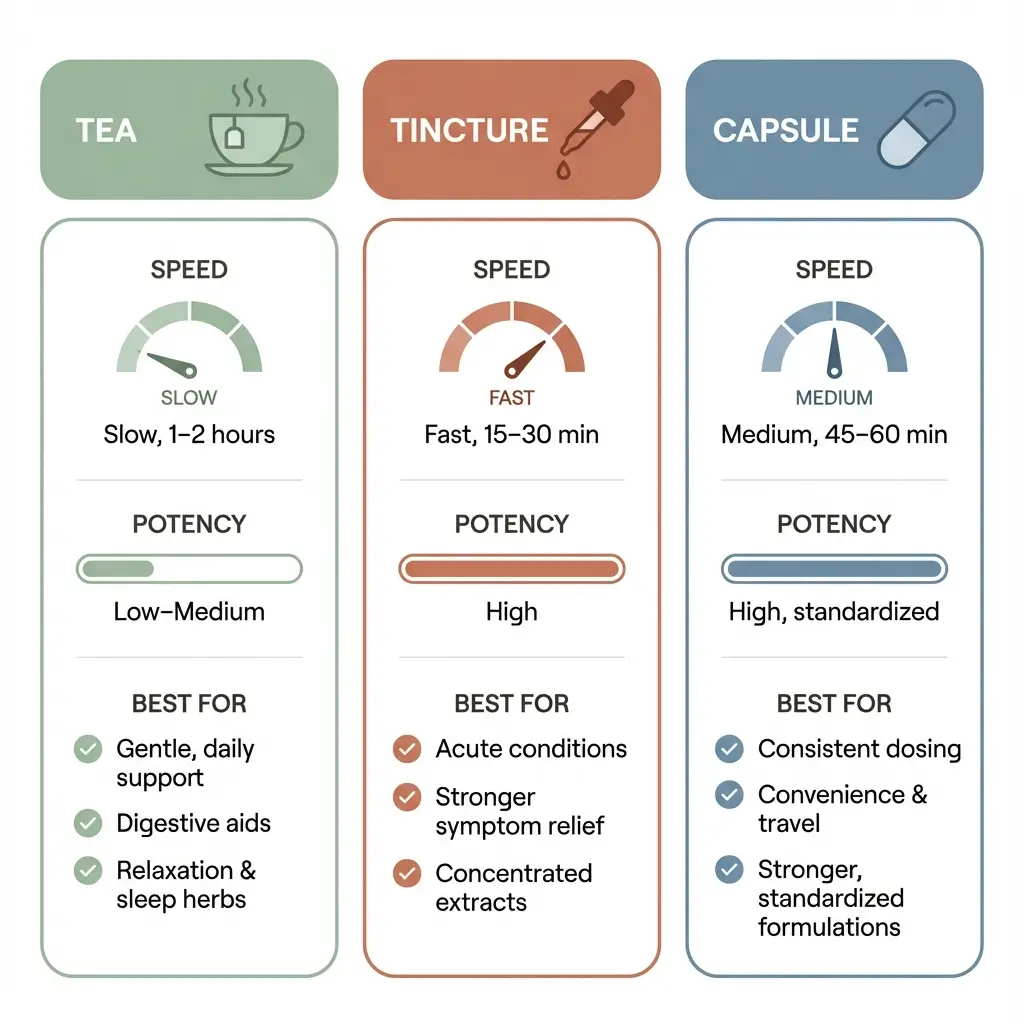
Delivery method affects both absorption speed and therapeutic potency.
Teas
- Best for: Maintenance and ritual. Gentle daily support. Herbs like holy basil and lemon balm work well as teas.
- Limitations: Variable potency. Difficult to achieve therapeutic doses for intensive intervention. Brewing method affects extraction quality.
Tinctures
- Best for: Acute intervention. Fastest absorption because alcohol-based extracts enter your bloodstream through sublingual tissue (under the tongue) within minutes. Ideal for nervines like lemon balm and passionflower when you need rapid calming.
- Limitations: Alcohol content may be problematic for some individuals. Taste can be challenging.
Capsules and Standardized Extracts
- Best for: Adaptogens requiring consistent, measurable dosing. Ashwagandha and rhodiola demand standardized extracts to guarantee you receive therapeutic levels of active compounds. KSM-66 standardizes to 5% withanolides. Rhodiola standardizes to 3% rosavins. Without standardization, potency varies wildly between products.
- Limitations: Slower absorption than tinctures. Quality varies dramatically between manufacturers.
Safety, Contraindications, and Interactions
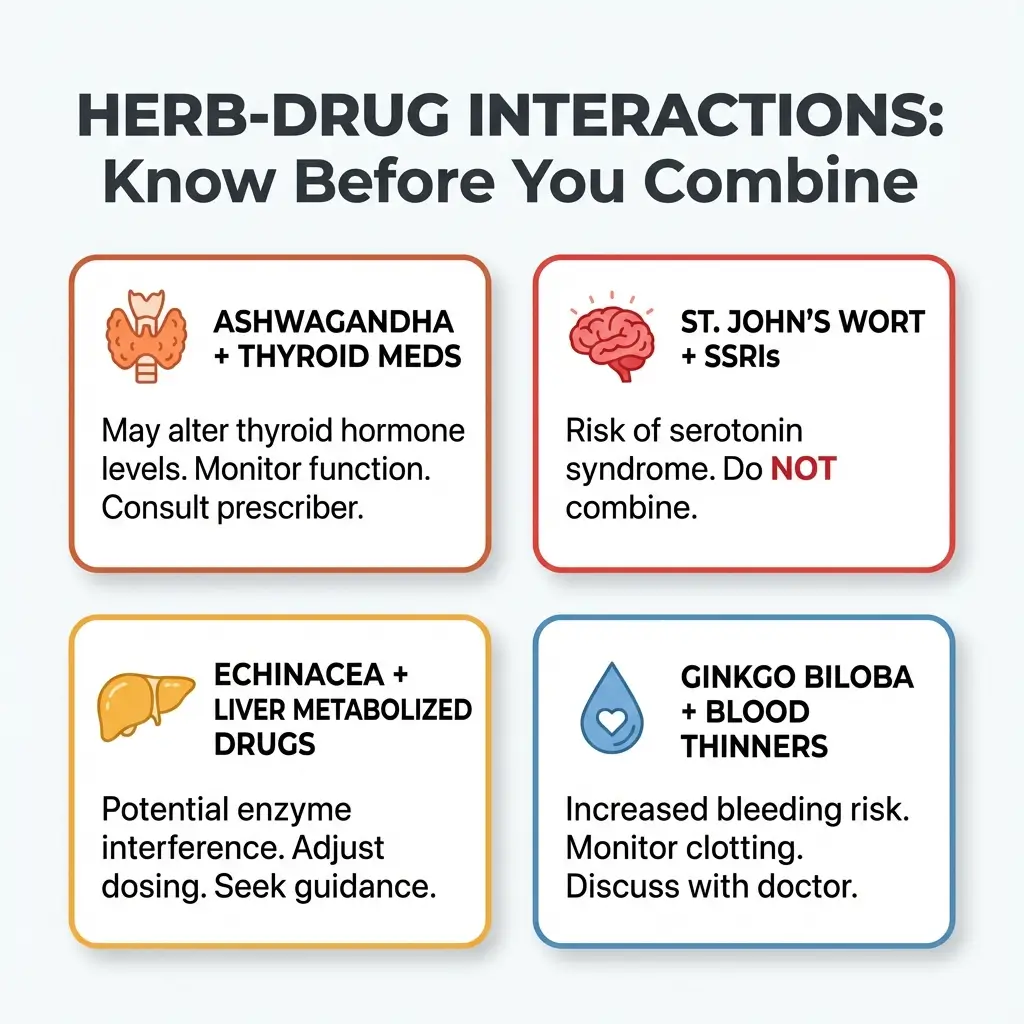
Herbs are pharmacologically active. This means they produce real effects. It also means they interact with medications and produce contraindications.
- Thyroid Medications: Ashwagandha can affect thyroid hormone levels. If you take levothyroxine or other thyroid medications, consult your healthcare provider before using ashwagandha. Monitor thyroid function if you combine them.
- SSRIs and Serotonergic Medications: St. John’s Wort (not covered in this guide due to significant drug interactions) interacts dangerously with SSRIs, potentially causing serotonin syndrome. The nervines discussed here present lower risk, but combining multiple serotonin-affecting substances requires caution. Discuss any combinations with your prescriber.
- Sedative Medications: Valerian, passionflower, and kava all enhance GABAergic signaling. Combining these herbs with benzodiazepines, sleep medications, or alcohol amplifies sedative effects unpredictably. Do not mix these herbs with pharmaceutical sedatives without medical supervision.
- Pregnancy and Nursing: Most adaptogens and nervines lack adequate safety data for pregnancy and breastfeeding. Ashwagandha, rhodiola, and kava should all be avoided during pregnancy. Consult a qualified healthcare provider before using any herbal supplements during pregnancy or while nursing.
Frequently Asked Questions
Summary
Stress operates through biology. Your HPA axis controls the hormonal cascade that produces cortisol and activates your stress response. Chronic stress keeps this system dysregulated, producing the fatigue, anxiety, and cognitive problems you experience daily.
Herbs that relieve stress work by correcting this dysregulation at the biochemical level. Adaptogens like ashwagandha, rhodiola, and holy basil normalize cortisol patterns over weeks of consistent use. Nervines like lemon balm, passionflower, and valerian calm acute anxiety within an hour.
Your next step: Identify your stress phenotype. Choose ONE adaptogen that matches your pattern. Track sleep quality and energy levels for 30 days. Adjust based on your response.
These herbs build capacity. They create the physiological foundation that allows you to make larger lifestyle changes. You cannot supplement your way out of a toxic lifestyle. But herbs that relieve stress can stabilize your nervous system enough that you can start making those changes from a place of greater resilience.
